As the year draws to a close, HR professionals are tasked with navigating the busy end-of-year period, balancing immediate responsibilities with strategic planning for the year ahead. November’s transition into December marks a critical juncture, where opportunities abound to foster employee engagement, well-being, and a sense of appreciation. This comprehensive guide outlines key holidays, observances, and themes for December, providing HR leaders with actionable insights to close out the year on a high note and energize their workforce for the coming year. The following content aims to equip HR professionals with the knowledge and tools to create a more inclusive, supportive, and engaging workplace environment during this pivotal month.
Embracing a Spectrum of Celebrations: Beyond the Traditional Festive Season
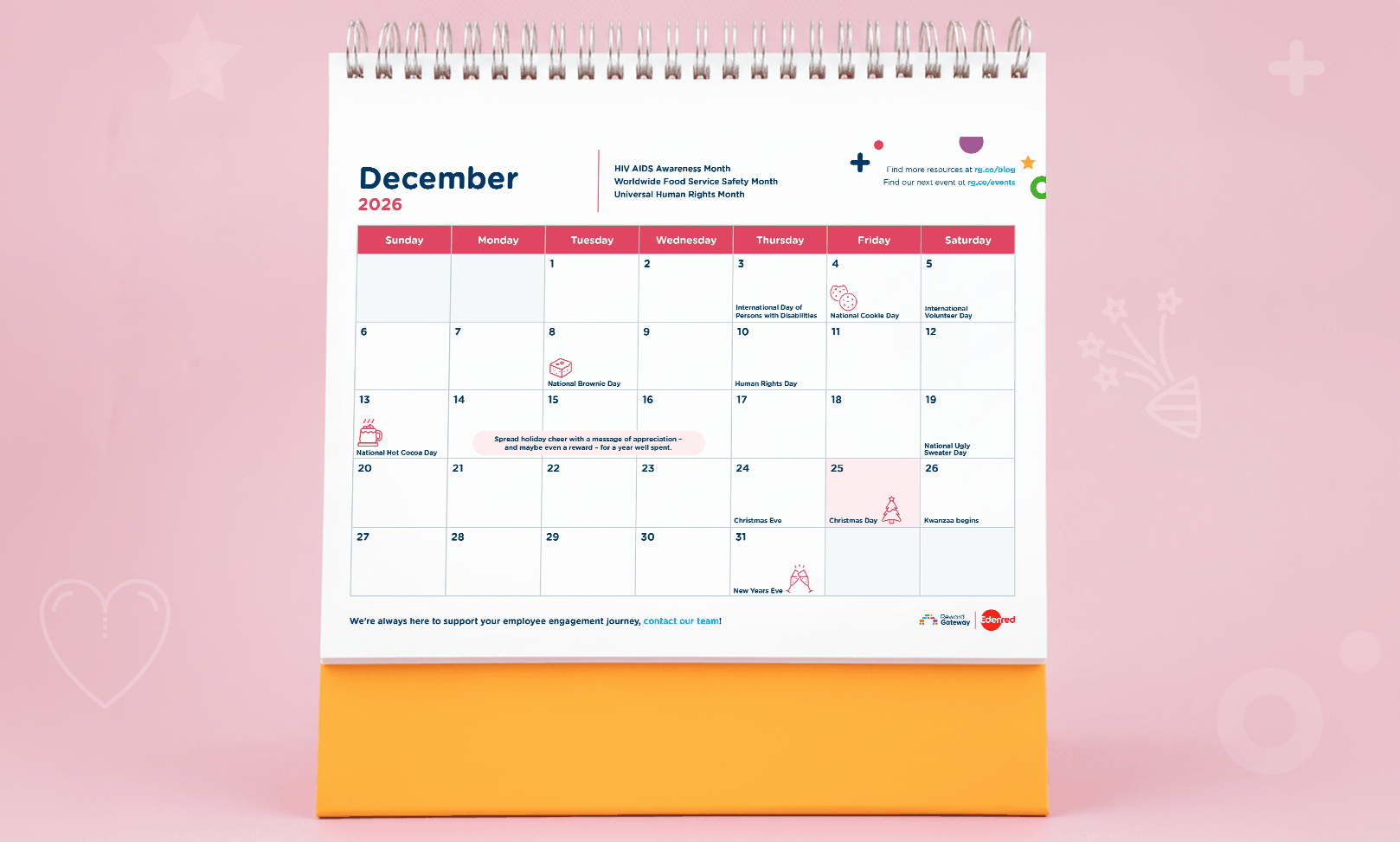
December is often characterized by a concentrated period of festive celebrations, most notably Christmas. However, a more inclusive approach recognizes and honors a wider array of cultural and religious observances, thereby demonstrating respect and appreciation for the diverse backgrounds of employees. By acknowledging and incorporating these varied celebrations into workplace communications and activities, HR departments can cultivate a stronger sense of belonging and mutual respect. This can be achieved through various channels, including personalized e-cards sent via employee recognition platforms, themed internal communications, and thoughtful office decorations that reflect a commitment to diversity.
Key Religious and Cultural Observances in December:
-
Advent: Spanning from November 29th to December 23rd, Advent is a Christian season of preparation and anticipation for Christmas. It involves a period of prayer, fasting, and almsgiving, often marked by the lighting of a candle on an Advent wreath each week. This period offers an opportunity for reflection and mindfulness within the workplace, perhaps through shared moments of quiet contemplation or brief educational segments about its significance.
-
Hanukkah: Celebrated from the 5th to the 12th of December, Hanukkah, also known as the Festival of Lights, is an eight-day Jewish festival commemorating the rededication of the Second Temple in Jerusalem. It involves the lighting of a menorah, special prayers, and the exchange of gifts. Recognizing Hanukkah can involve sharing information about its traditions, offering kosher food options if feasible, or allowing employees time to participate in family observances.
-
Yule: Observed on the 21st of December, Yule, or the Winter Solstice, is an ancient Germanic festival celebrated around the shortest day of the year. It often involves feasting, gift-giving, and honoring the return of longer days. This observance can be a point of connection for employees interested in pagan traditions or simply a moment to acknowledge the turning of the seasons.
-
Winter Solstice: Also occurring on December 21st, the Winter Solstice marks the astronomical start of winter in the Northern Hemisphere. It is the day with the fewest hours of daylight and the most hours of darkness. Acknowledging the solstice can be a simple yet meaningful way to connect with the natural rhythms of the year and encourage employees to embrace the quiet introspection that this period often inspires.
-
Christmas Eve: Celebrated on December 24th, Christmas Eve is the evening or entire day before Christmas Day, widely observed as a Christian holiday. It is often a time for family gatherings and religious services. Companies may choose to offer early dismissal or flexible working arrangements to allow employees to be with their families.
-
Christmas: Observed on December 25th, Christmas is a major annual festival commemorating the birth of Jesus Christ, celebrated as a religious and cultural celebration by billions of people around the world. Its significance extends beyond religious observance to a widely recognized cultural holiday.
-
Kwanzaa: Beginning on December 26th, Kwanzaa is an annual celebration of African-American culture that is celebrated by millions throughout the African diaspora in the United States and other nations around the world. It lasts for seven days and is characterized by principles of unity, self-determination, collective work and responsibility, cooperative economics, purpose, creativity, and faith. Highlighting Kwanzaa can involve sharing its principles and traditions, fostering an appreciation for African-American heritage.
-
New Year’s Eve: Celebrated on December 31st, New Year’s Eve marks the last day of the Gregorian calendar year. It is a time for reflection on the past year and anticipation for the one to come, often celebrated with social gatherings and fireworks. This provides a natural opportunity for companies to express gratitude for employee contributions throughout the year and set a positive tone for the future.
Prioritizing Winter Wellbeing: A Proactive Approach to Employee Health
The colder months and shorter days of winter can present unique challenges to employee well-being, potentially impacting morale and productivity. Recognizing specific health observances during December can empower HR professionals to implement targeted initiatives that support employee health and safety.
Key Wellbeing Observances in December:
-
Food Safety Month: While often observed in September in the US, the principles of food safety are paramount year-round, especially for organizations in the food service industry. December presents an opportune moment to reinforce best practices, conduct refresher training on food handling certifications, and ensure staff are up-to-date on specialized safety protocols. This proactive approach not only protects consumers but also demonstrates a commitment to employee development and operational excellence.
-
World AIDS Day (December 1st): Observed annually on December 1st, World AIDS Day is dedicated to raising awareness of the AIDS pandemic caused by the spread of HIV infection and to mourning those who have died of the disease. This day offers an opportunity for organizations to promote health education, encourage open conversations about health, and support relevant charitable causes.
-
International Day of Persons with Disabilities (December 3rd): Celebrated on December 3rd, this UN-sanctioned international day aims to promote the rights and well-being of persons with disabilities in all spheres of society and development, and to increase awareness of the situation of persons with disabilities in every aspect of political, social, economic and cultural life. HR can use this day to review and enhance accessibility within the workplace, promote inclusive hiring practices, and foster a culture of understanding and support for employees with disabilities.
-
International Day for Epidemic Preparedness (December 27th): Observed on December 27th, this day highlights the critical importance of preparedness for, and prevention of, epidemics. In the wake of global health challenges, this observance serves as a timely reminder for organizations to review their own emergency preparedness plans, ensure robust health and safety protocols are in place, and communicate these measures effectively to employees.
Culinary Celebrations: Engaging Employees Through Food and Fun
Food-based engagement opportunities are consistently effective due to their simplicity, accessibility, and inherent appeal. By incorporating a variety of culinary celebrations throughout the year, including in December, HR can foster a positive and inclusive work environment. Offering diverse options ensures that employees with dietary restrictions or allergies can participate fully, minimizing feelings of exclusion. Even subtle acknowledgments, such as incorporating a relevant graphic or a lighthearted comment into internal communications, can serve as a way to recognize these occasions.
Culinary Observances in December:

-
National Eggnog Month: Throughout December, the festive beverage eggnog is celebrated. This offers a simple opportunity for office gatherings or a themed treat.
-
National Cookie Day (December 4th): A universally loved treat, National Cookie Day is a prime opportunity for a simple office treat or a friendly baking competition.
-
National Cotton Candy Day (December 7th): This whimsical day can inspire lighthearted office activities or a sweet treat station.
-
National Pastry Day (December 9th): Celebrating the art of pastry offers a chance to indulge in a variety of delicious baked goods.
-
Gingerbread House Day (December 13th): This day is perfect for a creative team-building activity, encouraging collaboration and festive spirit.
-
National Maple Syrup Day (December 17th): A nod to a sweet and versatile ingredient, this day could inspire a pancake breakfast or a feature in office treats.
-
National Eggnog Day (December 24th): The specific day dedicated to eggnog provides another opportunity to enjoy this seasonal favorite.
Corporate Social Responsibility (CSR) Opportunities: Extending Kindness Beyond the Workplace
December provides a natural impetus for acts of kindness and community engagement, offering organizations a platform to demonstrate their commitment to social responsibility. By participating in or highlighting CSR-focused observances, companies can foster a sense of purpose among employees and contribute positively to society.
CSR Observances in December:
-
National Day of Giving (December 1st): This day is an excellent opportunity for organizations to encourage charitable contributions or organize volunteer activities, reinforcing the spirit of generosity.

-
Rosa Parks Day (December 1st): Honoring the courageous actions of Rosa Parks, this day serves as a reminder of the ongoing struggle for civil rights and social justice. It can inspire discussions about equality and inclusivity within the workplace.
-
Special Education Day (December 2nd): This day recognizes the importance of special education services and advocates for the rights of students with disabilities. It can prompt organizations to consider their role in supporting inclusive educational environments and fostering a supportive workplace for individuals with diverse learning needs.
-
World Wildlife Conservation Day (December 4th): This observance highlights the critical need for conservation efforts to protect endangered species and their habitats. Organizations can use this day to raise awareness about environmental sustainability or support wildlife conservation initiatives.
-
National Pearl Harbor Remembrance Day (December 7th): This solemn day commemorates the victims of the attack on Pearl Harbor during World War II. It is a time for reflection on sacrifice, remembrance, and the importance of peace.
-
Human Rights Day (December 10th): Observed annually on December 10th, Human Rights Day celebrates the adoption of the Universal Declaration of Human Rights by the United Nations General Assembly in 1948. It is a day to reflect on the fundamental rights and freedoms that all individuals are entitled to and to advocate for their protection globally. This can be an opportunity to review company policies on human rights and ethical conduct.
-
Nobel Prize Day (December 10th): Celebrated on the anniversary of Alfred Nobel’s death, this day honors the recipients of the Nobel Prizes, recognizing outstanding achievements in physics, chemistry, medicine, literature, and peace. It can serve as an inspiration for innovation and excellence within the organization.
-
Worldwide Candle Lighting Day (December 13th): This day is dedicated to remembering and honoring children who have died. It is a time for comfort, support, and remembrance.
-
Bill of Rights Day (December 15th): Commemorating the ratification of the United States Bill of Rights in 1791, this day emphasizes the importance of fundamental rights and freedoms. It can prompt reflection on how these principles are upheld within the organizational context.
-
International Human Solidarity Day (December 20th): This UN-designated day promotes unity and collective action in addressing global challenges. It encourages organizations to foster a sense of shared responsibility and collaboration among employees.
Professional Spotlights: Recognizing Skills and Contributions
Celebrating the diverse skills and contributions of employees is fundamental to fostering a positive and appreciative work environment. Acknowledging the expertise that drives an organization forward, both internally and externally, can be achieved through simple yet impactful gestures.

Professional Spotlights in December:
-
National Bartender Day (December 5th): While seemingly niche, this day can be an opportunity to acknowledge the hospitality and service professionals who contribute to positive customer experiences, even if indirectly related to core business functions.
-
National Blue Collar Day (December 8th): This day is dedicated to recognizing and appreciating the vital contributions of skilled tradespeople and manual laborers, who form the backbone of many industries. Highlighting their dedication and craftsmanship can foster greater interdepartmental respect.
-
Dewey Decimal System Day (December 10th): This day, celebrating the anniversary of Melvil Dewey’s birth, can be a fun opportunity to acknowledge the importance of organization, information management, and the pursuit of knowledge within the workplace, particularly relevant for roles involving research or data management.
-
National Device Appreciation Day (December 17th): In an increasingly technology-dependent world, this day is an ideal moment to acknowledge the essential role of all devices, from laptops and smartphones to specialized equipment, and the employees who maintain and utilize them effectively. This can include a simple message of thanks for ensuring seamless operations.
Special Interests for Easy Engagement: Sparking Joy Through Shared Hobbies
Incorporating observations related to special interests can inject an element of fun and personality into the workplace, providing low-effort opportunities for connection and discovery. These can be particularly effective in fostering informal bonds among colleagues.
Special Interest Observances in December:
-
National Cat Lover’s Month: Throughout November and extending into December, this month-long observance can be a lighthearted way to engage employees who share a passion for feline companions, perhaps through sharing pet photos or fun facts.
-
National Make a Gift Day (December 3rd): This day encourages creativity and thoughtful gestures, offering a chance for employees to share DIY gift ideas or participate in a collaborative craft activity.
-
National Sock Day (December 4th): A simple and fun observance, this day can inspire a casual office dress code or a small donation drive for warm socks for those in need.

-
International Mountain Day (December 11th): This UN observance promotes the importance of mountains and sustainable development. It can be an opportunity to share stories of adventure, appreciate the natural world, or encourage employees to pursue personal challenges.
-
International Cinema Day (December 28th): Celebrating the art of film can be a catalyst for sharing favorite movies, organizing virtual watch parties, or discussing the impact of cinema.
Implications for HR and Organizational Culture:
The strategic integration of these diverse December observances offers significant benefits for HR departments and the overall organizational culture. By actively acknowledging and participating in a wide spectrum of holidays and special days, companies can:
- Enhance Employee Engagement: Demonstrating an awareness of employees’ diverse backgrounds and interests fosters a sense of belonging and makes individuals feel more valued and connected to their workplace.
- Promote Inclusivity: Recognizing a variety of religious, cultural, and personal celebrations moves beyond a singular, dominant cultural narrative, creating a more inclusive environment for all employees.
- Boost Morale and Reduce Stress: The festive season can be demanding. By offering opportunities for lighthearted engagement, recognition, and well-being support, HR can help mitigate stress and boost overall morale.
- Strengthen Employer Brand: Companies known for their inclusive and employee-centric practices attract and retain top talent. Highlighting these efforts can significantly enhance an organization’s reputation.
- Facilitate Professional Development: Observances like World AIDS Day or International Day of Persons with Disabilities offer natural opportunities for educational initiatives and awareness campaigns, contributing to a more informed and empathetic workforce.
- Drive Corporate Social Responsibility: Actively participating in CSR-focused days reinforces an organization’s commitment to ethical practices and community well-being, aligning business objectives with societal impact.
Data-Driven Insights:
Research consistently highlights the correlation between employee recognition and engagement. A 2023 report by Gallup found that highly engaged teams show 23% higher profitability. Furthermore, a study by the Harvard Business Review indicated that companies with strong recognition programs experience lower voluntary turnover rates. By leveraging the opportunities presented in December, HR professionals can contribute directly to these key performance indicators. For instance, initiatives tied to wellbeing observances can lead to a reduction in absenteeism. A 2022 study by the Integrated Benefits Institute revealed that poor employee health costs U.S. employers billions annually in lost productivity and increased healthcare expenses. Proactive wellness programs, supported by awareness days, can mitigate these costs.
Conclusion:
December presents a unique and multifaceted landscape for HR professionals. By thoughtfully incorporating a diverse range of celebrations, wellbeing initiatives, culinary delights, CSR opportunities, and professional spotlights, organizations can not only acknowledge the end of the year but also actively cultivate a more engaged, inclusive, and supportive workplace. The strategic use of these observances can transform the busy holiday season into a period of meaningful connection, appreciation, and preparation for a successful new year. Companies that embrace this holistic approach to employee engagement will undoubtedly foster stronger relationships, boost morale, and ultimately drive greater organizational success in the year ahead.