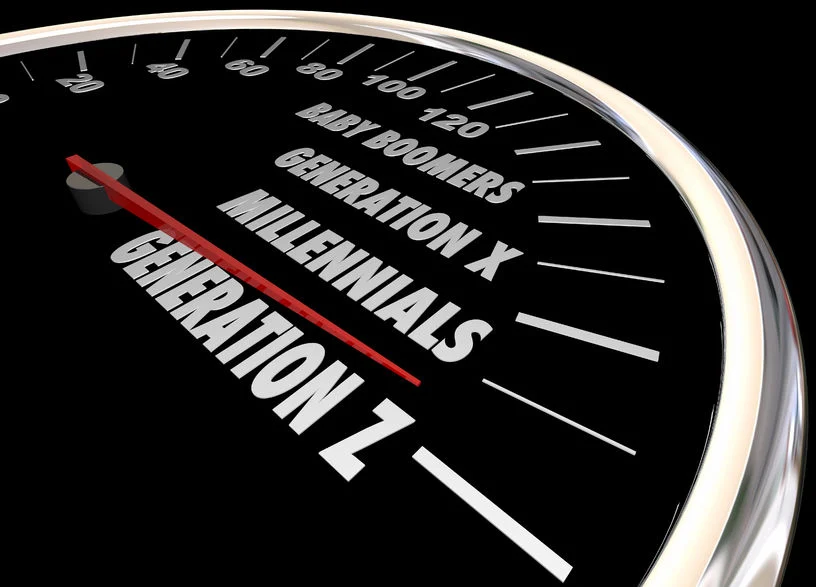
In an ever-evolving global job market, understanding the unique dynamics of Generation Z has become not merely beneficial but vital for both employers striving to build resilient teams and job seekers navigating their career paths. The recent publication by iHire of its comprehensive research report, titled "Gen Z in the Workforce: Decoding a New Generation of Job Seekers," offers critical insights into this emerging demographic. This extensive study delves deep into the job search behaviors, career goals, challenges, and prevailing perceptions surrounding Gen Z, providing an essential framework for bridging the often-discussed gap between this digital-native workforce and today’s employers. As Gen Z increasingly constitutes a significant portion of the global labor force, their distinct characteristics, shaped by unprecedented technological advancements, economic shifts, and global events, demand a nuanced understanding from all stakeholders.
The Evolving Landscape of Work: Understanding Generation Z’s Formative Years
Generation Z, broadly defined as individuals born between the mid-1990s and the early 2010s, represents the first true cohort of digital natives. Unlike previous generations, they have grown up with ubiquitous internet access, social media as a primary form of communication, and an inherent understanding of technology’s transformative power. Their formative years were marked by a confluence of significant global events, including the 2008 financial crisis (which shaped their parents’ financial anxieties), the pervasive threat of climate change, and most recently, the COVID-19 pandemic, which disrupted traditional education and early career entry points. These experiences have profoundly influenced their worldview, values, and expectations regarding work.
Economically, Gen Z entered a labor market characterized by increasing automation, gig economy expansion, and a growing emphasis on flexibility and purpose-driven work. Socially, they are often described as the most diverse and socially conscious generation, having been exposed to global issues and diverse perspectives from a young age through digital platforms. This background is crucial for interpreting their workplace preferences, their keen awareness of societal issues, and their approach to career development. The iHire report emerges at a pivotal time, offering a data-driven lens into how these foundational experiences translate into the professional realm.
Unpacking the iHire Report: Key Insights into a New Workforce
The iHire study, building upon existing research from institutions like Pew Research Center and Gallup, meticulously surveys both Gen Z job seekers and employers, revealing areas of alignment and significant disconnect. The report’s findings illuminate not only Gen Z’s self-perception but also the prevailing employer views, laying bare the complexities of integrating this generation into established organizational cultures.
Challenging Perceptions: Stereotypes and Values
One of the most striking findings from the iHire report is Gen Z’s acute awareness of the stereotypes that precede them in the professional world. A significant 34.4% of Gen Z respondents explicitly believe that negative stereotypes—such as being labeled entitled, lacking commitment, or possessing a poor work ethic—could substantially impede their job searches and overall career progression. This self-awareness suggests a generation grappling with external perceptions that may not align with their internal motivations or work ethic. Industry experts often point out that such stereotypes, while sometimes rooted in anecdotal evidence, can create unfair biases in hiring processes, prompting employers to overlook genuinely talented candidates. For instance, a 2022 survey by Resume.io found that a substantial number of employers admitted to holding biases against Gen Z, particularly concerning their perceived reliance on technology.
However, the report also highlights a counter-narrative, indicating that not all employer perceptions are negative. Many organizations recognize Gen Z as inherently "tech-savvy," "socially conscious," and "diverse"—attributes that are increasingly valuable in a rapidly changing global economy. Indeed, the report underscores Gen Z’s strong commitment to values-based employment: a compelling 70.3% of Gen Zers prioritize alignment between their employer’s mission and their personal values. Furthermore, 68.0% place a high premium on their prospective company’s demonstrable commitment to diversity, equity, and inclusion (DEI). This emphasis on purpose and social responsibility is a hallmark of Gen Z, distinguishing them from previous generations who might have prioritized stability or financial gain above all else. This aligns with broader trends identified by Deloitte’s Global Gen Z and Millennial Survey, which consistently shows these generations are more likely to stay with employers who align with their values on issues such as climate change, mental well-being, and social equality. The implication for employers is clear: authentic commitment to social responsibility and DEI is not merely a branding exercise but a critical factor in attracting and retaining top Gen Z talent.
Navigating the Skills Divide: The Soft Skills Gap
A significant area of contention and misunderstanding highlighted by the iHire report lies in the realm of soft skills. A substantial 58.3% of employers express that Gen Z job seekers need to improve their interviewing skills, while 57.5% believe enhancements are required in their communication with hiring managers and recruiters. This employer perspective points to a perceived deficit in crucial interpersonal and professional communication abilities, which are foundational for workplace success.
Interestingly, Gen Z candidates themselves acknowledge some of these challenges, with 30.4% admitting to difficulties with interviewing. However, a notable disconnect emerges in other areas. For instance, 52.8% of employers feel that Gen Z needs to improve their workplace etiquette, yet a striking 73.7% of Gen Zers rate their own etiquette skills as "excellent" or "good." Similarly, while 48.4% of employers identify resume writing as an area for improvement, 68.4% of Gen Zers express confidence in their resume-writing abilities.
This "soft skills gap" is a critical challenge. Experts suggest several contributing factors. The pandemic’s shift to remote learning for many Gen Z students may have limited opportunities for in-person social interaction and professional networking, impacting the development of crucial soft skills. Additionally, the prevalence of digital communication might lead to different expectations regarding formality and structure in professional interactions. Academic institutions and career services centers are increasingly focused on addressing this, offering workshops on interviewing, networking, and professional communication. Industry leaders, like LinkedIn’s talent solutions specialists, consistently emphasize that soft skills such as adaptability, collaboration, and emotional intelligence are becoming more valuable than ever, especially as automation handles more routine tasks. Bridging this perception gap requires both employers clearly articulating their expectations and Gen Z actively seeking feedback and training in these areas. Mentorship programs, structured internships, and targeted professional development initiatives could prove invaluable in fostering these skills and aligning expectations.
The AI Conundrum: Fear, Adoption, and Opportunity
Artificial intelligence (AI) presents a complex, "double-edged sword" scenario for Generation Z within the job market. The iHire report reveals that 33.2% of Gen Zers harbor a genuine fear that AI might replace their jobs or diminish the scope and importance of their roles. This apprehension is understandable given the widespread media coverage of AI’s rapid advancements and its potential to disrupt various industries. A 2023 PwC study, for example, found that a significant percentage of young workers globally are concerned about AI’s impact on job security.
Paradoxically, despite this apprehension, many Gen Z individuals appear slow to adopt generative AI tools in their own job search processes. A notable 42.7% of Gen Zers admit to never having used AI tools, such as ChatGPT, to assist with writing resumes or cover letters. This hesitancy might stem from a lack of awareness regarding AI’s capabilities, concerns about originality or ethical use, or simply a preference for traditional methods. However, this reluctance represents a missed opportunity. AI tools, when used responsibly, can significantly enhance the efficiency and effectiveness of job applications, helping candidates tailor documents, identify keywords, and even practice interview responses.
The implications are multifaceted. For employers, understanding Gen Z’s mixed feelings about AI is crucial for designing future-proof roles and providing training that integrates AI effectively rather than positioning it as a threat. For Gen Z job seekers, embracing AI as a productivity tool, rather than solely a job-replacer, could be a significant advantage. Educational institutions and career advisors have a role to play in demystifying AI and equipping Gen Z with the digital literacy to leverage these tools ethically and effectively, transforming fear into strategic advantage.
Defining Success: Dream Jobs, Preferences, and Purpose
Contrary to popular stereotypes that sometimes portray Gen Z as non-committal or lacking long-term vision, the iHire report paints a picture of a generation with clear aspirations. A substantial 69.3% of Gen Zers have a "dream job" in mind that they hope to attain within the next decade, indicating a strong sense of purpose and career planning. This long-term outlook challenges the narrative of job-hopping solely for superficial reasons, suggesting instead a quest for meaningful and fulfilling careers.
When it comes to workplace preferences, Gen Z prioritizes a positive work environment (82.4%), fair pay (82.2%), and work-life balance (81.3%). These priorities reflect a holistic view of employment, where psychological well-being and equitable compensation are as critical as the job itself. Furthermore, 36.7% seek roles that offer autonomy, valuing the freedom to manage their work and make decisions, while only 22.0% aspire to traditional managerial positions. This preference for autonomy over hierarchical leadership might signal a shift towards flatter organizational structures and project-based leadership, rather than a lack of ambition. This finding aligns with research from companies like Microsoft, which notes a growing demand for roles that offer flexibility and self-direction among younger workers.
Perhaps one of the most surprising findings, especially given their "tech-savvy Zoomer" label, is Gen Z’s preference for in-person work environments. A significant 82.4% express a desire to work in person at least some of the time. Within this group, 55.8% favor entirely in-person setups, and 26.6% opt for a hybrid model. Only a small minority, 17.6%, desire completely remote work. This preference could be attributed to several factors: a desire for social connection and mentorship, a clearer boundary between work and personal life, or simply a craving for the traditional college/office experience many missed during the pandemic. For employers, this suggests that while flexibility remains important, fully remote models may not be universally appealing to this generation, requiring a thoughtful approach to workplace design that incorporates opportunities for in-person collaboration and community building. This contrasts somewhat with the broader workforce trend towards remote work flexibility, indicating a unique Gen Z perspective that employers should not overlook.
Barriers to Entry: Challenges in the Job Market
Despite their aspirations and skills, Gen Z job seekers frequently encounter significant obstacles in securing positions for which they are qualified. A substantial 38.6% report struggling to find jobs that genuinely match their skills and experience. This often leads to frustration, with 25.6% expressing exasperation over what they perceive as overly specific or unrealistic job requirements from employers, creating unnecessarily high barriers to entry-level opportunities. This "experience paradox," where entry-level roles demand prior experience, is a long-standing issue in the job market, but it appears particularly acute for Gen Z, many of whom entered the workforce during periods of economic uncertainty.
This challenge is exacerbated by a competitive landscape where automated applicant tracking systems (ATS) might filter out candidates who don’t perfectly match keyword criteria, even if they possess transferable skills. The implications are significant for both sides. For Gen Z, it underscores the need for strategic resume crafting, networking, and potentially considering internships or apprenticeships as stepping stones. For employers, it calls for a critical re-evaluation of job descriptions and hiring criteria. Are "five years of experience" truly necessary for an entry-level role, or can equivalent skills be developed on the job? Companies that adopt skills-based hiring practices, prioritize potential over pedigree, and invest in robust onboarding and training programs are more likely to tap into this talent pool effectively. This aligns with calls from organizations like the World Economic Forum for employers to focus on "future-proofing" their workforce by valuing adaptability and continuous learning.
Moving Forward: Bridging the Gap for a Brighter Future
The insights gleaned from iHire’s "Gen Z in the Workforce" report underscore the urgent need for mutual understanding and proactive adaptation between employers and Gen Z candidates. Steve Flook, President and CEO of iHire, articulates this imperative: "Generation Z possesses unique perspectives and values shaped by growing up in the digital age and experiencing the pandemic during their formative years. As Gen Z permeates the workforce, employers need to understand how to recruit, retain, engage, and motivate this group. Likewise, Gen Z candidates must understand employers’ expectations and how to best market themselves to find the right jobs. Our report aims to provide insights to both sides to move the employment market toward a brighter future."
To bridge this divide, a multi-pronged approach is necessary:
For Employers:
- Re-evaluate Hiring Practices: Move beyond rigid job requirements to focus on transferable skills, potential, and cultural fit. Implement skills-based assessments and consider "blind" resume reviews to mitigate unconscious biases.
- Enhance Employer Branding: Authentically showcase company values, DEI initiatives, and commitment to social responsibility. Gen Z seeks purpose, so demonstrate how the organization contributes positively to the world.
- Invest in Development: Offer structured mentorship programs, clear career pathways, and training in crucial soft skills (communication, interviewing, etiquette). This addresses both perceived gaps and Gen Z’s desire for growth.
- Foster a Positive Culture: Create environments that prioritize well-being, work-life balance, and constructive feedback. Promote autonomy where possible and recognize that leadership aspirations may differ from previous generations.
- Adapt to AI: Integrate AI tools thoughtfully, educating employees on their benefits and providing training, rather than simply introducing them as potential replacements.
For Gen Z Candidates:
- Proactive Skill Development: Actively seek opportunities to develop and refine soft skills through workshops, volunteering, and extracurricular activities. Seek feedback on interviewing and communication techniques.
- Strategic AI Adoption: Learn to leverage AI tools ethically and effectively for job searching, resume optimization, and interview preparation, turning a potential threat into a powerful ally.
- Clarify Expectations: Be proactive in understanding employer expectations regarding workplace norms, communication styles, and performance metrics during the interview process and early stages of employment.
- Highlight Value Proposition: Articulate how their digital fluency, social consciousness, and unique perspectives can benefit organizations, emphasizing transferable skills and adaptability.
- Network Effectively: Engage in both online and offline networking to build connections, gain insights, and uncover opportunities that might not be advertised publicly.
Broader Impact and Implications
The integration of Generation Z into the workforce is not merely a demographic shift; it represents a fundamental evolution in workplace dynamics. Their distinct values, digital fluency, and expectations are reshaping corporate culture, leadership styles, and the very definition of professional success. Companies that successfully adapt to these shifts will gain a competitive advantage in talent acquisition and retention, fostering innovative and resilient workforces. Conversely, organizations that cling to outdated paradigms risk alienating a generation that will soon form the majority of the global labor pool.
The iHire report serves as a timely reminder that effective communication, empathy, and a willingness to adapt are paramount. By understanding and addressing the unique perspectives of Gen Z, and by empowering Gen Z to effectively navigate employer expectations, the employment market can indeed move towards a brighter, more productive, and more inclusive future for all. This ongoing dialogue and mutual adjustment will be crucial in harnessing the immense potential of this dynamic new generation.