
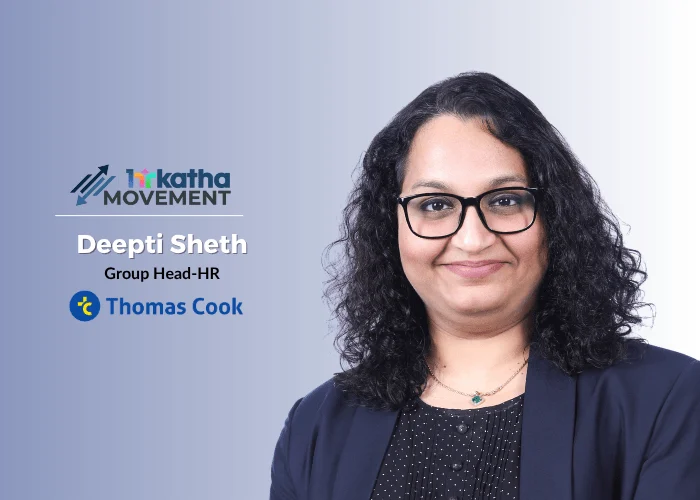
Mumbai, India – Thomas Cook (India) Limited, a prominent travel and related financial services company, has officially announced the elevation of Deepti Sheth to the pivotal role of President and Group Head – Human Resources. This strategic appointment underscores the company’s intensified commitment to cultivating robust leadership capabilities, fostering a future-ready workforce, and meticulously aligning its comprehensive people strategy with its ambitious long-term business growth objectives. The move is seen as a significant step in reinforcing the organizational backbone, ensuring that human capital remains at the forefront of the company’s strategic agenda as the travel industry continues its dynamic recovery and evolution.
A Decade of Dedicated Leadership: Deepti Sheth’s Journey within the Group
Ms. Sheth’s elevation is the culmination of a distinguished decade-long tenure within the Thomas Cook (India) Group, during which she has played an instrumental role in architecting and fortifying the company’s HR systems and embedding progressive people practices. Her contributions have been consistently aligned with the evolving and often complex needs of the business, particularly in a sector as volatile and people-intensive as travel and tourism. Prior to assuming her current group-wide responsibilities, Ms. Sheth served with distinction as Senior Vice President and Head-HR for SOTC Travel, a wholly-owned subsidiary of Thomas Cook (India) Limited. In this capacity, she was deeply involved in the intricate process of integrating HR functions seamlessly with core business priorities, a critical endeavor in ensuring that talent management directly supported operational excellence and strategic market positioning. Furthermore, her work at SOTC Travel was central to strengthening leadership pipelines, identifying and nurturing future leaders, and ensuring a continuous supply of skilled talent to meet organizational demands.
With a formidable career spanning over two decades in human resources, Ms. Sheth brings to her new role a wealth of expertise in critical HR domains. Her specializations include strategic talent management, which encompasses everything from recruitment and onboarding to performance management and succession planning; organizational development, focusing on improving the effectiveness of the organization through systematic, planned, and integrated approaches; and culture building, a vital aspect of creating an engaged, motivated, and productive workforce. Throughout her professional journey, Ms. Sheth has consistently demonstrated a keen focus on fostering agile teams capable of rapid adaptation to market shifts and technological advancements. Her initiatives have invariably aimed at enabling high-performance work environments, where employees are empowered, recognized, and given opportunities for continuous growth and development. Her exemplary contributions to the HR fraternity have not gone unnoticed, earning her several prestigious industry recognitions, including accolades at the World HRD Congress and various other leadership awards, cementing her reputation as a thought leader and an accomplished practitioner in the field of human resources.
The Expanded Mandate: Driving Innovation and Strategic Evolution in Human Resources
In her comprehensive new role as President and Group Head – Human Resources, Deepti Sheth will assume overarching responsibility for the entire HR function across the diverse entities that constitute the Thomas Cook (India) Group. Her mandate is multifaceted and strategically critical, designed to propel the organization forward in an era defined by rapid technological change, evolving workforce expectations, and intense competition for talent.
A primary pillar of her mandate will be to drive a sophisticated and forward-looking talent strategy. This involves not only attracting top-tier talent from across the industry but also implementing robust retention mechanisms, fostering skill development initiatives to address future business needs, and ensuring that the organization has a healthy talent pipeline at all levels. Given the dynamic nature of the travel sector, characterized by cyclical demands and emerging specialized roles (e.g., in digital travel, data analytics, sustainable tourism), an effective talent strategy is paramount to maintaining a competitive edge. This will likely involve advanced workforce planning, skills gap analysis, and the creation of bespoke learning and development programs.
Another crucial area of focus will be leadership development. In an organization as expansive and diverse as Thomas Cook (India), nurturing strong, visionary, and adaptable leaders is non-negotiable. Ms. Sheth will be tasked with designing and implementing programs that identify high-potential employees, equip them with the necessary competencies to navigate complex business challenges, and prepare them for future leadership roles. This includes executive coaching, mentorship programs, experiential learning initiatives, and fostering a culture of continuous learning among senior management.
Furthermore, Ms. Sheth will oversee the enhancement of the employee experience. This goes beyond traditional HR functions and delves into creating a holistic work environment that promotes engagement, well-being, and a sense of belonging. In today’s competitive talent landscape, employee experience is a key differentiator, influencing attraction, retention, and productivity. Her initiatives will likely encompass reviewing compensation and benefits structures, enhancing workplace culture, improving internal communications, and implementing employee recognition programs that celebrate achievements and foster a positive atmosphere.
Significantly, Ms. Sheth will also play a pivotal role in advancing diversity and inclusion (D&I) initiatives across the Group. In an increasingly globalized and interconnected world, D&I is not merely a moral imperative but a critical business driver, fostering innovation, enhancing problem-solving capabilities, and improving employee engagement and company reputation. Her efforts will focus on creating a workplace that celebrates differences, ensures equitable opportunities for all, and cultivates an inclusive culture where every employee feels valued and heard. This could involve setting diversity targets, implementing unconscious bias training, promoting equitable hiring practices, and establishing employee resource groups.
Finally, her mandate explicitly includes driving digital transformation efforts within the HR function. The modernization of HR processes through technology is essential for efficiency, accuracy, and providing a superior employee experience. This involves leveraging HR technology platforms (HRIS, ATS, LMS), implementing data analytics for informed decision-making, automating routine HR tasks, and exploring AI-driven solutions for talent acquisition and management. By embracing digital tools, the HR function can shift from administrative tasks to more strategic, value-added activities, becoming a true business partner.
Thomas Cook (India) Group: Navigating a Dynamic Landscape
The Thomas Cook (India) Group operates in a highly dynamic and increasingly competitive Indian travel and tourism market. While the UK parent entity famously collapsed in 2019, Thomas Cook (India) Limited has long been a separate, publicly listed company on Indian stock exchanges, maintaining its robust operations and expanding its diversified portfolio. The group’s extensive reach encompasses various facets of travel, including leisure travel, corporate travel, foreign exchange services, visa services, MICE (Meetings, Incentives, Conferences, and Exhibitions), as well as operating well-known brands such as SOTC Travel and Sterling Holidays. This broad spectrum of services necessitates a highly skilled and adaptable workforce across numerous specializations, from customer service and sales to technology and financial operations.
The post-pandemic era has presented both unprecedented challenges and significant opportunities for the Indian travel sector. While the industry experienced a severe downturn during the lockdowns, it has shown remarkable resilience and is now in a strong recovery phase. Domestic tourism has surged, and international travel is gradually rebounding. Industry reports project robust growth for the Indian travel and tourism sector in the coming years, driven by a growing middle class, increased disposable incomes, and a strong desire for experiential travel. In this environment, human capital becomes the most critical asset. The ability to attract, train, and retain talent capable of delivering exceptional customer experiences, innovating new products, and efficiently managing complex operations is paramount for capitalizing on market opportunities and sustaining growth. A strategic investment in HR leadership, as exemplified by Ms. Sheth’s elevation, directly supports these overarching business objectives, ensuring that the organization is well-equipped with the right talent at the right time.
The Evolving Role of HR in the Modern Enterprise
Ms. Sheth’s appointment comes at a time when the role of Human Resources globally is undergoing a profound transformation. Traditionally viewed as a purely administrative or support function, HR has increasingly evolved into a strategic business partner, directly influencing organizational performance, innovation, and competitive advantage. Modern HR leaders are expected to be architects of culture, champions of talent, and drivers of organizational agility.
Several key HR trends underscore this shift:
- Talent Scarcity and the War for Talent: With specialized skills in high demand across industries, companies are fiercely competing for top talent. Strategic HR is crucial for developing compelling employer value propositions, optimizing recruitment processes, and fostering environments that encourage retention.
- The Rise of Hybrid Work Models: The pandemic accelerated the adoption of remote and hybrid work, necessitating new HR policies, technologies, and leadership approaches to manage distributed teams, maintain engagement, and ensure productivity.
- Employee Well-being and Mental Health: There is a growing recognition that employee well-being is intrinsically linked to productivity and retention. HR is now at the forefront of developing holistic wellness programs that address physical, mental, and emotional health.
- Data-Driven HR: Leveraging HR analytics and data to inform decision-making – from talent acquisition to succession planning and employee engagement – is becoming standard practice. This allows HR to demonstrate its impact with tangible metrics.
- Diversity, Equity, and Inclusion (DEI) as a Business Imperative: Beyond compliance, organizations are realizing that diverse teams are more innovative, make better decisions, and are more representative of their customer base. HR plays a central role in embedding DEI into every aspect of the employee lifecycle.
Deepti Sheth’s expanded mandate directly aligns with these global and national HR trends. Her focus on talent strategy, leadership development, employee experience, D&I, and digital transformation within HR positions Thomas Cook (India) to proactively address these evolving challenges and opportunities, ensuring its workforce is resilient, innovative, and engaged. In a services-heavy industry like travel, where the quality of human interaction often defines the customer experience, investing in robust HR leadership is not just a strategic choice but a fundamental necessity for long-term success.
Leadership Perspectives: Reinforcing Commitment to People Strategy
The appointment of Deepti Sheth to such a senior group-level position reflects a clear and unambiguous commitment from the top leadership of Thomas Cook (India) Limited to prioritize human capital as a core strategic asset. While the original article includes Ms. Sheth’s own statement, it is logical to infer that senior leaders within the Thomas Cook (India) Group would also express their confidence and underscore the significance of this move.
Mr. Madhavan Menon, Chairman & Managing Director, Thomas Cook (India) Group, would likely acknowledge Ms. Sheth’s exceptional contributions over the past decade. He might state, "Deepti’s elevation to President and Group Head – Human Resources is a testament to her profound understanding of our business, her unwavering commitment to our people, and her exceptional leadership in building a robust human capital framework. Her strategic vision for talent, leadership development, and employee experience is perfectly aligned with our growth aspirations and our commitment to fostering a vibrant, inclusive, and high-performance culture across the Group."
Similarly, Mr. Mahesh Iyer, Chief Executive Officer, Thomas Cook (India) Limited, could emphasize the operational and strategic importance of the HR function. He might comment, "In today’s dynamic business environment, particularly in the rapidly evolving travel sector, our people are our greatest strength. Deepti’s proven track record in integrating HR with business priorities and her forward-thinking approach to talent management will be invaluable as we continue to innovate and expand. This appointment underscores our strategic focus on creating a truly differentiated employee experience and building future-ready teams that will drive sustained success for the Thomas Cook India Group."
Deepti Sheth, in her own statement, articulated her vision with enthusiasm: "I am honoured to take on this role at an exciting phase for the Thomas Cook India Group. As we scale, our focus will be on building dynamic, future-ready teams, strengthening leadership capability and creating a differentiated employee experience that supports sustained growth." Her words resonate with the strategic imperative to not only grow the business but to do so on the foundation of a strong, skilled, and engaged workforce. This indicates a clear understanding of the interconnectedness between human resources strategy and overall corporate performance.
Implications for Thomas Cook (India) and the Broader Industry
The elevation of Deepti Sheth carries significant implications for Thomas Cook (India) Limited and potentially sets a benchmark for the broader Indian travel and tourism industry.
For Thomas Cook (India) Limited:
- Enhanced Talent Attraction and Retention: A more strategic and digitally enabled HR function, led by an experienced professional like Ms. Sheth, is likely to improve the company’s ability to attract top talent and significantly reduce attrition rates, which is a common challenge in the services sector.
- Stronger Leadership Pipeline: Dedicated focus on leadership development will ensure a continuous supply of capable leaders, mitigating risks associated with succession planning and enabling smoother transitions at all levels.
- Improved Employee Engagement and Productivity: A differentiated employee experience, coupled with a focus on well-being and D&I, will foster a more engaged and motivated workforce, directly impacting productivity, customer service quality, and innovation.
- Greater Organizational Agility: By building agile teams and embedding digital transformation in HR, the company will be better positioned to adapt quickly to market changes, technological advancements, and evolving customer demands.
- Cultural Transformation: Ms. Sheth’s emphasis on culture building and D&I will likely lead to a more inclusive, diverse, and innovative workplace, which is crucial for long-term growth and reputation.
- Direct Impact on Business Performance: While HR’s impact is often indirect, a well-executed people strategy directly translates into operational efficiency, customer satisfaction, and ultimately, financial performance. By optimizing human capital, the company can expect improved outcomes across its diverse business segments.
For the Broader Indian Travel and Tourism Industry:
- Setting a Benchmark for Strategic HR: Thomas Cook (India)’s move highlights the critical importance of a strategic HR function in the travel sector. This could encourage other players in the industry to invest more heavily in their HR capabilities and leadership.
- Focus on Talent in Recovery: As the industry recovers and expands, the emphasis on talent management and development will become a key differentiator. Thomas Cook (India)’s proactive approach might inspire similar initiatives across the sector to address skill gaps and attract a new generation of talent.
- Advancement of D&I and Digital HR: The explicit mention of D&I and digital transformation in HR by a major player like Thomas Cook (India) could accelerate the adoption of these progressive practices across the industry, contributing to a more modern and equitable workforce landscape.
Outlook: Building a Future-Ready Workforce for Sustained Growth
Deepti Sheth’s appointment as President and Group Head – Human Resources signifies a forward-looking strategic decision by Thomas Cook (India) Limited. It reflects a deep understanding that in an increasingly knowledge-driven and service-oriented economy, human capital is not merely a cost center but a core driver of innovation, resilience, and sustained competitive advantage. By placing a seasoned and visionary HR leader at the helm of its people strategy, the company is positioning itself to not only navigate the complexities of the modern business landscape but to thrive within it. The focus on building dynamic, future-ready teams, strengthening leadership capabilities, and crafting a truly differentiated employee experience lays a robust foundation for Thomas Cook (India) Group’s continued growth and success in the vibrant Indian travel and tourism market. This strategic investment in its human resources will undoubtedly play a crucial role in shaping the company’s trajectory for years to come, ensuring it remains at the forefront of the industry.








