

WASHINGTON D.C. – The Department of Labor (DOL) unveiled a significant proposed rule on Wednesday, July 22, 2026, designed to fundamentally reshape how ERISA-regulated group health plans deliver mandatory notices to their millions of members. Heralded by a DOL official as a "big step forward," the initiative aims to streamline communication, reduce administrative burdens, and usher in a new era of digital convenience for beneficiaries, while simultaneously projecting substantial cost savings for the healthcare industry. This move marks a crucial update to regulations that have remained largely unchanged since 2002, failing to keep pace with the dramatic technological advancements and evolving work environments of the 21st century.
A Digital Leap for Healthcare Communications
The core of the DOL’s proposal is to make it considerably easier for group health plans, which fall under the purview of the Employee Retirement Income Security Act (ERISA), to utilize electronic media for distributing vital information. Currently, the landscape for electronic delivery is restrictive, largely limited to individuals deemed "wired at work"—those with employer-provided computer and email access—or those who have proactively provided affirmative consent to receive digital communications. This outdated framework has inadvertently excluded a vast segment of the American workforce, particularly those in non-office settings, from benefiting from the efficiencies and conveniences of digital notices.
The proposed rule seeks to rectify this by establishing a new "safe harbor" provision. This critical addition would allow group health plans to employ modern electronic channels, such as email and secure web portals, to send disclosures to a much broader array of members. This change is poised to extend the benefits of e-delivery to millions of working Americans who, despite being digitally connected in their personal lives, have been unable to receive plan notices electronically due to their employment circumstances. A DOL official, speaking on the proposal, underscored its multifaceted advantages, declaring it "a win for participants and beneficiaries, a win for employers, a win for efficiency."
The Economic and Environmental Dividends
Beyond the significant gains in convenience and administrative simplification, the DOL estimates that the proposed rule could unlock substantial financial benefits for the healthcare ecosystem. Over the next decade, the department projects that the shift to electronic delivery could save insurers a remarkable $3.9 billion. These savings are primarily attributed to the drastic reduction in the costs associated with printing, mailing, and physically distributing paper disclosures to plan members.
The sheer volume of paper currently consumed by the existing system is staggering. Regulators indicate that group health plans print and mail an estimated 11 billion sheets of paper each year. To put this into perspective, 11 billion sheets of paper is equivalent to roughly 1.1 million trees annually, assuming 10,000 sheets per tree. The environmental footprint of this paper consumption, including the energy used in printing, transportation, and waste management, is considerable. The proposed rule, therefore, carries a significant, albeit indirect, environmental benefit by dramatically reducing paper waste and the associated carbon emissions. The financial savings, which could potentially translate into more stable premiums, enhanced benefits, or reduced administrative fees, represent a tangible economic uplift for the industry and, indirectly, for consumers.
Addressing the Lag: ERISA Modernization and Digital Inclusion
The Employee Retirement Income Security Act, a cornerstone federal law governing employee health and retirement benefits, has seen its electronic delivery rules remain largely stagnant since their last update in 2002. This nearly quarter-century gap highlights a critical disconnect between regulatory frameworks and the rapid evolution of digital technology. In 2002, internet penetration was significantly lower, smartphones were non-existent, and email was far from the ubiquitous communication tool it is today. The "wired at work" paradigm, while perhaps relevant then, is now a relic in an era where most adults carry powerful computing devices in their pockets and conduct much of their lives online.

The DOL’s current initiative for health plans is not without precedent. In 2020, the department took a similar progressive step by modernizing electronic delivery rules for retirement plans. That successful overhaul demonstrated the feasibility and benefits of updating regulations to align with contemporary digital practices. This experience likely provided valuable insights and confidence for the current proposal, underscoring a broader strategic push by the DOL to ensure that plan notice requirements across all employee benefits are current, efficient, and accessible.
By creating a safe harbor for a wider range of electronic media, the DOL is actively working to bridge the "digital divide" that the outdated 2002 rules inadvertently perpetuated for certain segments of the workforce. While the department does not yet have firm estimates on the exact number of working Americans who will newly benefit from e-delivery under the proposed rule, its potential reach is immense. The regulation is slated to apply to over 134 million participants across 2.7 million ERISA-covered plans nationwide, signifying a monumental shift in how health benefit information is disseminated and accessed.
Broader Implications for the Healthcare Ecosystem
This regulatory update by the DOL is not an isolated event but rather a crucial piece of a larger, ongoing transformation within the U.S. healthcare industry. Across multiple administrations, federal regulators have consistently championed the move towards greater electronic interchange of health information, recognizing that Americans increasingly live, play, and work online.
One notable recent example of this broader push occurred last summer, when the second Trump administration launched a "health tech ecosystem." This ambitious initiative brought together hundreds of companies with the goal of adopting federal standards for data exchange and expanding patient access to medical data through user-friendly applications. This push for interoperability and digital access extends beyond regulatory mandates; insurers themselves have been actively working to enhance consumers’ electronic and app-based data access. Companies like CVS, for instance, have launched comprehensive health engagement platforms designed to empower consumers to review claims, locate in-network providers, access digital insurance cards, and chat with member support—all online or via mobile apps.

These efforts are driven by a dual imperative: improving operational efficiency and addressing souring public sentiment. The healthcare industry has long grappled with consumer dissatisfaction stemming from barriers to care access, the escalating costs of services, and often disjointed, confusing processes that hinder members’ ability to understand and effectively utilize their health plans. By making information more accessible, transparent, and user-friendly through digital channels, plans hope to foster greater engagement, satisfaction, and ultimately, better health outcomes.
Ensuring Accessibility and Security
While the proposed rule strongly encourages electronic delivery, it is critical to note that it preserves the option for beneficiaries to request physical disclosures if they prefer. This opt-out mechanism is crucial for ensuring that individuals who may lack consistent internet access, prefer paper documents, or have specific accessibility needs are not disadvantaged by the digital shift. The DOL’s emphasis on this choice underscores a commitment to inclusive communication, acknowledging that a one-size-fits-all approach is not appropriate for such critical health information.
The security of electronic communications is another paramount concern. As plans transition to digital delivery, robust cybersecurity measures will be essential to protect sensitive personal health information (PHI) from breaches and unauthorized access. The new safe harbor provisions will likely necessitate clear guidelines for secure email practices, encrypted web portals, and authentication protocols to safeguard member data. This emphasis on security aligns with broader federal mandates like HIPAA, which governs the privacy and security of health information.
Chronology of Digital Transformation in Benefits Communication

- 2002: The last significant update to electronic delivery rules under ERISA, establishing the restrictive "wired at work" standard.
- 2020: The Department of Labor modernizes electronic delivery rules for retirement plans, setting a precedent for similar updates in health benefits.
- Summer 2025: The second Trump administration launches a "health tech ecosystem" to promote federal standards for data exchange and patient access to medical data via apps.
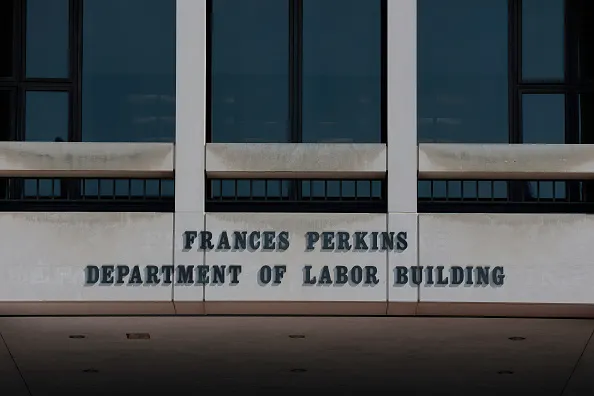
- August 4, 2025: (Date of image related to the article) The Frances Perkins Department of Labor Building in Washington, D.C., where the proposed rule was likely developed.
- Wednesday, July 22, 2026: The Department of Labor officially pitches the proposed rule to modernize electronic delivery for group health plans.
- July 23, 2026: News of the proposed rule is widely published, signaling the beginning of a public comment period.
- Future (Post-2026): Following a public comment period, review of feedback, and potential revisions, the DOL is expected to finalize and implement the new rule, leading to a phased transition for group health plans.
Looking Ahead: The Public Comment Period and Implementation
As with all proposed federal regulations, the DOL’s rule will now enter a public comment period. During this crucial phase, interested parties—including health insurers, plan administrators, employers, employee advocacy groups, technology providers, and individual beneficiaries—will have the opportunity to submit their feedback, concerns, and suggestions. This input is vital for the DOL to refine the rule, address any unforeseen challenges, and ensure its effective and equitable implementation.
Following the close of the comment period, the DOL will review all submissions and may make adjustments to the proposed rule before issuing a final regulation. Once finalized, group health plans will then embark on the process of updating their systems and communication protocols to comply with the new standards. This will involve investments in secure digital platforms, clear communication strategies to inform members of the changes, and robust mechanisms for managing opt-out requests for paper disclosures.
The Department of Labor’s proposed rule represents a pivotal moment in the modernization of health benefit administration. By embracing digital communication, it promises to deliver significant financial savings, reduce environmental impact, and enhance the convenience and security of information access for millions of Americans. As the healthcare industry continues its inexorable march towards a more interconnected and digitally-driven future, this regulatory update is a welcome and necessary step forward.






