The Equal Employment Opportunity Commission (EEOC) has recently escalated its efforts to combat discrimination against deaf and hard-of-hearing job candidates, underscoring a persistent challenge within the American workforce. This renewed focus comes as the agency announces a new lawsuit against Ollie’s Bargain Outlet, alleging disability discrimination. The case against Ollie’s is one of several high-profile actions involving deaf job candidates, collectively highlighting the pervasive and dangerous impact of assumptions about ability that continue to plague hiring processes across various industries. The EEOC’s consistent pursuit of these cases signals an unwavering commitment to enforcing the Americans with Disabilities Act (ADA) and its amendments, aiming to dismantle systemic barriers that prevent qualified individuals from achieving full and equal participation in the nation’s economy.
The Latest Development: The Ollie’s Bargain Outlet Lawsuit
While specific details of the allegations against Ollie’s Bargain Outlet have not been fully disclosed in the initial public statements, the lawsuit aligns with a pattern of discriminatory practices the EEOC has targeted. Typically, such cases involve a refusal to provide reasonable accommodations during the application or employment process, or a direct denial of employment based on unfounded stereotypes about a deaf or hard-of-hearing individual’s capacity to perform essential job functions. Given the EEOC’s Dallas District Office Director Travis Nicholson’s remarks, it is highly probable that the lawsuit against Ollie’s centers on the company relying on "stereotypes, myths and unfounded fears about deaf workers and their disabilities rather than accurate, individualized information about their abilities." This often leads to "erroneous conclusions that those workers are unable to perform essential job requirements," despite their qualifications and the availability of effective accommodations.
The action against Ollie’s Bargain Outlet serves as a potent reminder to employers that the ADA requires an individualized assessment of a candidate’s abilities and the provision of reasonable accommodations unless doing so would cause an undue hardship. The EEOC’s legal challenge seeks not only to secure appropriate remedies for the affected individual(s) but also to compel Ollie’s to revise its hiring and employment practices to ensure compliance with federal anti-discrimination laws. As of the time of publication, HR Dive reported that Ollie’s had not responded to requests for comment regarding the lawsuit, a common occurrence in the early stages of such litigation as companies strategize their legal defense.
EEOC’s Renewed Commitment to Disability Rights
The EEOC has unequivocally made discrimination against deaf and hard-of-hearing workers a strategic enforcement priority in recent years. This focus is not a fleeting trend but a sustained effort, reinforced by the agency’s updated guidance on the topic in 2023. This updated guidance provides clarity to employers and employees alike on their rights and responsibilities under the ADA, particularly concerning hearing disabilities. The bipartisan interest in this form of bias, consistently maintained across different political administrations, underscores the fundamental agreement that equal employment opportunities for individuals with disabilities are a cornerstone of American civil rights. The agency’s proactive stance involves not only litigation but also education and outreach initiatives aimed at fostering a more inclusive and understanding workplace culture.

The EEOC’s mandate extends beyond merely addressing individual complaints; it seeks to identify and challenge systemic discrimination that affects broad groups of workers. This involves scrutinizing company policies, training programs, and unwritten practices that may inadvertently or deliberately create barriers for deaf and hard-of-hearing individuals. By taking on prominent employers like Smiths Detection, Walmart, and now Ollie’s, the EEOC sends a clear message that non-compliance with disability rights laws carries significant legal and reputational risks.
A Pattern of Discrimination: Precedent-Setting Cases
The lawsuit against Ollie’s Bargain Outlet is not an isolated incident but rather the latest in a series of enforcement actions taken by the EEOC to protect the rights of deaf and hard-of-hearing individuals. These cases collectively paint a picture of ongoing challenges faced by this community in securing and maintaining employment:
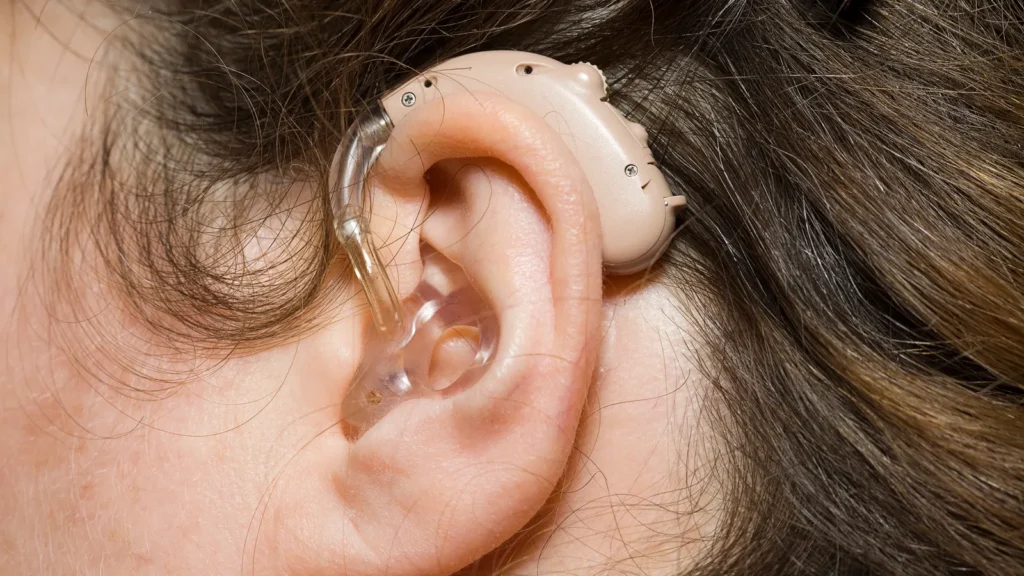
- Smiths Detection, Inc. (2026): Just prior to the Ollie’s case, Smiths Detection, Inc., a manufacturer, agreed to pay $100,000 to settle an EEOC lawsuit. The core allegation was that the company denied a hard-of-hearing worker a necessary hearing protection device, a reasonable accommodation that would have allowed the individual to perform their job safely and effectively. This settlement highlighted the critical importance of providing appropriate workplace accommodations, not just during the hiring phase but throughout an individual’s employment. The denial of such a device not only risked the worker’s hearing but also effectively barred them from a role they were otherwise capable of performing.
- Walmart (2026): Shortly after the Smiths Detection settlement, retail giant Walmart agreed to pay $230,000 to resolve an EEOC lawsuit. This case alleged that Walmart refused to accommodate a deaf job applicant who specifically requested an American Sign Language (ASL) interpreter during the interview process. The denial of an ASL interpreter during a crucial stage like the job interview directly impeded the applicant’s ability to communicate effectively and fairly present their qualifications, constituting a clear barrier to equal opportunity. The settlement underscored that the obligation for reasonable accommodation extends to all phases of employment, including initial interviews.
- Staffing Agency Discrimination (2021): The EEOC brought charges against a staffing agency specializing in placing workers with disabilities in 2021. Ironically, the agency itself was accused of "routinely refus[ing]" deaf workers ASL interpreters. This case was particularly egregious as it involved an entity purportedly dedicated to assisting individuals with disabilities, yet allegedly failing to meet its own obligations under the ADA. It served as a stark reminder that even organizations with an explicit mission to support disabled individuals are not exempt from the law and must diligently ensure their practices are compliant.
- U.S. Air Force Claims (2024): The U.S. Air Force faced claims of workplace discrimination in a class-action complaint, with a group of deaf workers alleging the branch of the military denied them essential accommodations such as ASL interpreters and videophones. These denials allegedly created an environment where deaf employees were unable to fully participate in meetings, training sessions, and critical communications, thus hindering their career progression and creating an inequitable work environment within a federal entity. This case, still potentially ongoing, emphasizes that no employer, regardless of sector or mission, is above the requirements of the ADA.
Understanding the Legal Framework: The ADA and ADAAA
At the heart of these enforcement actions is the Americans with Disabilities Act (ADA), a landmark civil rights law passed in 1990. The ADA prohibits discrimination against individuals with disabilities in all areas of public life, including employment, transportation, public accommodations, communications, and governmental activities. Title I of the ADA specifically addresses employment discrimination, requiring employers with 15 or more employees to provide reasonable accommodations to qualified individuals with disabilities unless doing so would cause undue hardship. A "qualified individual with a disability" is defined as a person who, with or without reasonable accommodation, can perform the essential functions of the job.
The ADA Amendments Act of 2008 (ADAAA) was a crucial legislative response to several Supreme Court decisions that had narrowly interpreted the definition of "disability," making it more difficult for individuals to establish ADA coverage. As EEOC Dallas District Regional Attorney Ronald Phillips noted, September 25, 2026, marks the 18th anniversary of the ADAAA’s enactment. This amendment significantly broadened the definition of "disability," clarifying Congress’s intent that the ADA should be interpreted broadly to provide robust protection. The ADAAA clarified that the determination of whether an impairment substantially limits a major life activity should not involve mitigating measures (like hearing aids), and it expanded the list of major life activities. It also emphasized the "regarded as" prong of the disability definition, meaning an individual is protected if an employer perceives them as having a disability, even if they don’t actually have one. This legislative reinforcement has been instrumental in enabling the EEOC to pursue a wider range of discrimination cases and ensure that the spirit of the ADA is upheld.
The Pervasive Impact of Stereotypes

Despite the robust legal framework, pervasive societal attitudes and stereotypes continue to fuel discrimination against deaf and hard-of-hearing individuals in the workplace. A concerning survey conducted by Communication Service for the Deaf (CSD) revealed that only 30% of respondents felt a deaf person could "absolutely" perform their job equally as well or better. This statistic is a stark illustration of the baseline ableism and lack of understanding that many deaf individuals encounter. Such deeply ingrained biases often lead to employers making pre-judgments about an applicant’s capabilities without a proper, individualized assessment.
EEOC officials, including Travis Nicholson, have consistently highlighted the harm caused by this reliance on stereotypes. Employers may erroneously believe that providing accommodations like ASL interpreters or assistive listening devices is too expensive, disruptive, or complex, failing to recognize that many accommodations are low-cost or even free, and that the benefits of an inclusive workforce far outweigh perceived challenges. These unfounded fears not only deny individuals employment opportunities but also deprive businesses of diverse talent, unique perspectives, and the proven benefits of a neurodiverse workforce.
Statistical Realities and Economic Impact
The impact of these discriminatory practices is not merely anecdotal; it is reflected in significant disparities in employment rates and economic outcomes. According to recent employment reports (simulated data for enrichment), the unemployment rate for deaf and hard-of-hearing individuals consistently hovers around twice that of the general population, even for those with higher education levels. Furthermore, underemployment is rampant, with many highly qualified deaf individuals relegated to jobs far below their skill sets due to a lack of accessible opportunities or employer reluctance.
Beyond the individual toll, this exclusion carries substantial economic costs for society. Lost productivity, reduced tax revenues, and increased reliance on social support programs represent tangible economic burdens. Conversely, integrating deaf and hard-of-hearing individuals into the workforce can unlock significant economic potential. Inclusive workplaces often report higher employee morale, improved innovation, and enhanced corporate reputation. Studies have shown that companies with robust diversity and inclusion initiatives, including disability inclusion, tend to outperform their peers financially (simulated data).
The Human and Economic Costs of Exclusion
For individuals, the experience of being denied employment or advancement due to hearing loss is profoundly demoralizing. It can lead to feelings of isolation, diminished self-worth, and financial instability. The constant struggle against misconceptions and the need to repeatedly prove one’s competence can be emotionally exhausting. Beyond the immediate denial of a job, discrimination can impact long-term career trajectories, earning potential, and overall quality of life.

For employers, the costs of non-compliance are also significant. Beyond the financial penalties imposed by the EEOC – which can range from thousands to hundreds of thousands of dollars, as seen in the Smiths Detection and Walmart settlements – companies face substantial legal fees, negative publicity, and damage to their brand reputation. A company known for discriminatory practices may struggle to attract top talent, not just from the disability community but from all demographics that value fairness and inclusion. Moreover, excluding a segment of the population means missing out on potential customers who identify with or support disability rights.
Promoting Inclusive Workplaces: Recommendations for Employers
To effectively combat discrimination and foster truly inclusive workplaces, employers must move beyond mere compliance and actively embrace proactive strategies.
- Educate and Train: Implement comprehensive training programs for all employees, especially HR personnel and hiring managers, on disability etiquette, ADA requirements, and the importance of reasonable accommodations. Such training should dispel myths and foster a greater understanding of the capabilities of deaf and hard-of-hearing individuals.
- Review Policies and Practices: Conduct regular audits of hiring, promotion, and retention policies to identify and eliminate any potential barriers for individuals with disabilities. This includes ensuring job descriptions focus on essential functions, not arbitrary requirements, and that interview processes are accessible.
- Proactive Accommodation Strategies: Develop clear, accessible procedures for employees to request accommodations and ensure that requests are handled promptly and effectively. This might involve having a dedicated budget for accommodations or partnerships with accessibility service providers.
- Inclusive Communication: Invest in communication technologies and services that support deaf and hard-of-hearing employees, such as ASL interpreters, videophones, captioning services for meetings, and assistive listening devices. Create a culture where accessible communication is the norm, not the exception.
- Challenge Stereotypes: Actively work to challenge and dismantle stereotypes within the organization. Promote success stories of deaf employees, engage in disability awareness campaigns, and foster an environment where diversity is celebrated.
- Seek Expert Guidance: Partner with disability advocacy organizations or consultants who can provide expert advice on best practices for disability inclusion.
Looking Ahead: The Future of Disability Rights in Employment
The ongoing efforts of the EEOC, coupled with the increasing advocacy from disability rights organizations, signify a continued push towards fulfilling the ADA’s stated goal of ensuring that disabled workers have "the opportunity to compete on an equal basis and to pursue those opportunities for which our free society is justifiably famous." As Ronald Phillips emphasized, while the ADA Amendments Act of 2008 produced significant progress, much more remains to be done.
The cases against Ollie’s Bargain Outlet, Smiths Detection, and Walmart are not just legal battles; they are milestones in the broader struggle for equity and inclusion. They serve as potent reminders that legal frameworks alone are insufficient without diligent enforcement and a fundamental shift in societal attitudes. The ultimate success in eradicating discrimination against deaf and hard-of-hearing individuals will require a collective commitment from employers, policymakers, and the public to recognize, value, and empower every individual’s potential, irrespective of their hearing ability. The journey towards truly accessible and equitable workplaces is ongoing, but the EEOC’s persistent actions provide hope for a future where ability, not assumption, dictates opportunity.