On September 21, 2026, World Gratitude Day presents a crucial opportunity for organizations worldwide to reassess and reinforce a fundamental truth often overlooked in the fast-paced corporate environment: human performance thrives when individuals feel genuinely valued. This annual observance arrives at a particularly pertinent moment, coinciding with alarming trends in global employee engagement. According to the 2026 Engagement and Retention Report, a comprehensive study surveying 2,500 employees across various global sectors, a concerningly low 25% of the workforce reports feeling engaged in their work. This statistic underscores a pervasive challenge that appreciation and gratitude are uniquely positioned to address, transforming not just individual well-being but also organizational effectiveness and bottom-line results.
Gratitude, when integrated intentionally and consistently into an organizational culture, acts as a powerful catalyst. Employees who experience regular recognition are demonstrably more connected to their teams and the company’s mission, exhibiting higher levels of commitment and a greater propensity to invest their full energy and capabilities into their daily tasks. However, cultivating a culture of gratitude is not an automatic process. It demands sustained effort, deliberate strategic planning, and consistent follow-through from leadership at all levels to permeate the fabric of an organization.
Understanding World Gratitude Day
World Gratitude Day serves as a global touchstone, prompting individuals, teams, and entire communities to pause and acknowledge the people, experiences, and contributions that enrich their lives and, critically, enhance their professional environments. At its essence, the day encourages a conscious shift towards recognizing what (and who) merits thanks, fostering a more positive and supportive atmosphere.
Unlike many holidays that may fluctuate in observance, World Gratitude Day is firmly established on September 21 each year. In 2026, this date falls on a Monday, providing an ideal start to the work week for initiating or reinforcing gratitude practices. This consistent annual timing is designed to create a predictable global moment for collective reflection and appreciation, solidifying its place in the calendar as a reminder to honor the people and positive experiences that shape our professional and personal journeys.
While World Gratitude Day does not typically carry a specific, overarching theme, its intrinsic purpose encourages a universal mindset: to identify and acknowledge successes, recognize the individuals driving positive change, and, in doing so, bolster resilience and strengthen interpersonal and organizational connections. The absence of a prescriptive theme allows for broad interpretation and personalized approaches, emphasizing that the day is less about a formal directive and more about embedding a human-centric perspective into the workplace ethos.
The Genesis of a Global Tradition

The concept of a dedicated World Gratitude Day emerged from a profound and inspiring gathering in 1965. During a Thanksgiving dinner hosted at the United Nations building in Hawaii, the renowned spiritual leader and peace advocate, Sri Chinmoy, who was instrumental in the Peace Meditations at the United Nations, proposed the radical yet simple idea of establishing a global day specifically devoted to gratitude. Chinmoy’s vision was rooted in the belief that fostering a sense of appreciation across cultures could contribute significantly to global harmony and understanding. The proposal resonated deeply with attendees, leading to the first official celebration of World Gratitude Day on September 21, 1966. This historical context underscores the day’s foundational link to international cooperation and the universal pursuit of peace and positive human connection.
The Imperative of Appreciation in the Modern Workplace
In the contemporary business landscape, World Gratitude Day holds particular importance as it provides organizations with a distinct, actionable moment to address a deeply felt employee need: genuine appreciation. Beyond mere courtesy, sincere recognition is a critical driver of engagement and retention, directly impacting the alarming gaps highlighted by reports like the 2026 Engagement and Retention Report.
The 25% engagement figure is not merely a data point; it represents a significant portion of the global workforce that is disconnected, potentially less productive, and at higher risk of turnover. For context, reputable institutions like Gallup have consistently reported global employee engagement figures hovering around 30-35% in recent years. A drop to 25% by 2026 would signal a deepening crisis, indicating that a vast majority of employees are merely "showing up" rather than actively contributing their best. The cost of this disengagement is substantial, manifesting in reduced innovation, lower quality work, increased absenteeism, and considerable expenses associated with employee turnover and retraining.
This is precisely why World Gratitude Day matters:
- Directly Addresses Engagement Deficits: It offers a structured opportunity to inject positivity and acknowledgment into the workplace, directly counteracting feelings of being undervalued or overlooked.
- Boosts Morale and Well-being: Feeling appreciated is intrinsically linked to psychological well-being, reducing stress, fostering a sense of belonging, and improving overall job satisfaction.
- Enhances Retention: Employees are significantly more likely to remain with organizations where their contributions are recognized and celebrated. High turnover rates are costly, both financially and in terms of lost institutional knowledge and team cohesion.
- Strengthens Organizational Culture: Consistent gratitude cultivates a positive, supportive culture where collaboration thrives, and individuals feel safe to innovate and take risks.
- Improves Performance and Productivity: Recognized employees are often more motivated, leading to higher quality work, increased output, and greater efficiency.
- Reinforces Company Values: By celebrating specific acts of gratitude, organizations can visibly reinforce the values they wish to embody, translating abstract principles into tangible behaviors.
According to HR analysts and organizational psychologists, the "silent crisis" of disengagement is not just an HR problem but a strategic business challenge. "In an increasingly competitive talent market, organizations cannot afford to have 75% of their workforce disengaged," states a hypothetical organizational psychologist. "World Gratitude Day serves as a vital reminder that human connection and recognition are not ‘soft skills’ but fundamental pillars of a high-performing, resilient enterprise." Industry experts widely agree that a lack of recognition is a primary driver of employee dissatisfaction and turnover, making gratitude initiatives a strategic imperative rather than a mere feel-good exercise.
Strategies for Meaningful Workplace Celebrations
Leveraging World Gratitude Day effectively requires thoughtful planning and diverse approaches that cater to varied work environments and employee preferences. Here are enriched examples of ways organizations can celebrate:
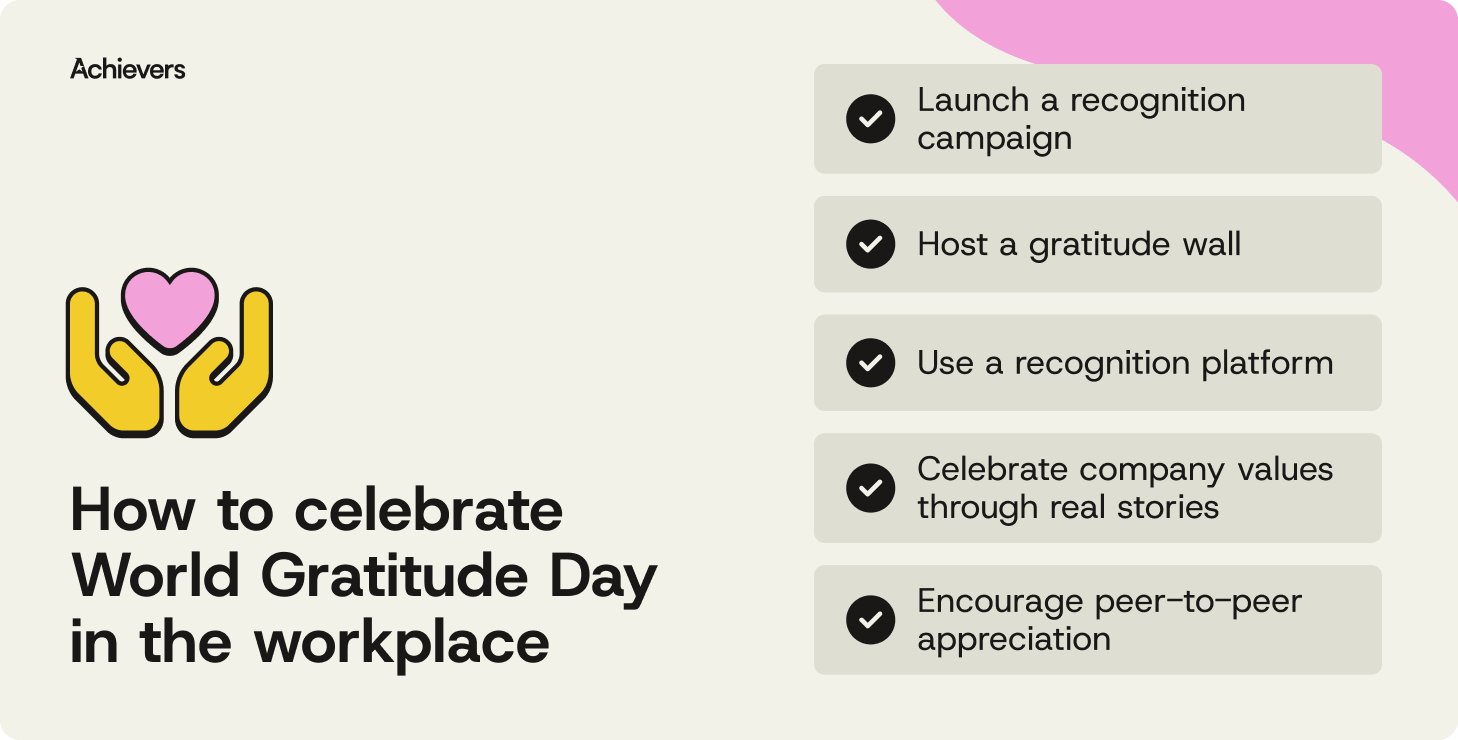
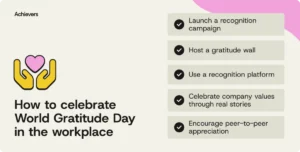
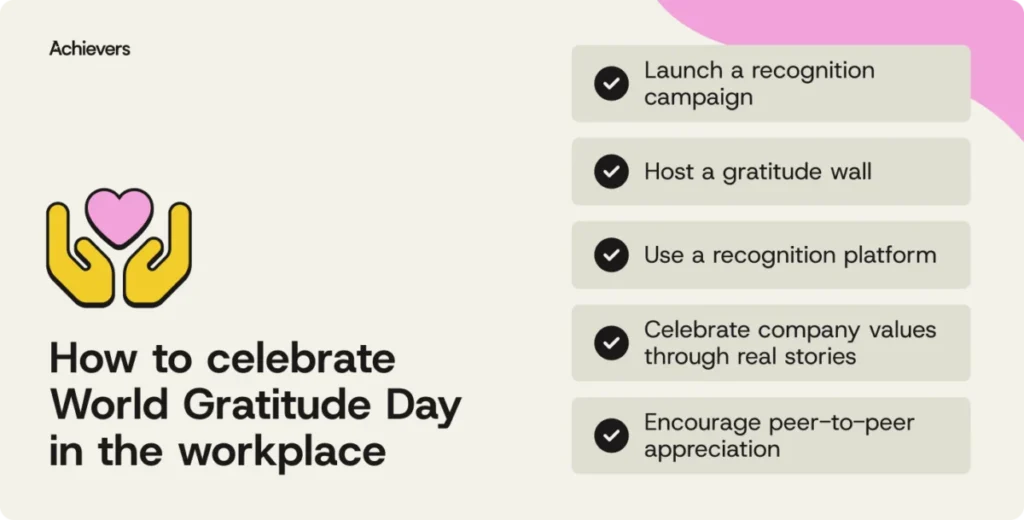
- Launch a Targeted Recognition Campaign: Beyond a simple call for thanks, design a high-visibility campaign with specific themes aligned with company values (e.g., "Celebrating Collaboration," "Innovation Heroes," "Customer Service Champions"). Utilize digital recognition platforms to make participation seamless, offering automated prompts and ready-made templates to guide employees in crafting meaningful peer-to-peer recognition messages. Promote the campaign through internal communications, leadership endorsements, and regular updates on participation rates to maintain momentum and visibility. The easier and more accessible the recognition process, the greater the likelihood of widespread adoption and sustained engagement.
- Host a Dynamic Digital or Physical Gratitude Wall: Create a vibrant, shared space where employees can publicly express appreciation for their colleagues. For remote and hybrid teams, a dedicated channel on internal communication platforms (like Slack, Teams, or a specialized recognition platform) or a digital bulletin board allows for social-style posts, complete with photos, emojis, and brief anecdotes. In physical offices, a prominent gratitude board or display can serve as a central hub for handwritten notes or printed acknowledgments. The key is to make it mobile-friendly and accessible to everyone, ensuring all employees, regardless of location, have an equal opportunity to participate and witness the collective appreciation.
- Celebrate Company Values Through Compelling Stories: Move beyond generic "good job" messages by actively seeking out and spotlighting specific instances where employees exemplify core company values. For example, if "collaboration" is a value, share a story of two teams successfully overcoming a challenge together, highlighting individual contributions. These narratives, shared through internal newsletters, company-wide meetings, or video testimonials, not only make individuals feel deeply seen and valued but also provide tangible examples of desired behaviors, subtly reinforcing the cultural norms that drive performance and positive engagement.
- Empower Managers with Comprehensive Gratitude Toolkits: Managers are the frontline of employee experience, and their ability to recognize effectively is paramount. Equip them with practical resources such as:
- Recognition Prompts: Specific scenarios or questions to guide their appreciation messages.
- Customizable Templates: For different types of recognition (e.g., project completion, consistent effort, mentorship).
- Training Modules: On the psychology of recognition, effective delivery, and avoiding common pitfalls.
- Small Nudges/Reminders: Automated alerts or suggestions to recognize team members periodically.
- Real-time Insights: Data from recognition platforms showing who has been recognized, by whom, and for what, allowing managers to identify recognition gaps and ensure equitable distribution.
The Achievers State of Recognition Report consistently demonstrates the profound impact of manager-led recognition: employees recognized by their managers are 19 times more likely to trust them and 16.5 times more likely to recommend their company.
- Cultivate Peer-to-Peer Appreciation Ecosystems: True recognition should not be confined to hierarchical structures. Establish and promote easy, accessible avenues for teammates to appreciate each other for their daily contributions, collaboration, support, and small victories. This can range from dedicated channels on internal communication platforms to informal "kudos" systems. Emphasize that non-monetary appreciation – a heartfelt note, a public shout-out, a simple "thank you" – carries significant weight, especially when it is timely, specific, personal, and visible to others, amplifying its positive impact.
- Utilize Advanced Recognition Platforms to Amplify the Day: Modern employee recognition platforms are invaluable tools for scaling gratitude efforts. They streamline the process, allowing employees to give and receive recognition in the moment, from any device, often integrated with other communication tools. These platforms offer features like:
- Social Feeds: Publicly display recognition, increasing visibility and encouraging a culture of appreciation.
- Analytics: Track recognition trends, identify top recognizers, and measure the impact of initiatives.
- Automated Nudges: Remind employees and managers to recognize regularly.
- Reward Integration: Link recognition to redeemable points or rewards (optional, but enhances impact).
By making appreciation simple, consistent, and universally accessible, World Gratitude Day can transcend a single event, becoming the springboard for embedding a sustainable, year-round recognition habit within the organization.
Best Practices for Sustainable Gratitude Initiatives
To ensure that World Gratitude Day sparks lasting change rather than being a fleeting event, organizations should adopt these best practices:
- Authenticity is Paramount: Recognition must be genuine and heartfelt. Employees can easily discern insincere praise. Encourage sincerity by focusing on specific actions and their positive impact.
- Be Specific and Detailed: Generic "good job" messages are less impactful. Instead, highlight what the person did, how it contributed, and why it mattered. This makes the recognition more meaningful and reinforces desired behaviors.
- Ensure Timeliness: The impact of recognition is significantly amplified when it is delivered promptly after the noteworthy action or achievement. Delaying appreciation diminishes its effectiveness.
- Promote Visibility: Where appropriate, make recognition public. Sharing appreciation across teams or company-wide not only celebrates the individual but also inspires others and reinforces a positive culture.
- Foster Inclusivity: Ensure that recognition opportunities are available to everyone, across all roles, departments, and levels. Actively monitor for biases and strive for equitable distribution of appreciation.
- Cultivate Consistency: Gratitude should not be a one-off event but an ongoing, integrated part of daily operations. World Gratitude Day is a catalyst, but the goal is to build consistent habits.
- Leadership Modeling: Leaders must actively participate in giving and receiving recognition. When senior management demonstrates appreciation, it sets a powerful example and signals the importance of gratitude throughout the organization.
- Solicit Feedback and Iterate: Regularly gather feedback from employees on recognition programs and adjust strategies based on their input. This ensures that initiatives remain relevant and impactful.
The Tangible Returns: How Gratitude Fuels Performance at Work
The link between gratitude and enhanced performance is well-documented, extending far beyond subjective feelings of happiness. Here’s how a culture of gratitude demonstrably shapes organizational performance:
- Increased Productivity: When employees feel valued, they are more motivated, engaged, and willing to go the extra mile. This translates directly into higher output and greater efficiency in their tasks.
- Enhanced Innovation and Creativity: A workplace where appreciation is common fosters psychological safety. Employees feel more comfortable sharing new ideas, taking calculated risks, and experimenting, leading to greater innovation.
- Reduced Turnover Rates: A primary driver for employees leaving their jobs is a lack of appreciation. Organizations that consistently recognize their staff experience significantly lower attrition, saving substantial costs associated with recruitment and training.
- Improved Customer Satisfaction: Engaged and appreciated employees are more likely to provide exceptional service. Their positive attitude and commitment directly influence customer interactions, leading to higher satisfaction and loyalty.
- Stronger Collaboration and Team Cohesion: Gratitude builds trust and empathy among colleagues. When individuals recognize each other’s contributions, it strengthens interpersonal bonds, leading to more effective teamwork and cross-functional cooperation.
- Better Mental Health and Well-being: Experiencing and expressing gratitude has documented benefits for mental health, including reduced stress, anxiety, and burnout. This translates to lower absenteeism, higher presenteeism, and a more resilient workforce.
- Positive Brand Reputation: Companies known for their appreciative and supportive cultures attract top talent and are viewed favorably by clients and the public, enhancing their employer brand.
Where Gratitude Goes From Here
World Gratitude Day on September 21, 2026, offers a profound moment for organizations to pause, appreciate, and strategically reset their approach to employee recognition. However, its true impact will not be measured by the activities of a single day, but by the sustained efforts that follow. The challenge—and the immense opportunity—lies in what happens after September 21, when teams return to their regular routines and the initial novelty of the observance naturally fades. This is precisely where leadership, particularly HR teams and managers, have a critical role to play.
This day should serve as a powerful catalyst, inspiring and empowering HR professionals and managers to embed the habits that transform gratitude into an everyday experience. This involves consistently noticing excellent work, articulating its value clearly, and actively reinforcing the behaviors that enable individuals to perform at their best. It means moving from episodic recognition to a continuous culture of appreciation.
At Achievers, a leader in employee engagement and recognition solutions, the transformative power of consistent recognition has been repeatedly observed across diverse organizations. Experience shows that when employees feel genuinely seen, heard, and appreciated for their contributions, every aspect of the organization—from individual performance and team dynamics to overall productivity and business outcomes—functions more effectively and harmoniously. World Gratitude Day is not merely a celebration; it is a call to action for every organization committed to building a thriving, resilient, and human-centric workplace.