The European Union is currently navigating a complex legislative transition as the deadline for the transposition of the Pay Transparency Directive (Directive (EU) 2023/970) draws closer, with the vast majority of member states yet to finalize their national implementing laws. Despite the directive’s potential to fundamentally reshape the European labor market, only two member states have successfully published the final legislation required to bring the directive’s provisions into full effect. This delay has created a period of significant uncertainty for multinational corporations and domestic employers alike, who must now prepare for a set of rigorous new standards without the benefit of localized legal frameworks in most jurisdictions.
The Directive, which entered into force at the EU level in June 2023, aims to strengthen the application of the principle of equal pay for equal work or work of equal value between men and women. By introducing mandatory reporting, increased transparency in recruitment, and a shift in the burden of proof in legal disputes, the EU seeks to close the gender pay gap, which currently averages 12.7% across the bloc. However, the slow pace of national implementation means that businesses are forced to plan for compliance in a vacuum, balancing the broad requirements of the EU-wide directive against the unknown nuances of future national laws.
Historical Context and the Drive for Pay Equity
The Pay Transparency Directive is the culmination of decades of efforts to enforce Article 157 of the Treaty on the Functioning of the European Union (TFEU), which mandates that "each Member State shall ensure that the principle of equal pay for male and female workers for equal work or work of equal value is applied." Despite this long-standing legal foundation, progress in closing the pay gap has remained sluggish across Europe.
In March 2021, the European Commission proposed the Directive after determining that a lack of transparency was one of the primary hurdles to identifying and correcting pay discrimination. The proposal underwent extensive negotiations between the European Parliament and the Council, eventually being adopted on May 10, 2023. The Directive officially entered into force on June 6, 2023, granting member states a three-year window—until June 7, 2026—to transpose the requirements into their own national legal codes.
The directive was born out of a realization that voluntary measures were insufficient. According to Eurostat data, the gender pay gap varies significantly across the EU, from less than 5% in Luxembourg to over 20% in Estonia. By standardizing transparency requirements, the EU aims to create a level playing field where employees have the information necessary to claim their rights and employers have the tools to identify systemic biases within their organizations.
Key Provisions of the Directive
The Pay Transparency Directive introduces several groundbreaking requirements that will affect every stage of the employment lifecycle. Understanding these core pillars is essential for companies currently operating in the "wait-and-see" period of national implementation.
1. Transparency in Recruitment
Under the new rules, employers will be required to provide information about the initial pay level or its range to job seekers. This information must be provided either in the job vacancy notice or prior to the job interview. Furthermore, the directive explicitly prohibits employers from asking prospective employees about their pay history in previous employment relationships. This measure is designed to prevent past pay discrimination from following a worker into a new role.
2. Right to Information for Employees
Employees will gain the right to request and receive information in writing on their individual pay level and the average pay levels, broken down by sex, for categories of workers performing the same work or work of equal value. Employers must inform all employees of this right annually.
3. Reporting Obligations
The directive mandates that companies with a certain number of employees must report on their gender pay gap. Initially, companies with more than 250 employees will be required to report annually. Those with 100 to 249 employees will report every three years. If the pay reporting reveals a gender pay gap of at least 5% that cannot be justified by objective, gender-neutral criteria, the employer must conduct a joint pay assessment in cooperation with workers’ representatives.
4. Access to Justice and the Burden of Proof
In a significant shift for European labor law, the directive stipulates that in cases of alleged pay discrimination, the burden of proof will shift from the employee to the employer. If an employer has not fulfilled its transparency obligations, it will be up to them to prove that no discrimination occurred. Additionally, member states must ensure that "effective, proportionate, and dissuasive" penalties are in place for infringements.
The Challenge of Delayed Implementation
As of mid-2024, the legal landscape across Continental Europe is fragmented. While the 2026 deadline may seem distant, the complexity of the reporting and auditing requirements means that companies need years, not months, to prepare. The fact that only two member states have published final legislation is a point of concern for legal experts.
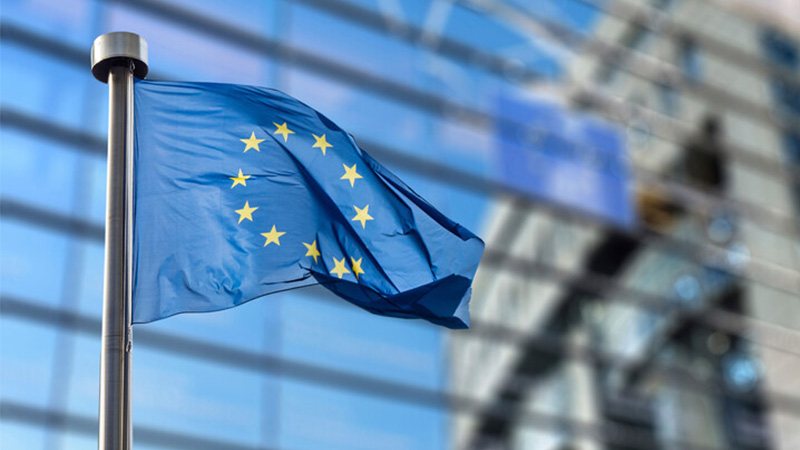
Members of the Labour & Employment European team at Squire Patton Boggs, including Janette Lucas, Marga Caproni, and Malgorzata Grzelak, have highlighted the risks associated with this delay. When member states fail to implement a directive on time, it can lead to "direct effect" scenarios. Under EU law, certain provisions of a directive can be directly invoked by individuals against a member state (vertical direct effect) if the directive is sufficiently clear and the transposition deadline has passed. While the "horizontal" direct effect between private parties is more legally complex, the failure of a state to implement the law does not exempt companies from the looming reality of these standards.
The uncertainty is particularly acute for multinational firms. A company operating in France, Germany, Poland, and Italy may eventually face four different sets of national rules regarding the specific format of pay reports, the definition of "work of equal value," and the severity of penalties. Without final national texts, these companies are left to speculate on how local labor courts will interpret the directive’s broad mandates.
Expert Analysis and Corporate Strategy
Legal experts such as Pauline Pierce, Laura Sparschuh, Chelsea Gunning, and Elsa Mora are advising clients to take proactive steps regardless of the legislative status in their specific jurisdictions. The consensus among employment law specialists is that the "wait-and-see" approach is no longer viable given the scale of the required changes.
Internal Pay Audits
The first step for most organizations is a comprehensive pay audit. Companies must identify "categories of workers" performing work of equal value. This is often more difficult than it sounds, as it requires a gender-neutral job evaluation system that looks at factors such as skill, effort, responsibility, and working conditions, rather than just job titles.
Reviewing Recruitment Processes
HR departments must begin revising job description templates and interview guides. Removing questions about salary history and determining appropriate salary ranges for all positions are tasks that require significant internal coordination and market benchmarking.
Engaging with Stakeholders
The directive emphasizes the role of workers’ representatives and trade unions, particularly in the "joint pay assessment" process. Companies that have not traditionally had strong engagement with these groups on the topic of compensation will need to build those relationships now to ensure a smoother transition once the law is finalized.
Broader Economic and Social Implications
The Pay Transparency Directive is expected to have a ripple effect across the European economy. Proponents argue that increased transparency will lead to higher productivity, as fair pay systems increase employee morale and engagement. From a macroeconomic perspective, closing the gender pay gap could boost the EU’s GDP by reducing poverty among women and increasing their lifetime earnings and pensions.
However, some business groups have expressed concerns regarding the administrative burden and the potential for increased litigation. The requirement to disclose average pay levels could lead to internal tensions and a "race to the top" in wages that may be difficult for smaller firms to sustain. Furthermore, the shift in the burden of proof is viewed by some as a significant legal risk that could lead to a surge in class-action style lawsuits.
Despite these concerns, the momentum behind pay transparency appears irreversible. The EU’s move follows similar trends in the United States—where states like New York and California have enacted salary disclosure laws—and the United Kingdom, which has had gender pay gap reporting for several years.
Conclusion: Preparing for an Inevitable Shift
The current legislative lag in EU member states creates a deceptive sense of calm. While only two countries have crossed the finish line in terms of final legislation, the principles of the Pay Transparency Directive are already beginning to influence corporate behavior and employee expectations across the continent.
For businesses, the path forward involves a dual strategy: monitoring the specific legislative developments in each member state while simultaneously building the infrastructure for transparency at the corporate level. As the Squire Patton Boggs team has noted, the "uncertain landscape" makes it even more critical for companies to utilize available resources, such as dedicated pay transparency support pages and expert legal counsel, to navigate the transition.
The 2026 deadline represents a hard stop for the current era of pay secrecy in Europe. Companies that use this period of national legislative delay to conduct audits, refine their compensation philosophies, and engage in transparent communication with their workforce will be the ones best positioned to thrive in the new regulatory environment. The transition may be complex and the national laws may be slow to arrive, but the shift toward pay equity is a fundamental change that will define the European workplace for decades to come.