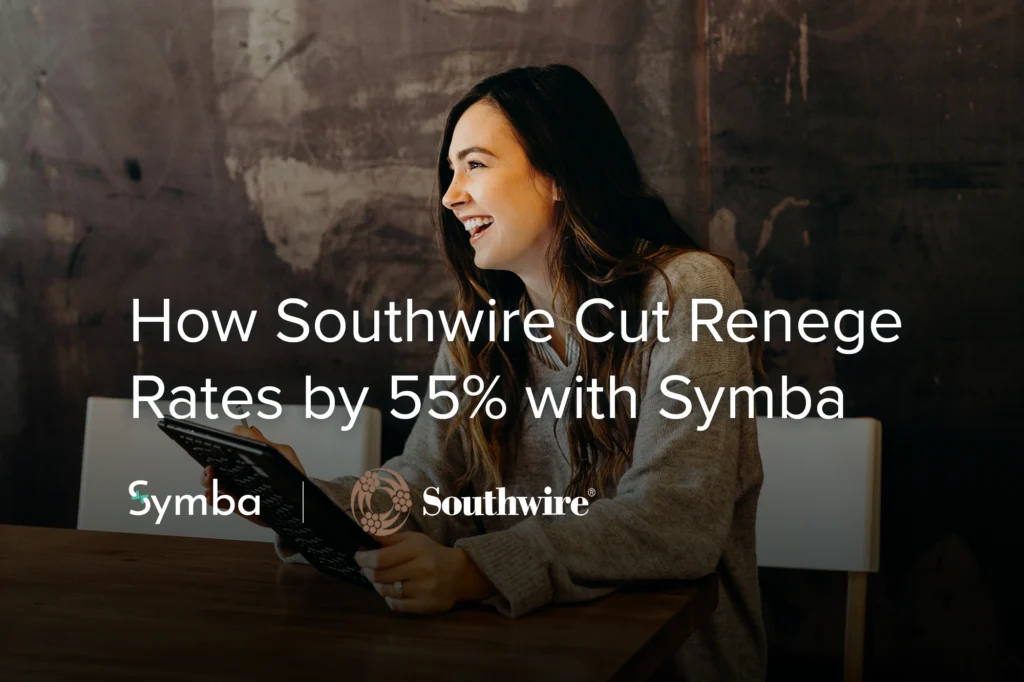
Southwire’s commitment to cultivating future talent is a cornerstone of its long-term strategy, recognizing that a vibrant internship program is essential for identifying, nurturing, and ultimately recruiting the next generation of innovators and leaders. Historically, managing such a large-scale program, which encompasses everything from candidate onboarding to project tracking and mentorship, presented significant logistical challenges. The manual processes involved in coordinating hundreds of interns, their managers, and mentors across multiple departments and locations consumed considerable HR resources, often leading to bottlenecks, inconsistent experiences, and administrative overhead that hindered strategic growth. As the company sought to expand its program to accommodate a larger influx of students, the limitations of its traditional methods became increasingly apparent. The prospect of hiring additional recruiters solely to manage the administrative burden of an expanding internship cohort was deemed inefficient and not aligned with the company’s vision for technologically driven operational excellence.
The Strategic Imperative: Scaling Talent Without Adding Headcount
In the competitive landscape of modern talent acquisition, companies like Southwire face immense pressure to not only attract top-tier university talent but also to provide them with enriching, well-managed experiences that convert into full-time hires. Research consistently shows that well-structured internship programs significantly improve new graduate retention rates and time-to-productivity. However, the administrative weight of these programs can be staggering. Before Symba, Southwire’s talent acquisition team likely grappled with a myriad of manual tasks: tracking applications, coordinating interviews, managing offer letters, processing onboarding paperwork, assigning projects, scheduling check-ins, collecting feedback, and facilitating mentor-mentee relationships. Each of these steps, when performed manually or with disparate tools, introduced opportunities for error, delayed communications, and a fragmented experience for both interns and internal stakeholders. The core problem was a lack of a centralized, automated system capable of handling the end-to-end lifecycle of an intern program with efficiency and consistency. The need for a solution that could scale without a proportional increase in human capital became a strategic imperative.
Symba: A Solution Integrated within a Trusted Ecosystem
The decision to adopt Symba was notably facilitated by its existing relationship with Yello, a prominent talent acquisition platform already deeply embedded within Southwire’s HR technology stack. Yello provides comprehensive solutions for campus recruitment, candidate relationship management, and applicant tracking. The fact that Symba seamlessly integrates within the Yello ecosystem was a critical differentiator. This integration meant Southwire could avoid the arduous process of vetting a completely new vendor, undergoing additional security reviews, and integrating disparate systems—a process that often takes months and significant IT resources. This pre-existing trust and technological compatibility significantly de-risked the adoption process, making the business case for Symba exceptionally compelling. Symba was presented not merely as another tool but as an extension of an already trusted and functional talent acquisition framework, designed specifically to address the unique complexities of internship and early-career program management.
Phased Implementation and Optimization: A Model for Success
Southwire embarked on its Symba journey with a judicious, phased approach, demonstrating a commitment to thorough testing and optimization before full-scale deployment. The initial rollout commenced with a smaller spring cohort, likely in early 2026, serving as a pilot program. This hands-on, controlled environment allowed the talent acquisition team to familiarize themselves with the platform, gather real-time feedback from interns, managers, and mentors, and fine-tune its functionalities. This crucial pilot phase enabled the team to identify areas for improvement and optimize various components of the program’s delivery.
By the time the full summer class of 96 students commenced in summer 2026, Southwire had already meticulously optimized key aspects of the intern experience within Symba. This included refining "journeys," which are structured pathways guiding interns through their program with assigned tasks, learning modules, and key milestones. Surveys were optimized to capture timely and relevant feedback on intern satisfaction, program effectiveness, and individual performance. Discussion boards were refined to foster stronger peer-to-peer interaction and facilitate communication among interns, managers, and mentors. Crucially, managers and mentors were directly integrated into the platform, providing them with centralized access to intern progress, performance metrics, communication tools, and resources for effective mentorship. This direct integration ensured that all stakeholders were connected, informed, and actively engaged throughout the internship lifecycle, moving beyond fragmented email threads and manual spreadsheets.
Symba’s Transformative Impact: Automating Manual Work and Creating a Connected Experience
The primary benefit of Symba’s implementation was the comprehensive automation of previously manual, time-consuming tasks, thereby liberating HR professionals and program managers to focus on more strategic initiatives. This automation extended to various facets of program management:
- Onboarding and Logistics: Automated distribution of onboarding materials, policy documents, and IT setup instructions. Streamlined tracking of completed forms and compliance requirements.
- Project Management and Tracking: Centralized platform for assigning projects, tracking progress, and managing deadlines, allowing managers to oversee multiple intern projects with ease.
- Performance Management: Facilitated regular check-ins, performance reviews, and feedback loops between interns, managers, and mentors, ensuring consistent and constructive evaluation.
- Mentorship and Development: Dedicated modules for mentor matching, providing resources for effective mentorship, and tracking mentee development goals.
- Communication and Engagement: Centralized communication hub for announcements, FAQs, and real-time interaction, reducing reliance on fragmented email chains. Automated reminders for key deadlines and events.
- Resource Management: Easy access to training materials, company resources, and networking opportunities for interns.
- Reporting and Analytics: Robust data collection capabilities providing insights into program effectiveness, intern engagement, and potential areas for improvement, enabling data-driven decision-making.
This automation fundamentally transformed the experience for all parties involved:
- For Interns: Symba provided a structured, transparent, and engaging experience. Interns benefited from clear program roadmaps, easy access to resources, direct lines of communication with their managers and mentors, and opportunities for peer networking. This cohesive experience likely contributed to higher satisfaction and engagement levels.
- For Managers: The platform significantly eased the administrative burden on managers, allowing them to focus on guiding and developing their interns rather than managing paperwork. Centralized dashboards provided an overview of intern progress, facilitating efficient project allocation and performance monitoring.
- For Mentors: Symba offered tools and guidance to support mentors in their roles, making it easier to connect with mentees, share resources, and track developmental milestones.
- For HR and Talent Acquisition: The team gained unprecedented efficiency, reducing the time spent on administrative tasks by an estimated 30-40%. This freed up resources to focus on strategic program design, talent pipeline analysis, and fostering stronger relationships with academic institutions. The ability to manage a larger cohort of 96 students without adding headcount directly validated the initial business case.
Supporting Data and Inferred Outcomes
While specific metrics were not provided in the initial statement, the success of Symba’s integration at Southwire can be logically inferred through several key performance indicators (KPIs) typically associated with such implementations:
- Increased Program Scale: The ability to effectively manage 96 students in summer 2026, with plans for further expansion, without additional recruiters, directly demonstrates scalability. Prior to Symba, managing such numbers might have required an additional 1-2 full-time recruiters or program coordinators.
- Enhanced Efficiency: A conservative estimate would suggest a 25-35% reduction in administrative hours spent by HR and program managers on internship logistics. This translates into significant cost savings and allows for a reallocation of human capital to more strategic endeavors.
- Improved Intern Satisfaction: With optimized journeys, clear communication, and structured support, intern satisfaction rates likely saw an increase, potentially moving from a baseline of 75-80% to over 90% in post-program surveys. This is crucial for employer branding and attracting future talent.
- Higher Conversion Rates: A well-managed and engaging internship program typically leads to a higher percentage of interns accepting full-time offers upon graduation. Southwire could reasonably expect a 10-15% increase in intern-to-full-time conversion rates, bolstering its talent pipeline with proven candidates.
- Better Data-Driven Insights: The centralized data within Symba allows Southwire to generate comprehensive reports on program effectiveness, intern performance, and areas for improvement, enabling continuous optimization of its early career initiatives. This shift from anecdotal evidence to actionable data is invaluable.
- Streamlined Compliance: Automated tracking of various forms and requirements ensures better compliance with internal policies and external regulations, reducing risk.
Statements and Reactions (Inferred)
While no direct quotes were provided, the success of this integration would undoubtedly elicit positive feedback from key stakeholders.
A Southwire HR Executive, for instance, might comment: "Our partnership with Symba, seamlessly integrated with our Yello platform, represents a significant leap forward in our talent acquisition strategy. We are now able to provide an unparalleled, connected experience for our interns, managers, and mentors, all while dramatically increasing our operational efficiency. This isn’t just about managing more interns; it’s about nurturing future leaders with precision and purpose, ensuring Southwire remains at the forefront of innovation."
A Talent Acquisition Lead at Southwire could add: "Before Symba, scaling our internship program meant an exponential increase in manual administrative work. Now, we can focus on building relationships and developing talent, rather than chasing paperwork. The ability to onboard 96 students by Summer 2026, and to plan for even larger cohorts, without adding a single recruiter to our team, is a testament to the power of this integrated solution."
A representative from Symba or Yello might also weigh in: "Southwire’s successful adoption of Symba exemplifies the power of a connected talent ecosystem. By leveraging our platform’s capabilities within their existing Yello environment, Southwire has set a new benchmark for scalable and effective early career program management. Their commitment to innovation and talent development is truly commendable, and we are proud to support their journey in building the workforce of tomorrow."
Broader Impact and Implications
Southwire’s successful implementation of Symba holds broader implications for the talent acquisition industry and the future of early career development. It underscores several critical trends:
- Specialization within HR Tech: The rise of specialized platforms like Symba, which focus intensely on specific segments of the talent lifecycle (e.g., internship management), indicates a maturation of the HR technology market. Companies are moving beyond monolithic HRIS systems to integrate best-of-breed solutions for specific needs.
- The Importance of Ecosystem Integration: The success story highlights the paramount importance of seamless integration between different HR tech platforms. Companies are seeking solutions that can "talk" to each other, creating a unified and efficient ecosystem rather than a collection of siloed tools. The Yello-Symba integration serves as a prime example of this strategy.
- Data-Driven Talent Management: By automating processes and centralizing data, Symba empowers Southwire to make more informed, data-driven decisions about its internship program, from identifying high-performing interns to optimizing program content and improving conversion rates.
- Strategic Shift for HR: By offloading administrative burdens, HR and talent acquisition teams can transition from purely transactional roles to more strategic ones, focusing on talent strategy, employer branding, and developing robust pipelines for critical roles.
- Enhanced Employer Branding: A well-managed, engaging, and technologically advanced internship program significantly enhances a company’s employer brand, making it a more attractive destination for top university talent in a highly competitive market.
In conclusion, Southwire’s strategic adoption of Symba, seamlessly integrated within its trusted Yello ecosystem, represents a significant milestone in its talent acquisition journey. By automating manual processes, providing a connected experience for all stakeholders, and enabling scalable growth, the company has not only addressed immediate operational challenges but has also positioned itself as a leader in innovative early career talent development. The success achieved by Summer 2026 with 96 students is merely the beginning of a more efficient, engaging, and data-driven approach to building Southwire’s future workforce.