The U.S. Equal Employment Opportunity Commission (EEOC) has initiated a formal investigation into the National Education Association (NEA), the nation’s largest labor union representing educators, following serious allegations of antisemitism. This significant development was announced Monday by the Louis D. Brandeis Center for Human Rights Under Law, the prominent Jewish civil rights organization that lodged the complaint, signaling a federal scrutiny into the internal environment of a powerful national organization. The investigation marks a critical juncture for both the NEA, which boasts millions of members, and the broader efforts to combat discrimination within professional associations.
The Genesis of the Allegations: A Hostile Environment Claim
The EEOC’s decision to open an investigation comes nearly two months after the Brandeis Center’s Coalition to Combat Anti-Semitism formally filed a complaint against the NEA. This complaint, submitted on behalf of current and former Jewish members, alleges that the NEA has fostered and maintained a hostile environment, thereby violating federal employment discrimination laws. Such allegations, if substantiated, could have profound implications for the union’s reputation, its leadership, and its operational policies regarding diversity, equity, and inclusion.
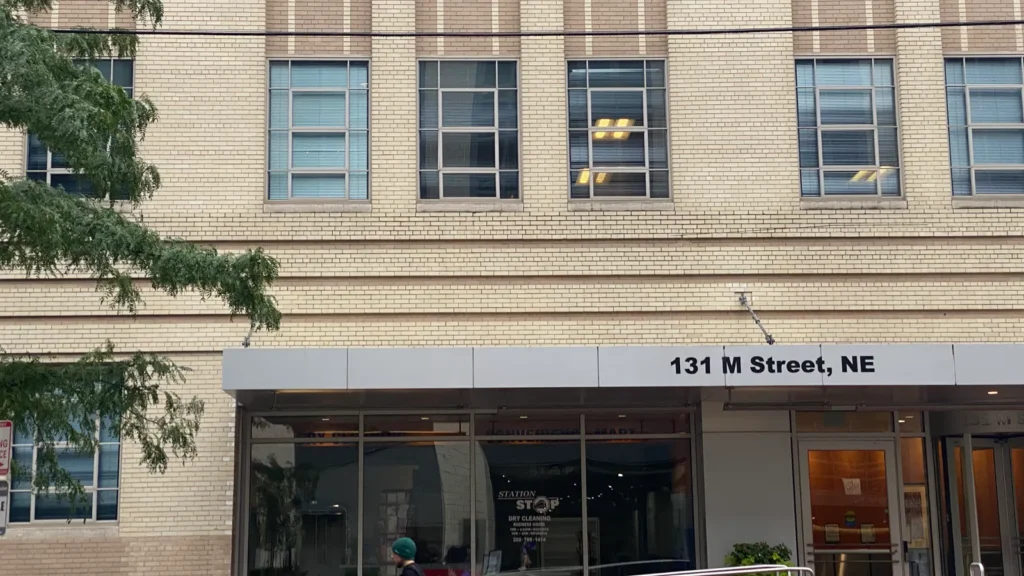
While the EEOC, adhering to its strict confidentiality protocols, stated it could "neither confirm nor deny the existence [of] any charge or charge inquiry," citing federal law that mandates the privacy of such matters, the Brandeis Center affirmed that the investigation is actively underway. According to the Brandeis Center, the inquiry is being conducted out of the federal agency’s Washington, D.C., field office, with investigators already engaged in the collection of relevant documents, witness information, and other evidentiary materials provided by the Brandeis Center to bolster its charges.
The detailed complaint filed by the Brandeis Center paints a troubling picture of alleged systemic issues within the NEA. While the specific bulleted allegations were not fully disclosed in the initial announcement, the nature of a "hostile environment" claim typically encompasses a range of discriminatory behaviors and organizational failings. These often include:
- Discriminatory rhetoric and actions: Instances where Jewish members have been subjected to antisemitic slurs, stereotypes, or biased statements at union meetings, conferences, or through official communications.
- Exclusion and marginalization: Allegations that Jewish members have been systematically excluded from leadership opportunities, participation in certain committees, or have felt marginalized within the union’s structure due to their identity.
- Promotion of problematic content: Claims that the NEA has, at times, disseminated or endorsed materials that, under the guise of political discourse, cross into antisemitic territory, creating an unwelcoming atmosphere for Jewish members. A notable instance cited by the Brandeis Center in previous communications involved the NEA linking to an external resource containing a map that depicted Israel as "Palestine," a common tactic used by anti-Zionist groups that often veers into antisemitic tropes by denying Israel’s existence.
- Failure to address grievances: Allegations that the union leadership has been unresponsive or dismissive of concerns raised by Jewish members regarding antisemitic incidents or a perceived hostile environment, thereby exacerbating the problem.
- Disparate treatment: Claims that Jewish members are treated differently or held to different standards compared to other demographic groups within the union.
These types of allegations suggest a pattern of behavior and an organizational culture that, if proven, would represent a significant breach of the NEA’s stated commitment to inclusivity and its legal obligations under anti-discrimination statutes.
A Chronology of Mounting Tensions
The current EEOC investigation did not emerge in a vacuum but is the culmination of escalating concerns and specific incidents. A timeline helps to contextualize the present federal scrutiny:
- October 2025: The NEA issued a public statement addressing an incident involving an external resource linked from its website. This resource, which included a controversial map related to Israel and Palestine, had drawn significant criticism for potentially promoting anti-Zionist, and by extension, antisemitic sentiments. In its statement, the NEA acknowledged that the resource "falls well short of our standards" and stated that "After we became aware of content on this external website — particularly related to Israel and Palestine — we conducted our own deeper review including of links to additional third-party hosted content. Upon that review, we immediately removed this resource from the NEA website." This incident appears to be a key flashpoint that contributed to the subsequent formal complaint.
- Early May (specific date, e.g., May 5th, 2026): The Brandeis Center’s Coalition to Combat Anti-Semitism formally filed its complaint with the EEOC, detailing the allegations of a hostile environment for Jewish members within the NEA. This action signaled a move from public criticism to formal legal recourse.
- Late June/Early July (approximately two months after the complaint): The U.S. Equal Employment Opportunity Commission, after an initial review of the Brandeis Center’s complaint and supporting materials, decided to open a full investigation into the NEA. This decision indicates that the EEOC found sufficient merit in the allegations to warrant a federal inquiry.
- Monday (current announcement date): The Louis D. Brandeis Center publicly announced the EEOC’s decision to open the investigation, bringing the matter into the public domain and highlighting the seriousness of the federal action.
Official Responses and Institutional Stances
The parties involved have issued statements that reflect their respective positions and legal obligations.
Kenneth L. Marcus, founder and CEO of the Brandeis Center, articulated the core principle underlying their complaint. "Unions exist to advocate for fair wages, protect employee rights, and ensure equal treatment for all members," Marcus stated. "The last thing they should do is to violate the rights of the very people whose rights they exist to protect." Marcus brings significant experience to this issue, having served as a longtime employee at the Education Department’s Office for Civil Rights and having led the civil rights arm under both the Bush and first Trump administrations. His background underscores the seriousness with which the Brandeis Center approaches civil rights enforcement. The center views the EEOC’s "prompt" decision to open the complaint as a validation of the concerns raised.
For its part, the NEA has maintained its commitment to inclusivity. While the union did not provide an immediate comment in response to the specific news of the EEOC investigation by press time Monday, it had previously addressed the initial complaint from the Brandeis Center. In a May 5 statement issued to K-12 Dive, the NEA affirmed, "NEA does not tolerate antisemitism in any form and remains committed to ensuring that all members and students, including Jewish members and students, can work and learn in a safe and welcoming environment." A spokesperson for the union further elaborated, "We always ensure our meeting rules and programs serve and support all members, regardless of race, religion, ethnicity, background, sexual orientation, or gender identity." These statements reflect the NEA’s official policy of non-discrimination, which will now be subject to federal scrutiny to determine if practice aligns with policy.
The EEOC, as a matter of standard procedure, maintained its policy of confidentiality. An EEOC spokesperson reiterated that "Under federal law, both charges filed with, and charge inquiries made to the EEOC are confidential." This ensures the integrity of the investigative process and protects the privacy of complainants and respondents during the initial stages.
Broader Context and Implications for Education and Labor
This investigation into the NEA unfolds against a backdrop of a significant national increase in antisemitism, particularly evident across educational institutions, from K-12 schools to higher education campuses. Reports from organizations like the Anti-Defamation League (ADL) and the American Jewish Committee (AJC) have consistently documented a concerning rise in antisemitic incidents, including harassment, vandalism, and assaults, in recent years. This heightened climate of antisemitism has prompted increased vigilance from civil rights groups and a more assertive stance from federal agencies.
The federal government, under various administrations, has emphasized the importance of combating antisemitism. The original article notes that this action "comes as the Trump administration cracks down on antisemitism allegations, including at K-12 and higher education institutions." While the specific phrasing references a past administration, the broader governmental focus on addressing antisemitism as a civil rights issue has continued and intensified across federal agencies, including the Department of Education, Department of Justice, and the EEOC. This ongoing emphasis means that allegations of this nature are likely to be met with thorough and serious review.
For the National Education Association, the implications of this investigation are substantial. As the largest professional employee organization in the United States, representing over 3 million educators and school staff, the NEA wields considerable influence in education policy, labor relations, and political discourse. An EEOC finding of discrimination could lead to:
- Reputational Damage: A federal finding of antisemitism would severely tarnish the NEA’s image as an advocate for civil rights and fair treatment for all educators, potentially alienating members and the public.
- Legal and Financial Consequences: If the EEOC finds reasonable cause that discrimination occurred, it will attempt to reach a voluntary settlement with the NEA. If conciliation fails, the EEOC may file a lawsuit. Such legal action could result in significant financial penalties, including back pay, compensatory damages, and orders for injunctive relief to prevent future discrimination.
- Internal Reforms: Regardless of the legal outcome, the investigation itself may compel the NEA to undertake comprehensive internal reviews of its policies, training programs, grievance procedures, and leadership accountability structures related to diversity and inclusion, particularly concerning antisemitism.
- Membership Impact: The allegations and subsequent investigation could affect member trust and potentially lead to disengagement or even attrition among some segments of its diverse membership, particularly within its Jewish caucus or other minority groups who may question the union’s commitment to protecting all members.
- Precedent for Union Accountability: This case could set a precedent for how federal anti-discrimination laws are applied to large labor unions, reinforcing the idea that unions, like employers, are subject to stringent civil rights standards regarding their internal environments and treatment of members.
The investigation will likely delve into specific incidents, internal communications, training materials, and the experiences of Jewish members within the NEA’s organizational structure. It will examine whether the union’s actions, or inactions, created an environment where Jewish members felt harassed, marginalized, or discriminated against because of their religion or ethnic origin. The outcome of this federal inquiry will not only shape the future of the NEA but will also send a powerful message about accountability for discrimination within powerful membership organizations across the country. The education community and civil rights advocates will be closely watching the developments in this landmark case.