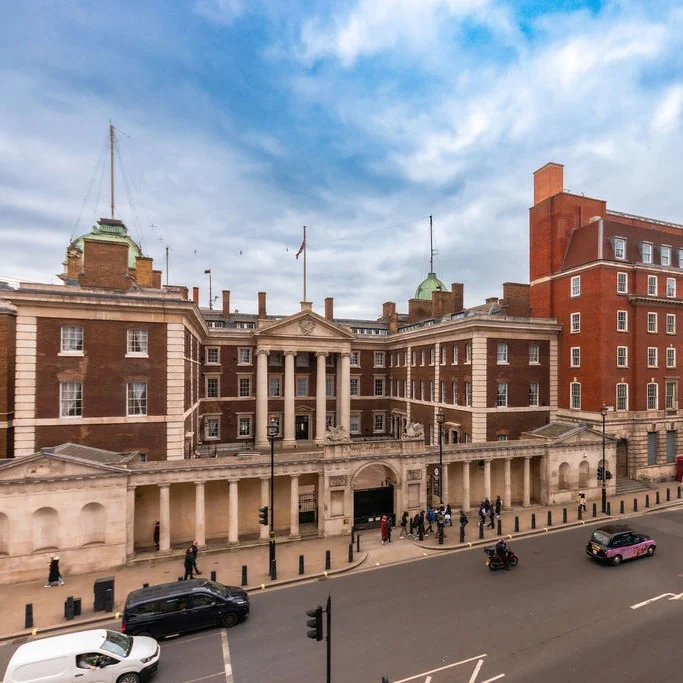
A significant refurbishment of a historic government office in the heart of Whitehall has culminated in a prestigious industry award, recognizing its exemplary commitment to inclusive design. The Government Property Agency (GPA) announced that its hub at 22-26 Whitehall has been awarded Inclusive Environments Recognition by the Construction Industry Council (CIC). This accolade acknowledges the project’s success in integrating accessibility and usability into a historically sensitive setting, a feat that presents unique challenges within the UK’s architectural heritage.
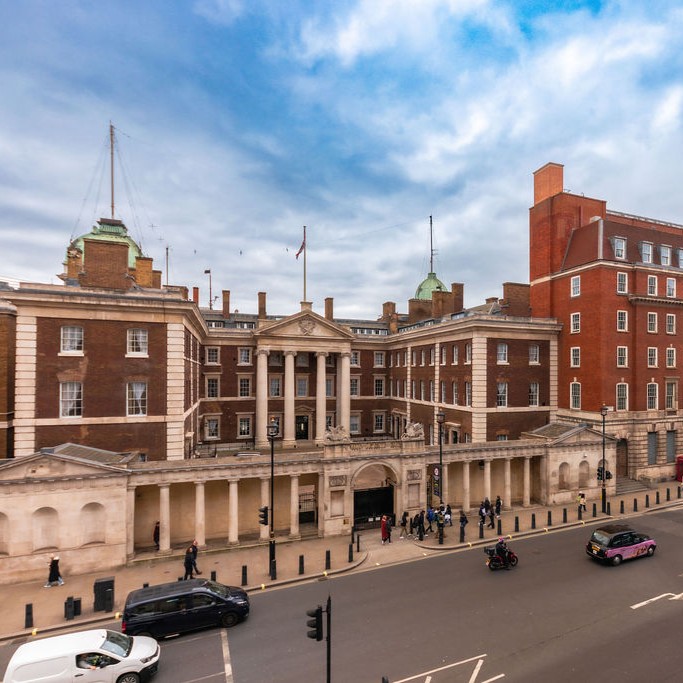
The recognized building complex comprises the Grade I listed Ripley Building and its adjacent Kirkland Building, now serving as the London headquarters for the Department for Science, Innovation and Technology (DSIT). This transformation is a key component of the government’s broader strategy to rationalize its vast property estate and foster the creation of shared, modern workplaces for civil servants. The award, received in May 2026, marks a significant milestone, representing the first time one of the GPA’s listed buildings has achieved this accreditation, underscoring the intricate balance between heritage preservation and contemporary functional requirements.
A Fusion of Heritage and Modern Accessibility
The journey to this recognition began with a comprehensive refurbishment program that concluded in 2025. The primary objective of this extensive undertaking was to modernize the facilities while meticulously preserving the inherent historical character of the buildings. A central tenet of the refurbishment was the paramount focus on enhancing accessibility for a diverse spectrum of users, ensuring that the historic edifice could accommodate the needs of all individuals, irrespective of their physical, sensory, or cognitive abilities.
According to detailed reports from the GPA, the project successfully introduced a raft of improvements that have fundamentally transformed the user experience within the building. These enhancements include the implementation of step-free access throughout the entire complex, a crucial development for individuals with mobility impairments. Complementing this, power-assisted doors have been installed to facilitate easier entry and exit, while circulation routes have been optimized to improve flow and reduce potential obstacles. Beyond these structural modifications, the refurbishment also saw the addition of accessible shower and changing facilities, alongside upgraded welfare provisions, ensuring that the building meets the highest standards of user comfort and convenience.
The internal workspace design itself reflects a deep understanding of contemporary working practices and the diverse needs of a modern workforce. The refurbished environment features a variety of settings engineered to support different work styles and preferences. This includes the provision of height-adjustable desks, enabling users to customize their working positions for optimal ergonomics. A range of meeting rooms, catering to both formal and informal discussions, are available, alongside designated quieter areas specifically designed to foster concentration and deep work. The GPA emphasizes that these deliberate design choices were made to bolster both individual productivity and collaborative endeavors, creating a dynamic and supportive environment for all staff.
The Construction Industry Council’s Inclusive Environments Recognition Scheme
The Inclusive Environments Recognition scheme, administered by the Construction Industry Council, is a rigorous assessment framework designed to evaluate how effectively buildings cater to individuals with a wide array of physical, sensory, and cognitive requirements. The scheme’s criteria encompass a holistic approach to accessibility, moving beyond mere compliance to embrace universal design principles. The GPA’s successful attainment of this recognition signifies that the 22-26 Whitehall refurbishment has been independently verified as meeting these exacting standards, demonstrating a profound integration of accessibility considerations from the initial design phases through to the final execution of the project.
This award is particularly noteworthy given the inherent complexities associated with adapting heritage buildings. Such projects often encounter significant technical and regulatory hurdles, especially within central government locations where a substantial proportion of office spaces are designated as historically significant. These buildings, often subject to stringent conservation regulations, require a sensitive and expert approach to ensure that any alterations are sympathetic to their historical fabric while meeting modern building codes and user expectations. The successful navigation of these challenges at 22-26 Whitehall serves as a benchmark for future heritage building refurbishments within the public sector.
Broader Implications for Government Estate Modernization
The 22-26 Whitehall hub is a tangible manifestation of the Government Hubs Programme, an ambitious initiative aimed at consolidating government departments into a more concentrated and efficient network of shared offices spread across the United Kingdom. This program is strategically designed to achieve a significant reduction in the overall size of the government’s property footprint, leading to substantial cost savings and improved operational efficiencies. Furthermore, it champions a more flexible and agile approach to space utilization, aligning with evolving work patterns and promoting inter-departmental collaboration.
The Government Property Agency, as the entity responsible for managing and transforming the civil service estate, plays a pivotal role in realizing these objectives. Its mandate includes not only the delivery of new government hubs but also the meticulous refurbishment of existing buildings to meet contemporary standards of functionality, sustainability, and inclusivity. The success at 22-26 Whitehall provides a compelling case study for the GPA’s capabilities in undertaking complex, sensitive projects that yield demonstrable benefits in terms of both user experience and estate management.
A Chronology of Transformation
The journey of 22-26 Whitehall from a historic, potentially less accessible building to an award-winning inclusive environment can be traced through a series of strategic decisions and execution phases:
- Pre-Refurbishment Era: The buildings at 22-26 Whitehall, comprising the Grade I listed Ripley Building and the adjoining Kirkland Building, stood as significant historical assets within the governmental landscape. While functional, their accessibility and workplace amenities likely reflected the standards of earlier eras, potentially posing challenges for a diverse workforce.
- Strategic Estate Rationalization: The UK government, through initiatives like the Government Hubs Programme, identified the need to consolidate its sprawling estate, reduce costs, and create more efficient, modern working environments. This led to the decision to refurbish and repurpose the Whitehall site as a key London hub.
- Design and Planning Phase (Pre-2025): This critical stage involved detailed architectural planning, heritage impact assessments, and the development of an inclusive design strategy. Experts in heritage conservation, accessibility, and workplace design would have collaborated to devise solutions that respected the historic fabric while meeting modern requirements. This would have included extensive consultation with accessibility groups and potential users.
- Refurbishment Program (Concluded 2025): The physical transformation of the buildings took place over an extended period, culminating in 2025. This phase saw the implementation of all planned accessibility features, modernization of internal spaces, and upgrades to building systems. The meticulous work involved careful restoration and sensitive integration of new elements.
- Post-Refurbishment Assessment and Recognition (2025-2026): Following the completion of the refurbishment, the building was assessed against the stringent criteria of the Construction Industry Council’s Inclusive Environments Recognition scheme. This independent evaluation confirmed the project’s success in achieving its inclusive design objectives.
- Award Announcement (May 2026): The Government Property Agency announced the receipt of the Inclusive Environments Recognition award, highlighting the achievement and its significance within the context of public sector property modernization and heritage building adaptation.
Supporting Data and Context
While specific quantifiable data on the exact improvements (e.g., percentage increase in accessible spaces, number of users benefiting from new facilities) is not detailed in the initial report, the nature of the recognized improvements provides strong indicators of their impact:
- Step-Free Access: The introduction of step-free access universally eliminates a significant barrier for wheelchair users, individuals with mobility aids, parents with strollers, and the elderly. This single improvement dramatically expands the usability of the building for a substantial portion of the population.
- Power-Assisted Doors: These reduce the physical effort required to open doors, benefiting individuals with reduced strength, arthritis, or other conditions affecting grip and arm mobility.
- Height-Adjustable Desks: This feature supports ergonomic well-being for a wide range of users, accommodating different heights and physical needs, thereby reducing the risk of musculoskeletal issues and enhancing comfort and productivity.
- Variety of Work Settings: The provision of diverse spaces caters to different sensory needs and work preferences. For example, quiet zones can significantly benefit individuals with sensory sensitivities or those who find open-plan environments distracting, while collaborative spaces support team dynamics.
- Upgraded Welfare Provision: This encompasses improvements to restrooms, changing areas, and potentially break rooms, ensuring dignity and comfort for all users, including those with specific personal care requirements.
The recognition by the CIC is particularly significant as it is an industry-led initiative that sets a high bar for accessibility and inclusivity. Their assessment methodology typically considers factors such as wayfinding, visual and auditory information, tactile cues, and the overall user journey within the built environment. The fact that 22-26 Whitehall passed this rigorous evaluation in a heritage context suggests a highly sophisticated and sensitive approach to design and construction.
Expert Commentary and Stakeholder Perspectives (Inferred)
While direct quotes from specific individuals are not provided, it is logical to infer the likely sentiments of various stakeholders involved in or affected by this project.
Government Property Agency (GPA): The GPA would likely express immense pride in this achievement, viewing it as validation of their strategic direction and their ability to execute complex projects that align with government objectives for estate modernization and civil service well-being. They would likely highlight this as a model for future refurbishments of heritage assets.
Department for Science, Innovation and Technology (DSIT): As the primary occupant, DSIT would likely welcome the improved working environment. Their leadership would probably emphasize how the enhanced accessibility and diverse work settings contribute to a more productive, inclusive, and attractive workplace, aiding in talent attraction and retention.
Construction Industry Council (CIC): The CIC, through its award, would be signaling the importance of prioritizing inclusive design in all building projects, especially those involving heritage assets. They might comment on the innovative solutions employed to integrate modern accessibility features without compromising the historical integrity of the Ripley and Kirkland Buildings.
Disability Advocacy Groups: While not directly quoted, these groups would likely see this award as a positive step forward. They would champion the efforts made to create truly accessible spaces and would likely advocate for such standards to be applied more broadly across all public and private sector developments.
The Future of Inclusive Heritage Building Design
The success of the 22-26 Whitehall refurbishment offers valuable insights and sets a precedent for how historic buildings can be adapted to meet contemporary demands for inclusivity. The project demonstrates that it is possible to marry the preservation of architectural heritage with the creation of modern, accessible, and functional workplaces. This approach not only benefits the individuals who use these spaces but also contributes to the long-term viability and relevance of our historical built environment.
As the UK government continues its agenda of estate rationalization and modernization, the lessons learned from this project will be crucial. The GPA’s commitment to achieving the CIC’s Inclusive Environments Recognition for a listed building signals a maturing understanding of the importance of universal design principles, even within the most challenging architectural contexts. This award is not merely a commendation; it is a testament to forward-thinking design, meticulous execution, and a commitment to creating a truly inclusive future for public sector workplaces, ensuring that historical landmarks can continue to serve the nation effectively and equitably for generations to come.