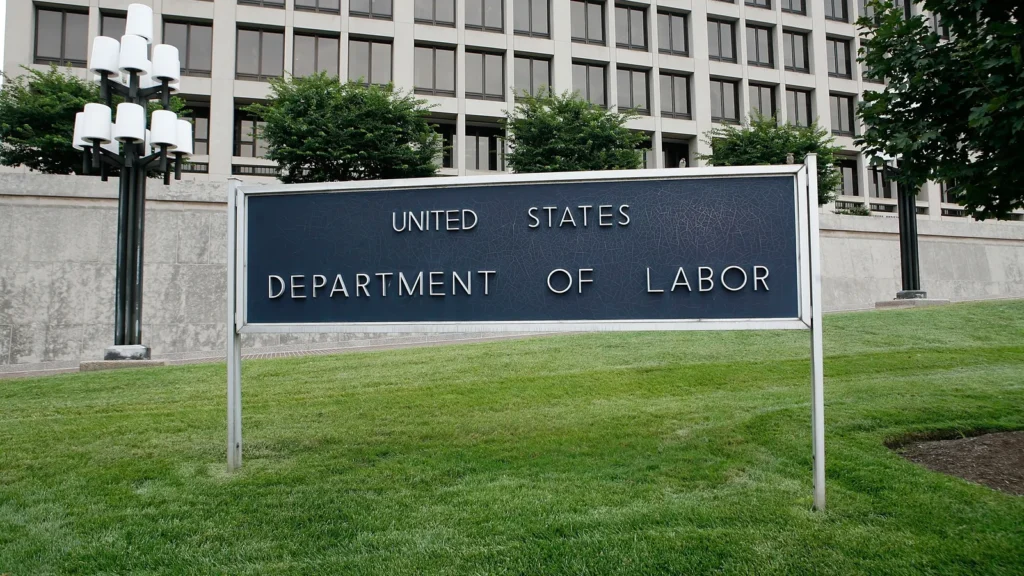
Washington, D.C. – The landscape of human resources and labor relations saw significant developments last week, highlighted by the official rescission of a Biden-era overtime rule, a dramatic increase in job applications per role, and persistent challenges in fostering open communication within workplaces. These stories, ranging from regulatory shifts impacting worker compensation to evolving dynamics in recruitment and organizational culture, collectively underscore the complex and continuously adapting environment faced by HR professionals and employees alike.
The Rescission of the 2024 Biden-Era Overtime Rule
The most-clicked story of the week revolved around the U.S. Department of Labor’s (DOL) formal decision to rescind the 2024 Biden-era overtime rule, effectively reverting the federal salary threshold for overtime exemption to the 2019 standard of $684 per week. This move, while anticipated by legal experts, marks a crucial moment in the ongoing national discourse surrounding worker classification and compensation, solidifying the parameters for millions of American workers.
Background and Chronology of Overtime Regulations
To understand the significance of this rescission, it is essential to trace the evolution of federal overtime regulations. The Fair Labor Standards Act (FLSA), enacted in 1938, established the right to a minimum wage, overtime pay, and child labor protections. A cornerstone of the FLSA is the provision for overtime pay, typically at one and a half times an employee’s regular rate of pay for hours worked over 40 in a workweek. However, the FLSA also includes exemptions for certain executive, administrative, and professional (EAP) employees, often referred to as "white-collar" exemptions. To qualify for these exemptions, employees must meet three tests: a salary basis test, a salary level test, and a duties test. The salary level test, in particular, has been a frequent point of contention and adjustment over the decades.
For many years, the salary threshold remained stagnant. In 2004, under the George W. Bush administration, the threshold was updated to $455 per week ($23,660 annually). This figure remained unchanged for over a decade, leading many to argue that it had become outdated and failed to cover a sufficient number of workers.
The Obama administration attempted a significant overhaul in 2016, proposing to more than double the threshold to $913 per week ($47,476 annually) and include an automatic update mechanism. This rule was met with considerable opposition from business groups and was ultimately blocked by a federal court injunction just weeks before it was set to take effect. The court ruled that the DOL had exceeded its statutory authority by placing too much emphasis on the salary level test, effectively making it a de facto duties test.
Following this, the Trump administration issued its own update in 2019, settling on a more modest increase to $684 per week ($35,568 annually). This rule also included provisions for highly compensated employees (HCE) at $107,432 annually and permitted employers to use nondiscretionary bonuses and incentive payments to satisfy up to 10% of the standard salary level.
The 2024 Biden-era rule, which has now been rescinded, was an attempt to revisit and increase the salary threshold once more. While the exact proposed figures for the 2024 rule are now moot, its underlying intent was to expand overtime eligibility, reflecting the administration’s broader commitment to strengthening worker protections and increasing wages. However, similar to the 2016 attempt, this rule faced legal challenges and was vacated by the courts late in 2024, leading to the DOL’s recent formal rescission.
Implications of the Rescission
The DOL’s decision to formally rescind the 2024 rule and revert to the 2019 threshold of $684 per week ($35,568 annually) was, as attorneys noted, largely unsurprising given the prior court actions. This move provides a degree of stability and predictability for employers who had been operating under the 2019 rules or had prepared for the potential implementation of the 2024 changes. For businesses, particularly small and medium-sized enterprises, maintaining the current threshold avoids the immediate burden of reclassifying employees or increasing salary levels to maintain exempt status, thereby potentially reducing labor costs.
However, the rescission also means that the automatic threshold adjustments, which were part of the 2024 proposal and aimed to keep the rule current with wage growth, will not be implemented. This absence of an automatic update mechanism means that the salary threshold will likely once again become outdated over time, necessitating future regulatory interventions.
For employees, the immediate implication is that the criteria for overtime eligibility remain at the 2019 level. Those earning above $35,568 annually and meeting the duties test will continue to be exempt from overtime pay. This means that a segment of workers who might have gained overtime eligibility under the higher proposed 2024 threshold will not do so for now. Labor advocates expressed disappointment, reiterating calls for thresholds that reflect contemporary wages and cost of living to ensure fair compensation for all workers.
The broader analysis suggests that while the DOL’s move brings a temporary pause to the fluctuating overtime regulations, the underlying policy debate regarding the appropriate balance between employer flexibility and worker protection is far from over. Future administrations or legislative actions could certainly re-engage with this critical aspect of labor law.
Recruitment Surges: A Balancing Act for Recruiters
In a stark contrast to the regulatory stability sought in overtime rules, the recruitment sector is experiencing a period of intense activity and adaptation. Research from the recruiting platform Ashby revealed that open roles are now receiving an average of more than 300 applications, a figure that has tripled compared to previous periods. This surge in applicant volume presents both opportunities and significant challenges for human resources departments.
The Evolving Job Market Landscape
The current influx of applications can be attributed to several factors shaping the post-pandemic labor market. Following periods of intense talent shortages and the "Great Resignation" where employees had significant leverage, economic uncertainties and strategic layoffs in various sectors, particularly technology, have shifted the balance. Many job seekers are now facing a more competitive environment, leading to a broader application strategy where individuals apply to numerous roles, sometimes regardless of precise fit. The ease of online applications, facilitated by platforms like LinkedIn and indeed, also contributes to the sheer volume.
Another contributing factor is the increasing global reach of job postings. Remote work options have expanded the candidate pool beyond geographical boundaries, meaning a single job opening can attract applications from across states or even countries, further inflating application numbers.

Recruiter Productivity Amidst Volume
Despite the staggering increase in applications per hire, the Ashby report highlighted a crucial development: recruiter productivity has rebounded following a decline between 2022 and 2023. This suggests that HR and talent acquisition teams are adapting to the elevated workload, leveraging technology and refining their processes to manage the influx more effectively.
The rebound in productivity likely stems from several strategic adjustments. Many organizations have invested in more sophisticated Applicant Tracking Systems (ATS) and AI-powered screening tools that can rapidly process applications, identify keywords, and filter candidates based on predefined criteria. This automation allows recruiters to focus their valuable time on evaluating a smaller, more qualified pool of candidates. Furthermore, a renewed emphasis on internal mobility and employee referrals may also contribute to a more efficient hiring process, as these channels often yield higher quality candidates with less screening effort.
Implications for Employers and Job Seekers
For employers, managing a pipeline of over 300 applications per role necessitates robust and efficient recruitment strategies. The challenge lies not just in filtering candidates but in ensuring that diverse and qualified talent is not inadvertently overlooked by automated systems. It also emphasizes the importance of a strong employer brand to attract the right candidates, rather than just a high volume of applicants. Companies must also ensure their interview processes are streamlined and respectful of candidates’ time, as a poor candidate experience can deter future applicants and harm reputation.
For job seekers, the increased competition means that a generic resume and cover letter are less likely to stand out. Tailoring applications to each specific role, highlighting relevant skills and experiences, and leveraging networking are more critical than ever. The sheer volume of applications also means that candidates must be prepared for longer response times and potentially fewer personalized interactions during the initial screening phases.
The role of artificial intelligence in recruitment is becoming increasingly central. While AI tools can significantly enhance efficiency, there are growing concerns about potential biases embedded in algorithms, which could inadvertently screen out diverse candidates or perpetuate existing inequalities. Ethical considerations and continuous auditing of AI tools are therefore paramount for organizations committed to fair hiring practices.
The Pervasive Silence: A Challenge to Workplace Candor
Beyond the technicalities of regulation and recruitment, a more subtle yet profound challenge continues to plague workplaces: the reluctance of employees to speak up about concerns. A recent survey by a workplace learning firm revealed that the majority of HR professionals have observed their workforce staying silent about workplace issues "often or very often." This pervasive silence, detrimental to innovation, problem-solving, and employee well-being, is often exacerbated by a critical gap in managerial training.
Defining Psychological Safety

The concept of "psychological safety," pioneered by Harvard Business School professor Amy Edmondson, describes a climate where people feel safe to take interpersonal risks, such as speaking up with ideas, questions, concerns, or even mistakes, without fear of punishment or humiliation. When psychological safety is low, employees hesitate to voice critical feedback, identify potential problems, or offer innovative solutions, leading to missed opportunities and festering issues.
The survey’s findings underscore a significant deficit in this area. Employees might remain silent for various reasons: fear of retribution, concerns about being perceived negatively by superiors, a lack of trust in management, or past experiences where speaking up led to adverse consequences. In environments where "punishing the messenger" is a real or perceived risk, candor withers.
The Managerial Feedback Gap
A key insight from the report is the widespread lack of training for managers in the art of giving and receiving feedback. Seventy percent of surveyed managers admitted they had never been coached on these essential skills before assuming their roles. This absence of training is a critical part of the problem. As Kim Scott, co-founder of Radical Candor, aptly puts it, "When an untrained manager hears criticism from an employee, too often they punish the messenger rather than reward the candor."
Untrained managers may perceive feedback, especially critical feedback, as a personal attack or a challenge to their authority. They might react defensively, dismiss the concerns, or even subtly (or overtly) retaliate against the employee. Such reactions quickly establish a culture where silence is the safest option, stifling open communication and preventing vital information from reaching decision-makers.
Implications for Organizational Health and Performance
The implications of a silent workforce are far-reaching and detrimental to organizational health. Without open communication, companies risk:
- Missed Opportunities for Innovation: Employees on the front lines often have the best insights into process improvements, new product ideas, or emerging market trends. When they don’t speak up, these insights are lost.
- Unresolved Problems: Workplace issues, from inefficient processes to ethical lapses, can fester and escalate when employees are unwilling to report them. This can lead to larger crises, reputational damage, or legal liabilities.
- Decreased Employee Engagement and Retention: A lack of voice can lead to disengagement, as employees feel their perspectives are not valued. This can contribute to higher turnover rates, as talented individuals seek environments where they feel heard and respected.
- Suboptimal Decision-Making: Leaders make better decisions when they have access to diverse perspectives and accurate information. A culture of silence starves leaders of this critical input.
- Challenges with New Technologies: The report’s original context hinted at "AI errors." In an era where new technologies like AI are rapidly integrating into workflows, employees are often the first to identify glitches, biases, or unintended consequences. If they don’t feel safe to report these issues, the organization risks implementing flawed systems with potentially serious repercussions.
Fostering a Culture of Candor
Addressing this challenge requires a concerted effort to cultivate psychological safety and invest in managerial training. Organizations must:
- Prioritize Feedback Training for Managers: Equip managers with skills in active listening, constructive feedback delivery, and, crucially, how to receive critical feedback gracefully. This includes training on de-escalation, empathy, and separating the message from the messenger.
- Model Vulnerability and Openness: Leaders at all levels must demonstrate their willingness to admit mistakes, ask for help, and actively solicit feedback. When leaders are vulnerable, it signals that it is safe for others to be as well.
- Establish Clear Channels for Feedback: Provide multiple, secure, and confidential avenues for employees to voice concerns, whether through anonymous surveys, suggestion boxes, or dedicated HR channels.
- Recognize and Reward Candor: Actively acknowledge and, where appropriate, reward employees who speak up with constructive criticism or identify problems. This reinforces that such behavior is valued and encouraged.
- Build Trust: Trust is the bedrock of psychological safety. Organizations must demonstrate fairness, transparency, and a genuine commitment to acting on feedback.
The week’s news highlights a dynamic and often turbulent period for the world of work. From the stability sought in labor law through the overtime rule rescission, to the high-volume adaptation in recruitment, and the ongoing quest for psychological safety and open communication, HR professionals remain at the forefront of navigating these multifaceted challenges to shape more effective, equitable, and engaging workplaces.