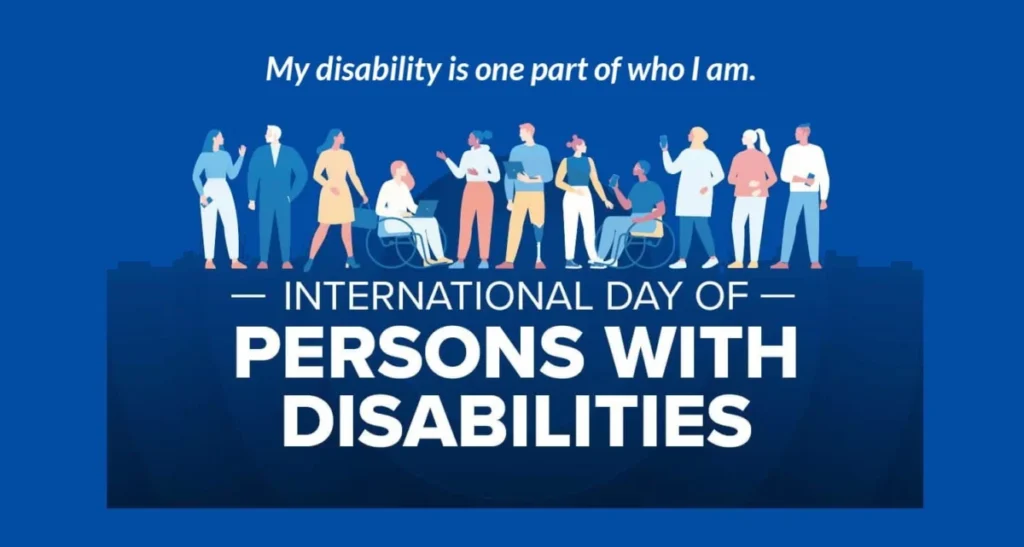
The International Day of Persons with Disabilities, observed annually on December 3rd, serves as a crucial global platform to highlight the needs and contributions of millions worldwide. As individuals approach later stages of life, the likelihood of experiencing some form of disability increases, underscoring the universal relevance of understanding and embracing the diversity of human ability. This day, established by the United Nations, is not merely a commemoration but a call to action, urging societies and workplaces to dismantle barriers and foster environments where persons with disabilities can thrive.
The Stark Reality: Employment and Wage Disparities
A significant demographic, persons with disabilities represent a substantial portion of the working-age population, yet face profound challenges in securing and maintaining employment. Data from the U.S. Department of Labor and Census Bureau indicates that between 11% and 13% of the working-age population has a disability. However, the percentage of employed individuals within this group is considerably lower, hovering around 5% to 6%. This stark discrepancy reveals a critical employment gap, where individuals with disabilities are approximately one-third as likely to hold a job compared to their non-disabled peers. This underrepresentation not only signifies a loss of economic potential for individuals but also for the broader economy.
Beyond employment rates, a persistent wage disparity further exacerbates the economic challenges faced by persons with disabilities. Research conducted by the International Labour Organization (ILO) and the World Health Organization (WHO) reveals that disabled workers earn, on average, 15% less than their non-disabled counterparts. This gap widens in developing nations, where wages can be up to 26% lower, even when adjusted for productivity and work output. In developed countries, this wage gap is estimated to be around 12%. These organizations attribute this disparity to a combination of factors, including systemic discrimination and a general lack of accessible employment opportunities.
Understanding the Spectrum of Disabilities
The term "disability" encompasses a vast array of conditions, each presenting unique challenges and requiring tailored approaches to inclusion. While many disabilities are readily visible, a significant portion of the disabled population experiences conditions that are not immediately apparent.
| Disability Type | Prevalence Rate (Working Age, Est. US) | Estimated Count (US) | Workforce Implications and Considerations