For over three decades, Irwin Simon has demonstrated an uncanny ability to anticipate and capitalize on evolving consumer trends. His career trajectory, from transforming Hain Celestial into a natural and organic food giant to orchestrating the complex merger that created Tilray Brands, offers a compelling case study in leadership, innovation, and resilience. Simon’s journey is not merely a chronicle of business success; it’s a masterclass in navigating uncharted territories, particularly within industries subject to rapid regulatory shifts and evolving consumer preferences.
Simon, a native of Cape Breton, Nova Scotia, entered the business world when the "natural and organic" movement was nascent. He recognized its potential long before it became a mainstream strategy, meticulously building Hain Celestial through a series of astute acquisitions and strategic brand development. This foundational experience laid the groundwork for his subsequent bold move into the nascent cannabis industry. In 2019, he took the helm of Aphria, a Canadian cannabis producer, and guided it through a pivotal merger with Tilray, Inc., ultimately forging Tilray Brands into a diversified global entity. Today, Simon is charting a course that many CEOs would deem audacious: building a multi-category global enterprise at the epicenter of an industry still grappling with regulatory definition.
A Look Back at Hain Celestial: Pioneering the Natural and Organic Movement
Simon’s tenure at Hain Celestial (NASDAQ: HAIN) is a testament to his foresight and execution. Founded in 1993, the company experienced exponential growth under his leadership. Simon’s strategy involved acquiring established brands and infusing them with a focus on natural and organic ingredients, appealing to a growing segment of health-conscious consumers. Brands like Celestial Seasonings, Earth’s Best, and Paul Newman’s Own became household names, contributing to Hain Celestial’s market capitalization reaching billions of dollars.
During this period, Simon was not afraid to make difficult decisions, even those that were unpopular internally. He recounts a pivotal moment when a proposed billion-dollar acquisition, which he championed, was voted down by his own team the night before closing. After sleepless deliberation, Simon sided with his team, choosing not to proceed. This experience highlights his commitment to consensus-building, tempered by his ultimate responsibility to make the final call, even if it meant going against the majority. This approach underscores a leadership philosophy that values diverse perspectives while maintaining decisive action.
The Hain Celestial story is also marked by reflection on succession and the cyclical nature of business. Simon acknowledges that after 25 years at the helm, the company’s market capitalization declined significantly after his departure. This has led him to contemplate the ideal timing for leadership transitions and the crucial role of bringing in new CEOs to steer companies into their next phases of growth. He emphasizes that while strategic acquisitions were the engine of Hain’s growth, not every deal was a home run. This candid admission of both successes and failures provides invaluable lessons for aspiring entrepreneurs and seasoned executives alike.
Transitioning to Tilray Brands: Navigating the Uncharted Territory of Cannabis
Simon’s pivot to Tilray Brands in 2019 marked a significant shift into a highly regulated and rapidly evolving industry. The U.S. federal legalization of cannabis remains a persistent uncertainty, forcing Simon to adopt a diversification strategy to achieve scale, manage capital costs, and sustain public market viability. Tilray Brands now encompasses a broad portfolio, including craft beer, spirits, beverages, and hemp-based wellness products.
This multi-category approach is a calculated response to the regulatory landscape. Simon views cannabis not just as a recreational product but as a potent medical platform with the potential to disrupt segments of the beverage industry. His strategy involves casting a wide net initially, with the long-term vision of potentially spinning off specific ventures as they mature. The financial realities of this approach are stark: funding research, innovation, and regulatory compliance often precedes significant returns on investment, demanding a long-term perspective and robust financial discipline.
The complexity of Tilray Brands’ business model presents a unique challenge. While Hain Celestial was comfortably categorized as a consumer packaged goods company, Tilray operates across multiple, distinct sectors, each with its own regulatory framework and consumer base. This lack of easy categorization, Simon suggests, can be a competitive advantage. It allows the company to adapt to shifting market dynamics and regulatory changes without being rigidly confined to a single industry’s limitations.
H2: The Pillars of Irwin Simon’s Leadership Philosophy
Simon’s career is unified by a consistent focus on building strong, challenging teams and boards. His candid reflections reveal key leadership tenets:
- Vision and Possibility: Simon possesses an innate ability to identify opportunities and envision future market landscapes. He distinguishes between genuine prospects and "ghosts"—ideas that appear promising but ultimately lack substance. This discernment is critical for allocating resources effectively.
- The People Factor: He repeatedly asserts that his best and worst decisions have centered on people. This includes strategic hires, the selection of successors, and fostering a culture where talent can thrive. His experience with "messiahs on motorcycles"—individuals who promised transformative change but failed to deliver—underscores the difficulty of finding the right leadership fit.
- Intuition and Counsel: Simon relies on his gut instincts, but this is complemented by a proactive approach to seeking diverse opinions and advice. He eschews arrogance, recognizing that while the ultimate decision rests with him, informed counsel is invaluable.
- Embracing Failure as a Learning Opportunity: Simon advocates for a 48-hour rule for decision-making, encouraging swift action. He views failure not as an endpoint but as a catalyst for learning. The critical question, he stresses, is not if a mistake was made, but what was learned and how to prevent its recurrence. This fosters an environment where calculated risks are encouraged.
H3: Strategic Diversification: A Workaround for Regulatory Hurdles
The persistent uncertainty surrounding U.S. federal cannabis reform has been a primary driver of Tilray Brands’ diversification strategy. Simon has strategically invested in sectors that offer complementary growth avenues and operational synergies.
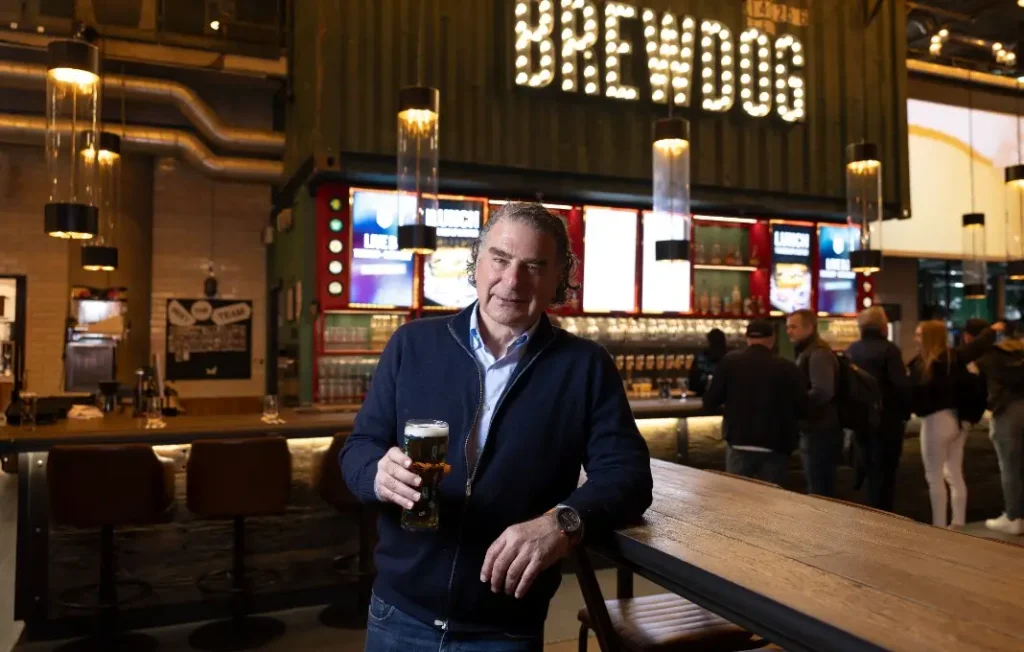
- Craft Beer and Beverages: The acquisition of craft beer brands, such as SweetWater Brewing Company, and other beverage interests, provides a stable revenue stream and a platform for innovation. Simon’s ambition is to "make beer fun again," challenging traditional perceptions of the beverage market. His collaboration with Carlsberg highlights his strategy of leveraging established market infrastructure for newer ventures.
- Spirits: Entry into the spirits market further broadens the company’s consumer reach and taps into a different, yet related, consumer demographic.
- Hemp-Based Wellness: Drawing from his experience with Hain Celestial and the acquisition of Manitoba Harvest, Simon sees significant potential in the hemp-derived wellness sector, a category that has seen sustained consumer interest.
Simon articulates a clear rationale for this diversification: scale. "Cannabis can’t get me to that billion-dollar number today," he states, emphasizing the need for a substantial business scale to absorb the costs of infrastructure, research, and innovation inherent in operating as a public company. This strategy is a pragmatic response to the limitations imposed by the current regulatory environment, allowing Tilray Brands to build financial resilience and operational breadth.
H2: Cultivating a Culture of Accountability and Innovation
Simon’s leadership style is characterized by a demand for high performance coupled with a commitment to developing talent.
- Hiring for Entrepreneurial Instinct: He prioritizes candidates with demonstrable entrepreneurial drive, those who have faced the pressures of making payroll and owning financial outcomes. He is wary of individuals solely trained in large, corporate environments, whom he believes may lack the "training wheels off" experience necessary for fast-paced, innovative companies. His analogy of not wanting to be the first date after a divorce for a corporate executive highlights his search for seasoned, resilient individuals.
- The "Open Door" and Beyond: Simon champions an open-door policy, encouraging direct communication and feedback. He actively involves the next generation of leaders in crucial decision-making processes, including board meetings and acquisitions, to foster their development and understanding. He recognizes that academic training, while important, often falls short of preparing individuals for the practical demands of the business world.
- Embracing Flexibility and Accountability: Simon acknowledges the evolving expectations of the modern workforce, particularly regarding flexibility. While offering remote work options and flexible schedules, he maintains a strong emphasis on accountability. This balance is crucial for retaining talent while ensuring business objectives are met.
- Promoting from Within: A cornerstone of his talent strategy is promoting internal candidates. He emphasizes the importance of succession planning, ensuring that immediate replacements are identified for critical roles, mitigating the risk of disruption.
Simon’s approach to team-building is rooted in fostering an environment where challenging the status quo is not only accepted but encouraged. He despises "yes people" and actively seeks out individuals who will question his assumptions and offer alternative perspectives. This creates a dynamic where innovation can flourish, and potential pitfalls are identified early.
H3: Navigating the Financial Landscape: Debt, Cash, and EBITDA
Simon’s financial philosophy is grounded in pragmatism and a deep understanding of cash flow.
- Avoiding Excessive Debt: He advocates for minimizing debt, recognizing its potential to lead to financial distress, especially during challenging economic periods. This conservative approach allows for greater flexibility and resilience.
- Cash is King: While acknowledging the importance of EBITDA (Earnings Before Interest, Taxes, Depreciation, and Amortization) as a performance metric, Simon underscores that "cash at the end of the day is what pays for everything." This focus on liquidity ensures the company’s operational stability and its ability to invest in future growth.
- The Numbers Must Work: Ultimately, Simon believes that even with passion, strategy, and the right people, the financial fundamentals must align. This underscores a results-oriented approach that balances visionary leadership with sound financial management.
H2: The Legacy of Innovation and Change Agency
As Irwin Simon contemplates his legacy, his aspirations extend beyond financial success. He aims to be remembered for his role in legitimizing the cannabis industry, shifting the narrative from recreational use to a focus on medical applications and consumer innovation. In the beverage sector, his goal is to revitalize the beer market, making it more dynamic and appealing to contemporary consumers.
Simon views retirement not as an end goal but as a state of mental stagnation. He believes in continuous engagement and the importance of keeping the brain active, drawing parallels between cognitive decline and a lack of mental stimulation. His ambition is to be recognized as an "innovator and a change agent," someone who consistently pushed boundaries and redefined industries.
His advice to his younger self, embarking on the Hain Celestial journey, encapsulates his enduring principles:
- Passion for Product: A deep belief in and enthusiasm for the products being offered is paramount.
- Teamwork: Recognizing that individual success is amplified through collaborative efforts and strong team dynamics.
- Global Ambition: The vision to build something with global reach, understanding the complexities and strategies required to achieve it.
Irwin Simon’s career is a compelling narrative of strategic vision, adaptive leadership, and an unwavering commitment to building enduring consumer brands. His journey, from the burgeoning natural food market to the complex landscape of the cannabis industry, offers invaluable lessons for anyone seeking to navigate the dynamic world of business and drive meaningful change. His story is a testament to the power of anticipating consumer needs, embracing innovation, and leading with integrity, even in the face of unprecedented challenges.