
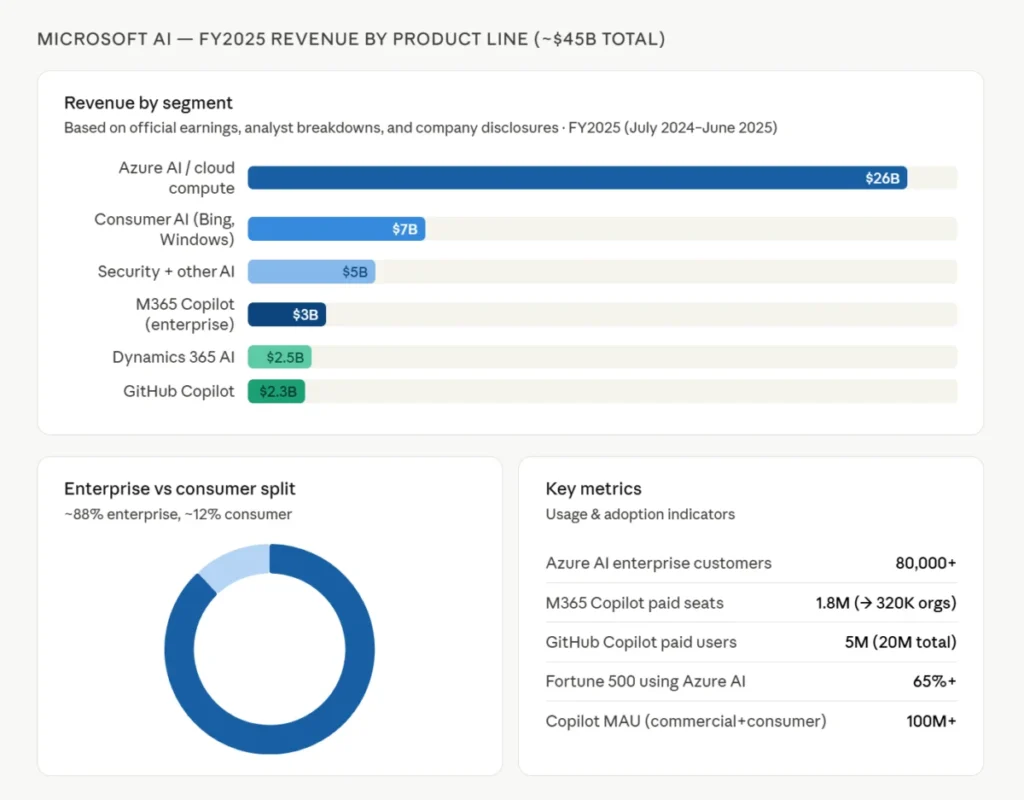
The burgeoning artificial intelligence landscape is abuzz with the potential public offerings of AI pioneers OpenAI and Anthropic. These two entities, often characterized by their rival CEOs and ambitious visions, represent the vanguard of a rapidly evolving industry. As details surrounding their potential market entries emerge, the focus sharpens on their competitive strategies and how they will carve out their market share. While the conversation has largely centered on the foundational models themselves, a compelling argument can be made that Microsoft, through its strategic integration and ecosystem development, is positioned to be the ultimate beneficiary in the enterprise AI arena. This analysis delves into the multifaceted nature of enterprise AI adoption, dissecting the critical components beyond the core models that will ultimately determine market leadership.
The Shifting Landscape of Enterprise AI
The enterprise market for artificial intelligence is not a monolithic entity. Instead, it can be broadly segmented into three interconnected pillars: the foundational AI models, the user-facing "surfaces" or applications that leverage these models, and the overarching ecosystem that supports their integration and scalability. Understanding the dynamics within each of these pillars is crucial to predicting the future victors in this high-stakes technological race.
Pillar 1: The Evolving AI Model Ecosystem
The initial wave of AI innovation focused on developing powerful, general-purpose Large Language Models (LLMs). Companies like OpenAI with GPT, Anthropic with Claude, and Google with Gemini are at the forefront of this advancement. However, the initial premise that a single model could master all tasks is proving to be an oversimplification. The enterprise market is increasingly recognizing the need for specialized models tailored to specific domains and applications.

The challenge lies in determining which model is best suited for particular use cases. Should coding and analytical tasks be entrusted to Claude? Are narrative and document-centric applications better served by OpenAI’s models? Will Gemini be the preferred choice for scientific and analytical endeavors? And where does Grok, or potentially models from Nvidia, fit into this intricate puzzle? This product-market fit is still in its nascent stages, as AI laboratories continuously refine their algorithms and training data to meet diverse enterprise needs.
Furthermore, the efficacy of an AI model extends far beyond raw computational power. The quality, breadth, and relevance of the training data are paramount. For instance, a pharmaceutical company seeking an AI solution for understanding complex protein structures and advanced genetics requires a model meticulously trained on domain-specific biological data. This realization implies that businesses will likely require a portfolio of specialized AI models rather than a single, all-encompassing solution. The claim of an AI platform doing "everything" is therefore becoming increasingly less credible in the eyes of sophisticated business buyers.
The principle of specialization is not new. Consider the trajectory of AI Galileo, an AI platform focused on HR, labor markets, skills, and management. By maintaining a laser focus on these areas, Galileo has evolved into a highly intelligent resource, capable of serving as a sophisticated management consultant for a wide array of human capital challenges. This exemplifies how deep domain expertise, cultivated through specialized training and continuous learning, can yield superior outcomes for specific enterprise needs.
Pillar 2: The Criticality of the "Surface" – Application and User Experience
Beyond the foundational models lies the crucial layer of the "surface" – the application experience that dictates how users interact with AI. This encompasses the user interface, development tools, integration capabilities, and overall ease of use. In essence, these are the applications built on top of the AI models, and their effectiveness is often more critical to enterprise adoption than the underlying LLM itself.
The enduring success of Microsoft in the PC market serves as a historical precedent. While early competitors may have offered functional software, Microsoft’s triumph was rooted in its relentless focus on the application experience, exemplified by products like Excel, PowerPoint, and Windows. The polish, integration, and user-friendliness of the Microsoft Office suite ultimately resonated with a vast user base, evidenced by its hundreds of millions of paying subscribers.
Similarly, in the current AI paradigm, user experience is paramount. If Apple’s Siri were to achieve genuine intelligence and seamless usability, it could readily capture billions of users. The specific model powering Siri would be a secondary consideration to the overall experience. For enterprise developers and IT departments, the "surface" translates into a robust toolset that simplifies the deployment, management, and integration of AI solutions. This includes:
- Intuitive Interfaces: User-friendly design that requires minimal technical expertise.
- Seamless Integration: The ability to connect effortlessly with existing enterprise systems (e.g., SAP, Oracle, Salesforce, Workday).
- Developer Tooling: Comprehensive platforms for building and customizing AI-powered applications.
- Data Connectivity: Efficient and reliable access to relevant enterprise data sources.
The ability of an AI solution to integrate with existing business software – from ERP and CRM systems to financial and human resources platforms – is non-negotiable. A flawed integration, as experienced when testing Claude’s integration with HubSpot, can render even a powerful model practically useless. The failure to retrieve accurate data or the occurrence of timeouts highlights that the "surface" – the contextual layer and its ability to query and interpret data – is as vital as the model itself.
Pillar 3: The Power of the Ecosystem – Network Effects and Partner Support
The third pillar is the enterprise ecosystem, a network of applications, integrations, tools, and third-party support that amplifies the value of an AI platform. For businesses, selecting an AI platform is not merely about acquiring a technology; it’s about investing in a comprehensive solution that can evolve and adapt.
The development of AI Galileo underscores this point. Customers frequently inquire about connecting Galileo to their existing data repositories, policy databases, and leadership frameworks. Building these integrations, which were not part of the core platform, became essential to meeting customer demands. In the enterprise AI market, where significant profit potential resides, vendors must foster an environment where partners can thrive by building upon their platforms.
Discussions with HR and IT leaders consistently reveal a dual imperative: the desire for readily available, user-friendly AI tools for immediate employee needs, coupled with the strategic requirement for a robust platform capable of developing and managing "agentic" applications. These applications are intended to complement or eventually replace existing enterprise systems, which represent trillions of dollars in investment. Critically, businesses are wary of vendor lock-in in this nascent and dynamic market, seeking flexibility and choice.
Ultimately, in this current era, the focus has shifted from the "engine" – the underlying AI model – to the "surface" – the application experience and its integration within the broader enterprise landscape. The term "AI surfaces" has gained traction, signifying the application layer that directly engages users, rather than solely the LLM. This synergy between the surface and the model is what truly defines the user experience. For corporate users, this translates into factors such as speed, usability, historical context awareness, and the sophistication of the semantic connectivity layer.
Microsoft’s Strategic Ascent in Enterprise AI
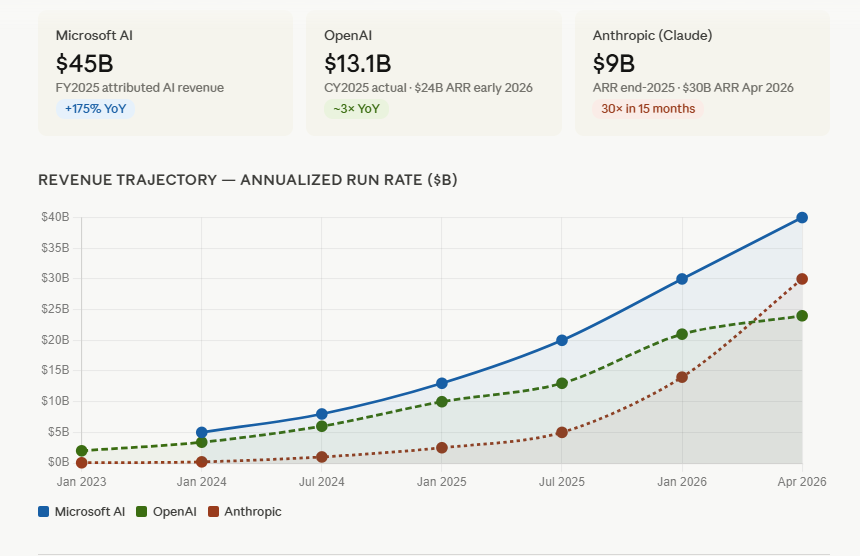
The current market dynamics suggest that Microsoft is strategically positioned to emerge as a dominant force in enterprise AI, potentially eclipsing even the most prominent AI model developers. While OpenAI and Anthropic are making significant strides, their revenue streams are largely derived from consumer subscriptions (in OpenAI’s case) and AI compute sales to other providers (in Anthropic’s case).
Financial Projections and Revenue Streams:
Estimates suggest that OpenAI’s revenue could approach $30 billion, largely driven by consumer subscriptions. Similarly, Anthropic’s revenue could reach similar figures, primarily from selling AI compute power to large enterprises and technology providers.
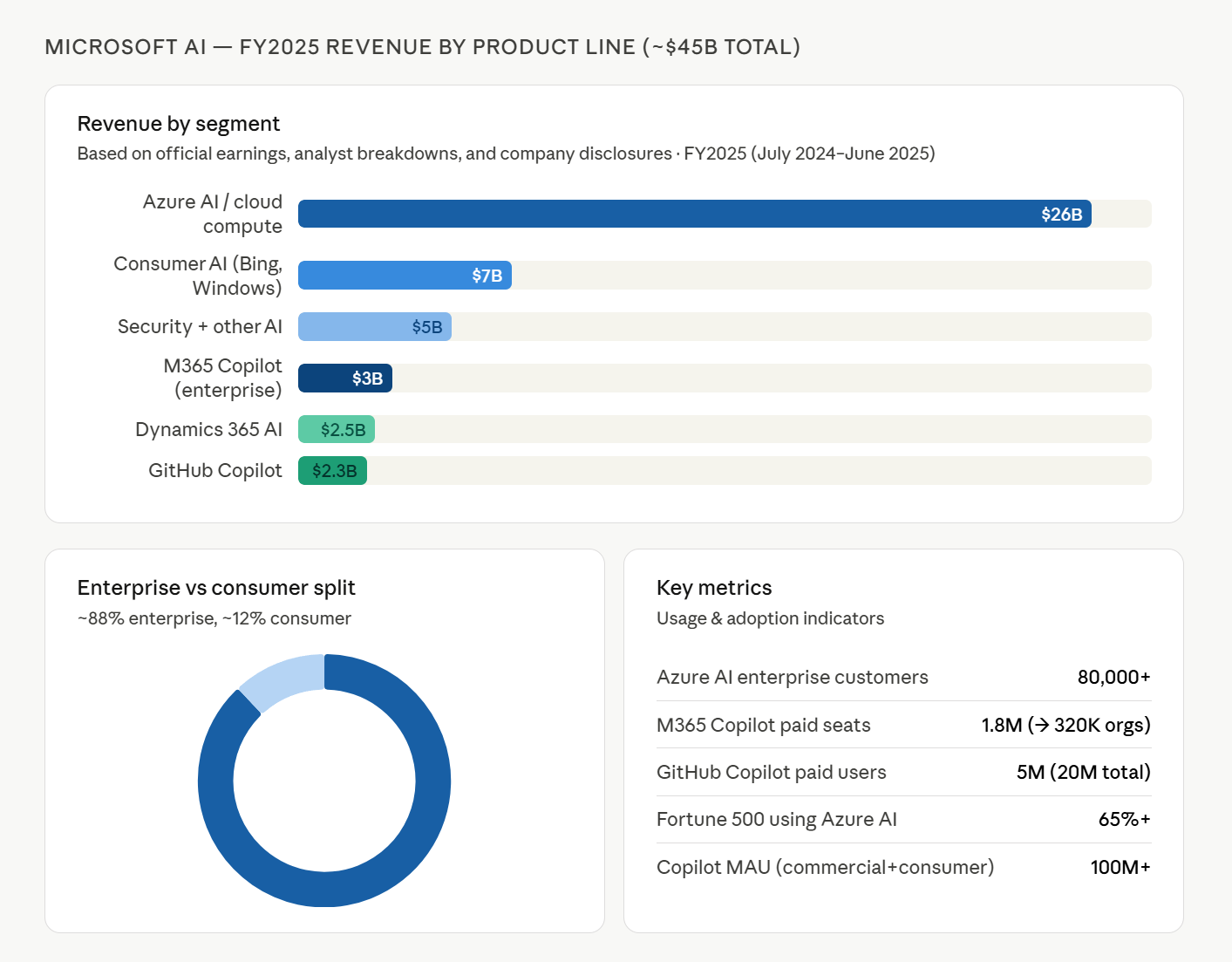
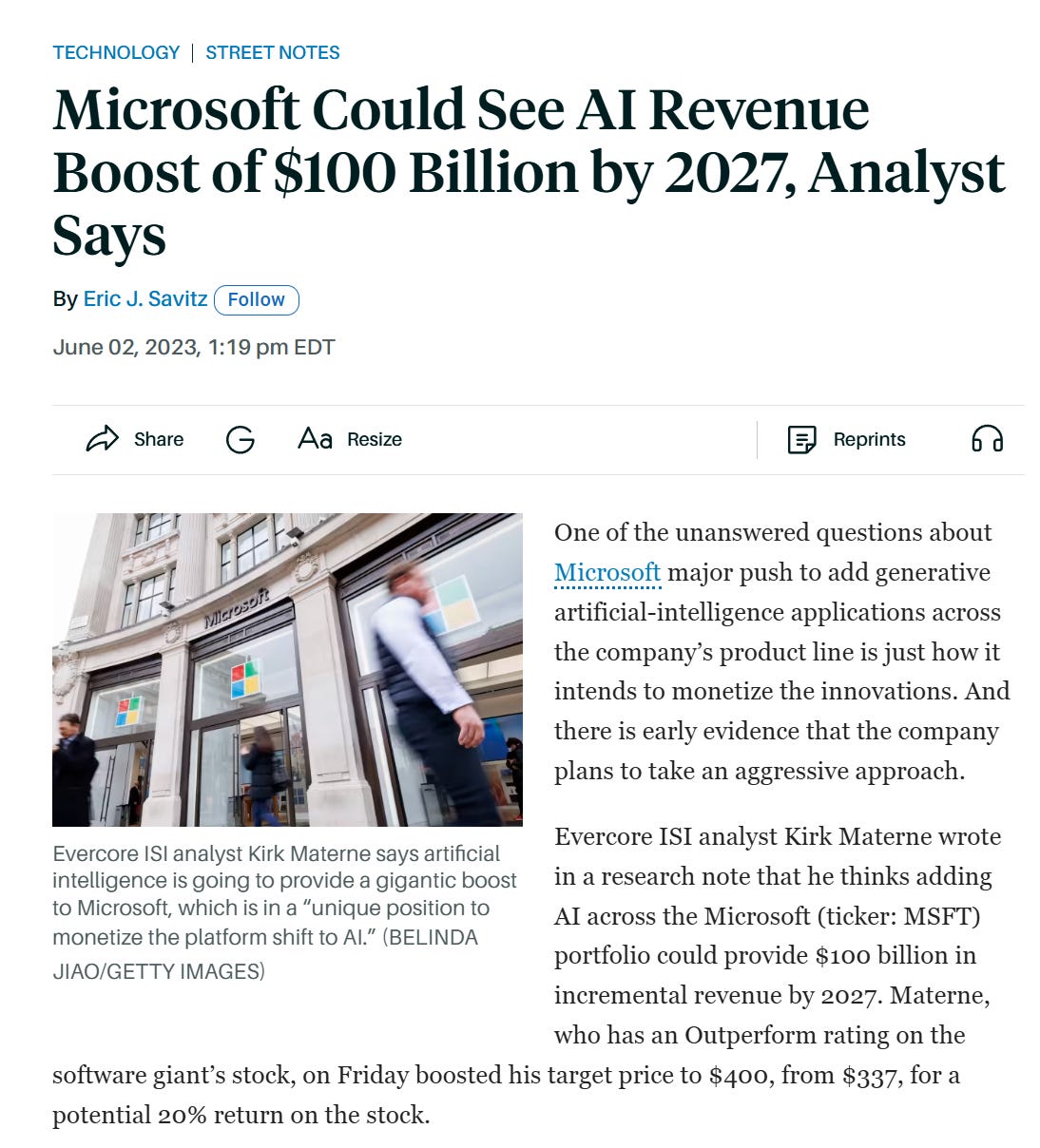
In stark contrast, Microsoft’s revenue generation in AI is deeply embedded within its existing enterprise infrastructure and customer relationships. The company projects over $100 billion in new AI revenue within the next three years, a testament to its integrated approach. This figure is bolstered by:
- Copilot Licensing: Microsoft reports 15 million licensed users of Copilot, generating an estimated $4.5-5 billion annually at an average price of $25 per month.
- Azure AI Services: Significant revenue is derived from Azure’s extensive AI compute and service offerings.
- Microsoft Cloud Growth: The broader Microsoft Cloud ecosystem, including its AI capabilities, is experiencing robust growth, with AI revenue contributing substantially to its overall expansion.
The Evolution of Microsoft Copilot: From Components to a Unified Platform
Microsoft’s strategic advantage lies in its evolution of the Copilot product. Initially conceived as an intelligent assistant integrated into individual Microsoft applications, it has transformed into a comprehensive, unified platform. This evolution has been driven by an understanding that enterprise users require more than isolated AI functionalities; they demand a cohesive experience that leverages their existing data and workflows.
Timeline of Copilot’s Development:
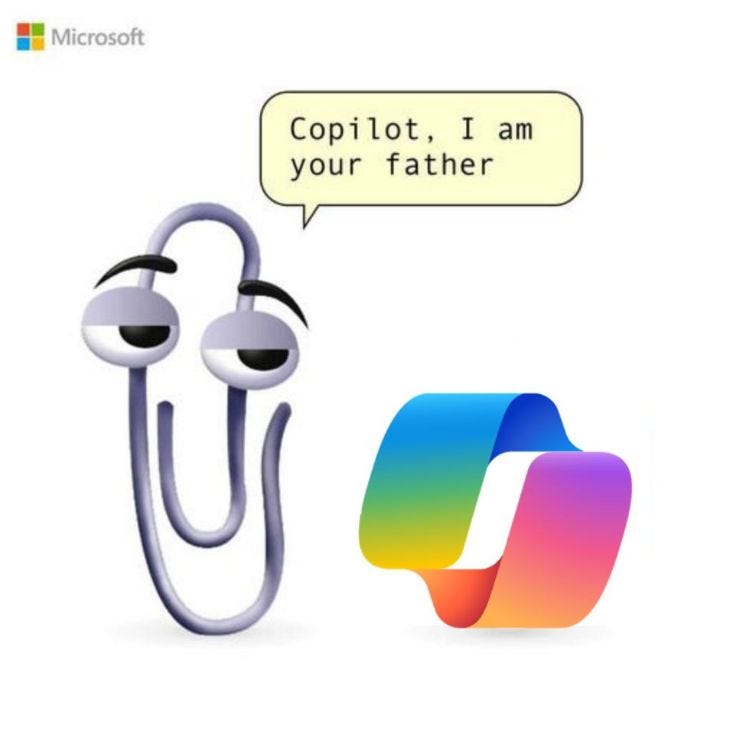
- Early Stages (2022): The initial focus was on licensing OpenAI’s ChatGPT for Bing, with early iterations of Copilot resembling an enhanced version of the iconic Clippy assistant.
- Expansion and Integration: Microsoft rapidly launched Copilot for Microsoft 365, followed by specialized versions within Dynamics, Excel, GitHub, and other core applications. This phase saw the ambitious development of numerous "surfaces" built atop ChatGPT.
- Platform Building: The introduction of Copilot Studio, Agent 365, and Work IQ marked a significant shift towards creating a broader platform for AI development and management. Concurrently, Microsoft enhanced its M365 Graph Connectors and fine-tuning capabilities to facilitate enterprise data integration.
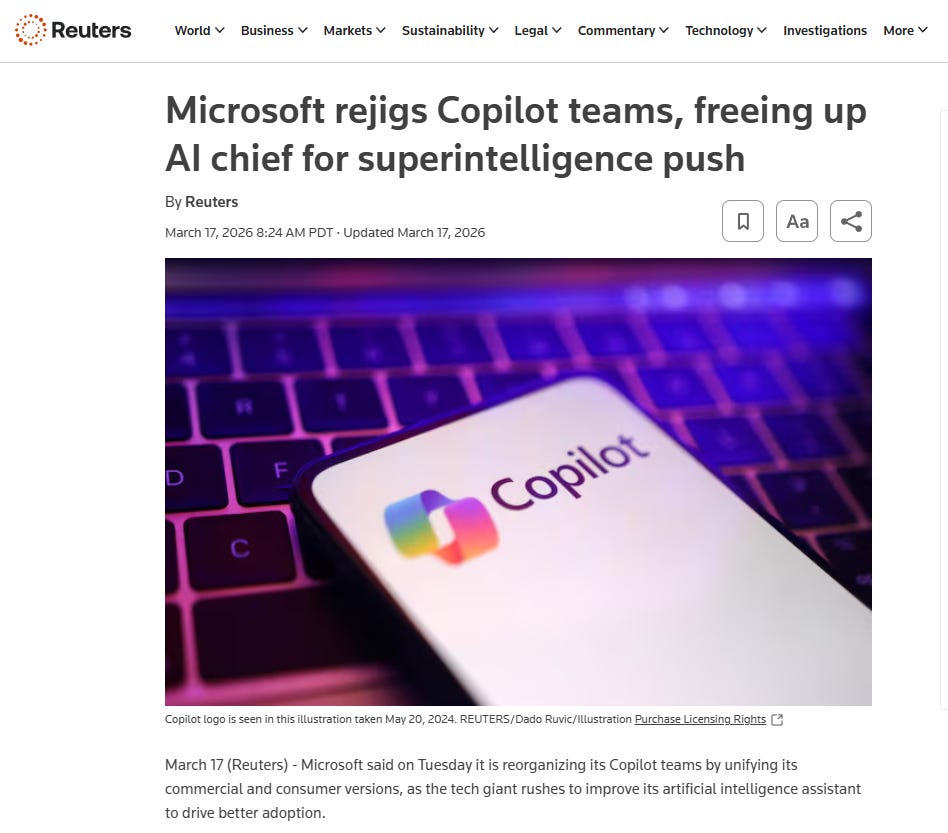
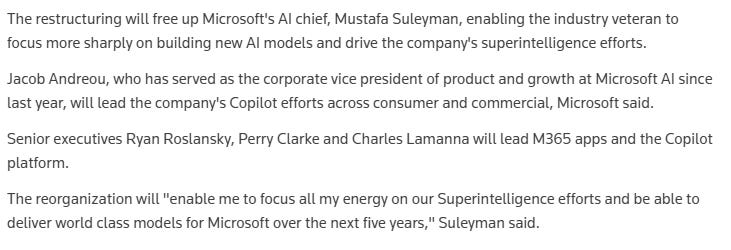
- Strategic Reorganization: Recognizing potential user confusion stemming from a fragmented product approach, Microsoft CEO Satya Nadella orchestrated a reorganization, consolidating Copilot product teams into a singular, unified organization. This strategic move, spearheaded by leaders like Ryan Roslansky (LinkedIn), Perry Clarke (Copilot Core), and Charles Lamanna (Agents and Apps), with Jacob Andreou leading Copilot growth, aims to streamline development and create a more coherent user experience.
This unified approach allows Microsoft to operate with the strategic focus of companies like Nvidia, where engineering layers are integrated around a singular vision. The implications of this organizational shift are profound:
- Unified User Experience: A more cohesive and intuitive interface for both consumer and enterprise users.
- Enhanced Model Agnosticism: The ability to seamlessly integrate and utilize models from various providers, including OpenAI and Anthropic, alongside Microsoft’s own advancements.
- Focus on Proprietary AI: Enabling Microsoft’s internal AI engineering teams to concentrate on developing their own cutting-edge models and capabilities.
- Streamlined Development: A single product organization can accelerate innovation and reduce redundancy.
Microsoft’s Unassailable Advantages
Several key factors contribute to Microsoft’s anticipated dominance in the enterprise AI market:
-
Integrated Enterprise Toolset: The corporate world demands an integrated suite of tools that encompasses desktop applications, development environments, IT management capabilities for AI agents, and seamless connectivity with legacy systems. Microsoft’s WorkIQ strategy, coupled with the extensive development of Agent365 and Copilot Studio, directly addresses this need.
-
Developer Ecosystem: The vast application development community is actively seeking more integrated toolsets. Vendors of ERP, financial, productivity, and analytics software are increasingly developing APIs to integrate with the "Copilot ecosystem." While navigating the various connection points (Teams, Graph, WorkIQ, Fabric) can be complex, the pathway to integration is becoming clearer.
-
Familiar Desktop Integration: End-users, IT departments, and PC buyers are increasingly envisioning how AI applications can coalesce within the familiar Microsoft desktop environment. The current Copilot experience is continually improving, and it is reasonable to expect top-tier UI designers to further refine its aesthetics and functionality, moving beyond its current "Frankensteinish" appearance.
-
Leveraging the Partner Network: Microsoft’s extensive partner network is poised to accelerate the adoption and development of AI solutions. As APIs for WorkIQ become available, a wider array of corporate cloud vendors, many of whom are concerned about being supplanted by AI agents, will seek opportunities to integrate with the Copilot framework.
Deepening Value Through Platform Features
Microsoft’s Copilot platform offers significant value-added features that extend its capabilities:
-
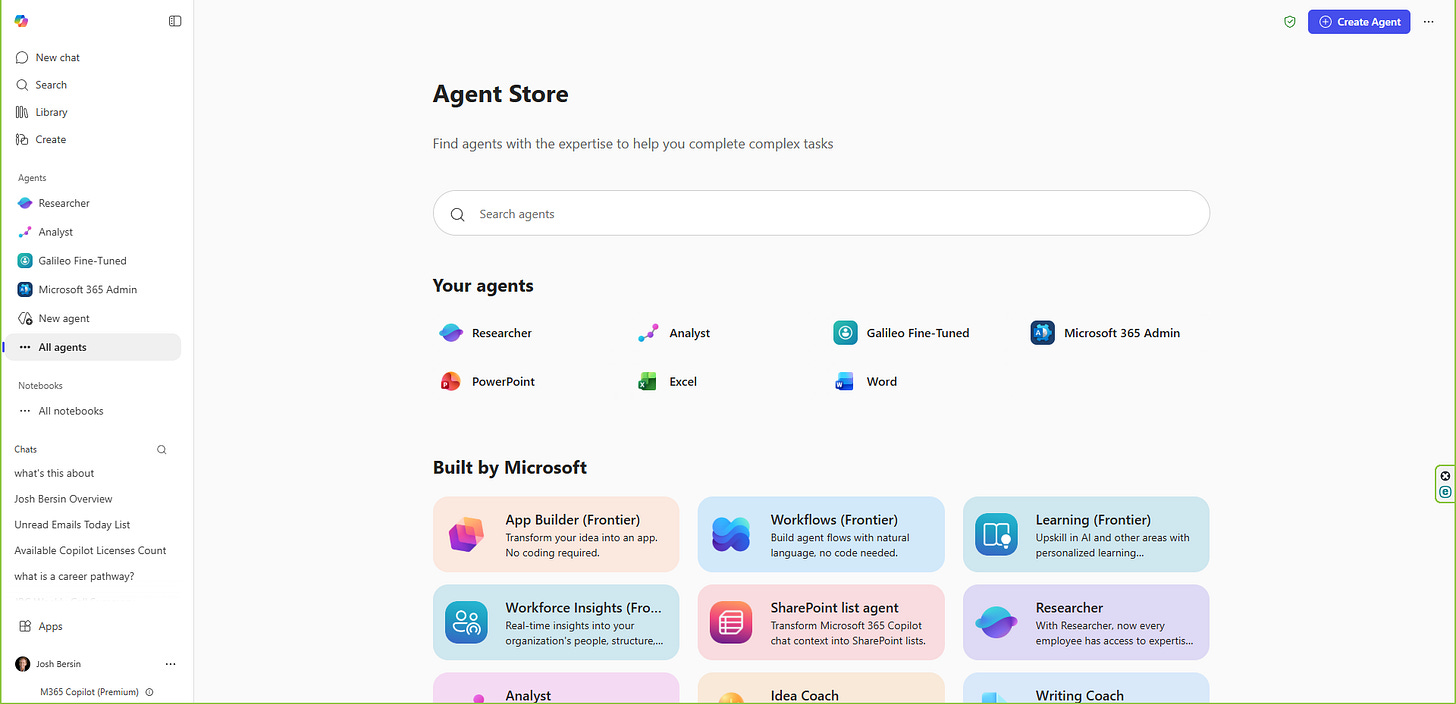
Deep Research Across MS Graph: The "Researcher" function, integrated with the Microsoft Graph, enables in-depth analysis of user data, calendars, and other information. This provides valuable advice, counsel, and contextual assistance, which, while currently not instantaneous, promises immense value as memory and context capabilities expand.
-
Intelligent Routing: A novel MS Agent feature allows users to compare query performance across different AI models, optimizing token usage and cost. Over time, this agent is expected to decompose complex AI tasks, distributing them across various specialized agents for enhanced efficiency.
-
Agentic Interface for Core Applications: The new Copilot provides an agentic interface for interacting with complex documents within Microsoft applications like Excel, PowerPoint, and Word. Users can pose questions, modify tables, and generate reports directly within Copilot, witnessing real-time document updates. This extends the "in-app" Copilot functionality across the entire Microsoft suite.
-
Intelligent Context Layer in WorkIQ: The forthcoming WorkIQ API will empower companies to import and build "context" into Copilot. This will enable the development of truly agentic solutions for HR, finance, sales, and other business functions, allowing AI to deeply understand and act upon enterprise-specific data and processes.
The integration of platforms like Galileo via Graph connectors and fine-tuned models exemplifies this trend. By expanding its API capabilities, Microsoft is enabling more sophisticated use cases, transforming Galileo into a comprehensive management and HR advisor accessible to all employees.
In conclusion, while the AI model race between OpenAI and Anthropic captures headlines, Microsoft’s strategic focus on building a comprehensive, integrated enterprise AI platform, coupled with its deep existing customer relationships and vast partner ecosystem, positions it as the likely dominant player in the enterprise AI market. The emphasis on the "surface" and the underlying ecosystem, rather than solely on foundational models, is proving to be the winning strategy.







