The prevailing narrative surrounding Artificial Intelligence often focuses on its potential to automate tasks and eliminate jobs. However, a closer examination of current trends and data suggests a more nuanced reality: AI is not merely a job destroyer, but a powerful catalyst for job creation, transforming existing roles into more engaging, valuable, and ultimately rewarding opportunities. This perspective, supported by ongoing research and real-world examples, challenges the widespread apprehension about AI’s impact on the labor market.

Challenging the Job Elimination Narrative
The fear that AI will lead to mass unemployment is a recurring theme in discussions about technological advancement. This anxiety is understandable, given AI’s demonstrated ability to perform routine and repetitive tasks with remarkable efficiency. However, this perspective often overlooks the dynamic nature of work and the capacity of human ingenuity to adapt and evolve alongside new technologies.

Josh Bersin, a leading HR and HR technology analyst, argues that this fear is largely misplaced. His research, set to be detailed in his upcoming book "Superwork," posits that AI is fundamentally a job creation technology. This is not a theoretical stance but one derived from observing daily transformations in the workforce. Instead of outright replacement, AI is augmenting human capabilities, leading to the emergence of "Superjobs" that are more complex, strategic, and fulfilling.
The Software Engineering Sector: A Case Study in Evolution
The software engineering field serves as a compelling example of how AI is reshaping, rather than eliminating, jobs. This sector, representing a significant portion of the global workforce and driving trillions in salary expenses and corporate projects, is at the forefront of AI integration.
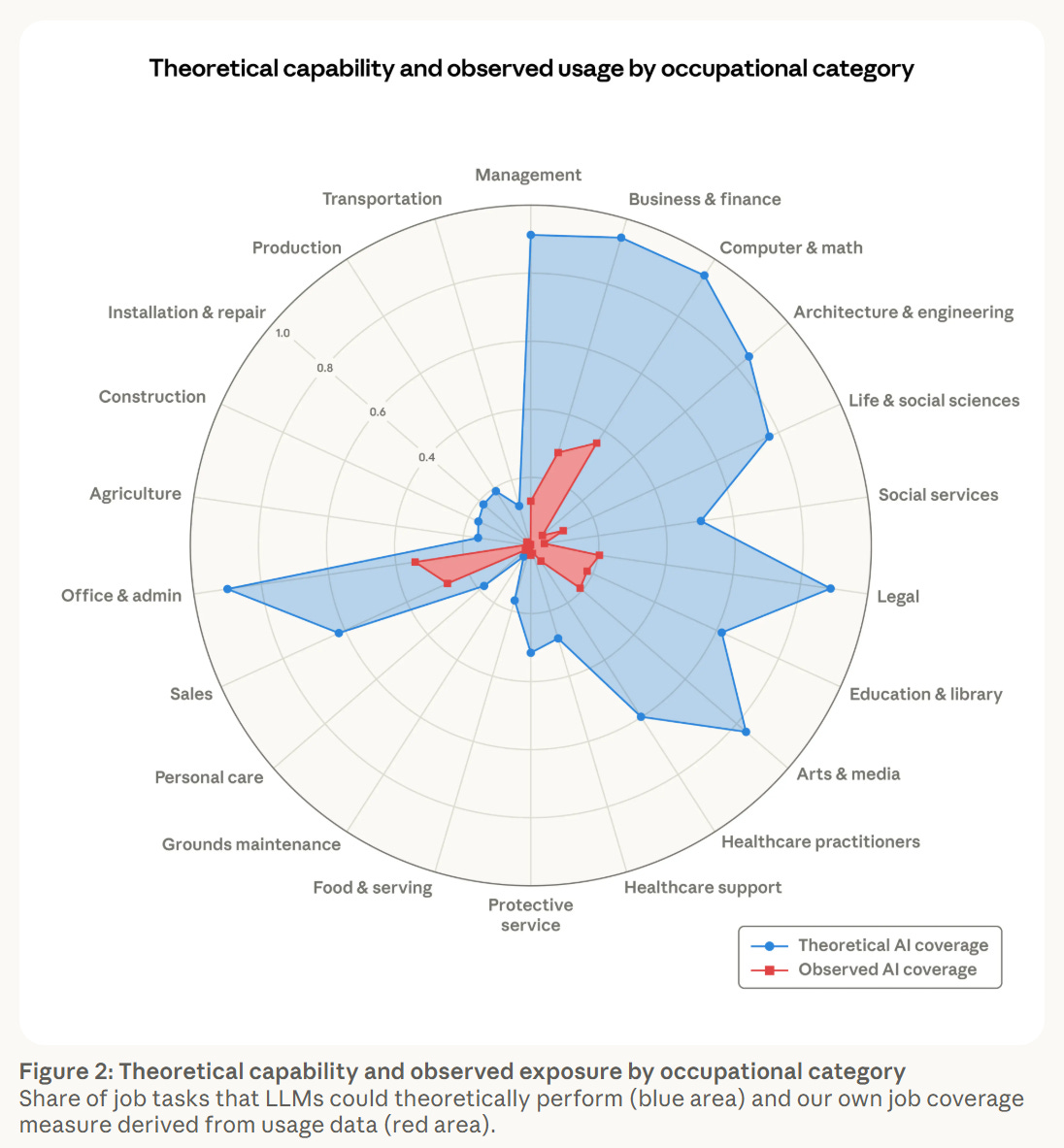
Recent analyses, such as those from Anthropic, have explored the potential for Large Language Models (LLMs) to automate a substantial percentage of tasks within software development. While this research highlights AI’s coding prowess, it often fails to capture the full spectrum of what software engineers actually do. Their roles extend far beyond mere code generation. Engineers are crucial in scoping and understanding business processes, designing complex technology architectures, refining use cases, and establishing rigorous testing frameworks. Code writing is but one component of a much larger, more strategic endeavor.
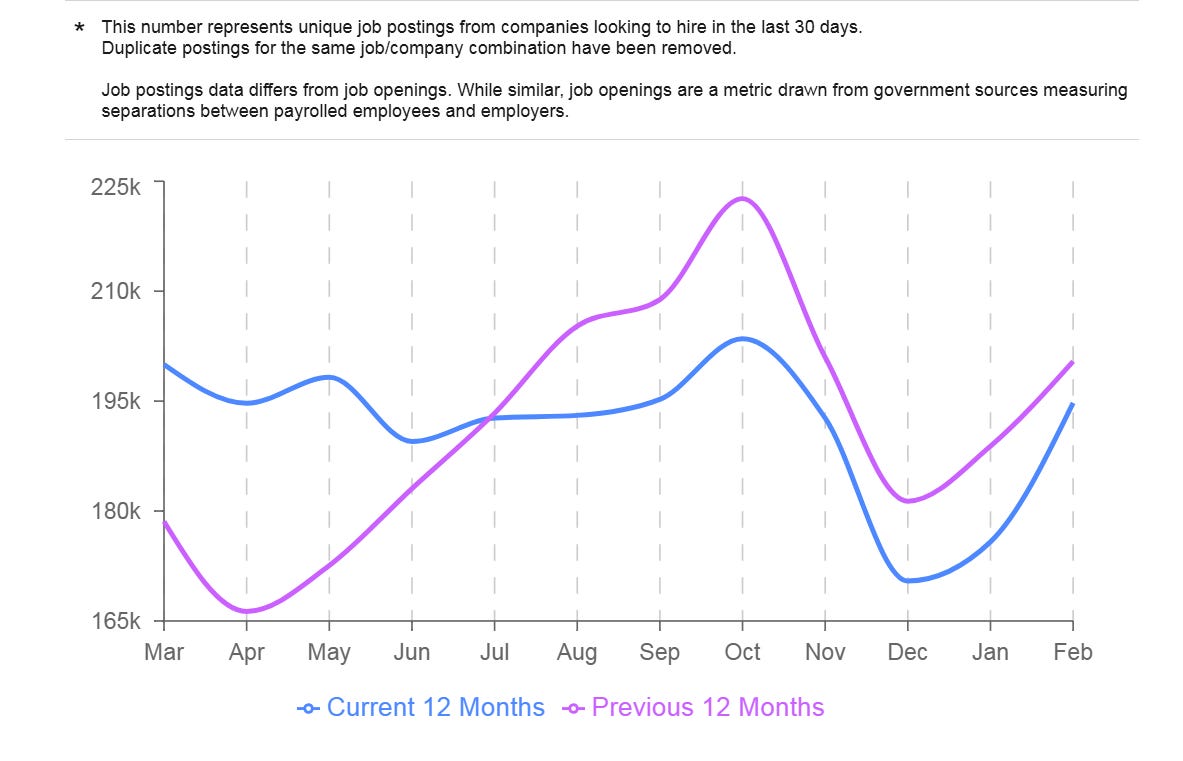
Countering the predictions of job displacement, labor market data from sources like Draup and Lightcast reveal a more complex picture. Despite the advancements in AI-powered coding tools, the demand for software engineering roles has remained robust, and in many instances, has continued to grow. Global job postings for software engineering, design, and testing roles have shown remarkable resilience. In fact, companies at the cutting edge of AI development, such as OpenAI, are simultaneously posting hundreds of new software engineering positions, indicating a surge in demand driven by the very technologies that are supposedly threatening these jobs. This growth is further fueled by IT departments across industries as they pivot to integrate AI into their operations.
Shifting Skillsets and the Rise of "Superjobs"
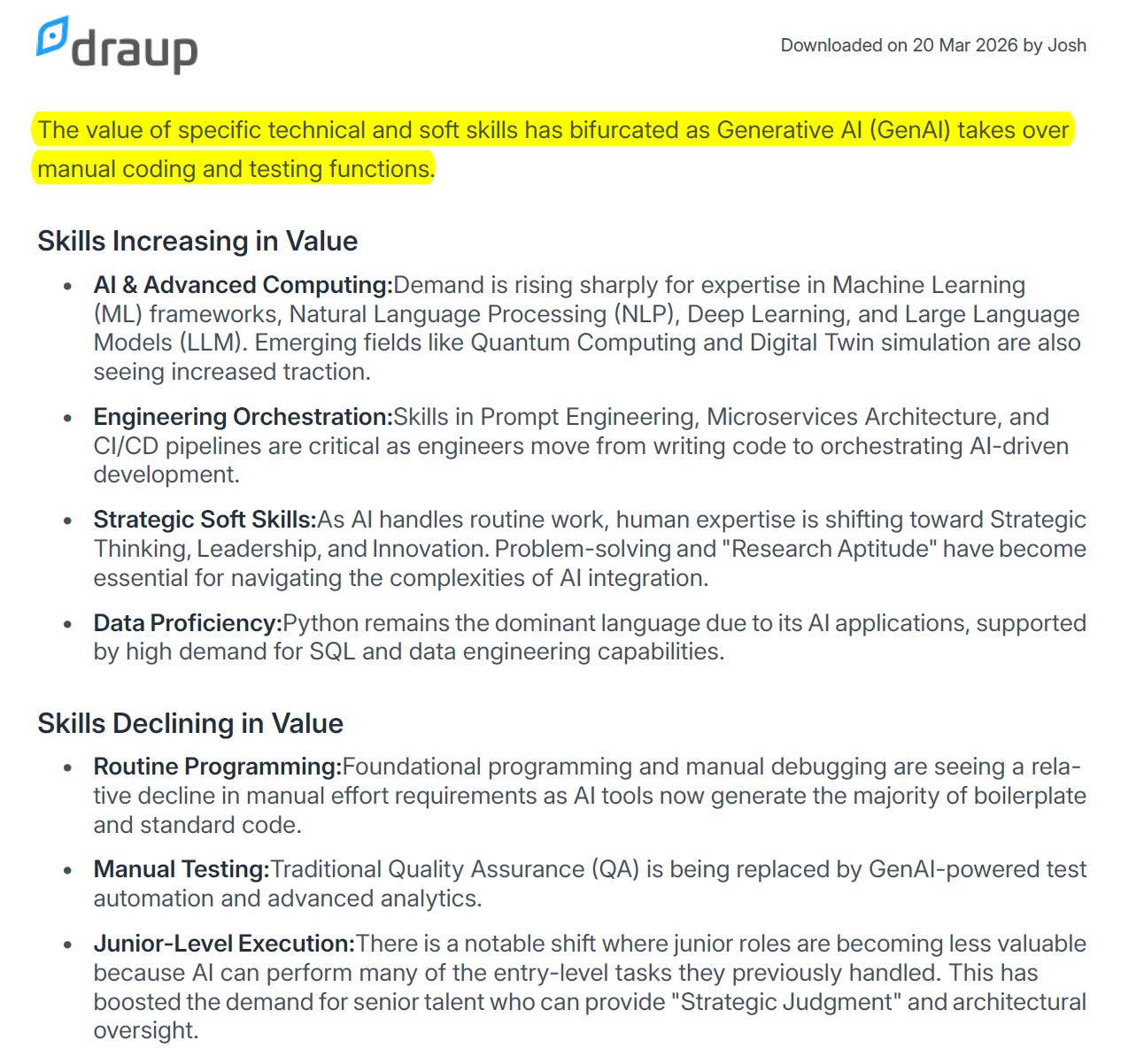
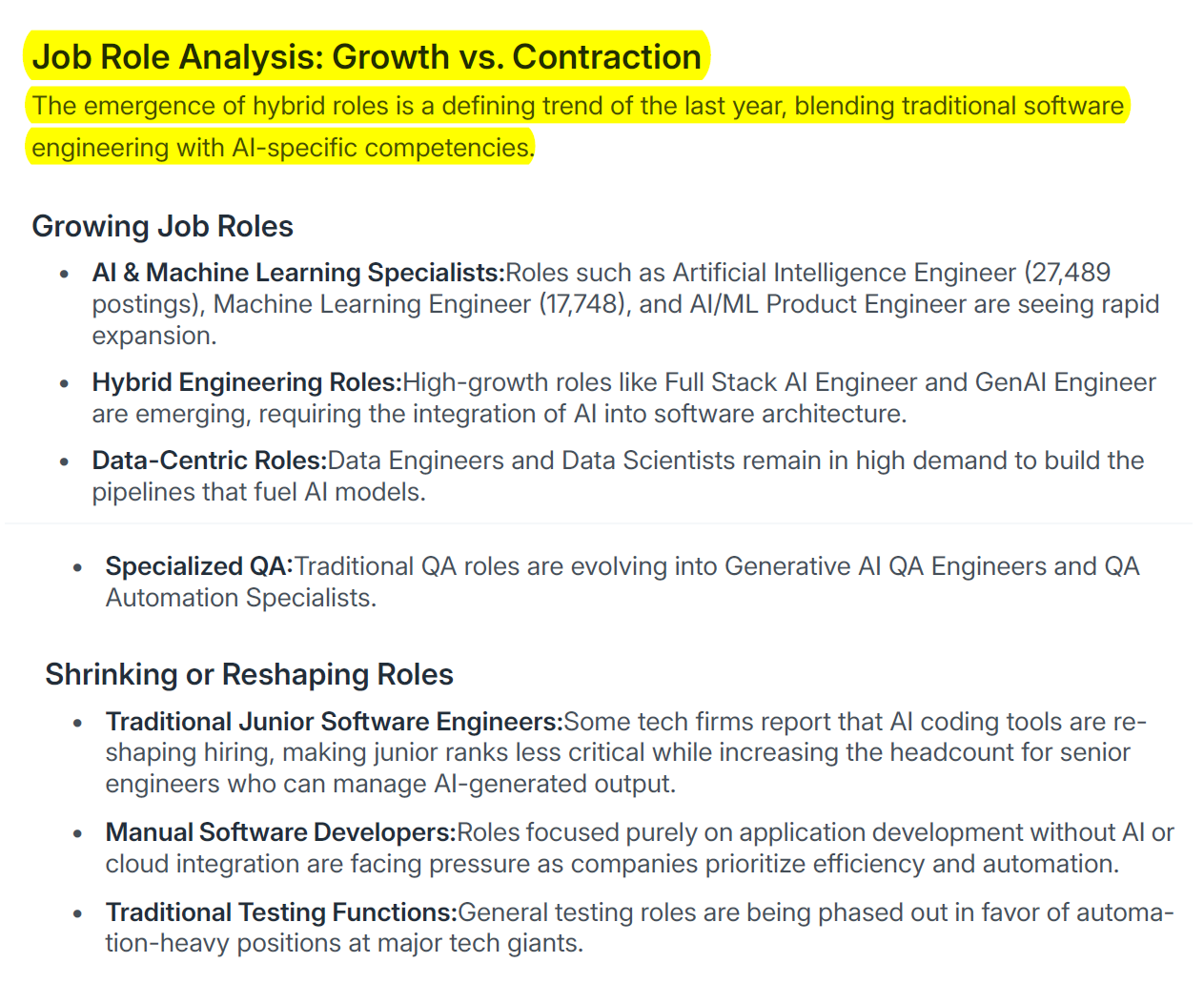
The data clearly indicates a transformation in the nature of software engineering roles, rather than a decline in their overall numbers. Analysis of job postings reveals a trend: entry-level coding and testing skills are experiencing a gradual decline in demand, mirroring historical technological shifts, such as the diminished need for traditional stenographers following the advent of word processing and the decline of secretarial roles with the proliferation of automated communication systems.
This shift is giving rise to new "Superjobs" that leverage AI as a powerful tool. Roles like "full-stack AI engineer" and "GenAI engineer" are becoming increasingly prominent, alongside AI/ML product engineers. These positions require a blend of technical expertise and strategic thinking, focusing on areas where human oversight, creativity, and problem-solving are indispensable. Conversely, more generalized coding, testing, and Quality Assurance (QA) roles are evolving or being subsumed by these more specialized, AI-augmented positions.
The Impact on Compensation: A Positive Correlation
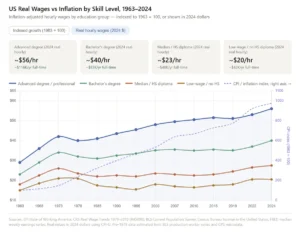
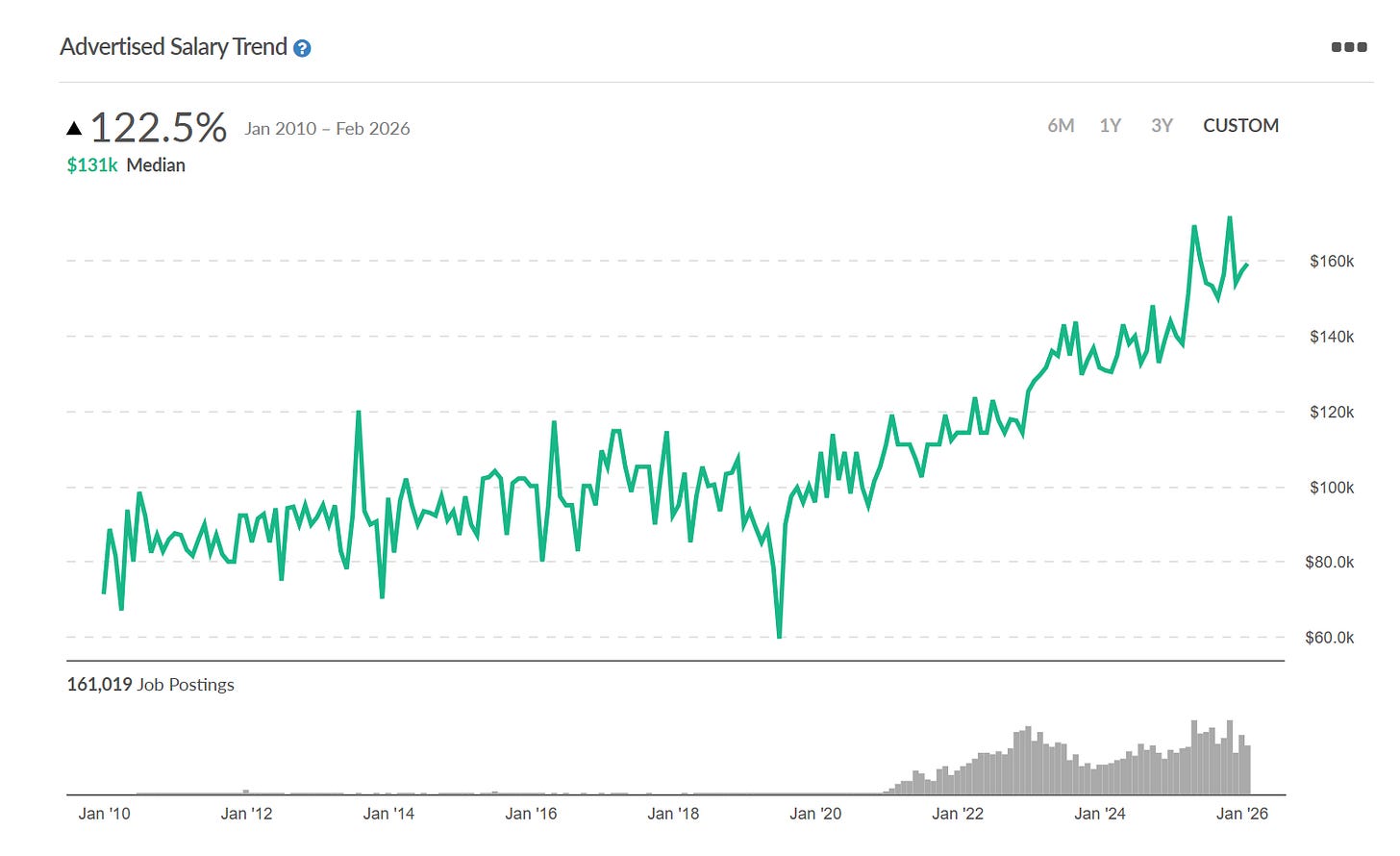
A significant indicator of AI’s positive impact on the software engineering profession is the trend in compensation. Data shows a substantial increase in software engineering salaries over the past three years, with overall salaries more than doubling over the last 15 years and experiencing a significant upward trend in the past year alone. This acceleration in pay, directly linked to the integration of AI, underscores how the technology is enhancing the value and earning potential of these roles.
Healthcare: AI as an Augmentative Force
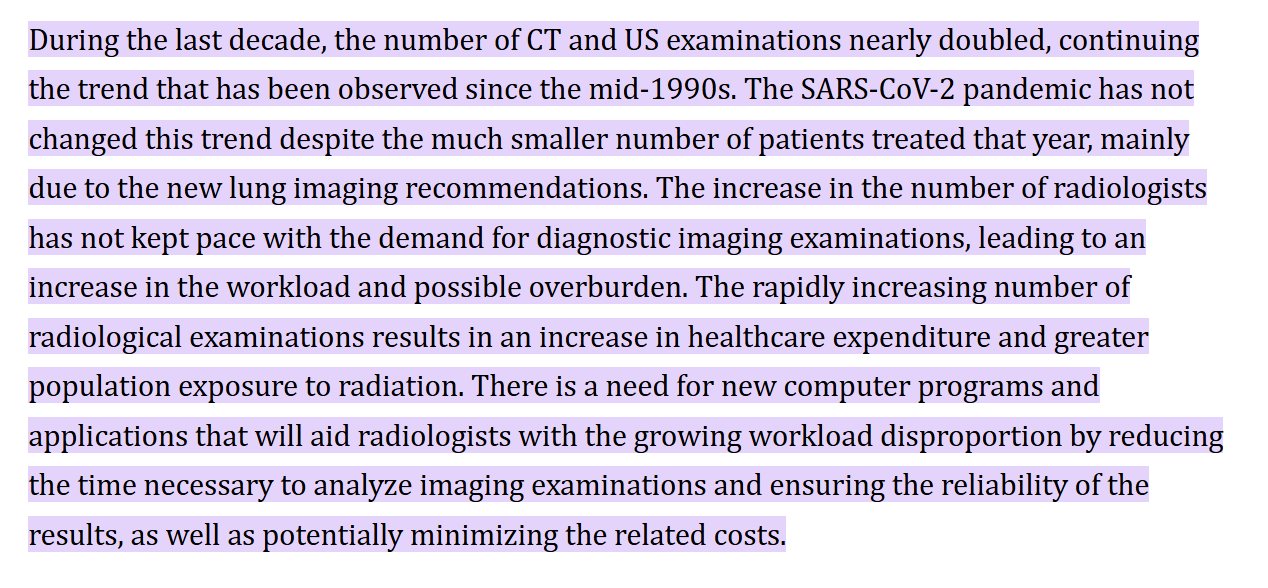
The healthcare sector provides another compelling example of how AI is transforming jobs for the better. The role of X-ray technicians and diagnosticians was once predicted to become obsolete with the advent of digital imaging and AI-powered analysis. Early economic forecasts suggested that machines would be able to "read" scans with superior accuracy, identifying anomalies like cancer and damage more effectively than human professionals.

However, the reality has unfolded differently. While AI has indeed become a powerful tool for medical image analysis, it has not led to the elimination of X-ray technicians. Instead, job postings for imaging and medical diagnostics have seen a significant year-over-year increase, with data from Lightcast indicating a 35% rise. This surge in demand is a direct consequence of AI’s ability to enhance diagnostic capabilities and increase the volume of procedures that can be performed.
Evolving Roles and Enhanced Patient Care

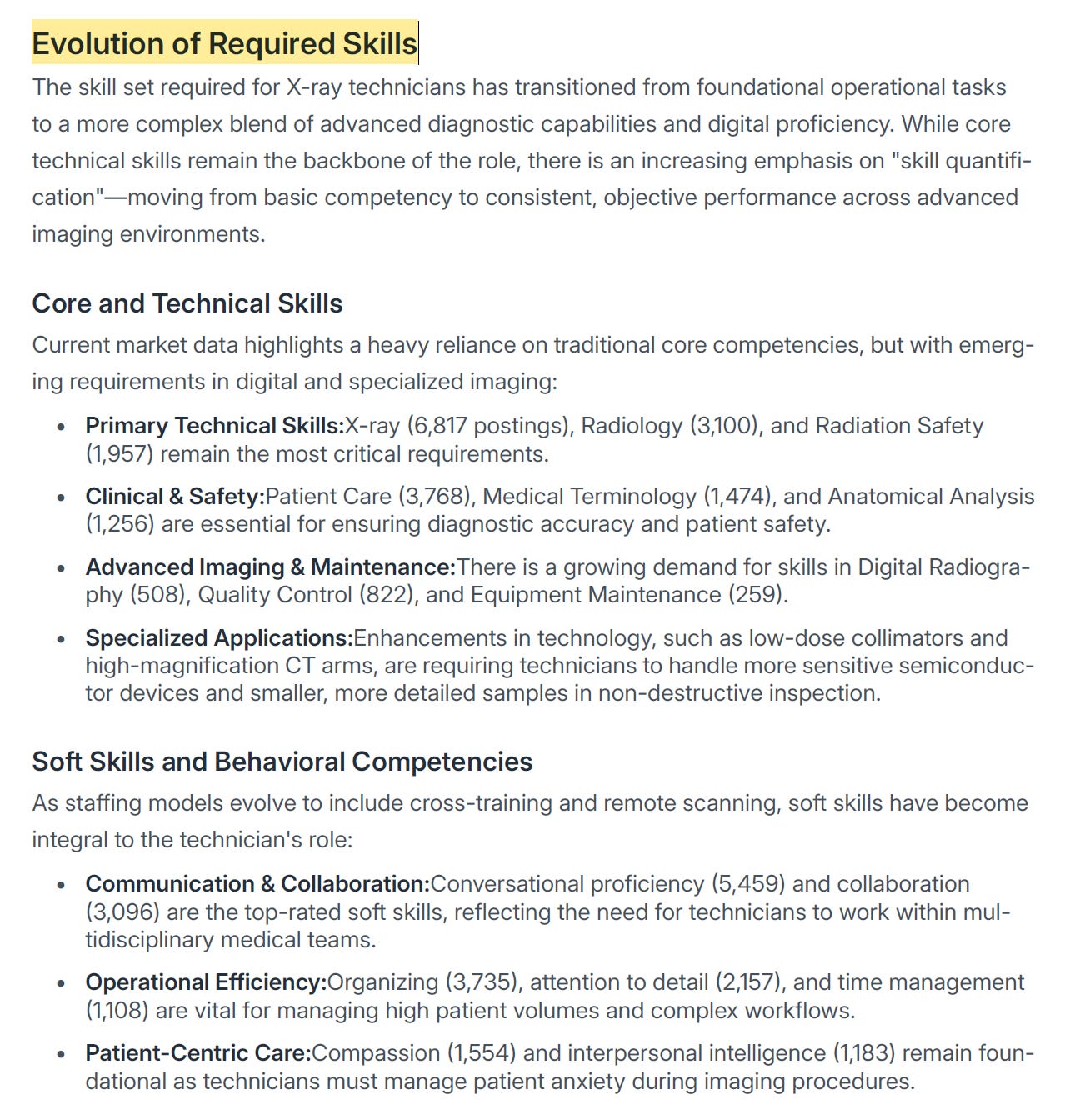
The integration of AI in healthcare has shifted the focus of these roles. With AI handling initial diagnostic screenings and anomaly detection, professionals are increasingly involved in more complex and human-centric aspects of patient care. New roles have emerged in areas such as data management for AI systems, direct patient interaction, and sophisticated interpretation of AI-generated insights.
The personal experience of a patient seeking diagnosis for a cough illustrates this evolution. A quick X-ray, facilitated by advanced imaging technology and an efficient scheduling system, led to a rapid diagnosis delivered by phone while still en route home. This streamlined process, which would have previously involved lengthy waits and multiple follow-ups, highlights how AI has improved efficiency and patient experience. The doctor and imaging specialist, in this scenario, are not replaced but transformed into "Superworkers," leveraging technology to provide faster, more effective care.

The Underlying Principles: Human Adaptability and Value Creation
The observation that technology does not "eliminate" jobs, but rather "changes" them, is a historical constant. This phenomenon, observed over centuries, is testament to humanity’s innate capacity for adaptation. The consistent US unemployment rate, hovering around 4.5% for many years, serves as evidence of this resilience. Leaders play a crucial role in facilitating and guiding this transition, ensuring that individuals and organizations can navigate the evolving landscape of work.

The core of this adaptability lies in human nature. As genetically powered creatures, humans possess a remarkable ability to learn and evolve. This is evident from the rapid learning curves observed in infants to the complex problem-solving skills demonstrated throughout life. Furthermore, humans are inherently "value creators," driven by an instinct to improve and innovate. This drive is the bedrock of business and societal progress.
Technology, including AI, serves as a powerful tool that amplifies this human capacity for innovation. Whether it’s advancements in AI, self-driving vehicles, or medical breakthroughs, these innovations enable us to push boundaries, scale our efforts, and achieve previously unattainable goals. The pandemic, for instance, demonstrated humanity’s ability to adapt to unforeseen challenges, and individuals facing personal adversity often find ways to thrive through ingenuity and change.
The Future of Work: Expansion and Growth
The narrative that AI will lead to widespread unemployment is, therefore, a limited one. Instead, AI is poised to liberate individuals from tedious and repetitive tasks, allowing them to focus on higher-level, more creative, and strategic work. This liberation fosters an environment for growth – growth in companies, in careers, in individual potential, and in our collective ability to address complex challenges.
The concept of "Superworkers" and "Superjobs" signifies a future where human intelligence, augmented by AI, leads to unprecedented levels of productivity and innovation. These roles are characterized by a greater emphasis on critical thinking, creativity, emotional intelligence, and strategic decision-making – precisely the areas where humans excel.
Further Exploration and Resources
For those seeking to delve deeper into the evolving landscape of AI and its impact on the workforce, several resources offer valuable insights:
- Podcasts: Regular episodes discussing emerging trends, vendor landscapes, and technological advancements related to AI and the future of work.
- Conferences: Events such as "Irresistible 2026" provide platforms for leaders to connect, share knowledge, and strategize on navigating these transformative changes.
- Research Platforms: Comprehensive repositories of research, case studies, and data models, offering real-time updates on AI’s impact on various industries and job functions. Platforms like Galileo provide access to in-depth analyses, including specific research on "2026 AI Imperatives."
- Superworker Studies: Dedicated research focusing on the emergence of augmented human capabilities and the future of work.
- Historical Perspectives: Examining foundational articles on the changing nature of employment provides context for understanding current technological shifts.
By embracing AI as a tool for augmentation and innovation, rather than fearing it as a harbinger of job loss, we can unlock a future of enhanced productivity, greater job satisfaction, and sustained economic growth. The evolution of work is not about replacement, but about transformation and the elevation of human potential.