April marks National Volunteer Month, a dedicated period to recognize and amplify the profound impact of individuals who contribute their time and energy to betterment of their communities. This observance culminates in National Volunteer Week, from April 19th to 25th, serving as an inspiring catalyst for collective action and a reminder of the inherent power within each person to effect positive change, regardless of their location or circumstances. For organizations like Reward Gateway | Edenred, this month offers a crucial opportunity to highlight their commitment to fostering a culture of service and supporting their employees in meaningful community engagement.
Reward Gateway | Edenred actively champions volunteerism by providing all employees with Volunteer Time Off (VTO). This initiative allocates specific paid days away from regular work duties, empowering staff to dedicate their efforts to causes they care about within their local areas. As a company striving to enhance the workplace experience for organizations globally, Reward Gateway | Edenred views the personal commitment of its employees to community service as a vital extension of its core mission. This approach acknowledges that a thriving work environment is often intertwined with a vibrant and engaged community.
The impetus behind personal involvement in volunteering can stem from various sources, often rooted in a sense of privilege and a desire to extend opportunity. For many, recognizing their own advantages fuels a drive to create pathways for others to access similar opportunities. This altruistic motivation is frequently complemented by a personal yearning for connection and belonging. The desire to collaborate with like-minded individuals who share a commitment to improving their surroundings can be a powerful motivator, fostering a sense of shared purpose and collective efficacy.
Research from Baylor University offers compelling insights into the psychological underpinnings of generosity. An article published by the university highlights experimental data demonstrating that inducing feelings of gratitude can significantly increase an individual’s willingness to contribute time, money, and effort to volunteering. Notably, this generosity often extends beyond the direct beneficiary of the gratitude, influencing actions towards strangers with whom no prior relationship exists. This suggests that a fundamental human drive towards altruism, potentially linked to gratitude, may be innate, influencing our inclination to give back even when direct reciprocity is unlikely. While the genesis of individual volunteering efforts may not always be a direct response to such studies, the findings underscore a plausible explanation for the deep-seated human impulse to contribute to the well-being of others.
The Genesis of Giving: Personal Reflections and Societal Observations
The author’s personal journey into volunteering was profoundly shaped by witnessing societal challenges firsthand. Experiences such as observing children making sacrifices to support their families, the struggles of individuals facing healthcare accessibility issues, and the pervasive effects of housing insecurity have served as potent catalysts. These observations fostered a deep-seated conviction that one’s time is an invaluable resource that can be strategically leveraged for impactful contribution.
In the author’s early twenties, a period characterized by demanding full-time and part-time employment, the evenings and weekends emerged as the primary windows for community involvement. This phase was marked by an ambitious, perhaps even audacious, belief in unlimited personal energy. However, the adage "where there’s a will, there’s a way" became a guiding principle, underscoring the power of determination in overcoming logistical hurdles.
As life progresses, opportunities for volunteering often present themselves organically, aligning with evolving personal circumstances and community needs. A significant challenge encountered in the initial stages of volunteering was identifying the most suitable niche and establishing sustainable boundaries for time commitment. An early tendency to overcommit led to an imbalance in personal life, a situation rated as highly undesirable. This period served as a critical learning experience, emphasizing the importance of self-awareness and strategic allocation of resources.
Finding Equilibrium: The Art of Sustainable Volunteerism
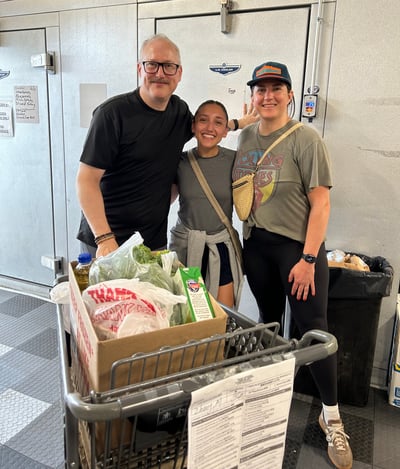
The process of determining where to volunteer and how much time to dedicate proved to be a significant hurdle. To safeguard personal well-being, foster continuous personal growth, and maintain career performance, a deliberate scaling back of volunteer commitments was necessary. This adjustment led to a more manageable pace, dedicating approximately one day per week to volunteer activities. This revised approach fostered a healthier work-life balance, sustained engagement, and provided the desired sense of connection, while still enabling tangible contributions to prioritized causes and organizations.
As life circumstances continued to evolve, the commitment naturally adjusted, transitioning to a monthly engagement. This adaptation underscored a crucial understanding: the capacity for giving ebbs and flows with the different phases of life. The author acknowledges the possibility of increasing participation in the future, reflecting a flexible and adaptive approach to community service. This philosophy highlights that meaningful contribution is not solely defined by the quantity of hours but by the consistency and dedication brought to the effort.
Collective Impact: The Power of United Action
The concept of collective impact, where individual efforts converge to create a force greater than the sum of its parts, is central to the philosophy of impactful volunteering. A stark illustration of this potential is the hypothetical scenario where every adult in America volunteers just one day per month. This would translate into an astonishing approximately 100 million volunteer hours, a figure that underscores the transformative power of widespread community participation.
The author’s persistent feeling of gratitude for personal circumstances fuels a profound desire to help others experience similar levels of well-being. This aspiration serves as a powerful motivator, not only for personal engagement but also as an inspiration for others to become involved. The "formal pitch" for volunteering emphasizes the low barrier to entry and the flexibility available. The advice to explore different organizations and not hesitate to move on if a particular group doesn’t align with one’s preferences is practical and encouraging. Many organizations now offer virtual orientations, allowing individuals to gauge commitment levels and organizational structures remotely, thereby streamlining the process of finding a suitable fit.

The proliferation of online platforms and apps for volunteer sign-ups further simplifies the process, enabling individuals to easily identify opportunities that complement their existing schedules. The message is clear: with countless causes and organizations actively seeking support, a place exists for everyone to contribute.
Broader Implications and the Future of Engagement
The reality of modern life often precludes structuring one’s entire existence around volunteerism. However, the understanding that even a few hours dedicated to a cause after work, just once a month, can profoundly alter someone else’s life – and potentially one’s own – is a compelling testament to the enduring value of community service. This perspective shifts the focus from grand, all-consuming commitments to achievable, consistent contributions that yield significant ripple effects.
For HR professionals and employee engagement leaders, National Volunteer Month serves as a vital reminder of the multifaceted benefits of encouraging and facilitating volunteerism within the workplace. Integrating volunteer opportunities into company culture can lead to enhanced employee morale, stronger team cohesion, and a more positive organizational reputation. Such initiatives not only contribute to societal well-being but also foster a sense of purpose and belonging among employees, directly impacting engagement levels and overall job satisfaction.
As companies look to strategically plan for employee engagement initiatives, leveraging resources such as HR planning calendars becomes crucial. These calendars can help identify key dates and opportunities for celebrating milestones like National Volunteer Month, thereby providing a framework for creating meaningful and impactful employee experiences. By proactively incorporating community service into the corporate agenda, organizations can cultivate a culture of giving that resonates deeply with their workforce and extends its positive influence far beyond the office walls. The integration of volunteerism into corporate social responsibility strategies is not merely an altruistic endeavor but a strategic investment in human capital and community development, yielding benefits that are both immediate and long-lasting. The ongoing evolution of volunteerism, particularly in response to technological advancements and shifting societal needs, promises to further amplify its impact in the years to come.