As the landscape of corporate wellness continues to evolve, small and mid-sized enterprises (SMEs) are increasingly seeking ways to manage the escalating costs of health insurance without compromising legal standing or talent acquisition. In 2026, the regulatory environment surrounding health benefit eligibility has become more complex, requiring a precise understanding of federal non-discrimination rules. While the desire to limit health benefits to specific segments of a workforce is a common strategy for cost containment, the Internal Revenue Service (IRS) and the Equal Employment Opportunity Commission (EEOC) maintain strict guidelines to ensure that such distinctions are based on legitimate business criteria rather than prohibited discriminatory factors.
Under current federal law, the requirements for offering health benefits are primarily dictated by the size of the organization. Applicable Large Employers (ALEs)—defined as those with 50 or more full-time equivalent (FTE) employees—remain subject to the Affordable Care Act’s (ACA) employer mandate. These organizations are legally required to offer affordable, minimum-value health coverage to at least 95% of their full-time staff. Conversely, small employers with fewer than 50 FTEs are under no federal mandate to provide health insurance, yet many do so to remain competitive in a tight labor market. For both groups, the challenge lies in the execution: if an employer chooses to offer benefits, they must do so within the framework of "bona fide employment-based classifications."
The Evolution of Benefit Compliance: A Chronological Context
The current regulatory framework is the result of nearly two decades of legislative and administrative adjustments. Understanding the timeline of these changes is essential for compliance officers and business owners navigating the 2026 benefits cycle.
The journey began in 2010 with the passage of the Patient Protection and Affordable Care Act (ACA), which established the foundation for modern employer mandates. However, a significant turning point occurred in 2011, when the IRS issued Notice 2011-1, which indefinitely delayed the enforcement of non-discrimination rules for fully-insured health plans. This delay created a long-standing disparity between fully-insured and self-insured plans that persists today.
By 2017, the Small Business Healthcare Relief Act introduced the Qualified Small Employer Health Reimbursement Arrangement (QSEHRA), allowing small businesses to reimburse employees for individual premiums tax-free. This was followed in 2020 by the introduction of the Individual Coverage Health Reimbursement Arrangement (ICHRA), which expanded these capabilities to employers of all sizes and introduced the concept of the 11 "employee classes." By 2026, these HRA models have become the primary vehicle for "defined contribution" health strategies, shifting the focus from selecting a one-size-fits-all plan to providing a fixed dollar amount for personalized coverage.
Legal Frameworks for Employee Classification
To legally offer different levels of benefits or restrict eligibility, an employer must utilize classifications that relate directly to the employee’s professional status. The IRS and the Department of Labor (DOL) do not allow employers to invent their own categories; they must adhere to established "bona fide" classes.
Commonly accepted classifications include:
- Full-time vs. part-time status
- Salaried vs. hourly pay structures
- Geographic location (often based on rating areas or state lines)
- Membership in a collective bargaining unit (union vs. non-union)
- Date of hire (often used for grandfathering older benefit structures)
- Length of service or waiting periods
Industry data suggests that as of 2026, nearly 40% of mid-sized businesses utilize at least two different benefit structures across their workforce, often separating field staff from corporate headquarters or distinguishing between seasonal and permanent employees. However, the application of these classes must be uniform. For instance, if an employer offers a $500 monthly allowance to full-time employees, every individual meeting the "full-time" definition must receive the same offer to avoid "similarly situated" discrimination claims.
Identifying and Avoiding Discriminatory Practices
The EEOC’s Compliance Manual on Employee Benefits serves as the definitive guide for avoiding prohibited factors in benefit design. Federal law protects several individual characteristics, and any benefit structure that inadvertently or intentionally targets these groups can lead to severe litigation and financial penalties.
Prohibited factors include race, color, religion, sex (including pregnancy, sexual orientation, and gender identity), national origin, age (40 or older), disability, and genetic information. Furthermore, many states have expanded these protections to include marital status, weight, and political affiliation.
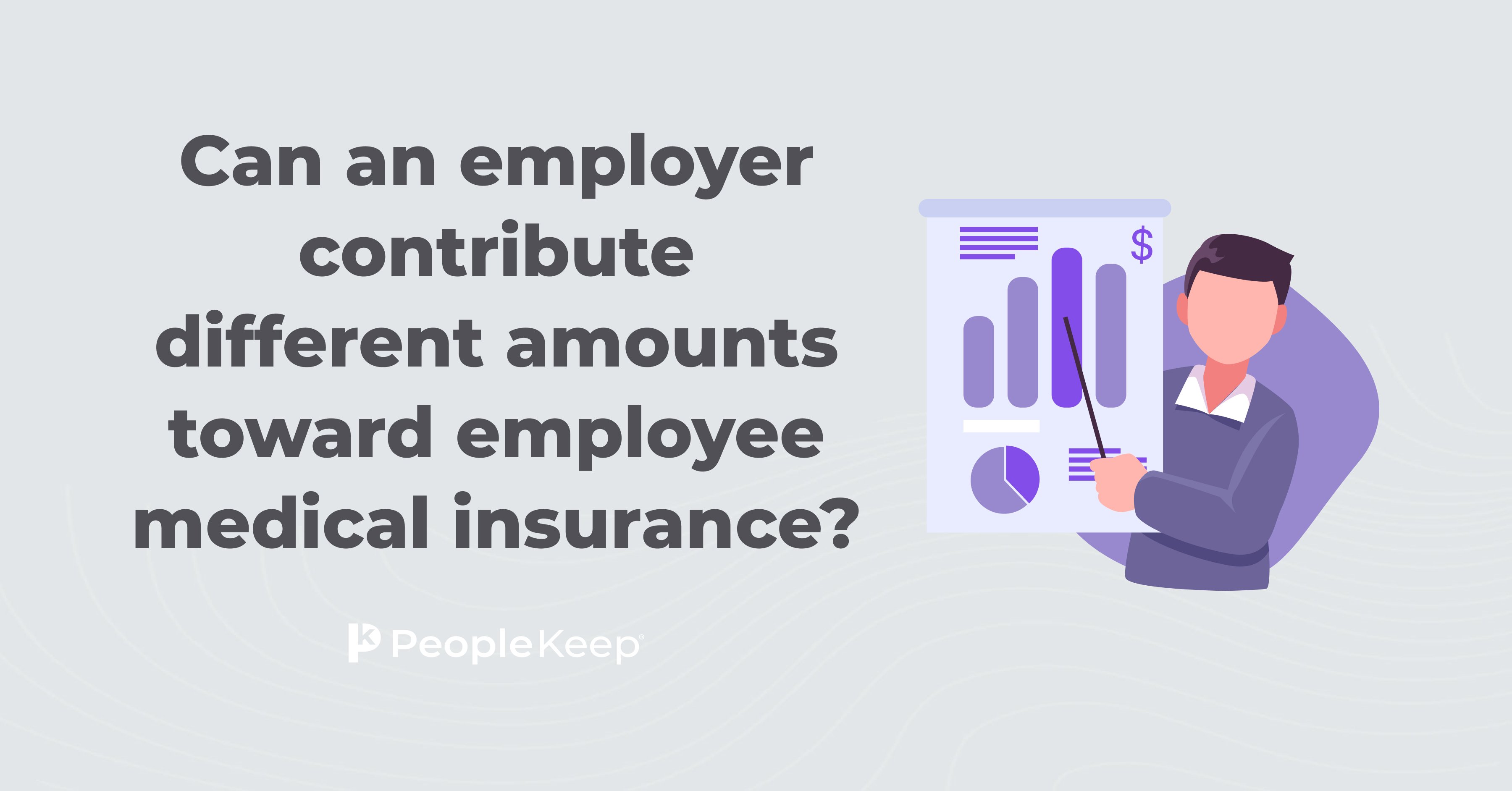
A critical area of concern for 2026 compliance is the treatment of "Highly Compensated Individuals" (HCIs). Under IRS Code Section 105(h), self-insured plans—which include most HRAs—cannot discriminate in favor of HCIs regarding eligibility or the benefits provided. An HCI is generally defined as one of the five highest-paid officers, a shareholder owning more than 10% of the company, or an employee among the highest-paid 25% of all staff.
In a fully-insured environment, employers have historically had more leeway to offer "executive carve-outs" or better benefits to top-tier management, provided no cafeteria plan (pre-tax premium payment) is involved. However, for organizations utilizing HRAs or self-funded models, the "same terms" requirement is absolute. If a CEO receives a $1,000 monthly HRA contribution, every other employee in that same classification must also receive $1,000, regardless of their value to the firm.
Strategic Utilization of Health Reimbursement Arrangements (HRAs)
As traditional group insurance premiums continue to outpace inflation, the adoption of HRAs has surged. These tools allow for a high degree of customization while maintaining a rigid compliance structure.
The Individual Coverage HRA (ICHRA)
The ICHRA is widely considered the most flexible tool for 2026 benefit planning. It allows employers to divide their workforce into 11 distinct classes, including seasonal workers, employees in different insurance rating areas, and non-resident aliens. A unique feature of the ICHRA is the ability to vary allowances within a class based on age and family size. This "ratio-based" approach allows employers to provide older employees—who face higher individual market premiums—with more significant contributions without violating age discrimination laws, provided the ratios remain within federal limits (typically a 3:1 ratio).
The Qualified Small Employer HRA (QSEHRA)
For businesses with fewer than 50 FTEs, the QSEHRA remains a popular "entry-level" health benefit. Unlike the ICHRA, it does not allow for complex class distinctions such as salaried vs. hourly. It is designed for simplicity, requiring that the benefit be offered on the same terms to all full-time employees. The QSEHRA is also subject to annual contribution caps, which are adjusted for inflation by the IRS each year.
The Group Coverage HRA (GCHRA)
Often referred to as an "integrated HRA," the GCHRA is used alongside a traditional group health plan. It is frequently employed to offset high deductibles. In 2026, many employers use GCHRAs to transition to High Deductible Health Plans (HDHPs) while using the HRA to "bridge the gap" for employees’ out-of-pocket expenses, thereby lowering the employer’s total premium spend.
Broader Economic Impact and Market Analysis
The shift toward diversified benefit eligibility is more than a legal hurdle; it is a response to the changing economics of the American workforce. According to recent labor statistics, the "gig economy" and remote work trends have forced a reevaluation of what constitutes a "standard" employee.
Market analysts observe that the use of health stipends—taxable payments given to employees for healthcare—has also risen, particularly for 1099 contractors and international workers who do not qualify for tax-free HRAs. While stipends provide the ultimate flexibility, they do not satisfy the ACA employer mandate for ALEs and are more costly for both the employer and employee due to payroll and income taxes.
Industry experts suggest that the "Personalized Benefits Era" is now in full swing. "The days of a single HMO plan for every person from the janitor to the Chairman are fading," says Marcus Thorne, a senior benefits consultant. "In 2026, compliance is the new competitive advantage. Companies that can segment their workforce legally can afford to offer much richer benefits to their core talent while still providing a safety net for part-time or entry-level staff."
Conclusion and Future Outlook
As organizations finalize their 2026 benefit strategies, the emphasis must remain on the intersection of cost control and regulatory adherence. The complexity of IRS Section 105(h) and the nuances of ICHRA class sizes require a diligent, data-driven approach. Employers are encouraged to move away from "ad-hoc" benefit decisions and toward formalized, software-driven administration systems that automatically enforce non-discrimination rules.
The implications of non-compliance are significant. Beyond the risk of EEOC lawsuits, discriminatory health plans can lose their tax-advantaged status, resulting in the entire value of the benefit being reclassified as taxable income for employees and triggering substantial back-tax liabilities for the employer. In an era where transparency and equity are paramount, the strategic, legal, and ethical management of health benefit eligibility remains a cornerstone of successful corporate governance.