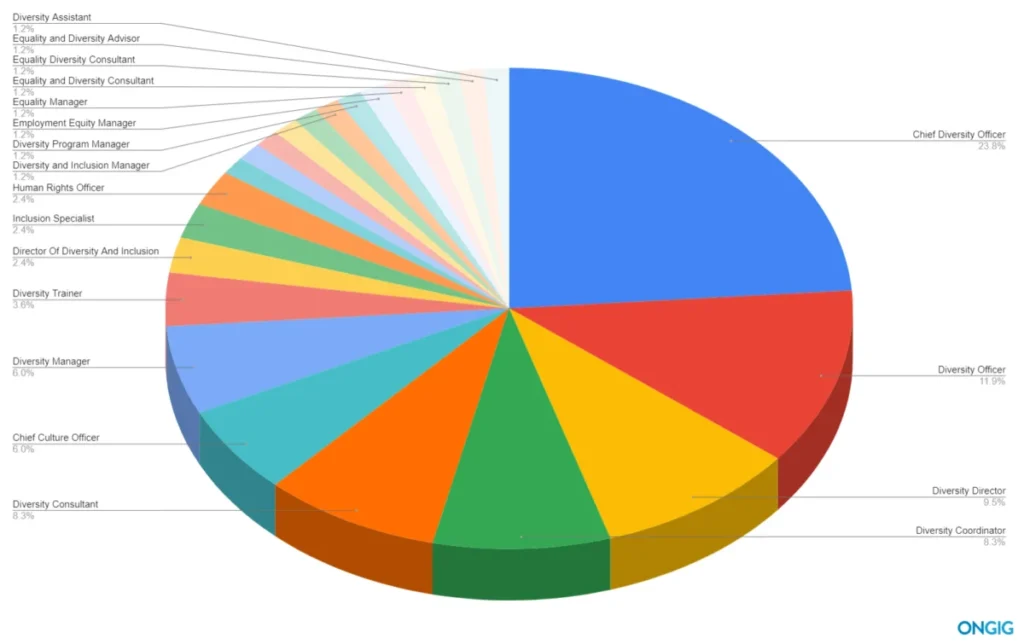
The contemporary corporate landscape is continuously reshaped by an accelerating commitment to fostering diverse, equitable, and inclusive workplaces. As organizations strive to build teams that reflect the global demographic tapestry, the terminology and strategic roles dedicated to this imperative have undergone significant evolution. This comprehensive analysis, building on research from Ongig, leading companies, and extensive keyword analysis via Ahrefs and Google’s Keyword Tool, delves into the current state and anticipated future of Diversity, Equity, and Inclusion (DEI) job titles as of 2026, offering insights into organizational structures, key responsibilities, and emerging trends.
Defining the Pillars: Diversity, Inclusion, and Equity
A foundational understanding of the core vocabulary is crucial for navigating the DEI domain. While often used interchangeably, "diversity," "inclusion," and "equity" represent distinct yet interconnected concepts. Diversity fundamentally refers to the what – the presence of differences within a group. This encompasses a broad spectrum of human characteristics, including but not limited to gender, ethnicity, age, disability, sexual orientation, socioeconomic background, religion, and educational attainment. It’s about recognizing and valuing the varied tapestry of individuals within an organization.
Inclusion, by contrast, is the how – the active process of creating an environment where every individual feels valued, respected, supported, and empowered to participate fully. It focuses on the behaviors, social norms, and systemic practices that ensure people feel welcome, have a sense of belonging, and can contribute authentically without fear of discrimination or marginalization. An inclusive environment moves beyond mere presence to active engagement and psychological safety.
The term Equity has gained prominence alongside diversity and inclusion, particularly in recent years. While often confused with "equality," equity acknowledges that not everyone starts from the same place or has the same needs. Equality aims to provide everyone with the same resources or opportunities, assuming a level playing field. Equity, however, recognizes systemic barriers and disadvantages, striving to provide individuals with what they need to achieve equal outcomes. This might involve differential support, tailored resources, or proactive measures to dismantle obstacles that disproportionately affect certain groups. For instance, while Salesforce champions "equality" in some contexts, companies like Slack have explicitly integrated "equity" into their diversity titles, reflecting a deeper commitment to addressing systemic disparities. These distinctions are critical for shaping the mandate and strategic focus of DEI roles within an organization.
The Dynamic Trajectory of DEI: A Chronology of Corporate Commitment (2020-2026)
The journey of corporate DEI initiatives has been marked by periods of rapid expansion and subsequent recalibration, largely influenced by societal shifts and economic pressures. The period immediately following 2020 witnessed an unprecedented surge in corporate commitment to DEI. Spurred by global movements advocating for social justice, particularly the Black Lives Matter movement, companies across sectors rapidly expanded their DEI teams and budgets. This era saw a proliferation of new roles and a heightened focus on measurable outcomes related to workforce representation, inclusive culture, and equitable practices. Organizations invested heavily in dedicated Chief Diversity Officers (CDOs), Directors, and specialized program managers, signaling a clear strategic priority.
However, this rapid growth began to decelerate by 2022. Reports from ESG Dive indicate a significant decline in DEI job postings, with a 43% drop from its peak in August 2022 through July 2024. This contraction has been attributed to a confluence of factors, including broader economic headwinds, a general cooling of the intense social activism seen post-2020, and, in some instances, a shift in corporate priorities. Major technology companies like Google, Meta, and Zoom, which had previously been at the forefront of DEI expansion, were noted to have reduced or reallocated DEI roles since 2023.
Despite these shifts, the narrative is not one of complete abandonment. A Resume Templates survey revealed that as of 2025, only 5% of companies had entirely eliminated their DEI programs. A substantial 65% indicated no change to their DEI budgets, and 22% even planned increases. This suggests a maturing of the DEI function rather than its wholesale dissolution. The work continues, albeit often under evolving titles and integrated more deeply into broader human resources or "People and Culture" functions. Revelio Labs data supports this, showing that 55% of DEI workers who left their roles transitioned into non-DEI positions at new organizations, while 37% remained at their companies but moved into different functions. This indicates a strategic embedding of DEI principles into core business operations, transforming dedicated roles into integrated capabilities across the enterprise.
The Strategic Blueprint: Diversity Job Titles Hierarchy
The structure of a DEI team often mirrors that of other critical business functions, with a clear hierarchy ranging from executive leadership to individual contributors and entry-level positions. This organizational framework ensures that DEI strategies are developed, implemented, and monitored effectively across all levels of the enterprise.
At the apex, the Head of Diversity is most commonly known as the Chief Diversity Officer (CDO). This executive-level role carries significant strategic weight, often reporting directly to the CEO, COO, Chief Human Resources Officer (CHRO), or even the General Counsel. The reporting line itself often signals the organizational emphasis on DEI – direct reports to the CEO underscore its criticality as a core business imperative, extending beyond mere HR compliance to impact broader business strategy, supplier diversity, and customer engagement.
Beneath the CDO, the hierarchy typically includes:
- Vice Presidents (VPs) of Diversity: These roles manage specific aspects of DEI strategy across large divisions or global operations.
- Directors of Diversity: Responsible for leading particular DEI programs, initiatives, or regional efforts.
- Managers of Diversity: Oversee the day-to-day execution of DEI programs and manage small teams or specialized functions.
- Individual Contributors: Specialists who focus on specific areas like program coordination, analytics, or training.
- Entry-Level Roles: Provide administrative support, assist with event coordination, and contribute to data collection.
Leaders in Diversity: Shaping the Strategic Vision
The highest echelons of DEI leadership are critical for embedding diversity and inclusion into the organizational DNA. The Chief Diversity Officer (CDO) is the principal architect of an organization’s DEI strategy. Their responsibilities span developing comprehensive strategies for the recruitment, retention, and advancement of diverse talent; ensuring an inclusive workplace culture; driving accountability for DEI metrics; and often extending to supplier diversity and community engagement. Examples of top-tier titles include:
- Chief Diversity Officer (CDO)
- Chief Inclusion Officer
- Chief Diversity & Inclusion Officer (CDIO)
- Chief People & Diversity Officer
- Chief Equality Officer
- VP, Global Diversity & Inclusion
- SVP, Head of Diversity & Inclusion
These leaders are instrumental in aligning DEI efforts with overall business objectives, understanding that diverse perspectives drive innovation and market relevance. Similarly, VP-level diversity titles signify leadership over significant strategic pillars or large-scale initiatives. They are responsible for translating the CDO’s vision into actionable plans and managing large teams or cross-functional projects. Examples include:
- VP, Diversity, Equity & Inclusion
- VP, Global Head of Diversity & Inclusion
- VP, People & Culture, Diversity & Inclusion
- VP, Talent & Diversity
- VP, Inclusive Leadership
Directors of Diversity: Executing Strategic Imperatives
Directors play a pivotal role in the operationalization of DEI strategies. They lead specific programs, manage budgets, and oversee teams responsible for various facets of diversity and inclusion. Their focus is often on implementing policies, developing training modules, or driving initiatives within particular business units or demographic groups. Common titles include:
- Director, Diversity & Inclusion
- Director, Global Inclusion
- Director, Talent & Diversity
- Director, Culture & Belonging
- Director, Workforce Diversity
Managers of Diversity: Driving Day-to-Day Impact
Manager-level roles are crucial for the practical execution of DEI programs. They supervise initiatives, manage projects, and often directly interact with employees, employee resource groups (ERGs), and external partners. Their work ensures that DEI policies are translated into tangible workplace experiences. Examples range from:
- Diversity & Inclusion Manager
- Inclusion Program Manager
- Manager, Talent & Inclusion
- Manager, Culture & Engagement
- DEI Program Manager
Individual Contributors and Entry-Level Roles: The Foundation of DEI Initiatives
The largest segment of DEI professionals operates at the individual contributor level, executing specialized tasks that support broader initiatives. These roles require specific expertise, such as data analysis, program coordination, or communication. Entry-level positions provide foundational support, learning opportunities, and administrative assistance, often serving as crucial stepping stones into a DEI career.
Individual Contributor Titles:
- Diversity & Inclusion Specialist
- Inclusion Program Specialist
- DEI Project Lead
- Diversity Data Analyst
- Learning & Development Specialist, DEI
- Community & Engagement Specialist
Entry-Level Titles:
- Diversity & Inclusion Coordinator
- DEI Assistant
- Program Assistant, D&I
- Diversity Intern
- Executive Assistant to CDO
Key Roles in Detail: Job Description Summaries and Strategic Impact
To illustrate the breadth of the DEI function, here are detailed summaries of twelve common diversity titles, outlining their core responsibilities and strategic contributions:
- Chief Diversity Officer (CDO): The CDO is the ultimate architect of an organization’s DEI strategy. They develop and champion initiatives for diverse talent acquisition, retention, and advancement. Responsibilities include setting DEI metrics and goals, advising senior leadership, overseeing employee resource groups, ensuring compliance with anti-discrimination laws, and fostering an inclusive culture that aligns with business objectives. They often act as the public face of the company’s DEI commitment.
- Director of Culture: This role leads the development and implementation of strategies to enhance employee engagement and foster a positive, inclusive organizational culture. They design innovative programs that attract and retain top talent from diverse backgrounds, collaborating with various departments to embed cultural values across the company.
- Supplier Diversity Manager: Focused externally, this manager is responsible for creating a diverse supply chain. They develop strategies to ensure the procurement of goods and services from businesses owned by diverse groups (e.g., women, minorities, veterans, LGBTQ+ individuals), researching and identifying potential diverse suppliers, and tracking supplier diversity metrics.
- Human Rights Officer (HRO): Often a government or large institutional role, an HRO monitors and investigates violations of civil, social, cultural, and political rights within an organization or jurisdiction. They receive and resolve complaints related to discrimination, harassment, and other rights infringements, ensuring legal and ethical compliance.
- Diversity Consultant: An external expert contracted by businesses, consultants review existing DEI data, processes, and policies. They develop and implement new DEI goals and strategies, conduct training for all management levels, identify systemic flaws, and recommend adjustments based on evolving best practices and legal developments.
- Diversity Trainer: Specializing in education, a Diversity Trainer designs and delivers workshops and development programs for employees at all levels. They base training on data-driven research, set measurable objectives, and equip managers with the skills and knowledge to foster an inclusive workplace, sharing current best practices.
- Diversity Recruiter: This role focuses on attracting and hiring diverse talent. They develop inclusive company policies, train HR managers on bias-free hiring, craft job descriptions with inclusive language, and build talent pipelines by networking with candidates from underrepresented groups. Their ultimate goal is to build and retain a truly diverse workforce.
- Diversity Business Partner: Similar to an HR Business Partner, this role collaborates directly with business leaders and teams within specific units. They identify and implement DEI best practices tailored to their unit’s needs, distribute DEI resources, foster cross-group teamwork, and assist senior management in developing measurable solutions for a more diverse workplace.
- Diversity Event Producer: Responsible for organizing and executing diversity and inclusion events, this role manages the logistics, promotion, and content of conferences, workshops, and networking sessions. They aim to attract diverse candidates for open positions and create platforms for underrepresented groups within the organization.
- Diversity and Inclusion Program Manager, University: Within an academic setting, this manager develops, implements, and monitors DEI goals across various departments. They create and lead training for students, staff, and faculty, support the university’s overarching diversity plan, and build relationships with both internal and external stakeholders.
- Chief People Officer (CPO): While not exclusively a DEI role, the CPO often oversees all human resources functions, including DEI. They implement HR strategies aligned with company objectives, provide strategic HR advice to senior management, drive organizational change initiatives, and champion an inclusive workplace. The CPO manages HR systems, technology, and data analytics to support these goals.
- Diversity Coordinator: Supporting the Diversity Manager or Director, this role handles the administrative aspects of DEI programs. They coordinate events and training sessions, track and report on DEI metrics, maintain documentation, and facilitate communication about DEI initiatives across internal teams.
Anticipating the Future: Top Trending Diversity Titles for 2026
As DEI matures and integrates more deeply into core business functions, new specialized roles are emerging. These trending titles reflect a greater emphasis on data, technology, cultural integration, and employee experience. They signal a strategic shift towards embedding DEI principles into operational excellence rather than treating them as isolated initiatives.
- Head of Diversity Analytics: Oversees the collection, analysis, and interpretation of diversity data to ensure inclusive hiring, promotion, and retention. This role monitors DEI metrics, evaluates strategy effectiveness, and provides insights into workforce diversity trends, including pay equity and promotional parity, while safeguarding data integrity.
- Inclusive Culture Manager: Develops programs to foster an inclusive workplace, collaborating with HR and senior leaders to ensure policies are equitable. They support Employee Resource Groups (ERGs) and advise departments on DEI best practices, acting as a subject matter expert to ensure all employees have a voice.
- DEI Technology Specialist: Implements and manages software supporting DEI activities, such as diversity hiring tools and analytics dashboards. They partner with HR, DEI, and IT to evaluate systems, provide training, and recommend tech improvements aligned with DEI goals, using data analytics to assess program effectiveness.
- Diversity Recruitment Manager: Creates and executes strategies to attract and hire diverse candidates. They build diverse talent pipelines through partnerships and specialized job boards, collaborate with hiring managers for bias-free processes, and track recruitment diversity metrics to adjust strategies.
- DEI Learning and Development Manager: Develops and delivers DEI educational programs to foster an inclusive workplace. They integrate DEI principles into broader employee development, collaborate with HR and leadership, and regularly assess training effectiveness based on feedback.
- Equity Program Manager: Designs and implements equity-focused programs. They conduct pay audits, work with HR to address disparities, ensure equal opportunities for promotions, monitor equity issues, and stay updated on legal and industry standards related to workplace equity.
- DEI Program Specialist: Assists in creating and implementing DEI programs and activities. They arrange logistics for workshops and events, support ERGs, and serve as a point of contact for employee feedback and questions regarding DEI initiatives.
- Diversity Data Analyst: Collects and analyzes diversity-related data on recruitment, pay equity, engagement, and retention. They conduct statistical analysis to identify trends, build and maintain DEI dashboards for senior management, and ensure data collection adheres to ethical and legal standards.
- DEI Communications Manager: Develops and implements internal and external communication strategies for DEI activities. They collaborate with marketing and HR for consistent messaging across all channels (internal announcements, social media, press releases) and work with ERGs to amplify their perspectives.
- DEI Employee Experience Manager: Develops strategies to improve the overall employee experience for individuals from all backgrounds. They work with HR and leadership to ensure inclusive onboarding, performance reviews, and career development. They utilize surveys and feedback mechanisms to measure inclusivity and analyze retention data to address DEI-related gaps.
The Enduring Business Case: Consequences of DEI Rollbacks
Despite the observed fluctuations in DEI job postings, the fundamental business case for diversity, equity, and inclusion remains robust. Companies that either scale back or entirely eliminate their DEI commitments risk significant negative consequences, impacting not only their brand reputation but also their financial performance and talent acquisition efforts.
The experience of Target, which saw an average 6% drop in foot traffic over eight weeks after announcing DEI rollbacks, stands in stark contrast to Costco, which upheld its DEI programs and experienced foot traffic growth during the same period. This serves as a tangible example of consumer sentiment directly influencing business outcomes. Beyond consumer perception, a retreat from DEI can lead to:
- Reduced Innovation: Diverse teams are proven to be more innovative and better at problem-solving. A lack of diverse perspectives can stifle creativity and limit a company’s ability to adapt to changing markets.
- Talent Attrition and Acquisition Challenges: In a competitive talent market, a strong DEI reputation is a key differentiator. Rolling back commitments can deter top talent from underrepresented groups and even alienate existing employees who value an inclusive workplace, leading to higher turnover rates.
- Lower Employee Engagement and Morale: Employees, particularly those from underrepresented backgrounds, are more likely to feel disengaged or undervalued in environments perceived as less inclusive, impacting productivity and overall workplace satisfaction.
- Brand Damage: Companies perceived as retreating from social responsibility can face public backlash, boycotts, and damage to their employer brand, which can be costly and difficult to repair.
- Legal and Regulatory Risks: While not the primary driver, neglecting DEI can increase exposure to discrimination lawsuits and regulatory scrutiny, particularly in regions with strong anti-discrimination laws.
The shift in DEI roles, as noted by Revelio Labs, where professionals transition into broader "People and Culture" or "Employee Experience" functions, suggests an integration of DEI principles into the core operational fabric rather than a complete abandonment. This evolution indicates a maturing understanding that DEI is not a standalone initiative but an intrinsic element of a successful and sustainable business strategy.
Frequently Asked Questions About Diversity Titles
-
1. What is the highest diversity job title?
The Chief Diversity Officer (CDO) or Chief Inclusion Officer typically holds the highest diversity job title within an organization. This executive-level role often reports directly to the CEO, COO, or CHRO. The reporting structure is a key indicator of the strategic importance and organizational weight assigned to the DEI function. A direct report to the CEO signifies a commitment to embedding DEI across all business operations, not just within HR. -
2. What is the difference between a Diversity Manager and a Diversity Business Partner?
A Diversity Manager generally oversees the development, implementation, and reporting of DEI programs and initiatives at an organizational or departmental level. Their scope is often company-wide, focusing on strategy, compliance, and overall program management. In contrast, a Diversity Business Partner is typically embedded within a specific business unit or department. This role works directly with leadership and teams within that unit to implement tailored DEI practices, address specific challenges, and integrate DEI into local hiring, retention, and team culture strategies. The Business Partner acts as a direct consultant and collaborator for their assigned unit. -
3. What skills do you need for a DEI job title in 2026?
Core skills for DEI professionals continue to include strong program management, facilitation, change management, and excellent communication abilities. However, as of 2026, the demand for data analysis (measuring representation, pay equity, and program effectiveness) has become paramount. AI fluency is also an increasingly critical skill, as DEI professionals are now expected to audit AI-powered hiring tools for bias, ensure fair outcomes in sourcing and screening, and leverage AI responsibly to advance DEI goals. A deep understanding of organizational psychology, cultural competence, and the ability to influence stakeholders at all levels are also essential for success in this evolving field.
The dynamic nature of DEI roles, while presenting challenges, also underscores a strategic evolution. As organizations move beyond performative gestures towards deeply integrated and data-driven approaches, the titles and responsibilities of DEI professionals will continue to adapt. The ultimate goal remains constant: to cultivate workplaces where every individual can thrive, contributing to both individual well-being and collective organizational success.