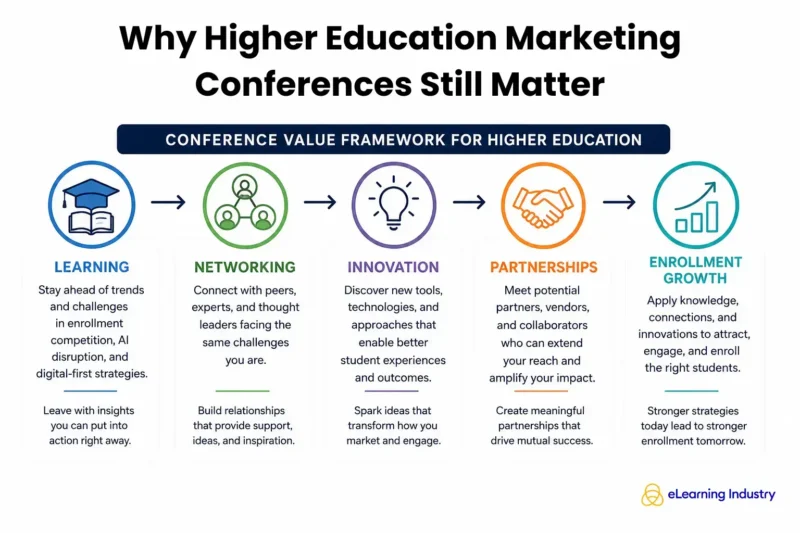
The landscape of higher education marketing is undergoing a seismic shift as institutions move into 2026, driven by a combination of demographic changes, the rapid integration of artificial intelligence, and a student body that demands frictionless digital experiences. No longer confined to competing with local rivals, universities now find themselves in a global marketplace where search engine visibility, social media engagement, and personalized communication determine the success of enrollment cycles. As the "enrollment cliff"—a projected decline in the number of traditional-age college students—becomes a reality in many regions, the necessity for marketing and admissions professionals to stay ahead of industry trends has never been more acute.
Higher education marketing conferences have emerged as the primary venues for institutional leaders to recalibrate their strategies. While digital resources provide constant updates, these in-person and hybrid gatherings offer a level of peer-to-peer knowledge exchange and technological demonstration that cannot be replicated through screens alone. In 2026, the focus of these events has shifted from broad brand awareness to granular, data-driven student journey mapping and the ethical implementation of generative AI in recruitment.
The Evolution of the Higher Education Marketing Environment
The complexity of the current scene is rooted in several converging factors. First, the demographic shift characterized by a shrinking pool of high school graduates has forced institutions to look toward non-traditional learners, including adult students, career changers, and international applicants. Data from recent education census reports suggests that by 2026, the competition for the "traditional" student will be at an all-time high, making efficiency in marketing spend a top priority for university boards.

Second, the student journey is no longer a linear path from inquiry to enrollment. Prospective students now interact with an institution across dozens of digital touchpoints—from TikTok and Instagram to Reddit and specialized niche review sites—long before they ever fill out an inquiry form. Consequently, university marketers are under pressure to manage institutional reputations across a fragmented media landscape while providing personalized responses in real-time.
Finally, Artificial Intelligence (AI) has moved from a speculative tool to a core component of the marketing stack. In 2026, enrollment teams are utilizing AI not just for content generation, but for predictive modeling to identify students most likely to succeed and persist. Conferences in the coming year are expected to address the tension between this automation and the need for authentic, human-centric storytelling.
Strategic Chronology: Key Events for University Marketers in 2026
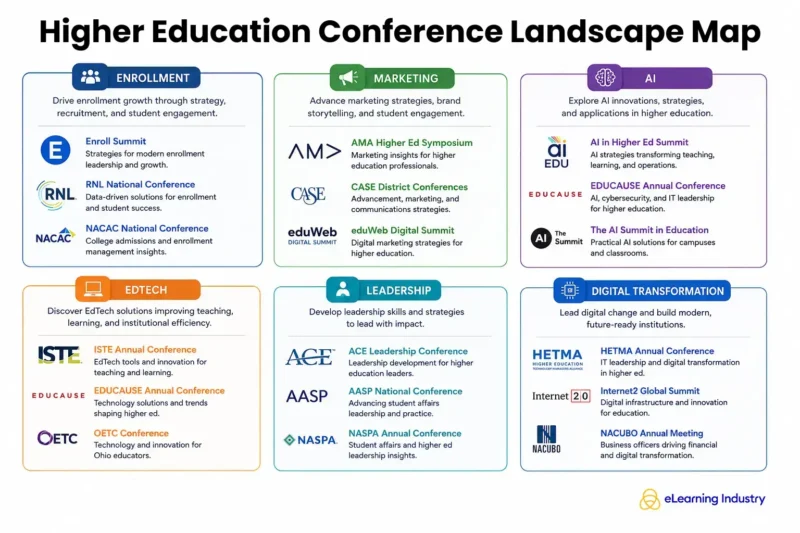
The 2026 conference calendar is structured to provide specific value to various roles within the university ecosystem, from Chief Marketing Officers (CMOs) to digital content creators and technical EdTech specialists.
1. AMA Symposium for the Marketing of Higher Education
Widely regarded as the premier event for strategy-focused marketers, the American Marketing Association (AMA) Symposium remains a cornerstone of the year. In 2026, the symposium is expected to focus heavily on "Data-Driven Brand Authenticity."
- Focus: Institutional branding, marketing ROI, and high-level enrollment strategy.
- Target Audience: CMOs, Vice Presidents of Enrollment, and Brand Managers.
- Analysis: As universities face skepticism regarding the value of a degree, this conference provides the research-backed frameworks needed to communicate institutional worth effectively.
2. CASE Annual Conference
The Council for Advancement and Support of Education (CASE) serves the intersection of marketing, communications, and advancement.
- Focus: Integrated communications and alumni engagement.
- Context: In 2026, the "lifelong learner" model is essential. CASE provides the blueprint for keeping alumni engaged as potential recurring students for graduate or certificate programs.
3. EduWeb Summit and HighEdWeb
These two events cater to the "engine room" of university marketing—the digital teams.
- EduWeb: Focuses on the performance side of the web, including SEO, paid media, and conversion rate optimization (CRO).
- HighEdWeb: More technical in nature, focusing on user experience (UX), accessibility, and the backend architecture that supports student portals.
- Implications: With student expectations for website speed and mobile functionality at an all-time high, these conferences are vital for preventing "digital friction" during the application process.
4. ASU+GSV Summit
The ASU+GSV Summit has become the "Davos of Education Technology." It brings together university leaders with venture capitalists and EdTech founders.
- Focus: Innovation, investment, and the future of work.
- Impact: This is where the next generation of AI-driven recruitment tools and Learning Management Systems (LMS) are debuted. It is essential for institutions planning five to ten years into the future.
5. NAFSA Annual Conference & Expo
For institutions prioritizing international growth, NAFSA is the definitive event for global student mobility.
- Timeline: Usually held in late spring, it sets the stage for fall international recruitment tours.
- Supporting Data: With international student spending contributing billions to global economies, NAFSA helps marketers navigate the shifting visa regulations and regional demand trends of 2026.
The Role of EdTech and LMS Vendors in the Conference Ecosystem
The relationship between universities and technology providers has shifted from a vendor-client model to a strategic partnership. In 2026, conferences serve as the primary laboratory for these partnerships.
Industry analysts note that the procurement cycle in higher education is notoriously long and complex. Conferences allow EdTech companies—such as those providing CRM (Customer Relationship Management) platforms like Salesforce or Slate, and LMS providers—to demonstrate their products in the context of real-world institutional challenges. For university leaders, these events are an opportunity to conduct "hands-on" due diligence.
From the vendor perspective, the goal is no longer just lead generation. It is about understanding the "pain points" of enrollment directors who are struggling with fragmented data. Vendors who participate in conference roundtables and workshops are increasingly seen as thought leaders rather than just software salespeople.
Supporting Data: Why In-Person Engagement Still Matters
Despite the proliferation of webinars, industry data indicates that the "hallway track"—the informal conversations between sessions—is where 60% of attendees find the most actionable insights. A 2025 survey of higher education professionals revealed that 74% of respondents felt they were more likely to implement a new strategy if they had discussed it face-to-face with a peer from a similar institution.
Furthermore, the rise of AI has ironically increased the value of in-person networking. As digital content becomes easier to automate, the "trust factor" associated with personal professional relationships has become a premium commodity. Marketing leaders use these conferences to verify the success stories they see online, asking colleagues for the "unfiltered" version of how a particular campaign or software implementation actually performed.
Maximizing Institutional ROI: A Framework for Attendance
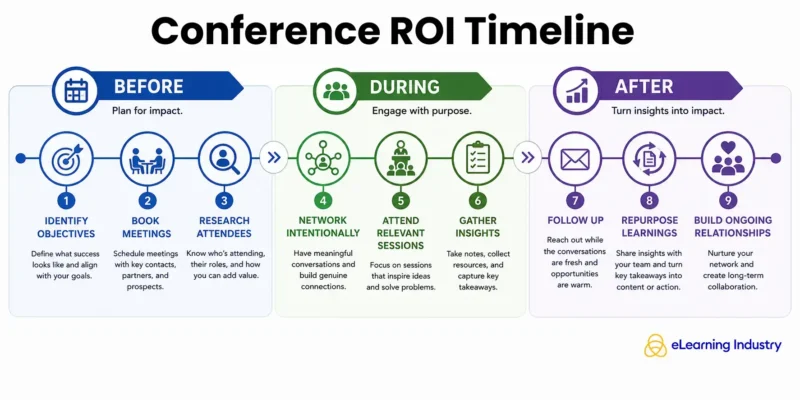
For an institution to justify the cost of travel and registration in a tight budget environment, a clear ROI (Return on Investment) strategy is required. Analysts recommend a three-phase approach to conference attendance:
Phase I: Pre-Conference Alignment
Before departing, marketing teams should identify specific "learning gaps." If the university is struggling with a 15% drop in inquiry-to-applicant conversion, the attendee’s schedule should be cleared for sessions on CRM automation and lead nurturing.
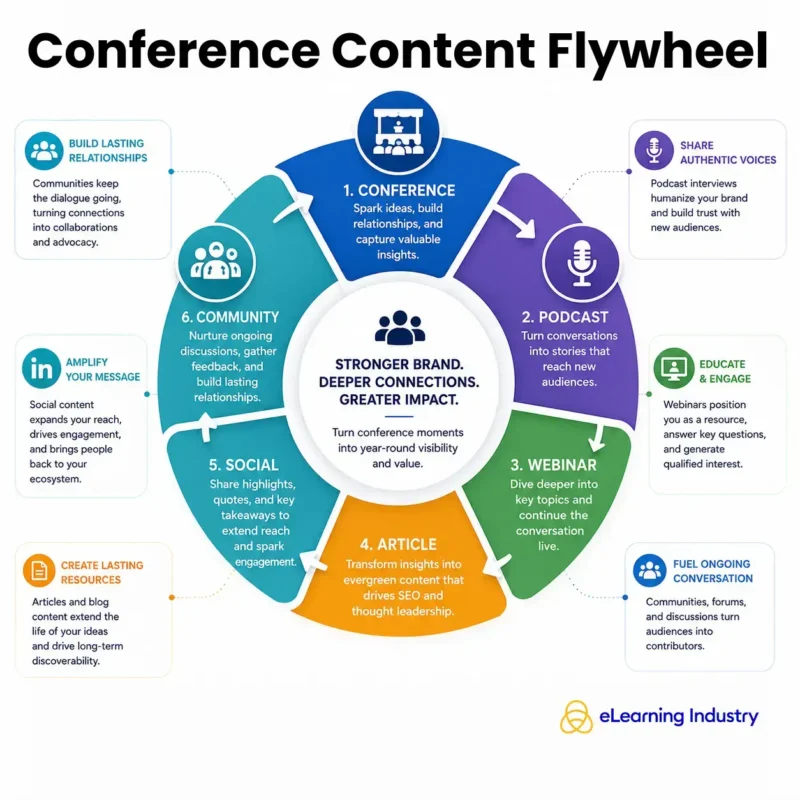
Phase II: The Content Flywheel
Attendees should be viewed as internal reporters. In 2026, the most successful marketing teams "repurpose" their conference attendance. This includes recording voice memos of key takeaways, collecting digital assets from presenters, and scheduling live debriefs for the team back on campus.
Phase III: The Post-Conference Implementation
The true value of a conference is realized 90 days after the event. Leading institutions now require a "Conference Action Plan" where attendees must propose three specific changes to existing workflows based on their learnings.
Broader Impact and Emerging Themes for 2026
As we look toward the latter half of 2026, several themes are expected to dominate the conference circuit:
- The Ethics of AI: As AI becomes more capable of mimicking human interaction, conferences will feature heavy debate on where automation should end and human empathy should begin in the admissions process.
- Skills-Based Marketing: With the rise of micro-credentials, marketers are learning how to sell "competencies" rather than just "degrees."
- Data Privacy and Governance: With evolving global regulations, conferences like EDUCAUSE will be essential for ensuring that marketing data collection remains compliant and secure.
- Sustainability in Recruitment: There is a growing trend toward "green" recruitment, with institutions evaluating the carbon footprint of international travel and physical marketing materials.
Conclusion
The 2026 higher education marketing conference season represents more than a series of networking events; it is a critical survival mechanism for institutions navigating an increasingly volatile sector. The shift toward personalized, AI-enhanced, and data-driven recruitment is no longer optional. By carefully selecting the right events—whether they are broad strategy symposiums like the AMA or innovation hubs like ASU+GSV—university leaders can ensure their institutions remain competitive in a landscape where student attention is the most valuable currency.
In a world of digital noise, the clarity provided by expert-led sessions and peer collaboration remains the most effective way to turn industry challenges into enrollment opportunities. As the higher education sector continues to evolve, those who invest in continuous, collaborative learning will be best positioned to lead their institutions into a sustainable and successful future.