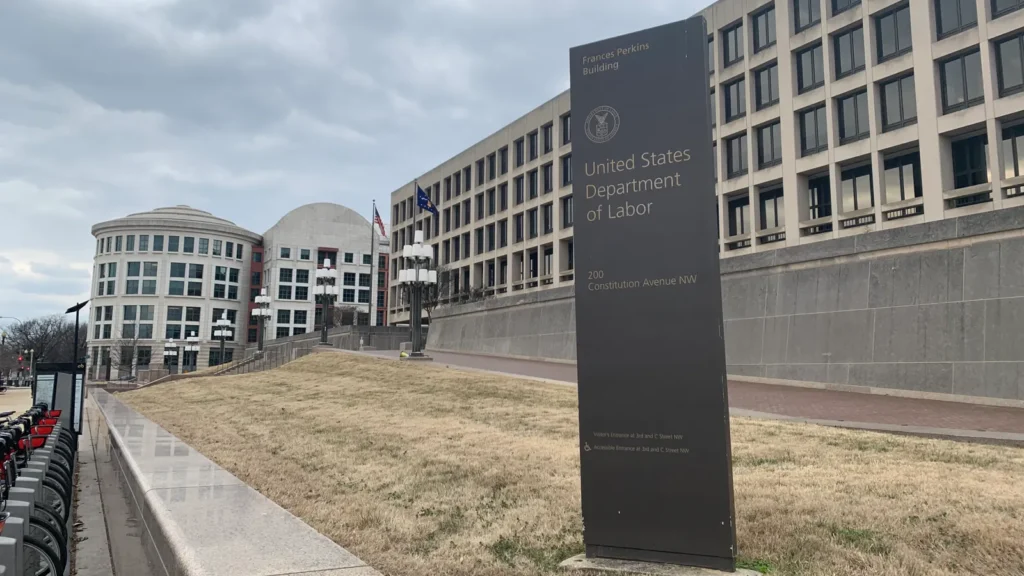
Amazing Care Home Healthcare Services, a Pennsylvania-based provider of home healthcare, has reached a proposed settlement agreement to pay $3 million, resolving claims that it intentionally misclassified 284 employees as independent contractors to unlawfully avoid paying them overtime wages. The settlement, detailed in court documents filed on Monday by the U.S. Department of Labor (DOL), underscores the agency’s continued vigilance in enforcing federal wage and hour laws and highlights the significant financial and legal risks associated with misclassification practices, particularly within the healthcare sector. The proposed consent judgment, which now awaits formal approval by the U.S. District Court for the Eastern District of Pennsylvania, signals a decisive resolution to a protracted legal battle stemming from a 2021 DOL investigation.
The Genesis of the Litigation: A DOL Investigation Uncovers Alleged Violations
The legal action against Amazing Care Home Healthcare Services originated from a comprehensive investigation initiated by the U.S. Department of Labor in 2021. This inquiry meticulously examined the company’s employment practices, specifically focusing on its classification of workers. The DOL’s findings allegedly revealed a systemic failure to compensate a substantial group of 284 employees with the legally mandated overtime premium for hours worked in excess of 40 per workweek. Federal law, specifically the Fair Labor Standards Act (FLSA), requires employers to pay employees at a rate of one and one-half times their regular rate of pay for such excess hours.
The core of the DOL’s case rested on the assertion that these individuals, despite being labeled as independent contractors, were in fact employees under the "economic reality" test used by federal courts and the DOL. The investigation meticulously documented how Amazing Care allegedly exercised considerable control over their work, a hallmark characteristic of an employer-employee relationship. This included setting their wages, evaluating their performance, and requiring them to report instances of lateness or absence. Such managerial oversight and control are generally inconsistent with the operational autonomy typically afforded to true independent contractors, who are usually free from direct supervision and dictate their own work schedules and methods.
Initially, the DOL’s investigator estimated the total amount of unpaid overtime owed to these workers to be close to $6 million. The discrepancy between this initial estimate and the final $3 million settlement figure often reflects various factors, including negotiations, assessment of litigation risks, the company’s financial capacity, and the specific terms agreed upon by both parties to avoid the uncertainties and costs associated with a full jury trial. Following a period of discovery and legal arguments, a federal judge in February allowed the case to proceed to a jury trial, indicating that the court found sufficient evidence and legal basis for the DOL’s claims to be heard by a jury. This decision likely intensified settlement discussions, culminating in the proposed consent judgment filed this week.
Terms of the Settlement and Future Compliance
Under the terms of the proposed consent judgment, Amazing Care Home Healthcare Services has agreed to pay $3 million in back wages and liquidated damages to the affected employees. Beyond the monetary payment, a crucial component of the agreement involves injunctive relief. Amazing Care would be formally enjoined from future violations of the relevant portions of the Fair Labor Standards Act. This includes not only the overtime and minimum wage provisions but also requirements related to accurate recordkeeping. The FLSA mandates that employers maintain specific records regarding employee wages, hours, and other conditions of employment. Non-compliance with these recordkeeping requirements can lead to additional penalties and make it difficult for employees to prove wage claims.
The consent judgment serves as a legally binding agreement, ensuring that Amazing Care implements and maintains compliant employment practices going forward. Such an injunction is a significant legal tool, as any future violations could result in severe contempt of court charges, carrying potentially harsher penalties than those associated with initial FLSA breaches. For the agreement to take full legal effect, it must receive formal approval and be entered by the U.S. District Court for the Eastern District of Pennsylvania.
When HR Dive reached out to legal counsel for Amazing Care Home Healthcare Services for comment on the proposed consent judgment, the company’s representatives confirmed the details of the agreement but did not provide further comment by press time. This typical response in ongoing legal matters often indicates a strategy to limit public statements while the legal process is still technically pending approval.
Understanding Worker Classification Under the FLSA
The Fair Labor Standards Act (FLSA), enacted in 1938, is a cornerstone of federal labor law, establishing minimum wage, overtime pay, recordkeeping, and child labor standards affecting full-time and part-time workers in the private sector and in federal, state, and local governments. A fundamental distinction under the FLSA is between an "employee" and an "independent contractor," as only employees are entitled to FLSA protections, including minimum wage and overtime.
The DOL and courts primarily use an "economic reality" test to determine whether a worker is an employee or an independent contractor. This test looks beyond the label parties may use and focuses on the true nature of the working relationship. Key factors typically considered include:
- Degree of Control: The extent to which the employer controls the manner and means by which the work is performed. If the company dictates schedules, methods, and provides tools, it leans towards an employer-employee relationship.
- Opportunity for Profit or Loss: Whether the worker has the opportunity to realize a profit or suffer a loss based on managerial skill, initiative, or investment. True independent contractors can often bid on projects, hire others, or invest in their own equipment.
- Investment: The worker’s investment in equipment or materials required for their tasks. A significant personal investment suggests independent contractor status.
- Skill and Initiative: Whether the work requires special skill, judgment, and initiative. Routine tasks performed under supervision typically indicate employee status.
- Permanence of the Relationship: The length and continuity of the working relationship. Permanent, indefinite relationships are characteristic of employment.
- Integral to the Business: Whether the work performed is an integral part of the employer’s business. If the worker’s services are essential to the company’s core operations, they are more likely an employee.
In the case of Amazing Care, the DOL’s allegations regarding the company exercising control over work, setting wages, evaluating performance, and requiring reporting of lateness or absence directly speak to several of these "economic reality" factors, strongly suggesting an employee relationship rather than independent contractor status.

The Pervasive Issue of Misclassification: Broader Context and Data
Worker misclassification is a widespread problem across various industries in the United States, often driven by employers seeking to reduce labor costs. By misclassifying employees as independent contractors, companies can avoid paying:
- Overtime wages and minimum wage.
- The employer’s share of Social Security and Medicare taxes (FICA).
- Unemployment insurance contributions.
- Workers’ compensation premiums.
- Employee benefits such as health insurance, paid leave, and retirement plans.
Studies and enforcement actions by the DOL and state labor departments consistently reveal the significant scale of this issue. While precise national statistics are challenging to compile due to the hidden nature of the practice, various government reports and academic studies estimate that millions of workers are misclassified annually. For example, a 2022 report by the Economic Policy Institute highlighted that misclassification costs workers billions in lost wages and benefits and deprives governments of substantial tax revenue. Industries particularly prone to misclassification include construction, transportation, cleaning services, gig economy platforms, and, notably, home healthcare, where flexibility and specialized skills can sometimes blur the lines of employment.
The U.S. Department of Labor has historically made enforcement of wage and hour laws, including those related to worker classification, a top priority. In fiscal year 2023, the Wage and Hour Division (WHD) recovered over $209 million in back wages for more than 294,000 workers, demonstrating the agency’s proactive stance in combating wage theft. These figures do not even include the significant amounts recovered through private lawsuits. Cases like Amazing Care’s settlement serve as a public reminder to employers that the DOL actively investigates and prosecutes companies that violate these fundamental protections.
DOL’s Evolving Policy Landscape on Worker Classification and Overtime
The Amazing Care settlement comes at a time when the U.S. Department of Labor has been actively engaged in policy shifts concerning both worker classification and overtime pay eligibility. These two areas, which were central to the lawsuit against Amazing Care, have been subjects of ongoing debate and regulatory adjustments across different presidential administrations.
Regarding independent contractor regulations, the DOL’s approach has fluctuated. The original article notes that "DOL’s independent contractor regulations are currently the subject of a forthcoming proposed rule." This refers to the Biden administration’s efforts to revise the "economic reality" test, largely reverting to a broader interpretation that makes it harder for companies to classify workers as independent contractors. This rule, which went into effect in March 2024, replaced a Trump-era rule that favored a narrower interpretation, making it easier to classify workers as contractors. The ongoing legislative and judicial challenges to these rules underscore the contentious nature of this issue and the significant economic implications for businesses and workers alike. The DOL’s consistent focus on the "economic reality" of the relationship, regardless of specific regulatory tweaks, has been a constant thread through its enforcement actions.

Similarly, overtime pay eligibility has seen its own set of policy changes. The FLSA mandates overtime pay for most non-exempt employees who work more than 40 hours in a workweek. However, certain executive, administrative, and professional (EAP) employees can be exempt if they meet specific duties tests and are paid above a certain salary threshold. The original article states that the DOL "formally rescinded the Biden administration’s rule" concerning overtime just days prior to the publication of the Amazing Care settlement agreement. This likely refers to a period where the salary threshold for overtime exemption was being debated and potentially adjusted. The Biden administration had proposed significantly raising the minimum salary threshold for overtime exemption, which would have extended overtime eligibility to millions more workers. However, subsequent political shifts or legal challenges could have led to a rescission, returning to an earlier, potentially lower, salary threshold, such as the one set in 2019. This dynamic regulatory environment means employers must constantly monitor DOL guidance and ensure their classification and compensation practices align with the most current legal requirements.
Implications for the Home Healthcare Sector and Beyond
The settlement reached by Amazing Care Home Healthcare Services carries significant implications, particularly for the home healthcare industry. This sector, characterized by its reliance on a flexible workforce of caregivers providing in-home services, is inherently vulnerable to misclassification issues. The nature of home healthcare often involves caregivers working autonomously in clients’ homes, which can sometimes be mistakenly equated with independent contractor status. However, as the DOL’s investigation highlighted, if the company exercises control over scheduling, client assignments, performance evaluations, and compensation, these workers are likely employees entitled to FLSA protections.
This case serves as a stark warning to other healthcare providers that robust compliance programs are not merely advisable but essential. Companies in this sector must conduct thorough audits of their worker classification practices, consulting with legal counsel to ensure that their employment models align with federal and state labor laws. Failure to do so can result in substantial financial penalties, legal fees, and severe reputational damage. The increasing scrutiny by regulatory bodies means that businesses can no longer afford to be ambiguous about the status of their workforce.
Beyond home healthcare, the settlement reinforces the broader message to all employers: the distinction between an employee and an independent contractor is not a matter of choice or convenience but a legal determination based on the economic realities of the working relationship. Companies across all industries that utilize contractors must meticulously evaluate these relationships against the "economic reality" test to mitigate the risk of costly misclassification lawsuits and ensure fair treatment for their workers. The DOL’s consistent enforcement actions, coupled with evolving regulatory landscapes, signal a continuing commitment to protecting workers’ rights and ensuring compliance with the bedrock principles of the Fair Labor Standards Act. This resolution for Amazing Care Home Healthcare Services is thus not just an isolated incident but a significant data point in the ongoing national conversation about the future of work and worker protections.