The landscape of employee recognition is undergoing a profound transformation, moving beyond generic perks to embrace highly personalized reward strategies. In an era marked by evolving workforce expectations and a heightened focus on employee well-being, organizations are recognizing that impactful rewards do more than just acknowledge effort; they cultivate motivation, strengthen connections, and drive long-term commitment. A recent study by the Achievers Workforce Institute, detailed in its State of Recognition Report, underscores this shift, revealing that employees with access to diverse reward options—ranging from gift cards and travel to enriching experiences—report feeling 61% more connected and 60% more recognized within their workplaces. This data highlights a critical understanding: effective recognition is not a one-size-fits-all endeavor but a tailored approach that resonates with individual values and aspirations.
The traditional model of employee recognition, often characterized by standardized gifts or universal benefits, is proving insufficient in today’s dynamic work environment. As companies grapple with challenges such as talent shortages, "quiet quitting," and the imperative to foster inclusive cultures, the strategic deployment of personalized rewards has emerged as a powerful differentiator. This approach acknowledges that each employee is an individual with unique motivations, life circumstances, and career goals, and that recognition should reflect this diversity to truly make an impact. The goal is to create an emotional connection that transcends mere transactional appreciation, embedding a sense of belonging and value deep within the organizational fabric.
The Foundational Principles: Why Personalization Outperforms General Perks
Personalized rewards consistently outperform general perks because they connect recognition directly to the individual, rather than solely to an outcome. This paradigm shift means the reward adapts to the person, not the other way around. This approach leverages several psychological and organizational benefits:
- Emotional Resonance: General perks, while appreciated, often acknowledge participation or basic compliance. Personalized rewards, by contrast, tap into an individual’s specific desires and values, creating a stronger emotional response. This emotional connection is crucial for anchoring motivation and making the recognition truly memorable, far beyond the fleeting satisfaction of a generic item. When a reward aligns with what someone genuinely cherishes, it signals that the organization sees and values them as a whole person, not just a productive unit.
- Strengthening Belonging: Beyond mere productivity, personalized recognition reinforces an employee’s sense of belonging. It communicates that their unique contributions and personal identity are valued, fostering a deeper connection to their team and the broader organization. This sense of belonging is a cornerstone of high-performing cultures, directly impacting employee engagement, collaboration, and psychological safety.
- Respecting Individual Motivation: Not all individuals are driven by the same incentives. Some may value professional development, others flexible work arrangements, and still others unique experiences. Choice-based and personalized reward systems acknowledge this fundamental reality, granting employees autonomy over how they are recognized. This autonomy builds trust and empowers individuals, which are significant drivers of sustained engagement and job satisfaction.
- Intentionality Over Transactionalism: A generic perk can sometimes feel like an automatic, almost obligatory gesture. Personalized rewards, however, convey deliberate thought and effort. They demonstrate that someone took the time to understand the ‘how’ and ‘why’ behind an individual’s work, not just the ‘what’ of the result. This intentionality transforms recognition from a transaction into a meaningful act of appreciation.
- Scaling Human Connection: In the context of global, hybrid, and distributed workforces, maintaining consistent, individualized recognition can be challenging. Technology platforms now enable organizations to deliver personalized recognition at scale, ensuring that while the delivery mechanism is consistent, the content and choice of the reward remain deeply personal. This allows companies to foster a human connection across diverse teams without sacrificing individuality.
- Reinforcing Desired Culture: Personalized rewards are not merely celebratory; they are powerful tools for reinforcing behaviors that shape a desired organizational culture. When recognition aligns with core company values and is delivered in a way that employees truly value, it encourages the repetition of those behaviors. This intentional reinforcement allows culture to evolve by design, leading to improved business outcomes and a more cohesive, values-driven environment.
A Spectrum of Strategic Rewards: Ideas to Drive Motivation and Retention
The most effective employee reward programs integrate a flexible mix of personalized and meaningful options, allowing employees to choose based on their individual needs, preferences, and life stages. Here’s an expanded look at impactful reward ideas, categorized for strategic implementation:

I. Financial & Tangible Rewards:
These rewards offer direct monetary value or desirable physical items, providing practical benefits and immediate gratification.
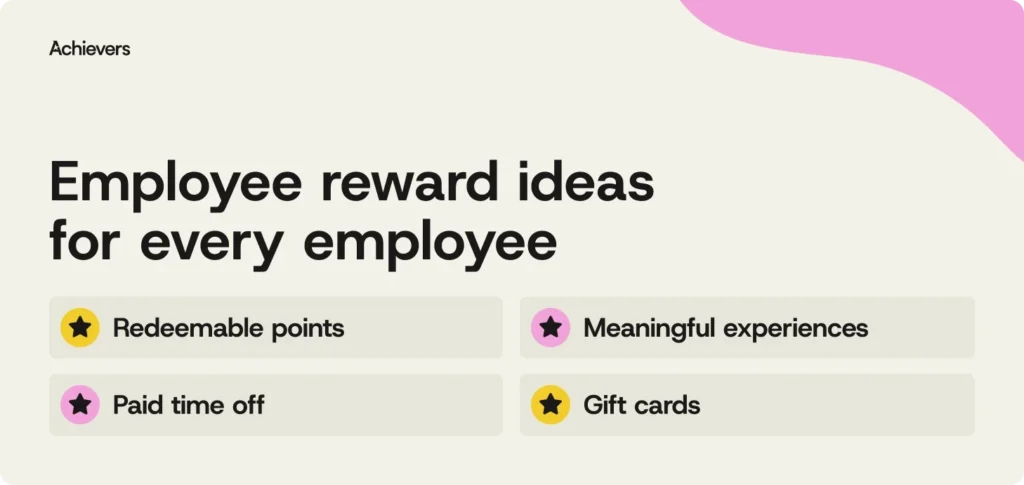
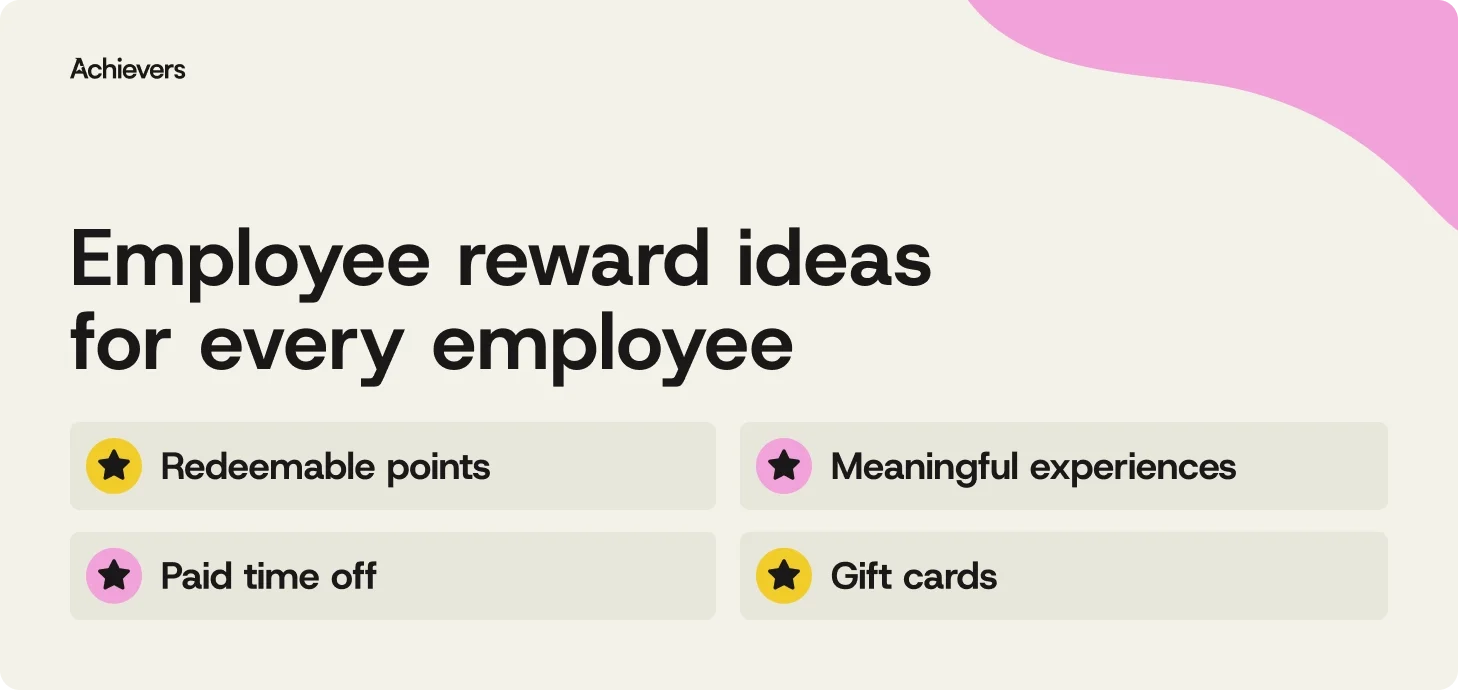
- Redeemable Points Systems: A highly flexible and personal option, points-based rewards empower employees to choose items or experiences that matter most to them from a curated catalog. When tied to meaningful recognition, these points accumulate, boosting motivation and reinforcing positive behaviors. The ability to convert points to prepaid cards or select from a global rewards catalog makes this system universally appealing.
- Cash Bonuses: While not flashy, direct cash payments offer universal utility, allowing employees to address personal financial needs, save, or splurge as they see fit. Spot bonuses can be particularly impactful during economically challenging times, providing immediate and tangible support.
- Gift Cards: Striking a balance between flexibility and thoughtfulness, gift cards allow employees to indulge in specific retailers, restaurants, or services they enjoy, making the reward feel like a treat rather than just money. A diverse selection of gift cards, especially through a robust rewards platform, maximizes their appeal.
- Tech Gadgets: Modern technology enhances both personal and professional life. Tablets, smartwatches, noise-canceling headphones, or even upgraded home office equipment (like ergonomic chairs or portable monitors for remote staff) are highly appreciated, high-impact, and long-lasting rewards.
- Branded Company Swag (Quality Focus): Moving beyond generic items, high-quality, desirable branded merchandise (e.g., insulated bottles, premium apparel, wireless chargers) can foster a sense of pride and belonging, reflecting a company culture that values quality and employee comfort.
- Shopping Sprees: Offering a curated shopping experience or a significant gift card to a major retailer provides a fun, flexible, and personal way for employees to treat themselves, celebrating their achievements with a tangible reward of their choosing.
II. Time & Flexibility Perks:
These rewards acknowledge the increasing value employees place on work-life balance and autonomy over their schedules.
- Paid Time Off (PTO): In a demanding work culture, additional PTO is a highly coveted reward. Whether for a vacation, personal errands, or simply rest, time off allows employees to reset and return recharged. Research consistently shows that adequate vacation time can significantly boost performance and reduce burnout.
- Flexible Scheduling: Granting employees more control over their work hours (flextime, compressed workweeks, alternate hours) demonstrates trust and significantly improves work-life integration. This signals a commitment to employee well-being and autonomy.
- Work-from-Anywhere Pass: A temporary pass to work from a location of their choice (even for a few days quarterly) offers a refreshing change of scenery and reinforces trust in employee performance regardless of location.
- Surprise Day Off: An unexpected day off, awarded for exceptional performance or a significant milestone, feels like a genuine gift, not a standard benefit. It clearly communicates that rest and appreciation are highly valued.
- Prime Parking Spots: A seemingly small gesture, a reserved parking spot can significantly ease daily commutes, especially in busy urban environments, providing a consistent reminder of appreciation.
III. Growth & Development Opportunities:
Investing in an employee’s future is a powerful form of recognition, demonstrating a commitment to their long-term career growth.
- Coaching and Professional Development: Rewarding high performers with access to executive coaching, industry conferences, specialized certifications, or even mentorship opportunities with senior leaders is a strategic investment. It not only recognizes past contributions but also fuels future potential and retention.
- Learning Stipends: Providing a stipend for employees to pursue personal or professional learning (e.g., language lessons, design workshops, leadership courses) fosters curiosity, continuous growth, and self-directed development, aligning with a culture of lifelong learning.
IV. Experiential & Wellness Benefits:
These rewards create lasting memories, promote well-being, and offer unique opportunities.
- Meaningful Experiences: From weekend getaways and cooking classes to concert tickets or spa days, experiential rewards create memorable moments. The key is understanding individual preferences to tailor the experience for maximum impact.
- Wellness Reimbursement/Programs: Investing in employee health through gym memberships, meditation app subscriptions, activity trackers, or even healthier office snacks demonstrates a commitment to holistic well-being. Comprehensive wellness programs or team challenges can further boost engagement and health outcomes.
- Travel Rewards: Leveraging points for hotels, flights, car rentals, or local experiences through a dedicated travel store offers employees the ultimate reward of exploration and personal enrichment, creating profound and lasting memories.
- Concierge Rewards: For truly exceptional achievements, concierge services can tailor unique rewards, from dream trips and home renovations to personalized luxury items, providing an unparalleled level of personalization and thoughtfulness.
V. Social & Purpose-Driven Recognition:
These rewards foster community, acknowledge shared values, and celebrate contributions publicly.
- Peer Recognition Programs: Recognition from colleagues is often perceived as highly authentic and meaningful. Implementing platforms that facilitate peer-to-peer shout-outs and awards strengthens team bonds and reinforces a culture of mutual appreciation.
- Charitable Donations (Company-Matched): Allowing employees to direct company-matched funds to causes they care about transforms recognition into shared impact. This aligns rewards with personal values, demonstrating that the company supports what matters beyond the workplace.
- Volunteer Opportunities (Paid): Offering paid time off for employees to volunteer for causes they are passionate about combines purpose with empowerment, allowing them to contribute to their communities and experience fulfillment outside of work.
- Team Activities/Outings: Organized team-building activities—whether an escape room, a catered dinner, or a volunteer day—provide opportunities for colleagues to connect, unwind, and build trust in a less formal setting. Giving the team a choice in the activity further enhances engagement.
- Catered Meals: Sharing food has a unique way of bringing people together and boosting morale. Surprise office snacks, team lunches, or holiday spreads demonstrate investment in daily experience. For remote teams, delivery stipends or food gift cards achieve a similar effect.
- Pet-Friendly Initiatives (Pet Day/Bring-a-Pet-to-Work): Inviting employees to bring their pets to work creates an instantly friendly, relaxed, and joyful atmosphere, fostering unique connections and a sense of shared humanity.
- Handwritten Notes: In a digital age, a personalized, handwritten note of appreciation feels profoundly human and intentional. It leaves a lasting impression, signaling that significant thought and care went into acknowledging their effort.
- Digital Recognition: Utilizing chat platforms, video calls, or dedicated online recognition platforms ensures that appreciation is timely, visible, and scalable across all work environments, reinforcing a culture of continuous feedback.
- Company Newsletter/Social Media Spotlight: Publicly featuring employees and their contributions in company communications boosts pride, reinforces positive behaviors, and strengthens a collective sense of belonging.
- Desk Plants: A simple, low-cost way to brighten workspaces, desk plants (especially low-maintenance varieties) add personality, improve air quality, and signal a thoughtful investment in a healthier, more pleasant work environment.
Strategic Implementation: Making Rewards Truly Impactful
Simply offering a diverse list of rewards is only the first step. To truly drive engagement and retention, an employee rewards program must be strategically implemented, timely, personal, and continuously optimized.
- Timeliness and Frequency: Recognition loses its power if delayed. Rewards should be delivered promptly after the commendable action, reinforcing the desired behavior effectively. Regular, ongoing recognition, not just annual awards, builds a culture of continuous appreciation.
- Personalization and Choice: Leverage technology to offer a wide array of reward options that cater to diverse preferences. Conduct surveys or gather feedback to understand what employees truly value. The more control employees have over their rewards, the more meaningful the recognition feels.
- Transparency and Fairness: Clearly communicate the criteria for earning rewards and ensure the process is perceived as fair and equitable across all teams and levels. This builds trust and prevents resentment.
- Integration with Performance Management: Link rewards to specific achievements, behaviors, and alignment with company values. This reinforces desired outcomes and makes the connection between effort and reward explicit.
- Managerial Empowerment: Equip managers with the tools, budget, and training to deliver effective, personalized recognition. Managers are often the frontline of appreciation, and their ability to recognize effectively is crucial.
- Visibility and Public Recognition: While some rewards are private, public recognition (e.g., team shout-outs, company-wide announcements) amplifies the impact, celebrating successes and inspiring others.
- Measurement and Feedback: Regularly track the effectiveness of your reward programs. Gather employee feedback through surveys and focus groups to identify what works, what doesn’t, and how to improve. Adapt the program based on insights to ensure it remains relevant and impactful.
- Leveraging Technology: Modern recognition and rewards platforms are indispensable for scaling personalized appreciation. These platforms can automate reward delivery, offer extensive catalogs, facilitate peer recognition, and provide valuable data analytics on program effectiveness.
Broader Impact and Implications: Shaping a Thriving Culture
The strategic shift towards personalized employee rewards has far-reaching implications for organizations. It transforms recognition from a mere HR function into a core business strategy that directly influences:
- Talent Attraction and Retention: In a competitive job market, companies known for genuinely valuing and recognizing their employees become highly attractive to top talent. Personalized rewards contribute significantly to employee loyalty, reducing turnover and the associated costs of recruitment and training.
- Enhanced Productivity and Performance: When employees feel seen, valued, and appropriately rewarded, their motivation and engagement naturally increase. This translates directly into higher productivity, improved quality of work, and greater innovation.
- Stronger Organizational Culture: A culture where appreciation is woven into daily operations fosters a positive, supportive, and collaborative environment. Personalized rewards strengthen team bonds, build trust, and align individual efforts with collective goals.
- Improved Employer Branding: Companies that excel at employee recognition build a reputation as an employer of choice. This positive employer brand enhances their standing in the market, making them more resilient and adaptable.
- Employee Well-being: By offering rewards that cater to diverse needs, including wellness and flexibility, organizations demonstrate a commitment to their employees’ holistic well-being, combating burnout and promoting a healthier work-life balance.
Conclusion: Weaving Appreciation into the Fabric of Work
In today’s complex and competitive business environment, generic gift cards and standard PTO, while appreciated, cannot singularly sustain a thriving organizational culture. Employees seek genuine appreciation that acknowledges their unique contributions and personal values. When rewards are thoughtful, timely, and seamlessly integrated into the cultural fabric, they transcend mere morale boosters. They become powerful catalysts, fueling performance, strengthening connections, and bolstering employee loyalty.
Platforms like Achievers exemplify how technology can facilitate this paradigm shift, making it effortless to celebrate individuals in ways that truly resonate—personalized, scalable, and embedded directly within the flow of work. From spontaneous shout-outs to significant milestone acknowledgments, these tools enable appreciation to become a consistent habit rather than an infrequent event. Because when rewards are authentic and meaningful, they don’t just support culture; they actively shape it, leading to tangible business results and a more engaged, connected, and committed workforce. The future of employee recognition is personal, and organizations that embrace this philosophy are poised to build stronger, more resilient, and more human-centric workplaces.