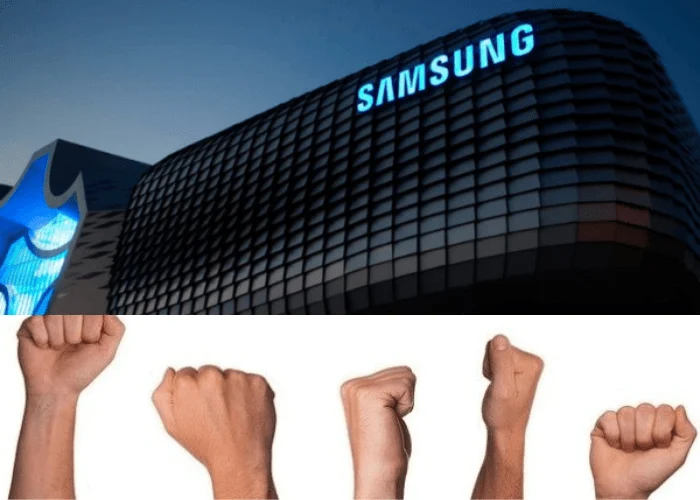
A massive employee rally has brought wage negotiations at Samsung Electronics into sharp focus, revealing growing tensions within the global technology giant. Thousands of workers gathered near the company’s crucial semiconductor complex in Pyeongtaek, South Korea, on a pivotal day, calling for a larger, more equitable share of the unprecedented profits generated from the ongoing artificial intelligence (AI) boom. This public demonstration underscores a significant shift in labor dynamics within one of the world’s most influential corporations, traditionally known for its management-centric culture.
Background of the Dispute: The AI Revolution and Semiconductor Gold Rush
Samsung Electronics, a cornerstone of the global technology landscape, holds a dominant position in the semiconductor industry, particularly in memory chips (DRAM and NAND flash) and foundry services. The advent of the AI era, characterized by the explosion of generative AI models and large language models (LLMs), has created an insatiable demand for high-performance computing components. Central to this demand are advanced memory solutions, specifically High Bandwidth Memory (HBM), which is crucial for accelerating AI training and inference in data centers and specialized AI accelerators.
The semiconductor division, Samsung Device Solutions (DS), has recently experienced a significant turnaround. After a challenging period marked by a downturn in the memory market in 2022 and early 2023, the segment rebounded dramatically. Propelled by surging demand for AI chips and recovering smartphone and PC markets, Samsung’s semiconductor business has returned to profitability, posting substantial operating profits. This resurgence has been largely attributed to the company’s strategic investments in HBM technology, where it competes fiercely with rivals like SK Hynix and Micron Technology. Employees within the chip division argue that their intensive labor, technical expertise, and dedication during both the downturn and the current boom are directly responsible for these remarkable financial gains, and therefore, they deserve a direct and substantial reward.
Chronology of Escalation: From Negotiation Table to Protest Grounds
The current dispute has been brewing for several months, with the National Samsung Electronics Union (NSEU), which represents a significant portion of Samsung’s workforce, engaging in protracted negotiations with management.
- Early 2024: Wage negotiations for the year commence, with the union presenting its initial demands for a substantial increase in base salary and a more generous profit-sharing scheme.
- March-April 2024: Initial rounds of negotiations reportedly fail to bridge the gap between union and management proposals. The union expresses dissatisfaction with the company’s offers, which they perceive as inadequate given the company’s robust performance.
- May 2024: With negotiations stalled, the NSEU intensifies its actions. On May 8, the union declared its intent to potentially stage a walkout, signaling a significant escalation.
- May 17, 2024: The massive employee rally takes place near the Pyeongtaek semiconductor complex, drawing an estimated 30,000 participants according to media reports, though union organizers claimed an even higher turnout. This public display of solidarity marks a critical juncture, underscoring the depth of employee dissatisfaction and the union’s resolve. The Pyeongtaek complex is Samsung’s largest semiconductor manufacturing facility, making the location of the protest highly symbolic and strategically impactful.
- Late May 2024 (Potential): Union leaders have indicated the possibility of an extended strike if negotiations do not progress favorably, with a potential walkout planned in late May. Such an action would be unprecedented in Samsung’s history and could have far-reaching consequences for global chip supply.
Core Demands and Divergent Proposals
At the heart of the dispute lies a fundamental disagreement over the distribution of the company’s operating profits.
The National Samsung Electronics Union (NSEU) is demanding that 15 percent of the operating profits from the semiconductor division be distributed among its workers. This figure represents a significant increase over past bonus structures and aims to directly link employee compensation to the division’s financial success. Given Samsung’s semiconductor business is reportedly generating billions of dollars in profit, a 15% distribution could translate into substantial payouts per employee, potentially amounting to tens of thousands of dollars for individual workers, depending on their salary and tenure. The union argues that this direct profit-sharing mechanism would more accurately reflect the employees’ contribution to the company’s AI-driven gains and provide a fair reward for their efforts.
In contrast, Samsung management has proposed a lower allocation of 10 percent toward bonuses, alongside a modest salary hike and additional financial benefits. While the company’s offer includes a general salary increase and some fringe benefits, the union contends that the 10% bonus allocation is insufficient and does not adequately reflect the extraordinary profitability and future prospects of the semiconductor division, especially in the booming AI market. They view the company’s offer as a traditional compensation package that fails to acknowledge the unique circumstances and heightened demands placed on chip-division employees during this critical period.
Supporting Data and Financial Context: A Look at Samsung’s Performance
Samsung Electronics has recently demonstrated a robust financial recovery, largely spearheaded by its semiconductor division.
- Q1 2024 Earnings: Samsung reported an impressive surge in operating profit for the first quarter of 2024, driven primarily by a strong rebound in its semiconductor business. The Device Solutions (DS) division, which encompasses semiconductors, returned to profitability, posting an operating profit of 1.91 trillion won (approximately $1.4 billion USD) after several quarters of losses. This turnaround far exceeded market expectations and signaled a robust recovery in the memory chip market.
- AI-Driven Demand: The demand for HBM chips, crucial for AI servers, has been a key catalyst. Samsung is a leading producer of HBM, competing with SK Hynix for market dominance. The company has aggressively ramped up its HBM production capacity and is investing heavily in next-generation HBM products, such as HBM3E, to meet the surging needs of global AI companies.
- Market Share: Samsung holds a significant share in the global DRAM and NAND flash memory markets. Its strategic pivot towards high-value, high-margin products like HBM is critical for sustaining its leadership and profitability in the highly cyclical semiconductor industry. The company’s overall revenue for Q1 2024 also saw a healthy increase, reinforcing the perception among employees that the company is financially capable of meeting their demands.
- Profitability vs. Compensation: The union’s argument is bolstered by the stark contrast between the company’s soaring profits and what they perceive as stagnant or insufficient wage growth for frontline workers. They highlight that while executives and shareholders benefit significantly from the AI boom, the employees who design, manufacture, and test these critical components are not receiving a proportional share.
Statements and Reactions: Voices from All Sides
While direct quotes from specific officials are often guarded in such sensitive negotiations, the positions of various parties can be inferred from public statements and industry observations:
- Union Officials (NSEU): A spokesperson for the NSEU might state, "Our members have worked tirelessly through market downturns and now, through this unprecedented AI boom, to bring Samsung back to record profitability. We believe our contribution to the company’s success, particularly in the critical HBM segment, has not been adequately rewarded. We are seeking a fair and transparent profit-sharing model that reflects the true value of our labor and expertise. A 15% share of the semiconductor operating profits is not just a demand; it is a recognition of our collective effort and a path to equitable compensation."
- Samsung Management: A representative from Samsung Electronics’ human resources or communications department might respond, "Samsung Electronics is deeply committed to ensuring fair and competitive compensation for all its employees. We are actively engaged in constructive dialogue with our union representatives to reach a mutually beneficial agreement. Our current proposal includes a comprehensive package of salary increases, performance-based bonuses, and additional welfare benefits, designed to reward our dedicated workforce while ensuring the long-term sustainability and competitiveness of the company in a rapidly evolving global market. We believe in fostering a collaborative environment and are striving for a resolution that balances employee well-being with business realities."
- Industry Analysts: Industry observers might offer insights such as, "This labor dispute at Samsung is a critical development. Given Samsung’s pivotal role in the global semiconductor supply chain, particularly for HBM, any prolonged disruption could have significant ripple effects across the tech industry. It also highlights a broader trend of increasing labor activism in South Korea, even within traditionally less unionized corporate giants. The outcome of these negotiations could set a precedent for other major Korean conglomerates and influence future labor relations across the technology sector globally. Companies are under increasing pressure to demonstrate fair wealth distribution, especially when reporting record profits."
Broader Impact and Implications: A New Era for Samsung Labor Relations
The ongoing wage dispute and the potential for a strike carry significant implications for Samsung, the broader semiconductor industry, and South Korean labor relations.
-
For Samsung Electronics:
- Reputational Risk: A prolonged dispute or strike could damage Samsung’s corporate image, potentially affecting consumer perception and investor confidence. The company prides itself on its stability and efficiency, and labor unrest could undermine this perception.
- Production Disruption: The most immediate and tangible threat is a potential disruption to semiconductor production. A strike, even for a short duration, at a critical facility like Pyeongtaek could severely impact the supply of vital memory chips, particularly HBM, which is already in high demand. This could lead to delays for key clients (like NVIDIA, AMD, and other AI hardware developers) and potentially cede market share to competitors like SK Hynix.
- Financial Impact: Beyond the costs of meeting union demands, any production halts would result in lost revenue and increased operational expenses, directly impacting Samsung’s bottom line.
- Precedent Setting: The resolution of this dispute will undoubtedly set a precedent for future labor negotiations within Samsung and potentially across other major Korean chaebols (conglomerates). The increasing influence of organized labor at Samsung signals a significant shift from its historically management-dominated corporate culture.
-
For the Semiconductor Industry:
- Supply Chain Vulnerability: The global semiconductor supply chain is already complex and delicate. Any major disruption from a leading player like Samsung could exacerbate existing challenges and lead to price volatility and component shortages, especially for AI-related hardware.
- Labor Trends: The Samsung situation could inspire similar demands or unionization efforts at other semiconductor manufacturers globally, particularly in regions where labor has traditionally had less bargaining power. It underscores the growing awareness among highly skilled technical workers of their leverage in a booming, critical industry.
-
For South Korean Labor Relations:
- Increased Union Influence: This dispute highlights a broader shift within Samsung, where organized labor has gained increasing influence after years of limited presence. Samsung has a historical reputation for resisting unionization, and only in recent years, spurred by changes in labor laws and societal attitudes, have unions like the NSEU grown in prominence. This signals a more assertive workforce in one of the world’s leading tech giants.
- Shift in Chaebol Dynamics: The ability of a union to mobilize thousands of workers and credibly threaten a strike at a company like Samsung indicates a fundamental change in the power dynamics between employees and management within Korea’s powerful chaebols. It reflects a societal push for greater corporate accountability and more equitable distribution of wealth.
Conclusion: A Defining Moment for Samsung
The ongoing wage negotiations and the employee rally represent a defining moment for Samsung Electronics. As the company navigates the lucrative yet highly competitive AI landscape, its ability to foster internal harmony and fairly reward its workforce will be as critical as its technological prowess. The outcome of these negotiations will not only shape the future of Samsung’s labor relations but could also reverberate throughout the global technology industry, underscoring the evolving relationship between capital, labor, and the unprecedented wealth generated by the artificial intelligence revolution. All eyes remain on Samsung as it seeks to resolve this high-stakes dispute while maintaining its leadership position in a rapidly changing world.