ServiceNow has recently unveiled a comprehensive suite of announcements designed to propel its ambitious goal of doubling its revenue to $30 billion within the next four years. At the core of this strategy lies a bold vision to become the indispensable platform for managing, securing, and acting as the primary interface for every AI agent deployed within an enterprise. This strategic pivot, which signals a potential resurgence for Software-as-a-Service (SaaS) models, places ServiceNow in direct competition with major technology players like Microsoft and Workday, who are pursuing similar objectives in the burgeoning enterprise AI landscape.
The company’s messaging, encapsulated by the tagline "We are turning enterprise AI chaos into control," directly addresses a growing concern among chief information officers regarding the governance and scalability of AI deployments. This contrasts with Workday’s emphasis on "AI agents without enterprise governance are lawless by design," both underscoring the critical need for robust management frameworks in the age of intelligent automation. While the emphasis on control and governance is well-received by IT leadership, the broader business challenge remains the development of scalable return on investment (ROI) use cases for these AI technologies. The success of ServiceNow’s strategy will hinge on its ability to equip organizations with the tools to not only manage AI but also to accelerate their adoption and derive tangible business value.
Action Fabric: Orchestrating and Monetizing Enterprise AI Activity
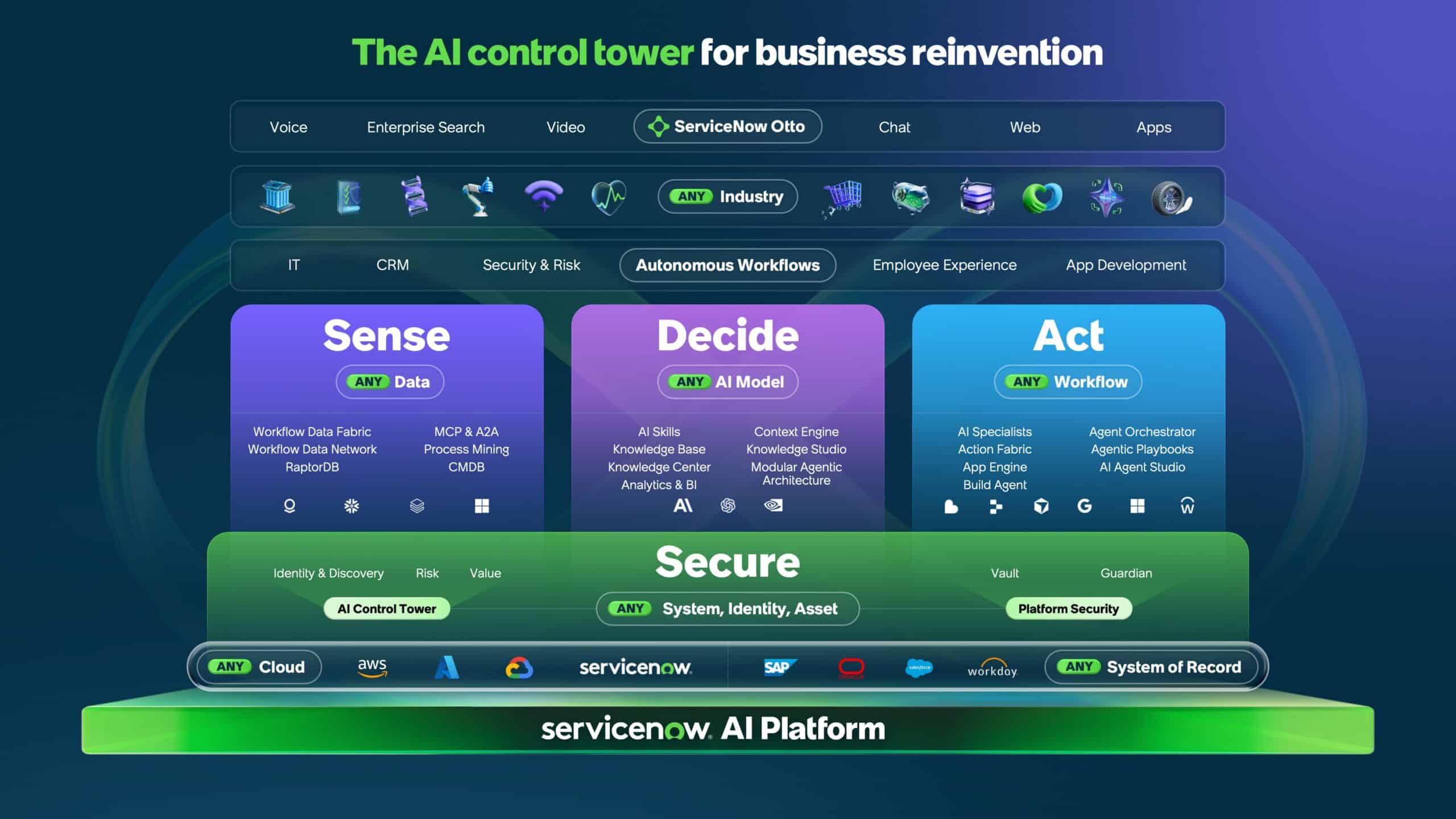
A cornerstone of ServiceNow’s new strategy is the "Action Fabric," an architectural layer designed to monitor and manage all AI agent activity within an organization. This concept mirrors the approaches taken by Microsoft with its Agent 365 and Workday’s Agent System of Record, all aiming to establish a central oversight and control mechanism for the burgeoning ecosystem of AI agents.
ServiceNow’s Action Fabric, powered by its proprietary Master Control Program (MCP) server, is designed with an open and flexible architecture:
- Universal Agent and Model Compatibility: The Action Fabric is engineered to integrate with "any agent" and "any model," regardless of the developer or vendor. This means that AI agents, whether built in-house or procured from third parties, can connect and operate within the ServiceNow ecosystem. Both Microsoft and Workday have articulated similar commitments to broad interoperability.
- Openness to All AI: The management tools within the Action Fabric are accessible to external AI agents. This enables seamless automation of management scenarios and the integration of third-party management frameworks, fostering a more connected and responsive AI infrastructure.
- Comprehensive Control and Trust: A key differentiator is ServiceNow’s emphasis on "Full Control; Full Trust." All agents operating within the fabric are subjected to rigorous authentication, permission scoping, auditing, and continuous monitoring. While ServiceNow highlights these security and governance features, the exact enforcement mechanisms for specific business rules originating from platforms like Workday or SAP remain an area requiring further clarity.
This approach leverages ServiceNow’s two decades of investment in foundational enterprise technologies, including its Configuration Management Database (CMDB), Workflow Data Network, sophisticated business rule engine, Security Center, and robust identity and access management controls. This extensive IT management infrastructure is now being reoriented to serve as a comprehensive management system for AI agents and applications, positioning ServiceNow for a significant role in the ongoing "reinvention" of enterprise IT.
This strategic move by ServiceNow is mirrored by parallel efforts from its competitors. Workday’s Agent System of Record and Agent Gateway aim to open its established platform to external agents on a per-call basis, while SAP is directing agents to utilize its Business Accelerator Hub for accessing and metering business rules. The choice for enterprises will likely depend on factors such as the depth of existing investments in platforms like Workday or SAP, and the preferred development environments for AI agents, such as Microsoft’s Joule or ServiceNow’s own offerings.
Otto: The "Front Door" to Enterprise AI and Employee Experience
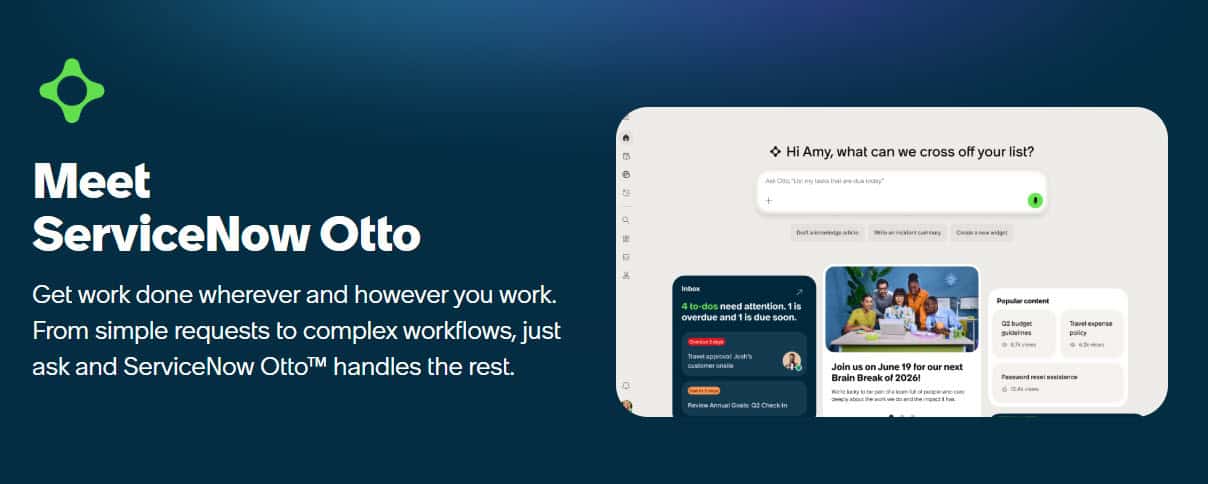
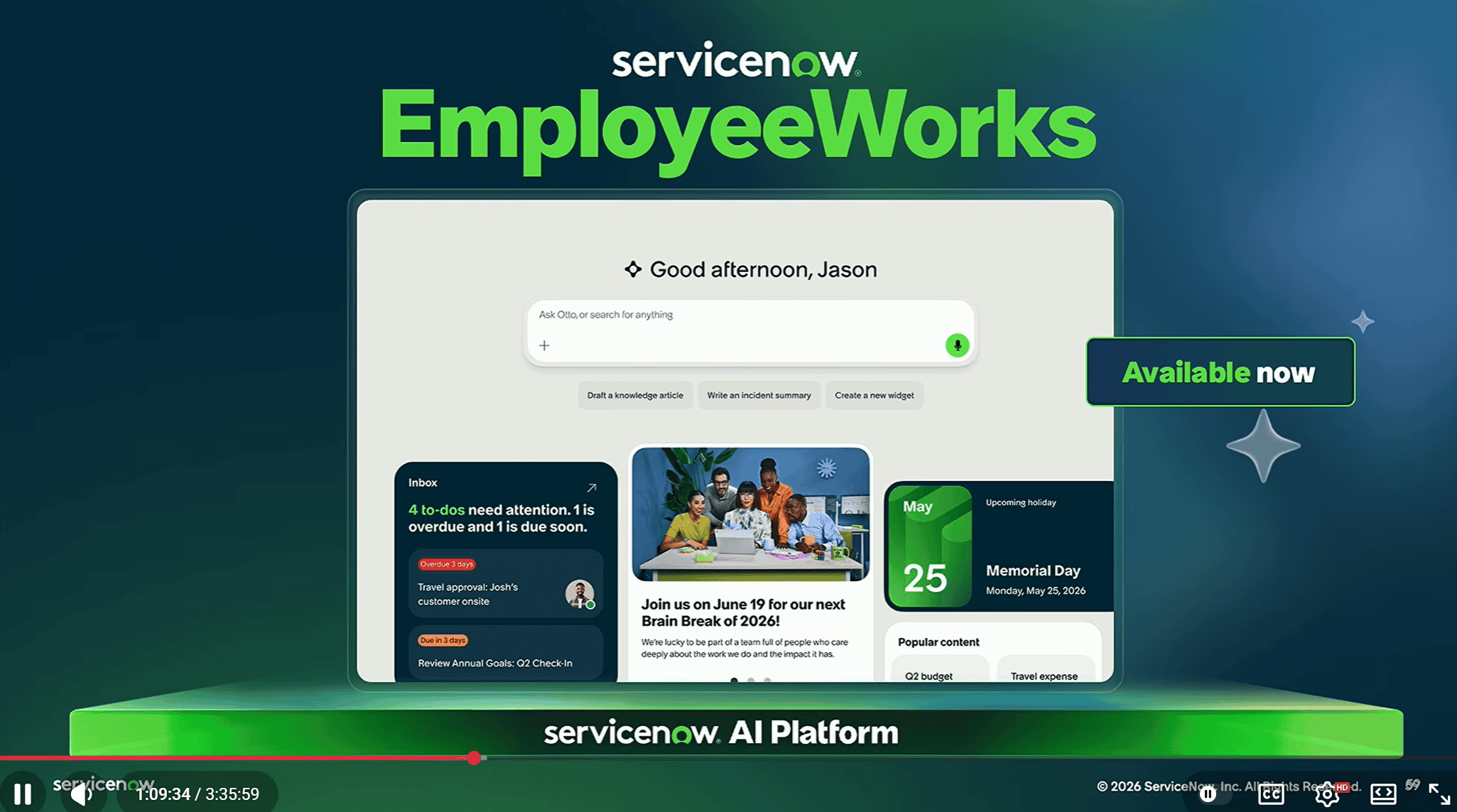
ServiceNow is reinventing its Now Assist capabilities, rebranding and integrating them into "Otto," a unified AI persona designed to serve as the "Front Door" for employees accessing any enterprise service or information. This initiative directly competes with Workday’s introduction of "Sana" as its enterprise front door and Microsoft’s integration of AI agents within its productivity suite.
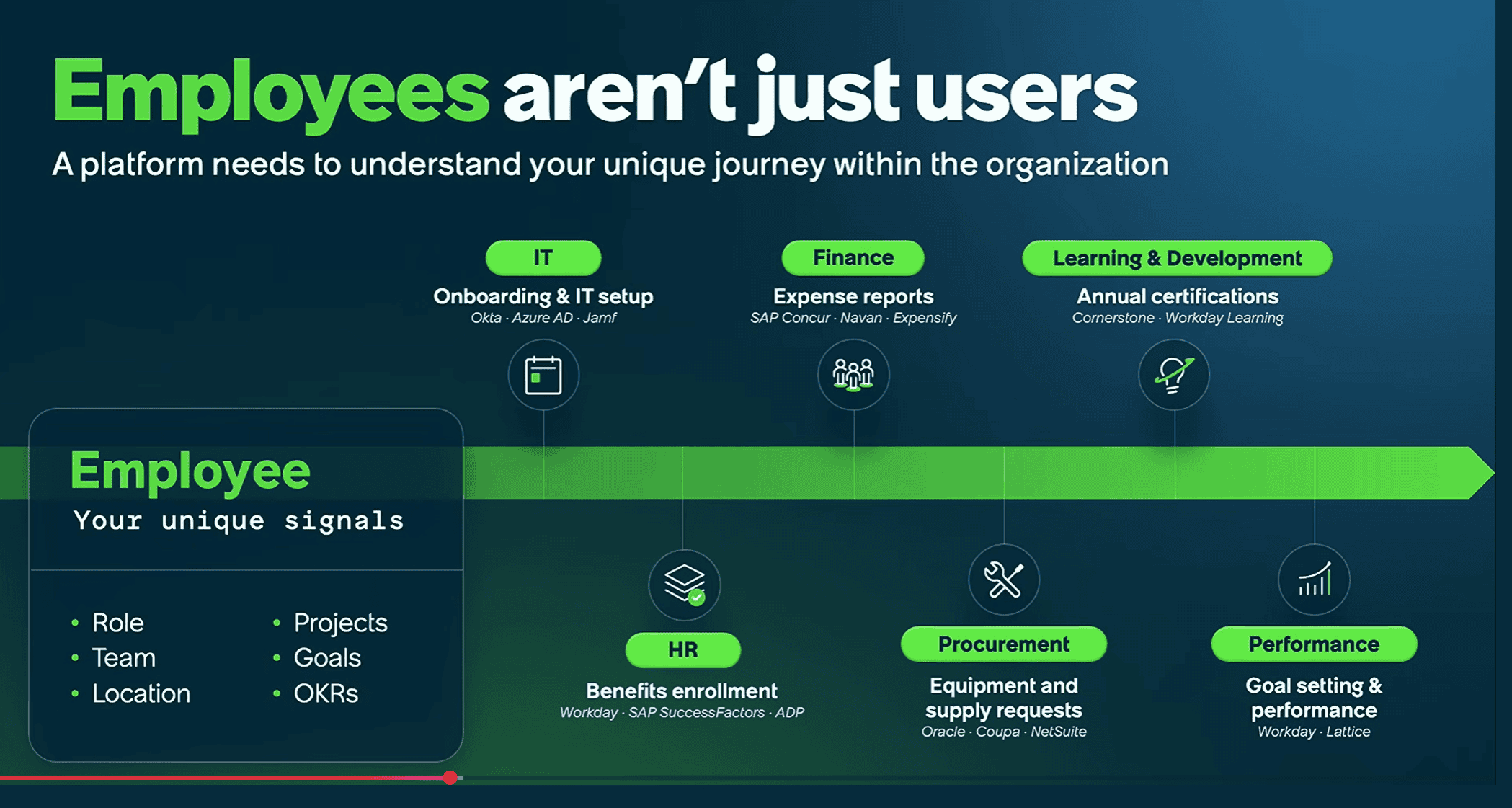
The integration of Moveworks technology into Now Assist and its subsequent rebranding as Otto positions it as a friendly, approachable employee tool. Otto is envisioned to handle a wide array of employee needs, including search, knowledge management, and broader HR and IT support. While the branding as a distinct persona aims to enhance user adoption, the underlying functionality of such employee experience platforms is complex. These platforms must integrate with diverse systems to address a wide spectrum of employee inquiries, ranging from simple requests about vacation policies to more intricate issues requiring access to HR, IT, and operational data.
Bhavin Shah, founder of Moveworks, now leads the Otto initiative. The platform is being promoted under the "EmployeeWorks" umbrella, emphasizing its open nature and its role in redefining the employee experience. This signifies a departure from traditional "Employee Self-Service" models, heralding a new era where a personalized AI assistant acts as the primary interface for employees.
The evolution of Employee Experience (EX) platforms is a critical area of focus for many technology vendors. The challenge lies in building a truly comprehensive EX solution that goes beyond basic chatbot functionalities. As demonstrated by the development of specialized AI agents for crisis management, which must handle complex scenarios involving personal trauma and logistical challenges, the demands on these platforms are significant. Otto’s success will depend on its ability to offer a rich, integrated experience that addresses the multifaceted needs of the modern workforce, a space that is becoming increasingly crowded with offerings from Microsoft, Zoom, and various Human Capital Management (HCM) providers.
The AI Control Tower: Governing and Securing Enterprise AI
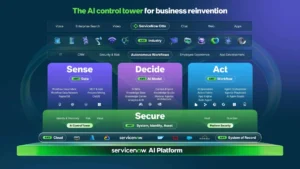
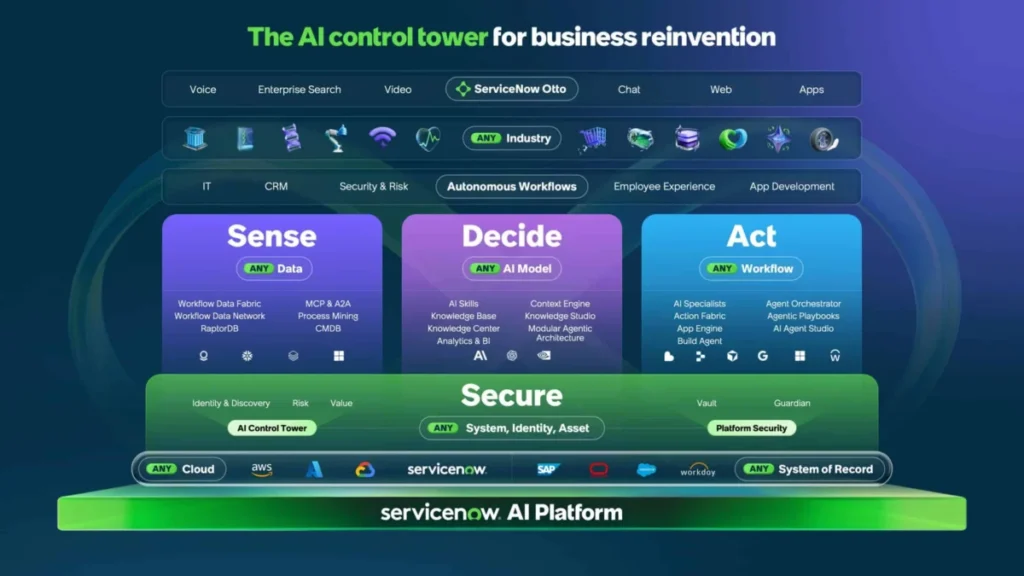
ServiceNow’s vision extends to an "AI Control Tower," a sophisticated platform designed to "discover, observe, govern, and secure enterprise AI." This tool aims to provide deep visibility into AI agent performance, track value creation, and identify potential issues such as hallucinations or operational inefficiencies. The concept of an AI Control Tower is ambitious, seeking not only to monitor and provision agents but also to calculate their ROI. This would allow organizations to identify underperforming or excessively resource-intensive agents.
The vision for the AI Control Tower echoes historical IT management paradigms, reminiscent of IBM’s SystemView initiative from decades past, which aimed to manage all computing resources within the IBM SNA network. In the current context, ServiceNow’s strategy is to provide comprehensive oversight of all identities – encompassing AI agents, workflows, and human users – within the enterprise. This broad scope reflects a desire to manage the entirety of the digital workforce.
However, the emphasis on monitoring and managing every decision raises important considerations. While appealing to IT departments concerned with security and efficiency, the implications for employee autonomy and judgment need careful consideration. Drawing parallels with customer service excellence, such as The Ritz Carlton’s model of empowering employees to "use their own best judgment," highlights the potential tension between centralized AI governance and the need for human discretion and adaptability in complex situations. The challenge lies in striking a balance that ensures AI operates effectively and securely without stifling human initiative.
The ServiceNow Autonomous Workforce: Predefined AI Specialists
Further solidifying its position, ServiceNow has introduced "The ServiceNow Autonomous Workforce," a set of predefined "AI Specialists" designed to perform autonomous work across various business functions. This initiative aligns with the growing trend of defining specific roles and responsibilities for AI agents, a concept explored in depth in research on "Agentic HR."
ServiceNow is categorizing these AI Specialists into distinct roles, including:
- Site Reliability AI Specialist
- AI Operations Specialist
- Level 1 Service Desk Specialist
- HR Service Delivery AI Specialist
- Case Management Specialist
- Third-party Screening Specialist
- Enterprise Architecture Specialist
- Vulnerability Exposure Specialist
This approach aims to provide organizations with ready-made AI capabilities that can be trained and deployed for specific tasks. This concept is analogous to the classification of agents into those that "take action," "set rules," and "observe and monitor." The potential exists for further specialization, such as DEI analysis, employee engagement monitoring, or pay equity advocacy, transforming tasks previously handled by human personnel into the domain of highly efficient AI agents.
The naming and definition of these AI roles are crucial for adoption. ServiceNow’s initiative in this area provides a framework that may evolve as AI agents become more sophisticated and capable of self-identification based on their core competencies. The integration of Galileo, an AI-powered digital HR consultant, into Otto further underscores ServiceNow’s commitment to providing intelligent, specialized AI solutions for HR and beyond.
Context Engine: Unifying Enterprise Operations Through a Context Layer
A critical component of ServiceNow’s expanded AI strategy is the introduction of the "Context Engine." This engine acts as a context layer designed to identify and locate existing system business rules and metadata, providing a unified view of enterprise operations. The goal is to create a comprehensive understanding of an organization’s structure, privacy rules, and various business workflows, drawing data from ERP and other core systems.
ServiceNow claims that the Context Engine continuously learns and refines its understanding of business operations with each interaction, describing it as a "graph of graphs." This involves integrating its workflow data network to create a massive graph encompassing knowledge, actions, assets, and decisions. The introduction of "autonomous data analytics" and an "AI Analyst Specialist" further supports the goal of maintaining data integration and providing intelligent insights.
This domain is highly competitive. Microsoft’s WorkIQ offers a similar contextual layer, leveraging the Microsoft Graph and its extensive connector ecosystem. Gloat has also entered this space with Loomra, focusing on human capital applications. The effectiveness of these context engines will be paramount in enabling AI agents to operate with accurate, up-to-date information and to adhere to complex business logic.
A Vision for New Revenue Streams in the AI Era
ServiceNow’s expansive strategy is not just about technological innovation; it’s fundamentally about redefining revenue models in the enterprise AI market. The company’s goal to reach $30 billion in revenue signifies a massive opportunity, with AI agents poised to be monetized through usage-based fees rather than traditional per-seat licenses. This shift is recognized across the enterprise software landscape, with companies like Workday, Oracle, and SAP also adapting their strategies.
The broader industry is seeing significant investment in AI services. Anthropic’s partnership with Blackstone to form a new services company for integrated AI products and services, and OpenAI’s launch of a joint venture with private equity firms to deploy AI, underscore this trend. The fundamental idea is that "software is a service," with fee-driven services replacing a substantial portion of human labor.
However, the economic viability of this model is still being tested. The decision by companies like Uber to scale back on software agents because human labor is proving more cost-effective highlights the ongoing debate about AI’s ROI. The critical distinction lies between simply "automating work" and "transforming work." Organizations are being cautioned to focus on strategic transformation and redesign before investing heavily in the underlying infrastructure for AI management and governance.
Furthermore, the ease of development and integration offered by competing platforms will play a significant role. If building and managing AI agents is demonstrably simpler on Microsoft or Workday platforms, enterprises may opt for their integrated management tools. The "total cost of AI transformation" must encompass not only development and maintenance but also business rules and governance.
The Future of Work: Balancing AI Control with Human Judgment
While ServiceNow’s vision of an AI-controlled enterprise is compelling, especially in its ability to address security concerns like prompt injection attacks, it’s essential to consider the human element. The drive for comprehensive monitoring and management of AI agents, while beneficial for IT, should not overshadow the value of human judgment and discretion. As exemplified by the Ritz Carlton’s philosophy, empowering individuals to make decisions at critical junctures is crucial for exceptional service and problem-solving.
The ultimate aim of AI agents, as articulated by ServiceNow, is not merely to automate tasks but to "liberate us to think bigger and more clearly as humans." The future of work will likely involve a symbiotic relationship where AI handles the complex, data-intensive, and repetitive tasks, freeing human workers to focus on creativity, strategic thinking, and empathetic interaction. The success of ServiceNow’s ambitious strategy will ultimately be measured by its ability to facilitate this evolution, transforming enterprise operations while empowering its human workforce.