
The traditional corporate paradigm, long equating ambition with an aggressive pursuit of promotions, rapid ladder climbing, and escalating paychecks culminating in leadership roles, is undergoing a profound re-evaluation within Singapore’s younger workforce. A significant cultural and professional shift is unfolding as Generation Z and millennials increasingly reject this monolithic definition of success, opting instead for a more deliberate, calculated, and holistic approach to their careers. This evolving mindset prioritizes long-term stability, continuous skills development, personal well-being, and a clear sense of purpose, signaling a fundamental divergence from the fast-paced, linear progression that once characterized career success in the city-state.
This paradigm shift is meticulously detailed in Deloitte’s latest Global 2026 Gen Z and Millennial Survey, which paints a vivid picture of a generation grappling with economic realities while simultaneously reshaping professional aspirations. The survey reveals that a striking half of Gen Zs and millennials in Singapore have postponed significant life decisions, such as marriage, starting a family, or pursuing higher education, primarily due to prevailing financial circumstances. Furthermore, only a small minority within these demographic cohorts view leadership as their foremost career aspiration. This trend, however, is not indicative of a generation lacking drive; rather, it underscores a sophisticated recalibration of what "progress" truly signifies in the modern working world. They are not less ambitious, but their ambition is channelled differently, towards a more sustainable and fulfilling professional journey.
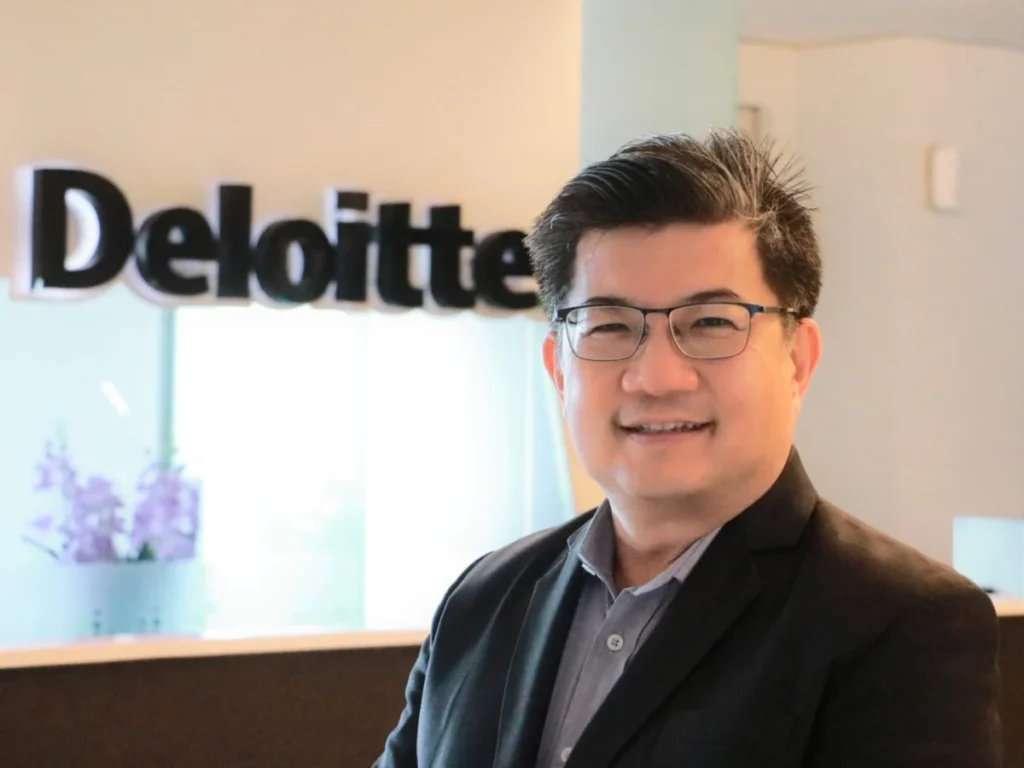
Mark Nicholas Teoh, Human Capital Leader for Deloitte South-East Asia, articulates this transformation with clarity, observing a fundamental change in how younger employees evaluate their professional trajectories. "The biggest shift is in what counts as progress," Teoh explains. "Fifteen years ago, success was measured by the speed of the climb: title, promotion, pay. Today’s Gen Zs and millennials measure success by whether the climb is sustainable." This distinction is critical, moving the focus from immediate gratification and upward mobility to enduring career satisfaction and personal growth. The survey corroborates this sentiment, finding that only about one-quarter of Gen Zs and one-fifth of millennials in Singapore actively seek rapid career growth. The majority express a preference for steady, incremental advancement, while a notable one in five are even prepared to move laterally or accept more junior positions if such a move promises a better long-term fit and aligns more closely with their evolving values and objectives. "Ambition has not fallen," Teoh asserts, "The criteria for success have changed." This statement encapsulates the core finding: the drive remains, but its compass has been reoriented.
Economic Headwinds and Delayed Milestones: A Generation’s Calculated Choices
The backdrop against which these career decisions are made is one of significant economic pressure, particularly pronounced in Singapore. The Deloitte report highlights that the pervasive issue of the cost of living remains the paramount concern for both Gen Zs and millennials in the nation. Singapore, a global financial hub renowned for its economic dynamism, also ranks among the world’s most expensive cities. Recent years have seen sustained inflationary pressures, particularly in sectors like housing, transport, and daily necessities, directly impacting the disposable income and long-term financial planning of its residents. The housing market, in particular, has witnessed substantial appreciation in both HDB (Housing Development Board) flat prices and private property values, making homeownership a distant dream for many young professionals without significant financial support or a lengthy savings period.
This economic reality profoundly influences career decisions. More than half of the respondents reported delaying major life milestones – such as marriage, starting a family, or pursuing further education – directly attributing these postponements to financial constraints. This isn’t merely a localized phenomenon; globally, younger generations are facing similar pressures, but Singapore’s unique blend of high living costs and societal expectations amplifies these challenges. The average age for marriage and first home purchase has steadily climbed over the past decade, reflecting these underlying economic forces.
However, Deloitte’s analysis, as framed by Teoh, underscores that this is not a generation in "delay" but one in "discernment." This distinction is paramount for employers. "Delay implies these generations will eventually revert to traditional timelines, allowing employers to wait them out," Teoh clarifies. "Discernment suggests they are making deliberate choices about when and under what conditions they commit, and they intend to hold those standards." This proactive, strategic approach to life and career planning means that despite facing significant financial headwinds, younger employees are far from stagnant. "They are sequencing, not stalling," Teoh explains, pointing out that the very same individuals postponing major life decisions are concurrently investing heavily in acquiring new skills and enhancing their adaptability. This drive for self-improvement and future-proofing, even amidst economic uncertainty, highlights a resilient and forward-thinking workforce. The government’s SkillsFuture initiative, which provides Singaporeans with credits to attend various training courses, has seen substantial uptake among these demographics, further supporting the notion of active skill development.
Beyond the Fast Lane: Redefining Career Progression
The traditional career trajectory, characterized by a rapid ascent through hierarchical ranks, is increasingly being questioned and bypassed by Singapore’s younger professionals. For decades, the metric of success was often synonymous with the speed at which one climbed the corporate ladder, marked by title changes, promotions, and corresponding salary increments. This linear model, however, no longer resonates with a significant portion of the contemporary workforce. Instead, a preference for a "sustainable climb" – one that balances professional growth with personal well-being and a sense of purpose – has taken precedence.
The survey data is compelling: only a quarter of Gen Zs and a fifth of millennials in Singapore are actively pursuing fast-paced career growth. The majority instead favor a more measured, steady progression that allows for deeper skill acquisition, personal development, and the maintenance of a healthy work-life balance. This sentiment is further underscored by the willingness of approximately one in five individuals to consider lateral moves or even accept more junior roles if these opportunities promise a better long-term fit, enhanced learning prospects, or a more aligned organizational culture. Such flexibility demonstrates a strategic outlook that values holistic career satisfaction over mere positional advancement.
For employers, this shift carries significant implications. The conventional wisdom of designing careers around a singular, linear track risks alienating and losing valuable talent. Teoh advocates for a fundamental re-evaluation of performance metrics. "Employers in Singapore are encouraged to stop designing careers around a single, linear track," he advises. "Reward breadth and lateral movement as indicators of high performance, rather than as drift. The employers who mistake selectiveness for a lack of drive risk losing exactly the talent they wish to retain." This necessitates a more fluid and individualized approach to career development, recognizing that value creation can occur across various roles and pathways, not just upwards. Companies that embrace skill diversification, cross-functional experiences, and personalized growth plans are more likely to attract and retain this discerning generation.
The Digital Divide: AI Adoption Outpaces Enterprise Integration
One of the most striking findings of the Deloitte survey highlights a significant chasm between individual and organizational adoption of artificial intelligence in Singapore. While the nation prides itself on its Smart Nation initiatives and technological prowess, the integration of AI within its enterprises appears to lag behind the readiness and eagerness of its younger workforce. A staggering 88% of Gen Zs and 86% of millennials in Singapore reported using AI in their daily work, figures significantly higher than global averages. This demonstrates a proactive embrace of new technologies and a clear understanding of AI’s potential to enhance productivity and efficiency.
However, this individual enthusiasm is not matched by organizational provision. Fewer than one-third of these digitally native employees believe that the AI tools provided by their employers are sufficient or adequately integrated into their workflows. This disconnect, as Teoh points out, reveals an "uncomfortable truth": "The inversion tells us individuals are adopting at consumer speed while organizations adopt at enterprise speed." This gap is particularly pronounced in Singapore compared to many other markets, suggesting a bottleneck in how quickly businesses are translating individual AI proficiency into systemic operational advantages.
The core problem, in Teoh’s assessment, is that many organizations remain stuck in a "use-case mode" – characterized by isolated pilot projects and proofs of concept that demonstrate AI’s potential but fail to embed it deeply into the fabric of daily work. Deloitte research globally indicates that more than four in five organizations have yet to redesign jobs to effectively incorporate AI capabilities. "Despite the workforce adapting to AI, the nature of work remains stagnant," Teoh observes. This inertia prevents companies from fully harnessing the transformative power of AI, leading to missed opportunities for enhanced efficiency, innovation, and employee engagement.

To bridge this critical gap, Teoh argues for a comprehensive approach. This includes explicitly redesigning roles to define the division of labor between humans and AI, rebuilding workflows to seamlessly integrate technology rather than placing it alongside existing processes, equipping managers with the skills to lead this redesign, and embedding robust governance directly into the AI tools themselves. The appetite for such change is undeniably present among employees: 40% of Gen Zs and 47% of millennials in Singapore express a commitment to continuously seek new AI training as the technology evolves, once again surpassing global levels. This proactive stance from the workforce presents a clear mandate for organizations to accelerate their AI integration strategies, not just to keep pace with global trends but to leverage their employees’ inherent digital fluency.
Rethinking Leadership: Ambition Without Burnout
The Deloitte survey also challenges long-held assumptions about leadership ambition within the younger generations. While a significant majority – 81% of Gen Zs and 67% of millennials in Singapore – express an interest in leadership roles at some point in their careers, a striking contrast emerges when asked about their primary career goal. Only 6% of Gen Zs and a mere 3% of millennials identify leadership as their foremost aspiration. This data point, far from indicating a lack of ambition, suggests a nuanced and critical perspective on the current construct of leadership.
Teoh interprets these findings as a clear indication that "This generation is redefining ambition. Leadership, as the role is currently constructed, has not proven its worth." The hesitation to pursue leadership as a primary goal stems from tangible concerns. Common reasons cited by younger employees include the pervasive issues of stress, burnout, the burden of excessive responsibility, and the perceived sacrifice of work-life balance that often accompanies management positions. These observations are not a rejection of leadership itself, but rather a "judgment on the way this role is often structured," Teoh clarifies. The "always-on" culture, coupled with constant pressure, paints a picture of leadership that many are wary of adopting.
Interestingly, the survey uncovered a counter-intuitive finding: those already in senior leadership roles often report better mental health and work-life balance compared to their subordinates, and are less likely to identify long hours as a primary source of stress. This suggests that the apprehension surrounding leadership may be shaped more by external perceptions – the demanding, perpetually connected image of management – rather than the lived experience of those in such positions. The disparity highlights a crucial perception gap that employers must address.
The risk of misinterpreting this trend is substantial and two-fold. Firstly, organizations that mistakenly conclude "nobody wants to lead" risk under-investing in their leadership pipeline, a critical oversight particularly as the large cohort of Baby Boomers approaches retirement, making succession planning more urgent than ever. Secondly, companies that fail to reframe the perception and structure of leadership roles may witness their most capable emerging talent seek leadership opportunities elsewhere, in environments that promise a more sustainable and balanced approach. Teoh emphasizes that "The fix to this issue is not motivational – it is structural," advocating for sustainable workloads, genuine flexibility, and credible, transparent pathways to advancement that demonstrate a commitment to employee well-being within leadership roles.
The Great Workforce Transition: Bridging the Experience Gap
Beneath these evolving career aspirations and technological shifts lies a profound, longer-term concern for Singapore’s economy and workforce stability: a generational transition of unprecedented scale. As the Baby Boomer generation enters retirement, millennials and Gen Zs are stepping into more senior roles, with Gen Alpha rapidly approaching the workforce. This confluence of demographic shifts creates what the Deloitte report aptly describes as a "once-in-a-generation workforce transition."
A significant indicator of the challenges ahead is the low confidence in continuity within organizations. Only 44% of Gen Zs and 61% of millennials believe their team could maintain performance if a key expert were to depart suddenly. This lack of confidence underscores a critical "experience architecture" challenge, as defined by Teoh. The traditional mechanisms for developing professional judgment – through years of accumulated experience from retiring experts and the foundational learning provided by entry-level tasks – are eroding. AI is increasingly absorbing many of these entry-level tasks, thus removing a crucial first rung of the career ladder that once allowed younger employees to build foundational skills and contextual understanding.
The barriers to effective knowledge transfer are largely structural. Forty-four percent of Gen Zs point to a lack of incentives or recognition for sharing knowledge, while 35% cite a lack of dedicated time for such activities. Millennials, on the other hand, most frequently highlight the absence of standardized templates or tools (39%) and concerns over confidentiality (32%). "The system does not provide an incentive to pass it on," Teoh concludes, identifying a systemic flaw in how organizational knowledge is managed and disseminated.
To navigate this monumental transition successfully, organizations must fundamentally rethink their approach to learning, development, and collaboration. Those that will thrive in the coming years are the ones that proactively embed continuous learning, structured apprenticeship models, and shared decision-making directly into the design of work itself. While initiatives like "harmony workshops" or "reverse-mentoring schemes" can offer some value, Teoh argues that they often fail to transfer judgment at scale. Instead, "Redesigned roles, shared decisions and structured apprenticeship within the real work do," he states. By integrating these elements into daily operations, companies can ensure that critical knowledge and expertise are systematically transferred and cultivated across generations, building organizational resilience. "The organizations that get this right will quietly compound an advantage year after year, and the ones that do not may only recognize the cost when an expert leaves," Teoh warns, emphasizing the critical imperative for proactive adaptation.
Adapting to the New Reality: A Call to Action for Singaporean Employers
The findings of Deloitte’s Global 2026 Gen Z and Millennial Survey present a compelling call to action for employers and policymakers in Singapore. The evolving aspirations of the younger workforce, shaped by economic pressures, technological advancements, and a redefined understanding of success, necessitate a fundamental shift in talent management strategies. Companies must move beyond outdated corporate playbooks and embrace a more flexible, human-centric, and forward-looking approach to attract, develop, and retain the talent crucial for Singapore’s continued economic vibrancy.
This involves several key imperatives: firstly, a radical re-evaluation of traditional career pathways, recognizing and rewarding diverse forms of progression, including lateral moves and skill diversification, rather than solely linear advancement. Secondly, a genuine commitment to addressing employee well-being and purpose, integrating these elements into organizational culture and job design to foster a sustainable and fulfilling work environment. Thirdly, an accelerated and more meaningful integration of AI into enterprise operations, moving beyond isolated use cases to fundamentally redesign jobs and workflows to leverage technology effectively while empowering employees. Fourthly, a structural overhaul of leadership roles to mitigate burnout and make these positions more attractive, offering credible pathways to advancement with sustainable workloads and genuine flexibility. Finally, a robust investment in "experience architecture" – creating systematic mechanisms for knowledge transfer, mentorship, and continuous learning to bridge the impending generational skills and experience gap.
Singapore’s standing as a global talent hub depends on its ability to adapt to these shifting tides. The proactive engagement of its young workforce with technology and their discerning approach to career and life decisions offer immense potential. However, this potential can only be fully realized if employers and the broader ecosystem respond with agility and foresight, embracing the new definition of ambition and structuring work environments that truly support the aspirations of the emerging generations. Failure to do so risks not only a talent drain but also a significant impediment to the nation’s long-term economic competitiveness and societal well-being. The future of work in Singapore is not merely about adapting to technology; it is fundamentally about understanding and valuing its people.







