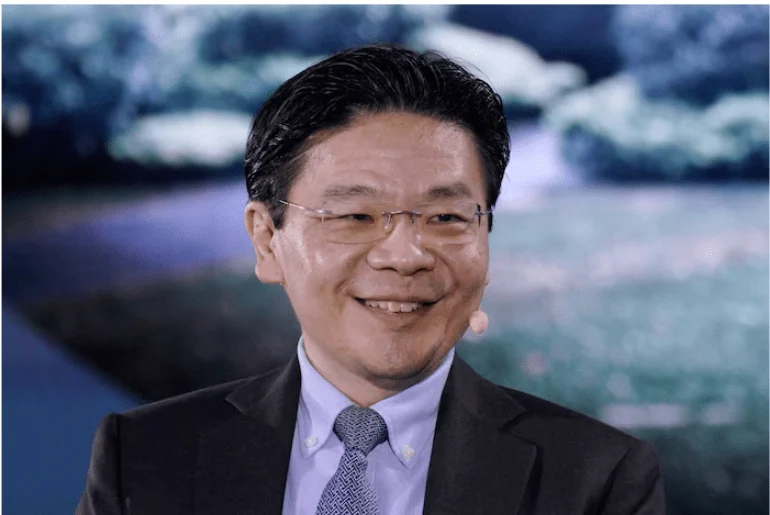
Senior Minister Tharman Shanmugaratnam, a prominent figure in Singaporean politics, has seen his annual remuneration package increase significantly, a development that has reignited public debate surrounding the salaries of the city-state’s political leadership. His annual pay is set to rise by S$1.4 million (approximately US$1.1 million at the time of the announcement), elevating his total compensation package to S$3.6 million (US$2.8 million). This represents an increase of over 60 percent from his previous salary of S$2.2 million, which was already recognized as among the highest for world leaders. In response to the anticipated public reaction, Mr. Shanmugaratnam reportedly stated his intention to donate the entirety of this additional pay to charity over the next five years, a move aimed at mitigating potential criticism.
A Landmark Pay Adjustment and Public Outcry
The announcement of the substantial pay increase has triggered considerable criticism within Singapore. Citizens have voiced concerns over a perceived widening gap between the political elite and ordinary workers, particularly amidst anxieties regarding job security and the persistently rising cost of living in the affluent nation. Data from the Department of Statistics Singapore indicates that the median monthly income in the country stands at S$5,775, a figure starkly contrasted by the multi-million-dollar ministerial salaries. Critics argue that this disparity is excessive and underscores a disconnect between the leadership’s remuneration and the economic realities faced by the general populace. The public discourse, often amplified across social media platforms and traditional news outlets, reflects a sentiment of unease regarding the perceived inequity, especially at a time when global economic uncertainties continue to cast a shadow over employment prospects and household budgets.
The Historical Context of Singapore’s Ministerial Remuneration Policy
The policy of paying ministers salaries benchmarked against top private-sector earners is a long-standing tenet of Singapore’s governance philosophy, deeply rooted in the principles laid out by its founding father, Lee Kuan Yew. This unique approach, often referred to as the "clean wage" policy, was conceived to attract the most capable individuals from the private sector into public service, ensuring that talent would not be deterred by lower government salaries. The rationale was twofold: firstly, to prevent corruption by removing financial temptation, and secondly, to guarantee that the nation’s leadership possessed the intellectual and managerial prowess comparable to that found in leading multinational corporations.
Historically, Singapore’s ministerial salaries have undergone several reviews. A significant milestone occurred in 2011, following a general election where the issue of ministerial pay became a focal point of public discontent. The People’s Action Party (PAP), which has governed Singapore since independence, experienced its lowest vote share since 1963, prompting the government to establish an independent committee to review the salary framework. The 2011 Ministerial Salary Review Committee, chaired by Gerard Ee, recommended a significant cut in ministerial salaries, proposing a new framework that linked pay to the median income of the top 1,000 Singaporean earners across six professions (banking, law, engineering, medicine, manufacturing, and multinational corporations). This framework also introduced a ‘National Bonus’ component, tying a portion of ministers’ salaries to the nation’s socio-economic performance, alongside a ‘performance bonus’ linked to individual and ministry-level achievements. This revision led to a 36% cut in the Prime Minister’s salary and a 37% cut for entry-level ministers at the time, aiming to better align remuneration with public expectations while retaining the core principle of attracting top talent.
Unpacking the Salary Structure: Components and Justifications
The current ministerial salary structure in Singapore is multifaceted, comprising several key components designed to reflect both individual performance and national progress. The base pay for an entry-level minister, for instance, is set to increase from approximately S$1.1 million to S$1.2 million annually. Beyond this base, a significant portion of the total package is derived from performance-based bonuses, which are designed to incentivize ministers to achieve specific national targets. These bonuses can push most ministerial packages to around S$1.35 million by the end of the current term, with senior ministers receiving substantially more.
The performance bonuses are intricately linked to a set of national indicators, including:
- Unemployment Rate: Reflecting the government’s success in job creation and economic stability.
- Income Growth: Measuring the increase in median household incomes, indicating improvements in living standards.
- Gross Domestic Product (GDP) Growth: A key metric of overall economic health and prosperity.
- Social Stability Indicators: Though less explicitly quantified, these encompass broader measures of public satisfaction and national cohesion.
The government’s steadfast justification for this high-salary policy remains centred on the need to attract and retain individuals of exceptional calibre and integrity. Proponents argue that competitive salaries are essential to draw talent away from lucrative private-sector careers, thereby ensuring that the nation’s leadership possesses the necessary skills to navigate complex global challenges and maintain Singapore’s economic competitiveness. Furthermore, it is asserted that adequate compensation reduces the risk of corruption, fostering a clean and efficient public service that is critical for investor confidence and good governance. The Public Service Division, which oversees civil service remuneration, frequently reiterates that the compensation framework is regularly reviewed to ensure it remains relevant and fair, balancing the need to attract talent with public accountability.
Economic Realities and Public Discontent
Despite the government’s robust justifications, the significant increase in ministerial pay continues to resonate negatively with a segment of the Singaporean public, particularly against the backdrop of ongoing economic pressures. Singapore, while consistently ranked as one of the wealthiest nations globally, also grapples with a high cost of living. The Economist Intelligence Unit’s Worldwide Cost of Living report frequently places Singapore among the most expensive cities globally, with housing, transport, and daily essentials consuming a substantial portion of household incomes.
Recent economic data further contextualizes public sentiment:
- Inflation: While Singapore’s core inflation has shown signs of moderating, it remained elevated in recent years, impacting purchasing power. For instance, the Consumer Price Index (CPI) has seen fluctuations, with food and utility prices experiencing noticeable increases, directly affecting household budgets.
- Job Market: While the unemployment rate generally remains low, concerns about job security persist due to global economic slowdowns, technological disruptions, and the rapid pace of automation. Workers in certain sectors face retrenchments or the need for reskilling, creating a sense of vulnerability.
- Income Inequality: Singapore’s Gini coefficient, a measure of income inequality, has shown some improvements over the years due to government social transfers and progressive taxation. However, the perception of a wide gap between the top earners and the average worker remains a sensitive issue. The median monthly household income from work per household member was S$3,287 in 2022, highlighting the disparity with ministerial figures.
Opposition parties and civil society groups have consistently used ministerial pay as a platform to advocate for greater transparency, accountability, and a more equitable distribution of wealth. They argue that while attracting talent is important, it should not come at the expense of social cohesion or exacerbate the perception of an elitist government. Statements from opposition figures often call for a re-evaluation of the salary benchmarks, suggesting that public service should be motivated by a stronger sense of duty rather than solely by financial incentives comparable to the private sector.
Global Benchmarks: Singapore’s Unique Position
When compared globally, Singapore’s ministerial salaries stand out significantly. The original article highlights several comparisons:
- Hong Kong’s Chief Executive earns about US$719,000.
- Switzerland’s President earns about US$606,000.
- The US President earns US$400,000.
- The British Prime Minister earns approximately US$230,000.
These figures underscore Singapore’s unique position. The rationale in many other developed nations often incorporates elements such as public service ethos, historical precedent, and a recognition that political office carries significant non-pecuniary benefits and prestige, often leading to lower direct compensation compared to top private sector roles. For example, in countries like Germany or Canada, while senior political figures are well-compensated, their salaries are typically not benchmarked against the absolute highest earners in the private sector to the same degree as in Singapore. This "Singapore model" is often viewed internationally with a mix of admiration for its apparent effectiveness in maintaining a corruption-free government and criticism for its perceived lack of alignment with global norms of public service remuneration. The debate often centers on whether the economic benefits of attracting top talent outweigh the potential social costs of a wide income disparity within the public sector.
Implications for Governance and Social Cohesion
The ongoing debate surrounding ministerial salaries carries significant implications for Singapore’s governance model and social cohesion.
- Political Implications: The issue can potentially erode public trust in the ruling People’s Action Party, particularly if citizens perceive a growing disconnect between government policies and their daily struggles. While the PAP has historically maintained a strong mandate, public discontent over such issues could empower opposition parties and fuel calls for greater political pluralism and transparency. It forces the government to continually defend its meritocratic approach against a backdrop of increasing demands for more egalitarian policies and a stronger emphasis on social safety nets.
- Social Implications: A widening perceived social divide, exacerbated by high ministerial pay, could strain the fabric of national identity and the narrative of shared prosperity. While Singapore prides itself on its social mobility, significant income disparities can lead to resentment and a sense of unfairness, particularly among younger generations facing intense competition and high living costs. Mr. Shanmugaratnam’s pledge to donate his extra pay to charity can be seen as an attempt to address this social sensitivity, positioning his actions as contributing to the broader welfare of society rather than solely personal gain. However, critics might argue that such gestures, while commendable, do not fundamentally alter the underlying policy.
- Economic Implications: The effectiveness of high salaries in attracting the "best and brightest" remains a subject of ongoing debate among economists and political scientists. While competitive pay undoubtedly plays a role, other factors such as a sense of public duty, the desire to effect change, and the prestige of political office also motivate individuals to enter public service. The broader economic strategy of Singapore, which emphasizes high growth and global competitiveness, is inherently linked to its governance model, and the compensation structure is seen as a vital component in maintaining this. However, the challenge lies in ensuring that this economic pragmatism does not inadvertently create social divisions that could undermine long-term stability.
Looking Ahead: The Evolving Debate
As Singapore continues its trajectory as a mature economy, the government faces the persistent challenge of balancing its established philosophy of attracting top talent with the evolving expectations of its citizenry. The debate over ministerial salaries is not merely about financial figures; it is a proxy for deeper discussions about fairness, equity, and the nature of public service in a highly developed, yet socially conscious, nation.
Future policy adjustments or communication strategies will likely need to address these underlying tensions. The government may need to explore innovative ways to demonstrate that the benefits of its high-salary policy truly accrue to all Singaporeans, perhaps through enhanced social support systems, greater transparency in the salary review process, or more explicit links between ministerial performance and tangible improvements in citizens’ lives. The ongoing public discourse ensures that ministerial remuneration will remain a keenly watched issue, shaping not only perceptions of leadership but also the broader direction of Singaporean society in the years to come.