
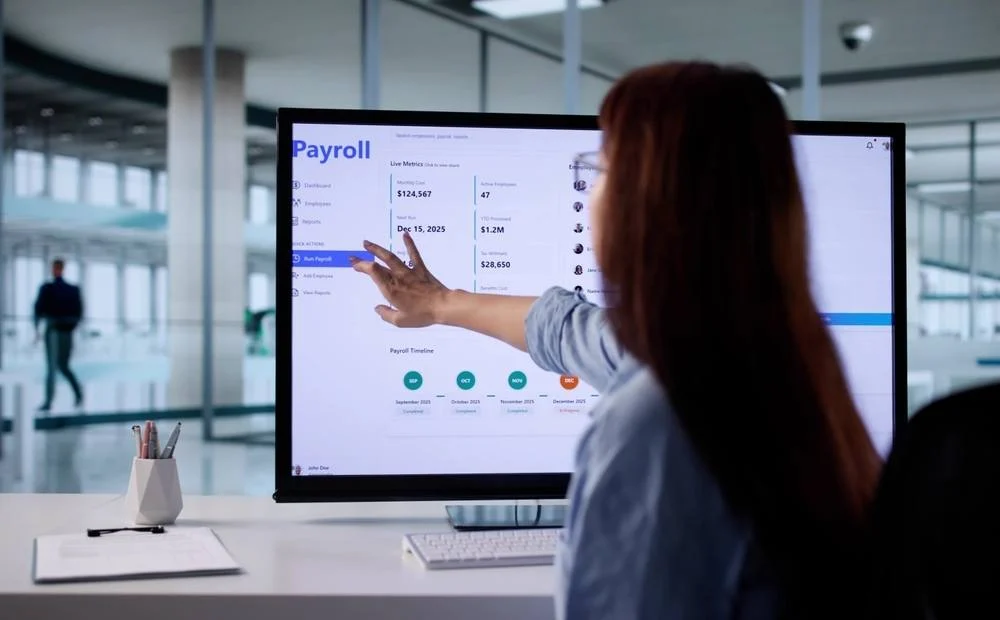
The landscape of payroll management for small businesses and household employers has undergone a significant digital transformation over the last two decades, moving from manual ledger entries to sophisticated, automated software-as-a-service (SaaS) platforms. At the forefront of this shift is SurePayroll, a specialized provider designed to cater specifically to the needs of organizations requiring streamlined, cost-effective payroll solutions without the overhead of enterprise-level HR suites. As a subsidiary of Paychex, SurePayroll leverages institutional expertise in tax compliance and financial reporting while maintaining a user interface and pricing structure accessible to the micro-business and domestic employer segments.
The Strategic Positioning of SurePayroll in the Modern Economy
In an era defined by increasing regulatory complexity and the rise of the "gig economy," small businesses face mounting pressure to maintain perfect compliance with federal, state, and local tax authorities. SurePayroll positions itself as a buffer against these complexities. Founded in 2000 and later acquired by the payroll giant Paychex in 2011, the company has spent over twenty years refining a platform that prioritizes "unlimited" payroll runs and automated tax filing.
The platform is designed to serve three primary demographics: micro-businesses with fewer than 10 employees, non-profit organizations, and household employers who must navigate the often-confusing "nanny tax" requirements. By offering a tiered pricing model that separates self-service from full-service options, SurePayroll allows business owners to scale their administrative costs in direct proportion to their internal expertise and risk tolerance.
Comprehensive Breakdown of SurePayroll Pricing Tiers
SurePayroll operates on a transparent, monthly subscription model supplemented by per-employee fees. This "pay-as-you-go" structure is intended to provide predictability for businesses with fluctuating staff numbers or seasonal hiring needs.
Self-Service Payroll (No-Tax-Filing Plan)
The Self-Service tier is the entry-point for businesses that have internal accounting resources or use a third-party CPA but need a platform to calculate wages and issue payments.
- Cost: $20 per month base fee plus $4 per employee.
- Target Audience: Businesses that prefer to handle their own tax filings or those operating in jurisdictions with minimal local tax requirements.
- Key Features: This plan includes unlimited payroll runs, direct deposit, and the ability to manage both W-2 employees and 1099 contractors. It also provides access to the mobile application and basic reporting tools. However, the critical distinction is that the employer remains responsible for the calculation, filing, and payment of all payroll taxes.
Full-Service Payroll
The Full-Service tier is the company’s flagship product, designed to automate the most burdensome aspects of payroll administration: tax compliance.
- Cost: $29 per month base fee plus $7 per employee.
- Target Audience: Small business owners who want to eliminate the risk of IRS penalties and state tax errors.
- Key Features: In addition to all self-service features, the Full-Service plan includes the "Tax Filing Guarantee." SurePayroll calculates, files, and remits all federal, state, and local taxes on behalf of the business. This includes year-end W-2 and 1099 processing. For many owners, the $9 difference in the base fee is viewed as an insurance premium against the high cost of tax audits.
Household Payroll
Unique in the industry, SurePayroll offers a dedicated plan for household employers (e.g., families employing nannies, housekeepers, or private caregivers).
- Cost: $39 per month plus $10 per additional employee.
- Target Audience: Families who need to comply with Fair Labor Standards Act (FLSA) requirements for domestic workers.
- Key Features: This plan is specifically tailored to handle the "Nanny Tax" (Schedule H). It manages the unique tax withholding requirements of household employment and provides the family with the necessary documentation to file their personal income tax returns correctly.
A Chronology of Payroll Innovation: From Founding to Acquisition
To understand SurePayroll’s current market position, one must look at the timeline of its development within the broader fintech sector.
- 2000: SurePayroll is founded as an early pioneer in the online payroll space, targeting the "S" in SMB (Small and Medium Business).
- 2004-2010: The company gains traction by offering a web-based alternative to the traditional, paper-heavy models utilized by legacy providers.
- 2011: Paychex, Inc. (NASDAQ: PAYX) acquires SurePayroll for approximately $115 million. This acquisition allows Paychex to capture the micro-business market while keeping its core brand focused on mid-to-large enterprises.
- 2015-2020: The platform integrates mobile-first technology, allowing administrators to run payroll from smartphones—a crucial development for "on-the-go" small business owners.
- 2021-Present: Following the shifts in the labor market during the global pandemic, SurePayroll expanded its integration capabilities with remote-friendly accounting software like Xero and QuickBooks Online.
Core Features and Technological Infrastructure
SurePayroll’s utility is derived from its ability to centralize disparate financial tasks into a single dashboard.
Automated Tax Filing and Compliance
The Full-Service plan’s most significant asset is its automation of the quarterly and annual tax cycle. The software monitors changes in tax laws across thousands of jurisdictions, ensuring that social security, Medicare, and unemployment taxes (FUTA/SUTA) are calculated at the most current rates. This is particularly vital for businesses with employees in multiple states or those in cities with local "occupational" or "head" taxes.
Accounting Software Integrations
To maintain financial accuracy, SurePayroll connects with popular accounting platforms including QuickBooks, Xero, Sage, and LessAccounting. This integration ensures that payroll expenses are automatically synced with the general ledger, reducing the manual entry errors that often lead to discrepancies during year-end audits.
Flexible Payment Options
The platform supports multiple payment methods, including direct deposit and paper checks. One of its standout features is the "2-Day Direct Deposit" (available to qualified customers), which allows employers to keep their cash in their accounts longer before it is withdrawn for payroll.
Mobile Accessibility and Employee Self-Service
Administrators can run payroll, view reports, and manage employee data via the SurePayroll mobile app. Simultaneously, employees gain access to a self-service portal where they can download their pay stubs, view W-2s, and update their personal information, reducing the administrative burden on the employer.
Data-Driven Analysis: The Value Proposition of Automation
The economic argument for adopting a platform like SurePayroll often centers on the cost of "non-compliance." According to data from the Internal Revenue Service (IRS), a significant percentage of small businesses face penalties annually for failing to deposit payroll taxes correctly or on time. These penalties can range from 2% to 15% of the total tax amount due, depending on the length of the delay.
For a business with five employees, the "Full-Service" plan costs roughly $768 annually ($29/month + $35/month for employees). In contrast, a single filing error could result in thousands of dollars in penalties and interest. Furthermore, industry studies suggest that small business owners spend an average of 4.5 to 5 hours per month on payroll-related tasks when using manual systems. At a conservative valuation of $50/hour for the owner’s time, the "opportunity cost" of manual payroll exceeds $250 per month—far higher than the subscription fee for SurePayroll.
Comparative Market Analysis: SurePayroll vs. Competitors
While SurePayroll is a leader in the micro-business space, it faces competition from several other SaaS giants.
- Gusto: Known for its modern UI and robust HR features (benefits, onboarding). Gusto generally has a higher entry price point ($40/month base) compared to SurePayroll’s $20-$29 base, making SurePayroll the more "budget-friendly" option for businesses that do not need extensive HR tools.
- QuickBooks Payroll: Highly integrated for those already using QuickBooks for accounting. However, many users find SurePayroll’s dedicated support and specialized focus on "household" employers to be a differentiator.
- ADP (Run): A massive legacy provider. ADP offers high-level security and extensive features but often uses a "quote-based" pricing model that can be less transparent and more expensive for micro-businesses than SurePayroll’s flat-rate model.
Implications for Small Business Strategy
The choice between SurePayroll’s Self-Service and Full-Service plans essentially boils down to a strategic decision regarding risk management. Businesses operating in states with complex tax laws (such as California, New York, or Pennsylvania) almost universally benefit from the Full-Service plan due to the high volume of local filings.
Furthermore, the "Household" plan addresses a critical gap in the financial services market. Many families are unaware that they are legally considered "employers" when they hire a full-time nanny. SurePayroll’s presence in this niche provides a necessary tool for legal compliance, ensuring that domestic workers receive the social security and unemployment credits to which they are entitled.
Final Assessment and Decision Framework
For an organization to decide if SurePayroll is the correct fit, it must evaluate its internal capabilities and growth trajectory.
- Assess Internal Expertise: If the business owner or a dedicated bookkeeper is comfortable with tax forms like the 941 and 940, the Self-Service plan offers significant savings.
- Evaluate Workforce Type: Organizations that rely heavily on contractors (1099) alongside employees (W-2) will find SurePayroll’s unified payment system highly efficient.
- Consider Integration Needs: Businesses using Xero or QuickBooks should prioritize SurePayroll’s ability to sync data, which prevents "siloed" financial information.
In conclusion, SurePayroll serves as a specialized, high-reliability tool for the smaller end of the business spectrum. By leveraging the backing of Paychex while maintaining a lean, focused service model, it offers a compelling balance of affordability and compliance security. As the regulatory environment for small businesses continues to tighten, the move toward such automated, guarantee-backed payroll solutions is expected to become a standard operating procedure for any organization seeking long-term financial stability.






