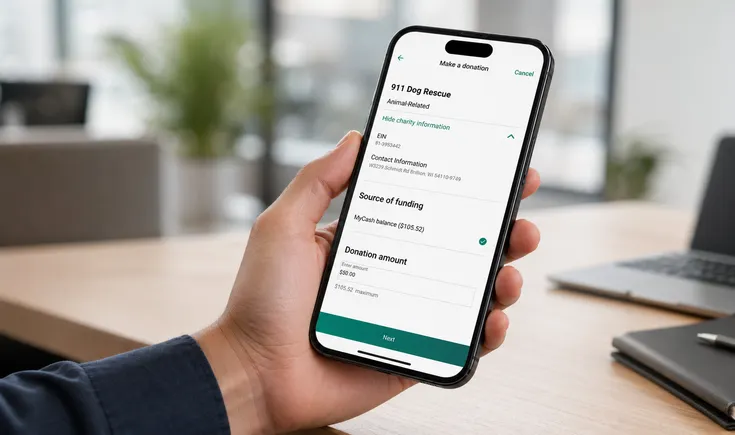
The landscape of employee benefits is undergoing a profound transformation, moving beyond traditional compensation and healthcare to encompass a more holistic view of employee well-being and purpose. At the forefront of this shift is Total Administrative Services Corporation (TASC), an employee benefits administration company, which has launched its "GiveBack Benefits" program, fundamentally altering how employees engage with corporate social responsibility. This innovative offering integrates charitable giving directly into TASC’s MyTASC platform, allowing over one million participants to manage their contributions alongside their healthcare and financial benefits with unprecedented ease. This development marks a critical inflection point for employers re-evaluating their workplace culture and community strategies.
The Evolving Dynamics of Employee Expectations and Corporate Responsibility
Historically, employee benefits were designed primarily as a tool for employers to provide essential support and incentives. This model, while foundational, is increasingly being challenged by a new generation of employees who seek more than just transactional relationships with their workplaces. Today, employees are not only looking to receive benefits but also to leverage them as a means to give back, to align their personal values with their professional lives, and to contribute meaningfully to society through their employer’s channels. This paradigm shift compels organizations to rethink how they design culture and community, placing a greater emphasis on purpose-driven initiatives.
The rise of Corporate Social Responsibility (CSR) and Environmental, Social, and Governance (ESG) factors has played a pivotal role in this evolution. In an era marked by heightened social consciousness, employees, particularly millennials and Gen Z, are increasingly scrutinizing their employers’ ethical stances and societal impact. Research consistently shows that a company’s commitment to community and social justice is a significant factor in job choice and retention. For instance, a Deloitte study revealed that 70% of millennials consider a company’s commitment to community when deciding where to work, while a Cone Communications study found that 78% of Americans expect companies to address important social justice issues, and 87% would purchase a product because a company advocated for an issue they cared about. These statistics underscore a growing demand for employers to not only articulate their values but also to provide tangible avenues for employees to participate in them.
The Shortcomings of Traditional Workplace Giving Programs
Despite the clear demand, traditional workplace giving programs have frequently fallen short of their potential. Often managed separately through corporate social responsibility (CSR) initiatives, these programs typically exist outside the core benefits ecosystem. They manifest as matching gift programs, dedicated volunteer days, or seasonal fundraising campaigns, creating a fragmented experience. This separation means that benefits, culture, and social impact are often treated as distinct functions, each with its own administrative processes, portals, and pathways for employee participation.
The result of this fragmentation is often low engagement. When participation requires multiple extra steps – a separate login, a different portal, or a complex application process – employees are less likely to engage. The friction introduced by these disconnected systems acts as a significant barrier, diminishing the impact of well-intentioned programs. Employers, too, face challenges, including increased administrative burdens, difficulties in tracking participation, and a lack of clear integration into their broader talent and culture strategies. This gap between employer intent and employee experience represents a missed opportunity to foster deeper engagement and build a stronger, more purpose-driven workplace culture.
TASC’s Breakthrough: Integrating Giving into the Benefits Experience
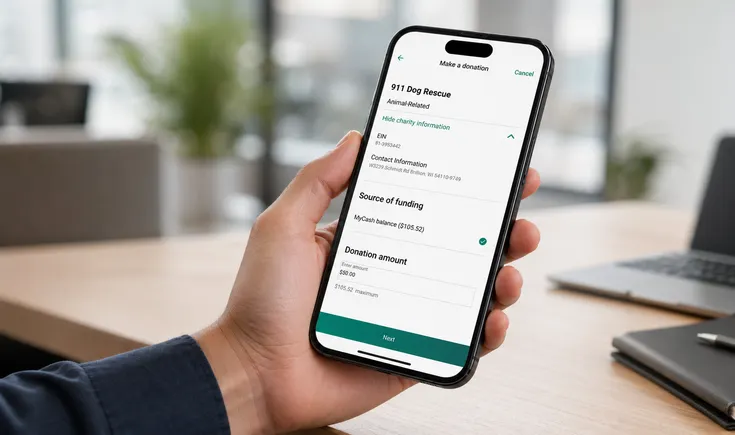
Recognizing this critical gap, TASC embarked on a mission to reimagine workplace giving. The result is GiveBack Benefits, a pioneering solution directly embedded into the MyTASC platform. This integration allows TASC’s extensive participant base – exceeding one million individuals – to engage in charitable giving with the same ease and familiarity they experience when managing their healthcare and financial benefits. This approach fundamentally differentiates TASC, as no other third-party administrator (TPA) has integrated workplace giving into the benefits experience at such a significant scale.
Pam Reynolds, CEO of TASC, articulates the strategic importance of this integration. "Benefits are one of the most consistent touchpoints employees have with their employer," Reynolds notes. "When giving is integrated into that experience, participation grows, trust strengthens, and workplace culture expands." This perspective highlights the understanding that benefits are not merely transactional offerings but crucial conduits for ongoing employer-employee interaction. By transforming this touchpoint into an avenue for purpose, TASC aims to deepen the relationship between employees and their organizations.
The development of GiveBack Benefits was a direct response to a clear market need identified by TASC. The company observed that while employers cared deeply about how and where impact was created, employees increasingly expected to play a direct role in shaping that impact. This expectation manifests in a desire for giving programs that offer:
- Choice and control: The ability to select causes and organizations that resonate personally.
- Transparency: Clear understanding of where contributions go and their impact.
- Convenience: Easy access and minimal administrative hurdles.
- Alignment: Programs that reflect and reinforce company values.
For employers and brokers, the demand was equally clear: a solution that avoids "another portal, another login, or another process." They sought a natural extension of their existing benefits engagement, a seamless system that could integrate giving without adding administrative complexity. GiveBack Benefits addresses this by allowing employers to define program structures and align them with their broader benefits strategy, all delivered through the same unified system employees already use daily. This "one experience, one place to manage benefits, one place to take action" approach is where benefits truly begin to feel like benefits, fostering a sense of empowerment and simplicity.
The Broader Shift: From Employer-Directed to Employee-Enabled Experiences
TASC’s initiative is indicative of a broader, systemic shift across the entire benefits landscape: a movement from employer-directed programs to employee-enabled experiences. This trend reflects a growing recognition that personalized, flexible benefits are key to attracting and retaining top talent in a competitive market. Employees are no longer passive recipients; they are active participants seeking customization, control, and alignment with their individual life stages and values.
This shift extends beyond just giving programs. We see it in the proliferation of flexible spending accounts (FSAs) and health savings accounts (HSAs) that give employees more control over their healthcare dollars, in personalized wellness programs that cater to diverse health needs, and in customizable retirement plans. The common thread is empowerment – providing employees with the tools and choices to manage their benefits in a way that best suits them. By embedding giving into this framework, TASC not only innovates within the CSR space but also champions this broader movement towards employee-centric benefits design.
The impact of such integrated platforms extends beyond just charitable giving. Studies consistently show that engaged employees are more productive, innovative, and loyal. According to Gallup, highly engaged business units see a 21% increase in profitability. When employees feel their employer supports their desire to contribute positively to the world, it fosters a stronger sense of belonging, purpose, and loyalty, directly impacting retention rates and overall organizational performance. LinkedIn’s Global Talent Trends report, for example, highlighted that employees are 2.1 times more likely to be satisfied with their job if they feel their employer values their input.
Driving Strategic Decision-Making: Three Critical Questions
In an environment where employers juggle complex priorities—managing costs, supporting their workforce, competing for talent, and planning for long-term sustainability—Pam Reynolds proposes three fundamental questions to guide decision-making regarding workplace giving:
- Does it make giving easier for employees?
- Does it make administration easier for employers?
- Does it align giving with our overall benefits strategy?
When workplace giving is deeply embedded into the benefits infrastructure, as it is with TASC’s GiveBack Benefits, the answer to all three questions can be a resounding "yes." This integrated approach transforms workplace giving from an ancillary HR or CSR function into a core component of an organization’s strategic talent management and cultural development. It ensures that charitable initiatives are not just isolated campaigns but integral parts of the employee experience, making a tangible difference in people’s lives and in the areas that matter most to them.
Implications for the Benefits Industry and Beyond
TASC’s GiveBack Benefits represents a significant advancement that carries far-reaching implications for the benefits administration industry, employers, and society at large.
For the benefits administration industry, TASC sets a new benchmark. By demonstrating the feasibility and value of integrating social impact directly into core benefits platforms, TASC challenges other TPAs to innovate beyond traditional administrative services. This could spur a wave of similar integrations, pushing the industry towards more holistic, value-driven offerings. The competitive landscape for benefits providers will increasingly be defined not just by efficiency and compliance, but also by the ability to cater to the evolving demands for purpose and personalization.
For employers, the implications are profound. GiveBack Benefits offers a powerful tool for talent acquisition and retention. In a tight labor market where employees seek more meaningful connections to their work, companies that offer integrated, purpose-driven benefits will possess a distinct competitive advantage. It simplifies administration, reduces overhead associated with managing separate giving programs, and provides measurable data on employee engagement with social impact initiatives. Moreover, it reinforces a company’s brand as socially responsible and employee-centric, enhancing its reputation among stakeholders.
For society at large, the potential impact is immense. By making charitable giving easier and more accessible to over a million participants, GiveBack Benefits has the potential to significantly increase the volume of contributions to non-profit organizations. This increased financial support can empower charities to expand their reach and impact, addressing pressing social and environmental challenges more effectively. It democratizes philanthropy, allowing a broader base of individuals to contribute regularly and conveniently, fostering a culture of giving within the corporate ecosystem.
Conclusion
TASC’s GiveBack Benefits is more than just a new product; it is a strategic response to a fundamental shift in the relationship between employers, employees, and society. By seamlessly integrating charitable giving into the core benefits experience, TASC has not only solved a long-standing problem of fragmentation and low engagement but has also established a new paradigm for employee empowerment and corporate social responsibility. This initiative highlights the critical role that purpose and values play in the modern workplace, demonstrating that when companies design benefits intentionally to align with employee desires for meaningful contribution, they can simultaneously achieve enhanced employee engagement, stronger workplace culture, and greater societal impact. As Pam Reynolds and TASC continue to lead in this space, their model offers a compelling vision for the future of employee benefits – one where giving back is as intrinsic to the employment experience as receiving healthcare.