The rapid integration of artificial intelligence (AI) into business operations is reshaping the landscape of leadership, yet a critical oversight is emerging among early adopters. While the drive for technological advancement is understandable, many leaders are making a significant error by over-relying on AI, mistakenly believing that technology alone will guarantee enhanced effectiveness. This approach overlooks a fundamental truth: true leadership transcends mere efficiency; it hinges on a delicate balance between technological precision and indispensable human qualities. The most successful leaders are not replacing their human capabilities with AI, but rather amplifying them, recognizing that innovation and sustainable success are born from a synergy of both.
The current surge in AI adoption, particularly in leadership roles, is a phenomenon with roots in the accelerating digital transformation that began in earnest in the late 2010s. The promise of AI—to process vast datasets, identify patterns, and automate repetitive tasks—has captured the imagination of executives worldwide. Companies are investing billions, with global AI market size projected to reach over $1.8 trillion by 2030, according to some industry forecasts. This investment is fueled by the allure of increased productivity, reduced operational costs, and enhanced decision-making capabilities. However, this rush to integrate AI is also creating a potential chasm between the technologically adept and the truly effective leader.
AI Delivers Speed, Not Wisdom
One of the most significant areas where leaders are misinterpreting AI’s capabilities is in decision-making. AI algorithms excel at processing information at speeds far beyond human capacity. They can analyze market trends, financial data, and operational metrics in near real-time, identifying correlations and predicting outcomes with remarkable accuracy. For instance, AI-powered analytics can sift through terabytes of customer data to predict purchasing behavior or identify potential supply chain disruptions. This speed and analytical power are invaluable for optimizing processes and identifying opportunities.
However, the critical distinction lies between processing information quickly and making wise, nuanced decisions that inspire human action and loyalty. Wisdom, in leadership, encompasses ethical considerations, long-term strategic vision, and an understanding of the human impact of decisions. AI, by its very nature, operates on data and algorithms; it lacks the capacity for moral reasoning, empathy, or the intuitive understanding that seasoned leaders develop through years of experience. When leaders delegate critical judgment calls solely to AI, they risk making decisions that are technically sound but ethically questionable or strategically myopic in ways that only human foresight can anticipate. The history of business is replete with examples where rapid, data-driven decisions, devoid of human context, led to significant public backlash and long-term reputational damage.
Human Judgment Navigates Gray Areas
The complexity of the modern business environment is characterized by ambiguity and ethical dilemmas that often fall into "gray areas"—situations where data alone provides insufficient guidance. These are the spaces where human judgment, honed by experience, intuition, and a deep understanding of human nature, becomes paramount. While AI can provide robust data inputs and highlight potential risks and benefits, it cannot replicate the nuanced understanding of interpersonal dynamics, cultural sensitivities, or the ethical weight of a decision.
Consider a scenario involving workforce reductions. An AI might identify redundancies based on performance metrics and operational efficiency. However, a human leader must weigh factors such as employee loyalty, the impact on team morale, and the company’s ethical commitment to its people. The decision of how to implement such changes, the communication strategy, and the support offered to affected individuals require a level of empathy and ethical reasoning that AI cannot provide. Leaders who rely solely on AI for such critical junctures risk alienating their workforce and eroding trust, essential components of long-term organizational health. This has been a recurring theme in organizational psychology research, consistently highlighting the importance of "human touch" in managing change and fostering employee engagement.
Inspiration Requires Authentic Connection
Motivation and inspiration are cornerstones of effective leadership, and these qualities are intrinsically tied to human connection. AI can certainly inform communication by analyzing audience sentiment or suggesting optimal messaging. It can draft reports, generate summaries, and even personalize outreach based on data. However, it cannot replicate the authentic emotional resonance required to truly inspire a team. The passion, conviction, and personal narrative that a leader shares are what ignite enthusiasm and foster a sense of shared purpose.
The act of leadership often involves conveying a vision that transcends mere numbers and objectives. It requires leaders to connect with their teams on a personal level, to understand their aspirations and fears, and to articulate a compelling future that they can all strive towards. This emotional intelligence, the ability to build rapport and create a sense of belonging, is a uniquely human trait. Companies that have experienced periods of remarkable growth and innovation, such as the early days of Apple under Steve Jobs or Google’s transformative periods, often cite the inspirational leadership and the ability of their leaders to foster a deep emotional connection with their employees and their mission. AI can facilitate information dissemination, but it cannot generate the kind of deep-seated commitment that arises from genuine human inspiration.
Empathy Can’t Be Automated
Empathy, the ability to understand and share the feelings of another, is a critical differentiator for leaders. In an era where employee well-being and mental health are increasingly recognized as vital to productivity and retention, empathetic leadership is not a soft skill but a strategic imperative. AI can analyze behavioral data, identify patterns of disengagement, or even flag potential signs of burnout based on communication logs or work patterns. This data can be incredibly useful in providing leaders with early indicators.
However, the act of truly understanding and responding to an individual’s needs with genuine care requires emotional intelligence. A leader who receives data suggesting an employee is struggling might use that information as a starting point, but the subsequent conversation, the listening, the offering of support, and the demonstration of genuine concern are all human actions. An algorithm cannot feel the weight of an employee’s personal struggles, nor can it offer the comfort and reassurance that comes from human empathy. Research from organizations like the Center for Creative Leadership consistently shows that empathetic leaders foster higher levels of trust, psychological safety, and employee loyalty, leading to reduced turnover and improved performance. The absence of this empathetic connection, even with advanced AI assistance, can lead to a disengaged and ultimately less productive workforce.
Consistency Builds Trust, Not Algorithms
Trust is the bedrock of any successful leader-team relationship. It is built over time through consistent, reliable, and values-based actions. While AI can assist in tracking performance metrics, identifying operational bottlenecks, and even flagging potential compliance issues, it cannot, in itself, build trust. Trust is earned through demonstrated integrity, transparency, and a commitment to the well-being and success of one’s people.

Leaders who consistently act with integrity, keep their promises, and demonstrate a genuine concern for their employees’ development and welfare cultivate deep trust. This trust is what enables teams to take risks, to innovate, and to weather challenging times. An AI might highlight a performance shortfall, but it is the leader’s consistent application of feedback, their fairness in addressing issues, and their commitment to supporting improvement that solidify trust. Conversely, a reliance on AI-driven metrics without the accompanying human touch can lead to a perception of cold, impersonal management, where employees feel like cogs in a machine rather than valued individuals. The long-term implications of eroded trust can be severe, leading to decreased morale, higher attrition rates, and a significant decline in organizational culture.
Vision Emerges From Human Insight
The ability to articulate a compelling vision that inspires and guides an organization is a hallmark of great leadership. AI can be an invaluable tool in market analysis, trend forecasting, and scenario planning, providing leaders with data-driven insights into potential future landscapes. It can identify emerging markets, predict technological shifts, and analyze competitive landscapes with unprecedented speed and scope. This information is crucial for strategic planning.
However, the translation of complex data into a meaningful, aspirational vision that resonates with people requires human insight. It involves understanding human aspirations, dreams, and values, and then weaving them into a narrative that provides direction and purpose. Innovative leaders harness AI for its analytical power but rely on their own understanding of human motivation and societal shifts to craft a vision that is both ambitious and relatable. For example, a leader might use AI to identify the growing demand for sustainable products, but it is their human insight into the ethical and environmental concerns of consumers that allows them to craft a compelling vision for a sustainable business model. This human element ensures that the vision is not just a set of targets, but a guiding star that mobilishes collective effort.
Cultural Understanding Transcends Data
Navigating the complexities of organizational culture and politics is a critical, yet often overlooked, aspect of leadership. AI can analyze communication patterns, identify potential silos, and even flag instances of conflict or disengagement within teams. This data can provide valuable insights into the internal dynamics of an organization.
However, true cultural understanding and effective navigation of organizational politics require interpersonal skills that machines cannot replicate. This includes the ability to read subtle social cues, build rapport with diverse individuals, mediate disputes, and understand the unwritten rules and norms that govern an organization. Responsible leaders use AI to gather information, but they rely on their developed emotional intelligence and interpersonal skills to interpret that data within the broader cultural context. They understand that a data point indicating low morale might stem from a specific interpersonal conflict, a misunderstanding of company policy, or a subtle shift in power dynamics, all of which require human intuition to fully grasp and address effectively. The ability to foster inclusivity and navigate diverse perspectives is crucial for a healthy and productive work environment, and this is an arena where human skills remain indispensable.
Adaptability Requires Human Creativity
In today’s volatile business environment, adaptability is no longer a desirable trait but a necessity. Agile leaders leverage AI for real-time feedback, rapid data analysis, and predictive modeling, which are essential for making quick adjustments to strategies. AI can monitor market shifts, customer sentiment, and competitor actions, providing leaders with immediate intelligence.
However, the capacity for true adaptability stems from human creativity and flexible thinking. When faced with unprecedented challenges or unexpected disruptions, it is the human ability to think outside the box, to brainstorm novel solutions, and to pivot with ingenuity that allows organizations to thrive. AI can process existing data and identify optimal paths based on past patterns, but it cannot generate truly novel approaches or imagine entirely new possibilities in the way that human creativity can. Agile leaders use AI to inform their decisions, but they rely on their own cognitive flexibility and creative problem-solving skills to adapt their strategies in ways that go beyond algorithmic responses. The ability to synthesize information, connect disparate ideas, and imagine alternative futures is a testament to the unique power of the human mind in driving organizational resilience.
The Synergistic Future of Leadership
The leaders who are poised to excel in the age of AI are not those who choose between artificial intelligence and human skills. Instead, they are the ones who deliberately and strategically combine both. They understand that AI’s strength lies in its capacity for speed, data processing, and pattern recognition, while human strengths lie in wisdom, empathy, creativity, and ethical judgment. By leveraging AI to eliminate guesswork and automate routine tasks, these leaders free up their own cognitive resources to focus on the uniquely human aspects of leadership that drive loyalty, foster innovation, and ensure sustainable performance.
True leadership efficiency, therefore, is not solely about processing decisions faster or optimizing workflows through automation. It is about achieving enduring results, cultivating thriving teams, and building organizational cultures that attract and retain exceptional talent. AI can significantly enhance these outcomes by providing better insights and streamlining operations. However, it cannot create the essential human elements—the trust, the inspiration, the connection, and the shared purpose—that are the true drivers of long-term success. The ultimate AI leadership edge lies in using artificial intelligence not to diminish our humanity, but to amplify it, making leaders more insightful, more connected, and ultimately, more effective.
The Leadership Gap: Bridging Technology and Humanity
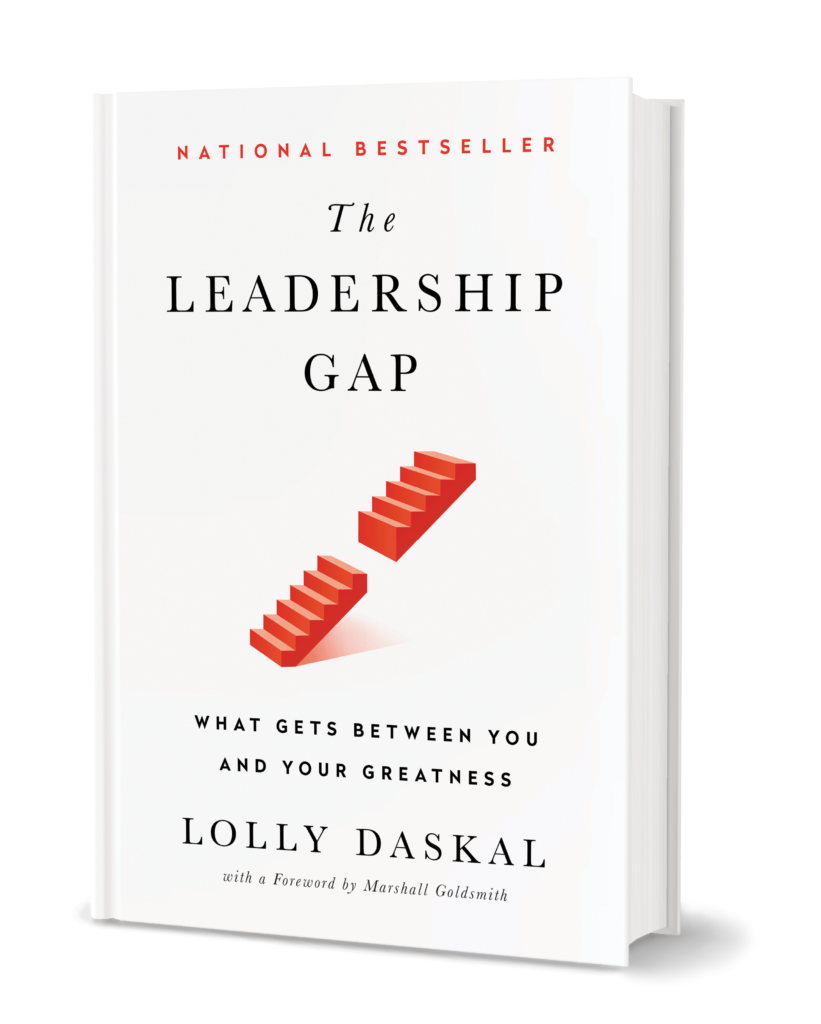
The insights regarding the integration of AI in leadership resonate deeply with the principles explored in Lolly Daskal’s national bestseller, "The Leadership Gap: What Gets Between You and Your Greatness." After decades of coaching executives across diverse industries and cultures, Daskal has observed a recurring pattern: leaders often reach a plateau where their established methods, while once effective, begin to falter. This "leadership gap" can arise from a failure to adapt, an over-reliance on past successes, or a misunderstanding of the evolving demands of leadership.
In the context of AI, this gap can manifest as an uncritical adoption of technology without considering its human implications. Leaders may become so focused on the efficiency gains offered by AI that they neglect the development of their own human-centric leadership skills, which are crucial for navigating complex interpersonal dynamics and fostering genuine engagement. Daskal’s work emphasizes that true greatness in leadership is achieved by understanding and bridging the space between where one is and where one aspires to be. For today’s leaders, this means recognizing that the "gap" can be widened by an overdependence on AI, or narrowed by strategically integrating technology to enhance, rather than replace, the indispensable human qualities that define exceptional leadership. The book’s central thesis—that leaders must cultivate self-awareness and develop the traits that enable them to overcome personal and professional obstacles—is particularly pertinent as organizations grapple with the transformative, yet potentially disorienting, impact of artificial intelligence. By understanding the limitations of AI and doubling down on human strengths, leaders can ensure they are not merely managing operations, but truly leading people toward a shared and inspiring future.