The artificial intelligence industry is currently abuzz with the potential public offerings of OpenAI and Anthropic, two titans whose rivalry, fueled by their respective CEOs, has become a defining narrative of the sector. As details surrounding their prospective IPOs emerge, the market is keenly observing how these companies will navigate their competitive landscape. However, a compelling argument can be made that the ultimate beneficiary of this evolving AI ecosystem might not be the AI labs themselves, but rather a tech behemoth that has strategically positioned itself to leverage the burgeoning AI revolution: Microsoft.
While the enterprise AI market is a crowded field with established players like Google, Amazon, Nvidia, Oracle, and the aforementioned OpenAI and Anthropic, and the consumer market is largely dominated by Apple and others, Microsoft’s deep integration into the enterprise fabric offers a unique advantage. This analysis will delve into the three core pillars of the enterprise AI market – the models, the application surfaces, and the broader ecosystem – to illustrate why Microsoft is poised for significant gains.
The Evolving Landscape of AI Models: Specialization Over Generalization
The first crucial aspect of the enterprise AI market lies in the AI models themselves and the critical task of determining their optimal applications. The initial belief that a single, all-encompassing AI model could serve every purpose is rapidly giving way to a more nuanced understanding of specialization.
"It’s now quite clear that one model won’t do everything," highlights industry analysis, underscoring the growing realization that different tasks require tailored AI capabilities. For instance, should coding and analytical applications leverage Anthropic’s Claude? Will OpenAI’s models be the go-to for narrative and document-centric tasks? Will Google’s Gemini dominate in scientific applications, and will Grok find its niche in robotics and motion control? The integration of world models, such as those being developed by Nvidia, further complicates this picture, suggesting a future where multiple specialized models coexist.

The development and training of these models are far more complex than mere computational power. It involves meticulous data collection, labeling, and refinement to ensure models are optimized for specific domains. A pharmaceutical company, for example, would require an AI model specifically trained to understand proteins and advanced genetics, rather than a general-purpose model.
While Anthropic has set a strong precedent in code generation, a foundational element for many AI applications, questions remain about the long-term focus of each AI lab. Will OpenAI pivot towards healthcare, or will Google dedicate significant resources to biological AI? The challenge of optimizing models for the physical world, encompassing robotics, manufacturing, and transportation, is also a significant area of development, with Nvidia and potentially Grok emerging as key players.
Business buyers are increasingly recognizing the need for a diverse AI toolkit. The notion of a single AI solution that purports to "do everything" is losing credibility. This trend mirrors the success of specialized AI platforms like Galileo, which has achieved remarkable intelligence by focusing laser-like on HR, labor markets, skills, and management topics, effectively serving as a sophisticated human capital consultant. This demonstrates that deep domain expertise, cultivated through focused training and continuous learning, is a critical differentiator.
The AI "Harness": The Crucial Application Surface
Beyond the underlying AI models lies the "surface" – the application experience that makes AI accessible and useful to end-users. This layer encompasses the desktop interfaces, toolsets, integration capabilities, and development tools that define how users interact with AI. These are not just models; they are sophisticated applications. Factors such as memory capacity, personalization features, user experience (UX), and the seamless integration with external data and systems are paramount.
This application layer is often referred to as the "AI Harness." The importance of a polished and intuitive user experience cannot be overstated. The hypothetical scenario of a billion users adopting an intelligent and easy-to-use Apple Siri highlights the transformative potential of superior UX. The underlying model, while important, becomes secondary to the overall user experience.
Microsoft’s historical success in the PC market provides a compelling parallel. The company didn’t necessarily invent groundbreaking technologies but excelled by licensing and refining graphical interfaces and relentlessly focusing on the application experience of products like Excel, PowerPoint, and Outlook. The enduring dominance of Microsoft 365, with its 450 million paying users, is a testament to the power of "fit and finish" in application design.
For businesses, IT departments and developers face a similar challenge. They require more than just access to raw AI models; they need comprehensive solutions. This includes robust integration with existing enterprise resource planning (ERP) systems like SAP, Oracle, and Workday, as well as customer relationship management (CRM) platforms such as Salesforce and HubSpot, and accounting software like QuickBooks. The ability of an AI solution to seamlessly connect with and leverage data from these established systems is crucial for its adoption and efficacy.
The integration of AI into business workflows necessitates a layer of sophisticated software that acts as an "AI Harness." This harness must be capable of interacting with a company’s existing technology stack, ensuring data flow and functionality. The failure of a promising AI model to integrate effectively with essential business tools can render it obsolete, regardless of its underlying power.
The Power of Ecosystems: Building a Network of AI Integration
The third critical element in the enterprise AI market is the ecosystem. Businesses are actively seeking AI platforms that offer a rich tapestry of applications, integrations, tools, and third-party support. The experience of building specialized AI solutions, such as Galileo, illustrates this point. Customer inquiries invariably revolve around connecting the AI platform to existing data sources and proprietary systems. This demand for interconnectedness highlights the need for a robust ecosystem that facilitates such integrations.
In the enterprise space, where significant AI-driven profit is anticipated, vendors must cultivate ecosystems of partners who can thrive by building upon their platforms. This collaborative approach fosters innovation and provides businesses with tailored solutions that address their unique needs.
The feedback from HR and IT leaders consistently points to a dual demand: readily available, packaged AI tools for immediate employee use, and a robust platform for developing, acquiring, and managing agentic applications. Businesses are keen to complement and, in some cases, replace their existing legacy systems with AI-powered solutions. Crucially, they are wary of vendor lock-in in an era of rapid technological advancement and creative disruption.
Therefore, in the current AI landscape, the focus is shifting from the underlying "engine" to the "surface" – the user-facing application experience.
The "Surface" vs. The "Model": Redefining AI Value
The terminology surrounding AI is evolving, with "AI surfaces" gaining prominence over a singular focus on "models." A "surface" refers to the application experience, the user-facing interface and functionality, rather than the foundational Large Language Model (LLM). It is the combination of this surface and the underlying model that truly shapes the user experience.
In the corporate world, this "surface" encompasses the tools, speed, user interface, historical data access, and the effectiveness of the semantic connectivity layer. A crucial aspect is how effectively an AI can connect to and leverage corporate data. For example, an AI integrated with an HR system should not merely display a random number but should provide valuable insights and context derived from that data.
A real-world test of this concept highlights the challenges. An integration between Claude and HubSpot, despite promotional efforts, failed to deliver on a basic request to list largest clients and their recent marketing interactions. The AI "choked," unable to retrieve sufficient data and timing out. This failure was attributed to the "surface" layer – specifically, the context layer responsible for enabling Claude to formulate the correct queries – rather than a deficiency in the underlying Claude model itself.
The critical question for companies like Anthropic and OpenAI is how they will bridge this gap. Their success hinges on their ability to foster partnerships with entities like ServiceNow, Microsoft, or Accenture, which can develop and implement these crucial application surfaces. A poorly executed integration can tarnish the reputation of the AI platform and hinder its adoption.
Microsoft’s Strategic Ascent: Leveraging the "Surface"
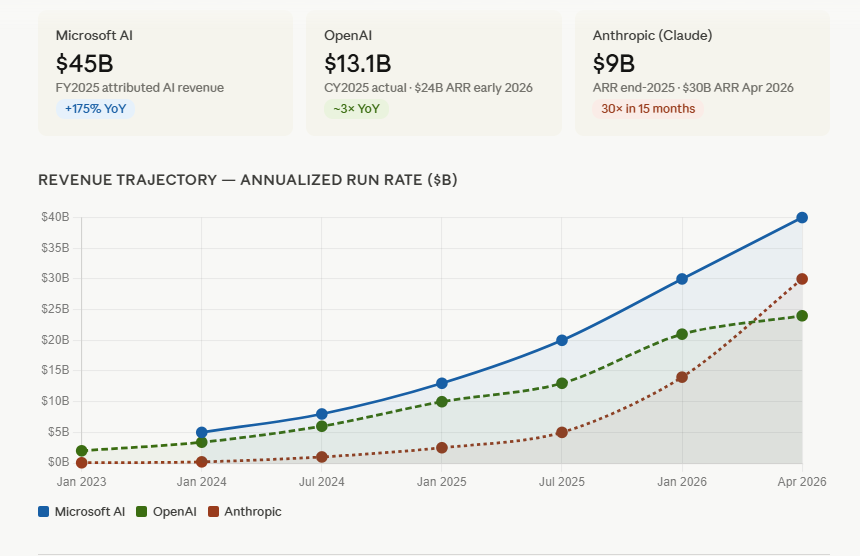
Examining the revenue streams of leading AI companies reveals a fascinating dynamic. Reports suggest that a significant portion of OpenAI’s projected $30 billion in revenue may stem from consumer subscriptions, while Anthropic’s revenue might largely be derived from providing AI compute power to other providers. This suggests that while these companies are innovating at the model level, the monetization of the "surface" – the user-facing applications – is where substantial value is being captured by others.
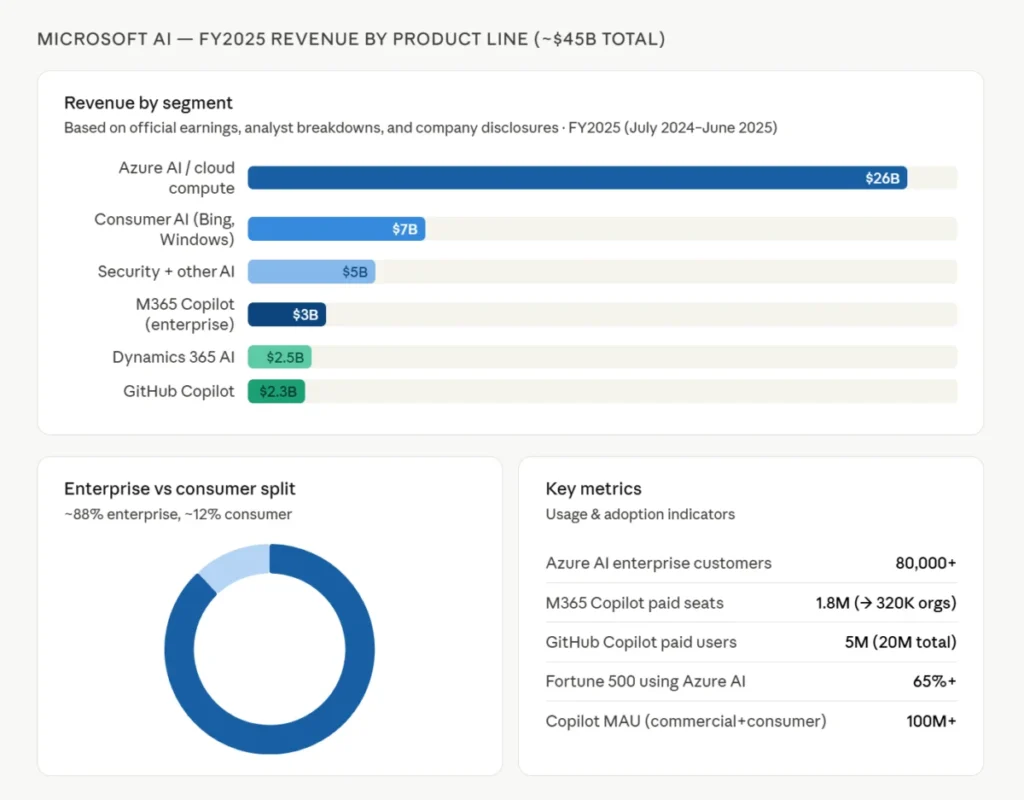
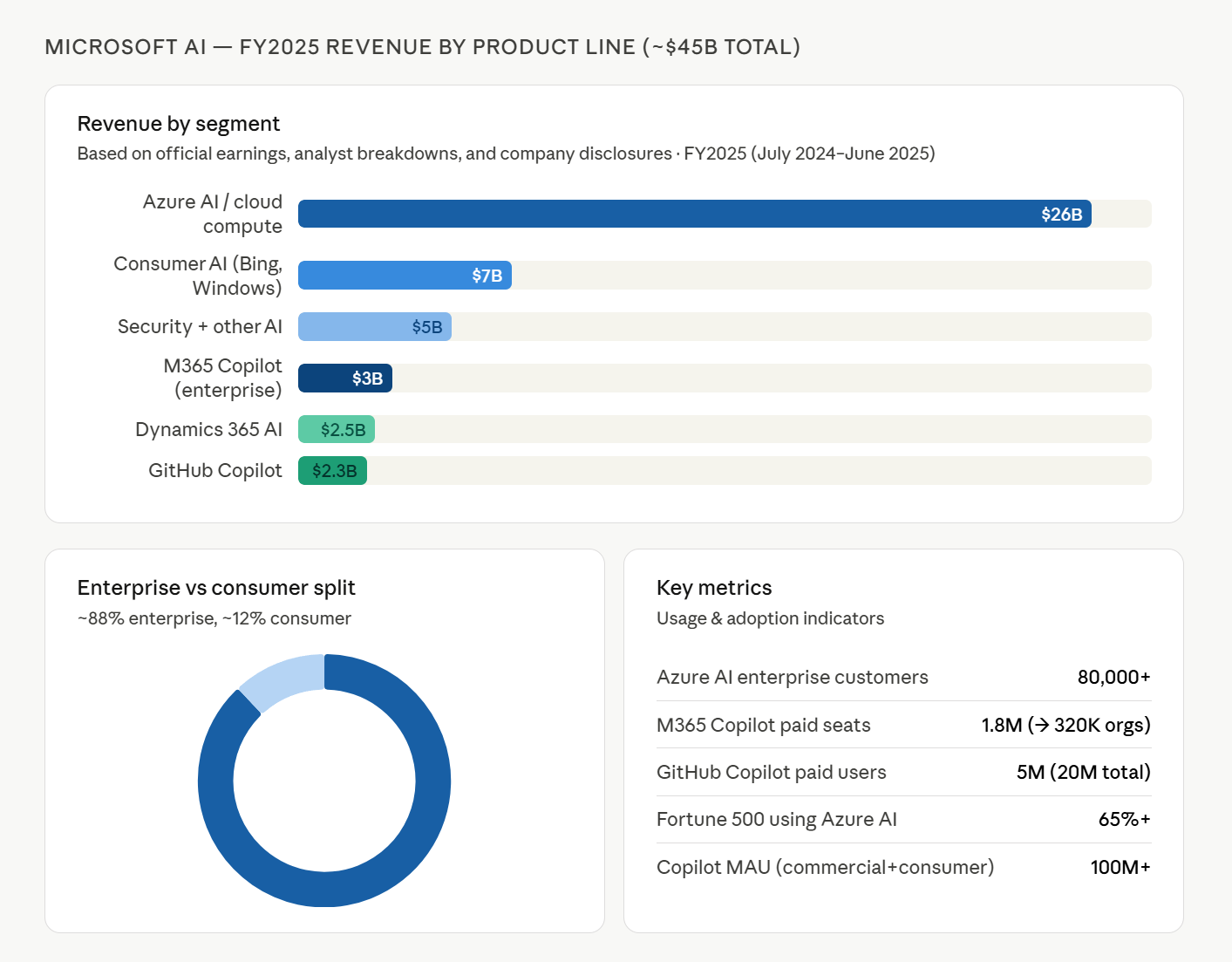
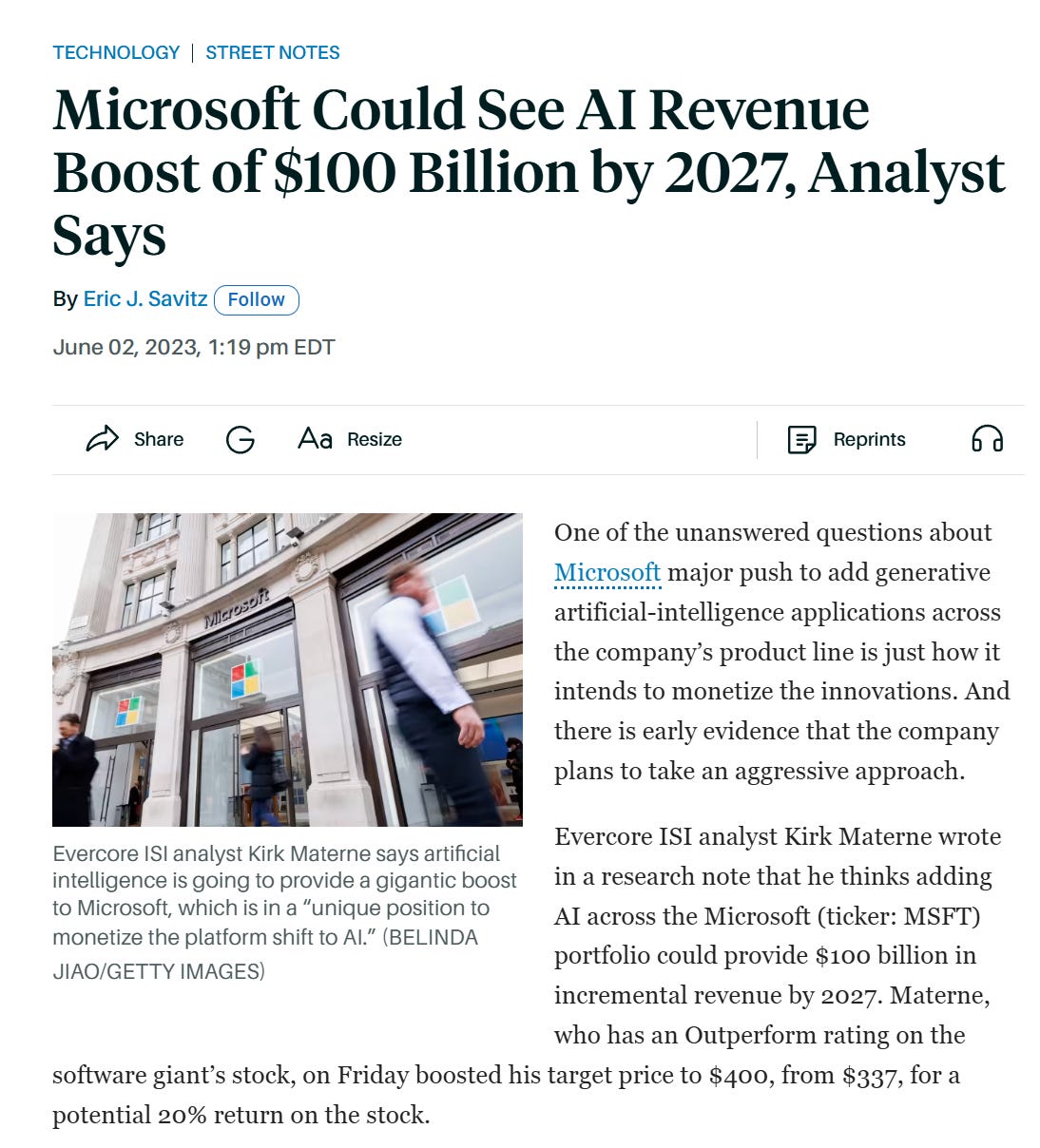
Microsoft appears to be emerging as a dominant force in this crucial "surface" revenue generation. The company’s claims of $15 million licensed users for Copilot, with an average price of $25 per month, project an annual revenue of $4.5 billion to $5 billion from this single offering. When combined with fees for Azure API services and the overall growth of its AI segment, Microsoft’s AI-related revenue is estimated to be $25 billion or more annually, with projections suggesting over $100 billion in new AI revenue over the next three years.
The Strategic Advantage: Why Microsoft is Gaining Ground
Several key factors contribute to Microsoft’s burgeoning dominance in the enterprise AI market. A recent meeting with Seth Patton, head of Microsoft Copilot product marketing, revealed a significant evolution in the company’s strategy. Copilot has transitioned from being a mere plugin for individual Microsoft products to a unified, integrated platform that can harness OpenAI, Anthropic, and other models, while also deeply integrating with corporate data.
Copilot’s Evolution: From Disparate Components to a Cohesive Whole
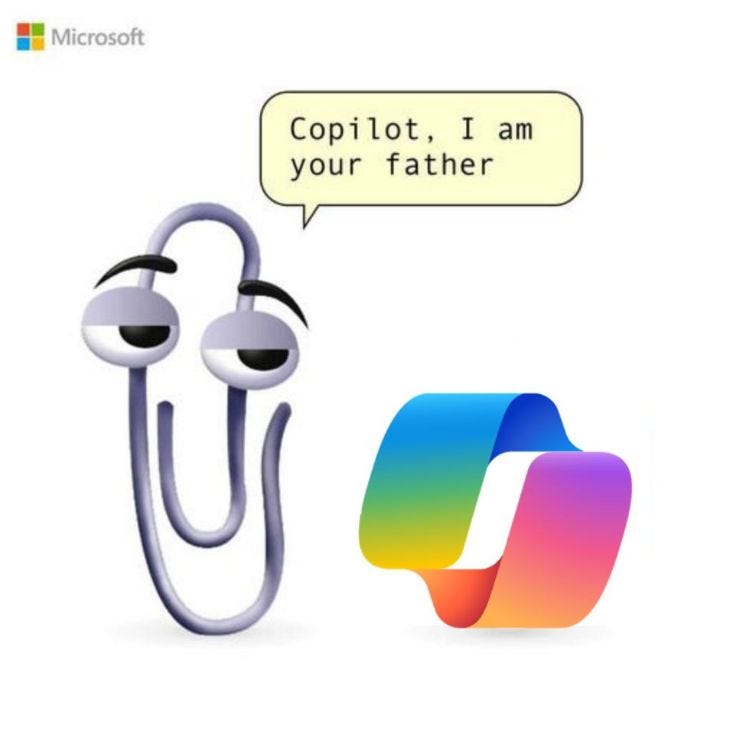
In its nascent stages (around 2022), Microsoft’s Copilot strategy was largely defined by its partnership with OpenAI and the integration of ChatGPT into Bing. This evolved into the broader Microsoft Copilot vision, which, in its initial iteration, resembled an intelligent version of the familiar "Clippy" assistant.
The subsequent launch of Copilot for Microsoft 365, along with specialized versions within Dynamics, Excel, GitHub, and other applications, marked an ambitious effort to build diverse AI "surfaces." Microsoft’s product teams rapidly developed a multitude of Copilot-powered applications and tools, including Copilot Studio, Agent 365, and Work IQ. Concurrently, the company invested heavily in its Microsoft Graph Connectors, enabling Copilot to access corporate data, and in fine-tuning capabilities to optimize proprietary data for AI. This period saw an impressive, albeit at times seemingly fragmented, surge of new product introductions.
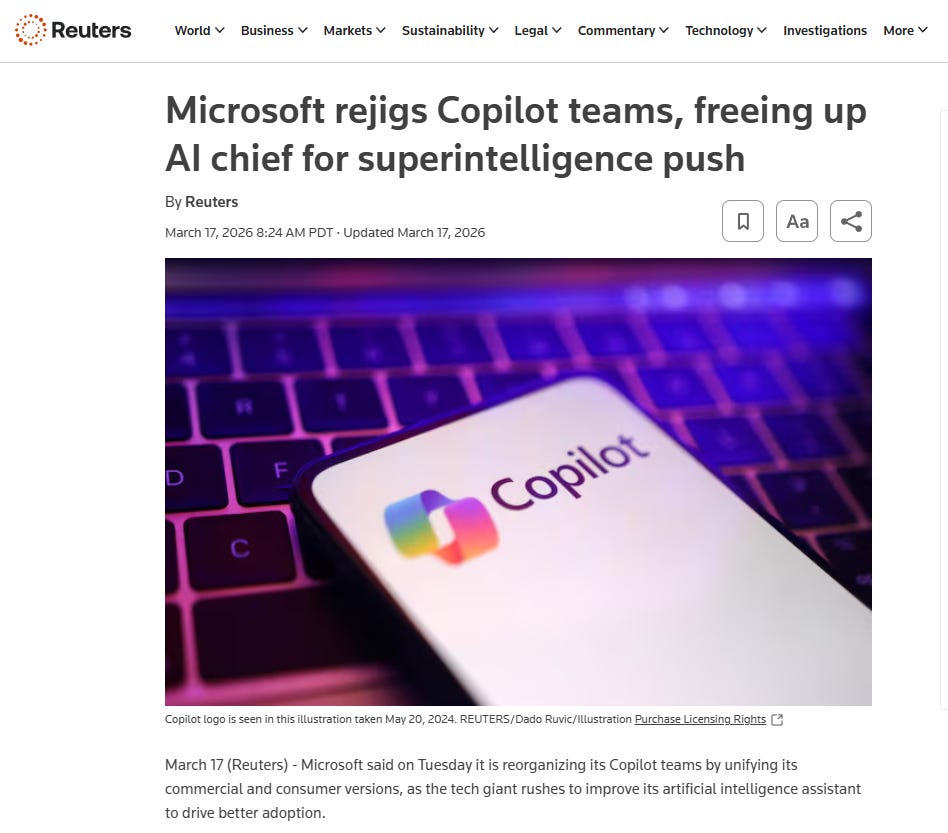
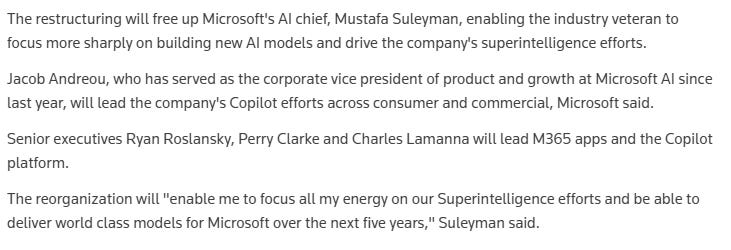
The realization that customers and consumers were experiencing confusion due to this proliferation of Copilots led to a strategic reorganization. Under CEO Satya Nadella’s leadership, the disparate Copilot product teams were consolidated into a single, unified product organization. This pivotal move, announced in March 2026, streamlined development and allowed the AI engineering group to concentrate on its proprietary models. The appointment of Jacob Andreou, formerly of Snap, to lead Copilot growth further signaled a commitment to enhancing the user experience and driving adoption.
The new leadership structure, with Ryan Roslansky heading LinkedIn, Perry Clarke leading Copilot Core, and Charles Lamanna overseeing Agents and Apps, aims to foster a cohesive approach to agent enablement and corporate user value, moving beyond siloed functionality within individual applications. This strategic alignment allows Microsoft to operate with a unified vision, akin to Nvidia’s integrated engineering approach across its product layers.
This consolidation effectively:
- Streamlines AI Development: A single product organization can now focus on building a consistent and integrated AI experience.
- Enhances Model Flexibility: The platform can now more effectively leverage a variety of AI models, including those from OpenAI and Anthropic, alongside Microsoft’s own advancements.
- Accelerates Integration: A unified approach simplifies the process of integrating AI capabilities across the entire Microsoft suite and with third-party applications.
- Optimizes User Experience: The focus shifts to creating a seamless and intuitive "surface" for both enterprise and consumer users.
While the journey to this unified strategy has presented its challenges, Microsoft is now positioned to achieve significant market share. The enterprise market is actively seeking integrated toolsets that encompass desktop applications, development environments, IT management capabilities for AI agents, and seamless connectivity to legacy systems. Microsoft’s Work IQ strategy, coupled with the expansive efforts in Agent365 and Copilot Studio, directly addresses these needs.
Furthermore, the application development community, an enormous segment of the technology sector, is anticipating a more integrated set of tools. This is driving vendors across ERP, finance, productivity, and analytics sectors to develop APIs that can plug into the "Copilot-land" ecosystem. While navigating the various integration points – Teams, Graph, Work IQ, Fabric – can be complex, the pathway to integration is becoming clearer.
For the end-user, the vision of AI applications coalescing into the familiar Microsoft desktop environment is increasingly tangible. The current Copilot experience is steadily improving, and it is reasonable to expect Microsoft to allocate its top UI design talent to further refine this interface, addressing its current "Frankensteinish" aesthetic and beautifying it over time.
Microsoft’s partner network is also poised for significant expansion. With the release of Work IQ APIs, corporate cloud vendors, many of whom are concerned about their existing offerings being supplanted by AI agents, will find compelling opportunities to integrate with the Copilot platform.
Microsoft’s Multifaceted Value Proposition
Microsoft’s strategic advantages extend beyond its platform integration and ecosystem development. The company is actively enhancing its AI offerings with several key value-adds:
Deep Research and Semantic Understanding
The "Researcher" button within Copilot exemplifies this. This feature can delve into the Microsoft Graph, analyzing calendar data and other user information to provide insightful advice and context. While still evolving in speed, its ability to leverage memory and context offers immense value to individuals and leaders seeking enhanced decision support.
Intelligent Routing and Optimization
New Microsoft Agents are being developed to intelligently route queries across different AI models, optimizing for cost and performance. This allows users to determine the most efficient way to execute AI tasks before incurring significant token expenses. Over time, these agents are expected to decompose complex AI requests, distributing parts of the task to specialized agents for optimal processing.
Agentic Interfaces for Core Applications
The integration of agentic capabilities into core Microsoft applications like Excel, PowerPoint, and Word is a significant advancement. Users can now interact with complex documents, pose questions, modify tables, generate reports, and create graphs directly within Copilot, witnessing real-time changes in the application. This seamless "in-app" integration across the Microsoft suite is set to become increasingly sophisticated.
The Intelligent Context Layer in Work IQ
The forthcoming release of Work IQ APIs will empower companies to import and build "context" into Copilot. This capability transforms Copilot into a true agentic platform for specific business functions, such as HR, finance, and sales, enabling deeply integrated and intelligent workflows.
The strategic integration of specialized AI solutions, such as Galileo, into the Microsoft ecosystem further amplifies its value. By leveraging Graph connectors and fine-tuned models, Galileo can be accessed by all employees, transforming it into a world-class management and HR advisor. This demonstrates how Microsoft’s platform can serve as a conduit for specialized AI expertise, enhancing its overall utility for enterprises.
In conclusion, while the spotlight remains on OpenAI and Anthropic as they contemplate their public debuts, Microsoft’s strategic focus on the "surface" and the development of a robust ecosystem positions it as a formidable contender in the enterprise AI market. By seamlessly integrating advanced AI models with intuitive user experiences and a vast network of applications and services, Microsoft is not merely participating in the AI revolution; it is strategically architecting its future success. The company’s ability to provide an integrated, adaptable, and deeply connected AI experience for businesses of all sizes suggests that it may indeed be the biggest winner in the ongoing AI race.