Employee turnover, a perennial challenge for organizations worldwide, represents the continuous ebb and flow of personnel within a company. While a certain level of turnover is natural and even beneficial for introducing fresh perspectives, elevated rates can signal deeper organizational issues, leading to significant productivity losses, cultural strain, and substantial financial burdens. According to Gallup, the cost of replacing an employee can soar to more than 200% of a manager’s salary, presenting a formidable financial drain for businesses. Fortunately, employee turnover is not an immutable force; it is a phenomenon that can be understood, managed, and ultimately reduced through strategic interventions.
Defining Employee Turnover and Its True Impact
Employee turnover is defined as the rate at which employees depart from an organization, whether through voluntary resignation, retirement, or involuntary termination, necessitating their replacement. While some degree of turnover is anticipated as part of organizational dynamics, the departure of talented and experienced individuals carries consequences far beyond simply filling an open position. It signifies the loss of accumulated skills, disruption to team cohesion and project momentum, and the commencement of time-consuming and resource-intensive recruitment and onboarding processes. Consequently, employee turnover transcends mere human resources metric; it serves as a potent indicator of an organization’s culture and leadership effectiveness, signaling a need for urgent attention when rates become excessively high.
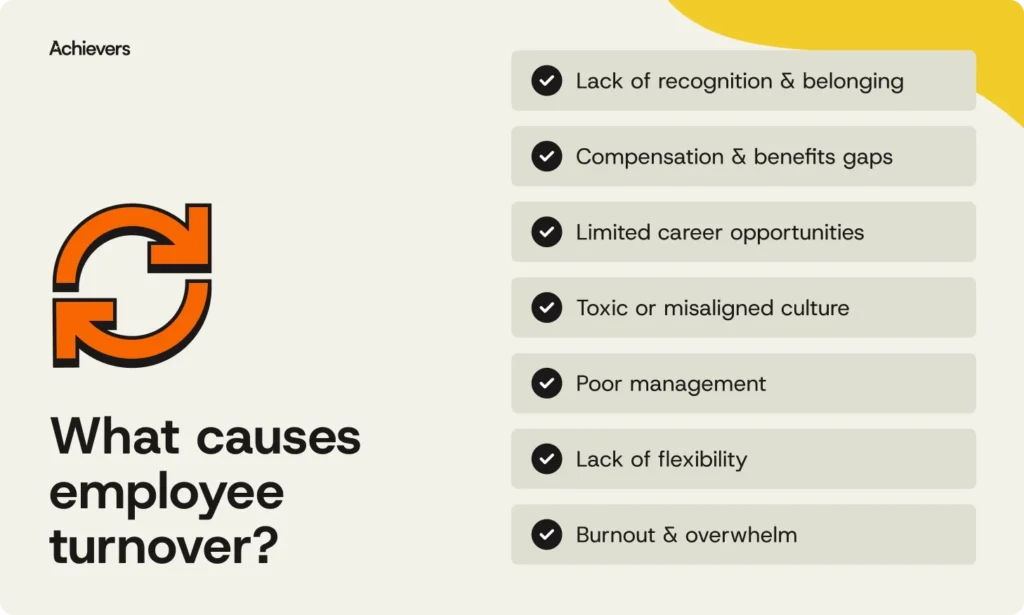
The causes of employee turnover are rarely singular. Instead, they typically stem from a confluence of unmet employee needs, suboptimal workplace experiences, and missed opportunities for growth and engagement. Understanding these underlying factors is the critical first step in retaining valuable talent.
Common Drivers of Employee Turnover
Several key factors consistently contribute to employees seeking opportunities elsewhere:
1. Lack of Recognition and Belonging
A fundamental human need in the workplace is to feel valued and recognized for contributions. When employees feel their efforts go unnoticed, their engagement dwindles, and their likelihood of seeking employment elsewhere increases. The "State of Recognition Report" highlights that a significant portion of employees (53%) receive recognition only a few times a year or less, an insufficient frequency to foster a sense of appreciation. Conversely, when employees are recognized at least monthly, 91% report a willingness to exert greater effort. Genuine appreciation cultivates a sense of belonging, and its absence can prompt even the most dedicated employees to explore external options.
2. Compensation and Benefits Discrepancies
While not the sole determinant of job satisfaction, compensation and benefits form the foundational elements of an employee’s value proposition. When salaries and benefits packages fail to align with market standards, the perceived workload, or the employee’s contributions, it inevitably leads to dissatisfaction. Recruiters actively seeking talent often capitalize on these gaps. A commitment to pay transparency, coupled with competitive compensation and comprehensive benefits, is crucial. Failing to address these aspects can result in even highly engaged employees being lured away by more attractive offers.
3. Ineffective Management Practices
The adage "people don’t leave companies, they leave managers" continues to hold considerable weight. Leaders who resort to micromanagement, exhibit poor listening skills, or fail to provide adequate support can cultivate a disengaging work environment. Such leadership styles can erode morale, diminish trust, and prompt employees to actively seek new employment opportunities.
4. Limited Career Development and Growth Opportunities
Ambitious employees are motivated by the prospect of a future within their organization. A perceived lack of career advancement or development pathways can lead them to seek opportunities elsewhere. Research from the "Skills Gap Report" indicates that employees who rate their company’s internal mobility programs highly are 26% less likely to consider changing jobs within the next year. Investing in growth and development is therefore a powerful strategy for mitigating turnover.
5. Burnout and Overwhelm
Excessive workloads, ambiguous role definitions, and persistent pressure contribute to chronic stress and burnout. Burnout not only drives employees away but also significantly diminishes their performance long before they decide to depart. Prioritizing work-life balance, promoting employee well-being, and establishing realistic expectations are paramount to maintaining a healthy and engaged workforce.
6. Toxic or Misaligned Organizational Culture
Organizational culture acts as either a magnet or a repellent for talent. When stated company values diverge from the daily lived experiences of employees, it creates a disconnect that is readily perceived. A lack of psychological safety, conflicting priorities, or unhealthy workplace politics can foster friction, ultimately leading to employee departures. A robust culture is, in essence, a powerful retention strategy.
7. Lack of Workplace Flexibility
In today’s evolving work landscape, rigid schedules and outdated policies are increasingly untenable. Offering flexibility in terms of work hours and location empowers employees with autonomy and demonstrates trust, both of which are proven drivers of engagement. The absence of such flexibility can significantly heighten the risk of turnover, particularly in competitive industries where remote or hybrid work arrangements have become the norm.
The Multifaceted Costs of Employee Turnover
The financial implications of employee turnover extend far beyond the immediate expenses of recruitment and training. The costs are both direct and indirect, impacting the organization’s bottom line and overall health.
Direct Costs: Recruitment, Onboarding, and Training
Each employee departure triggers a cascade of expenses. These include the costs associated with advertising job openings, engaging recruitment agencies, and allocating managerial time to interviews. Once a new hire is onboarded, the organization incurs expenses related to training and development, during which the new employee’s productivity may be lower than that of an experienced team member. This financial meter begins running the moment an employee submits their notice and continues until their replacement is fully integrated and productive.
Indirect Costs: Morale, Cultural Damage, and Lost Productivity
The more insidious costs of turnover are often intangible and harder to quantify. When employees leave, projects can experience delays, and remaining team members often bear an increased workload, leading to a decline in overall productivity. Morale can suffer significantly; high turnover rates can create an atmosphere of uncertainty, leading other employees to question their own job security and begin considering their options. This can transform a positive work environment into one where individuals are actively looking for exits.
Calculating Employee Turnover: A Vital Metric
Understanding the rate of employee turnover provides a crucial snapshot of workforce health. The calculation is straightforward:
Formula:
Turnover Rate = (Number of Employees Who Left / Average Number of Employees) * 100
Example:
If five employees departed over a one-year period and the average headcount for that year was 80, the turnover rate would be calculated as:
(5 / 80) * 100 = 6.25%

Regularly tracking this metric allows organizations to identify whether turnover represents a healthy level of natural attrition or a significant indicator of underlying organizational issues.
Strategic Solutions for Reducing Employee Turnover
Addressing employee turnover is not a one-time fix but an ongoing commitment to fostering a supportive and engaging work environment. The most effective strategies often involve consistent, people-centric practices that cultivate loyalty and encourage employees to stay.
1. Implement Frequent and Meaningful Recognition
Recognition is a powerful and often underutilized tool for employee retention. Employees who receive weekly recognition are three times more engaged than those recognized only annually. The solution is not complex: expressing gratitude more often and ensuring that appreciation is genuine. Simple tools, such as recognition checklists, can help embed consistency into management practices. Effective recognition does not always require a large budget; often, a little dedicated attention can go a long way.
2. Establish Continuous Feedback Loops and Act on Input
Relying solely on exit interviews to understand why employees leave is a reactive approach. Continuous feedback mechanisms are essential for proactive retention. Implementing "always-on" feedback programs, such as those that allow employees to share input in real-time, provides managers with actionable insights. Demonstrating that employee feedback is heard and acted upon is a powerful driver of trust and engagement.
3. Invest in Manager Development
As the adage suggests, managers play a pivotal role in employee retention. Poor leadership can drive top performers away more effectively than compensation issues. Providing managers with coaching, training, and effective employee feedback tools can significantly enhance their ability to support their teams. When managers consistently demonstrate appreciation and offer support, employees are more likely to remain with the organization.
4. Foster Growth and Career Development
Employees desire to see a clear path for growth and advancement within their organizations. A lack of perceived opportunities can lead them to seek alternatives. Offering mentorship programs, training opportunities, and clearly defined career paths signals to employees that their future is valued within the company. Investing in employee development not only retains talent but also enhances their skills and contributions while they are with the organization.
5. Prioritize Well-being and Work-Life Balance
Burnout is a rapid catalyst for employee turnover. While superficial perks may not suffice, tangible support for employee well-being is critical. This includes offering flexibility, ensuring manageable workloads, and providing visible support for mental health initiatives. When employees feel trusted to manage their time and energy effectively, their engagement increases, and their likelihood of seeking new employment diminishes.
6. Cultivate Cultural Alignment and Belonging
Organizational culture is not merely a set of abstract values but is embodied in the daily interactions and experiences of employees. Aligning recognition programs with company values can make culture tangible. Coupled with robust Diversity, Equity, Inclusion, and Belonging (DEIB) initiatives, this fosters an environment where every employee feels a genuine sense of belonging. When the lived experience of employees aligns with the organization’s stated culture, they are more likely to envision a long-term career with the company.
The Impact of Employee Recognition Programs on Turnover Reduction
Employee recognition programs play a crucial role in reducing turnover by providing employees with clear, consistent affirmation that their work is valued, their contributions are significant, and they have a promising future within the organization. Recognition effectively communicates what employees are doing well, ensures their efforts are noticed, and helps them understand how their work contributes to broader organizational success.
Research from the Achievers Workforce Institute indicates that a substantial percentage of employees (29%) surveyed stated that recognition would reduce their likelihood of actively searching for new jobs, and 23% indicated it would make them less receptive to recruiter calls. Regular positive feedback about their performance provides employees with greater clarity regarding expectations and enhances their confidence in their roles, thereby reducing uncertainty about their progress and success.
Leveraging Total Rewards to Mitigate Turnover Costs
A comprehensive "total rewards" strategy, encompassing compensation, recognition, rewards, and development opportunities, can effectively address the root causes of employee departure, thereby reducing the need for costly replacements.
-
Integrate Recognition into Total Rewards: Recognition should be positioned as an integral component of the overall employee value proposition, alongside salary and benefits. Both meaningful recognition and monetary rewards are critical drivers of sustained motivation and retention.
-
Combine Frequent Recognition with Monetary Rewards: Frequent recognition offers employees ongoing feedback on their performance, enabling them to understand their strengths and contributions. Financial rewards, in turn, acknowledge specific achievements, such as meeting targets or exceeding expectations. Together, these elements provide a holistic and consistent feedback mechanism that addresses both effort and results.
-
Ensure Consistent Application of Rewards and Recognition: Consistency in the application of recognition and rewards is vital for fostering perceptions of fairness and equity across the workforce. Inconsistent practices can breed distrust and disengagement, increasing the likelihood of turnover.
-
Link Recognition to Growth and Future Opportunities: Recognition that highlights an employee’s development and progress helps them connect their current contributions to future career opportunities. This reinforces their long-term commitment to the company and encourages them to stay.
-
Utilize Recognition and Rewards to Drive Engagement, Retention, and Productivity Simultaneously: These programs are direct contributors to enhanced engagement, retention, and productivity by reinforcing desired behaviors, making effort visible, and strengthening employees’ connection to their work and team. Engaged and productive employees are less prone to turnover, which consequently reduces replacement costs and associated expenditures.
In conclusion, employee turnover represents a significant challenge for organizations, impacting productivity, culture, and financial stability. By understanding the multifaceted drivers of turnover and implementing strategic, people-centric solutions—particularly those focused on recognition, feedback, development, and well-being—companies can cultivate a more engaged, productive, and loyal workforce, ultimately mitigating the costly effects of the revolving door.