The integration of artificial intelligence (AI) into leadership practices is rapidly transforming the corporate landscape. However, a critical error is emerging among early adopters: an over-reliance on technology that risks overshadowing the very human elements essential for effective leadership. While the drive to adopt AI is commendable, the most successful leaders are those who understand that efficiency gained through technology must be amplified by, not replace, human capabilities. True leadership efficiency lies not merely in processing information faster or automating tasks, but in fostering loyalty, driving innovation, and building sustainable, thriving organizations.
The Illusion of AI-Driven Leadership
The current enthusiasm for AI in leadership is often fueled by a desire for increased efficiency and a competitive edge. Businesses are investing heavily in AI-powered analytics, predictive modeling, and automation tools, aiming to streamline operations, optimize decision-making, and enhance employee productivity. Reports from leading consulting firms, such as McKinsey & Company, consistently highlight the significant productivity gains associated with AI adoption, with some studies suggesting AI could contribute trillions of dollars to the global economy annually. However, this focus on technological prowess can inadvertently create a blind spot, leading leaders to believe that sophisticated algorithms alone can navigate the complexities of human interaction and organizational dynamics.
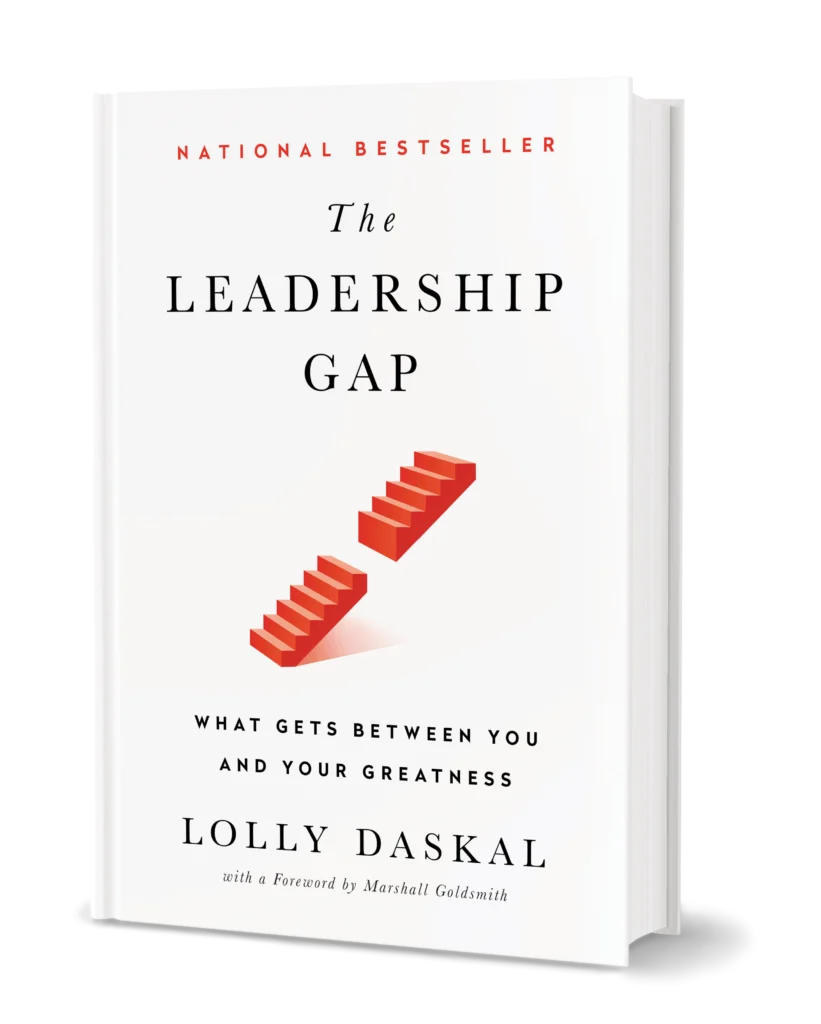
This overemphasis on AI’s capabilities overlooks a fundamental truth: technology, while powerful, is a tool. It can process vast amounts of data, identify patterns, and suggest optimal solutions, but it lacks the nuanced understanding, emotional intelligence, and ethical reasoning that define truly exceptional leadership. As Lolly Daskal, a renowned executive leadership coach and author of the national bestseller "The Leadership Gap: What Gets Between You and Your Greatness," observes, "The biggest mistake isn’t that they don’t adopt AI. It’s that they’re over-relying on artificial intelligence. They believe that technology alone will make them more effective."
AI Delivers Speed, Not Wisdom
One of the most touted benefits of AI is its ability to process information at unprecedented speeds. AI algorithms can analyze market trends, financial data, and operational metrics in mere seconds, providing leaders with insights that would take humans days or weeks to uncover. This speed is invaluable for identifying opportunities and potential risks. For instance, in the financial sector, AI-driven trading algorithms can execute trades based on real-time market fluctuations, optimizing investment strategies. In logistics, AI can predict supply chain disruptions and reroute shipments proactively.
However, speed in data processing does not equate to wisdom in decision-making. Wise leadership involves more than just identifying the most statistically probable outcome; it requires understanding the human implications of those outcomes. A leader must consider how a decision will impact their team’s morale, the company’s culture, and its long-term reputation. Algorithms can present the "what" and the "how," but human leaders must grapple with the "why" and the "should we." The ethical considerations surrounding AI-generated recommendations, particularly in sensitive areas like hiring or performance reviews, necessitate human oversight. A decision that is efficient on paper might be detrimental to employee well-being or foster an environment of distrust if not guided by human empathy and ethical principles.
Human Judgment Navigates Gray Areas
The business world is rarely black and white. Complex situations, ethical dilemmas, and unforeseen crises often fall into a spectrum of gray areas where AI’s algorithmic logic may falter. While AI can identify correlations and predict probabilities, it struggles with abstract reasoning, moral judgment, and the intuitive leaps that experienced leaders make. Consider a situation where an AI flags an employee for underperformance based on quantifiable metrics. A human leader, however, would investigate further, considering personal circumstances, team dynamics, and potential underlying issues that the AI might miss. This empathetic inquiry can lead to solutions that not only address the performance issue but also strengthen the employee’s engagement and loyalty.
A report by Gartner predicts that by 2026, human intuition will still be critical in more than half of all AI-driven decision-making processes. This underscores the symbiotic relationship required between AI and human judgment. AI can provide data-driven recommendations, flagging potential issues or highlighting optimal paths. However, the final decision, especially when it involves human impact or ethical considerations, must rest with a leader who can apply their experience, intuition, and understanding of human nature. This is where true strategic thinking emerges – not from an algorithm, but from a leader who can synthesize data with lived experience and a deep understanding of their organization and its people.
Inspiration Requires Authentic Connection
Motivating a team, fostering a sense of shared purpose, and inspiring innovation are inherently human endeavors. While AI can assist in communication by drafting messages, analyzing sentiment in employee feedback, or even personalizing training modules, it cannot replicate the authentic connection that inspires people. A leader’s passion, their ability to articulate a compelling vision, and their genuine care for their team’s well-being are powerful drivers of engagement and performance.
The rise of remote and hybrid work models has only amplified the need for leaders to cultivate strong personal relationships, even when leveraging technology. AI tools can help leaders understand communication patterns or identify potential disengagement, but they cannot replace a face-to-face conversation, a supportive gesture, or the shared experience of overcoming a challenge. Leaders who use AI to inform their communication strategies while prioritizing genuine interaction are more likely to build resilient, motivated teams. This human touch is crucial for building a strong organizational culture, where employees feel valued, understood, and connected to the larger mission.
Empathy Cannot Be Automated
Empathy, the ability to understand and share the feelings of another, is a cornerstone of effective leadership. It allows leaders to build trust, resolve conflicts, and create an environment where individuals feel safe to take risks and contribute their best work. While AI can analyze behavioral data to identify patterns that might suggest an employee’s emotional state, it cannot genuinely feel or express empathy.
Forward-thinking leaders leverage AI to gain a more comprehensive understanding of their teams, perhaps by analyzing engagement survey data or identifying common pain points. However, they recognize that true empathy requires emotional intelligence – the ability to perceive, understand, manage, and use emotions. This is something that cannot be programmed into a machine. A leader who can offer genuine support during a personal crisis, celebrate a team’s success with authentic enthusiasm, or provide constructive feedback with compassion is building a foundation of trust that AI alone cannot achieve. This human element fosters a sense of belonging and psychological safety, which are critical for long-term employee retention and organizational success.

Consistency Builds Trust, Not Algorithms
Trust is the bedrock of any successful leader-follower relationship. It is built over time through consistent actions, demonstrated integrity, and a clear commitment to organizational values. AI can be a powerful tool for tracking performance, identifying areas for improvement, and ensuring fairness in processes like performance reviews. It can provide objective data that helps leaders make informed decisions.
However, trust is not generated by an algorithm; it is cultivated through human behavior. Leaders who consistently uphold their values, communicate transparently, and demonstrate a genuine concern for their team’s well-being are the ones who build lasting trust. An AI might flag a deviation from a policy, but it is the leader’s consistent and fair application of that policy, coupled with compassionate understanding when appropriate, that solidifies trust. This consistency, rooted in values, creates a predictable and secure environment, allowing teams to focus on their work rather than worrying about arbitrary decisions or shifts in leadership priorities.
Vision Emerges From Human Insight
The ability to articulate a compelling vision for the future is a hallmark of great leadership. This vision not only guides the organization’s strategy but also inspires and motivates its people. While AI can excel at market analysis and trend forecasting, identifying potential future scenarios based on data, it cannot inherently create a vision that resonates with human aspirations.
Innovative leaders use AI to gather intelligence about the market, customer needs, and technological advancements. This data provides a foundation for strategic planning. However, the translation of complex data into a meaningful, inspiring narrative requires human insight. Leaders must understand the underlying human desires, motivations, and dreams that will drive future success. They must be able to paint a picture of a desirable future that ignites passion and commitment within their teams. This ability to connect data with human purpose is a uniquely human leadership trait that AI can support but not replicate.
Cultural Understanding Transcends Data
Navigating the complexities of organizational culture, interdepartmental dynamics, and unspoken political currents requires a deep understanding of human interaction. AI can analyze communication patterns, identify potential conflicts, or even suggest optimal team structures based on data. For example, AI tools can help large organizations monitor employee sentiment across different departments or identify communication bottlenecks.
However, AI cannot replicate the subtle art of understanding cultural nuances, reading between the lines of a conversation, or building bridges between disparate groups. Responsible leaders use AI to gather information about team dynamics, but they rely on their interpersonal skills, emotional intelligence, and experience to navigate cultural sensitivities and organizational politics. This requires active listening, empathetic communication, and the ability to build relationships across different levels and functions of the organization. These skills are developed through human interaction and cannot be automated.
Adaptability Requires Human Creativity
In today’s rapidly changing business environment, adaptability is paramount. AI can provide real-time feedback and rapid analysis, enabling leaders to respond quickly to emerging trends or unexpected challenges. For instance, AI can monitor customer feedback in real-time, allowing companies to adjust their product or service offerings swiftly.
However, true adaptability often requires creative problem-solving and flexible thinking that goes beyond algorithmic responses. When faced with unprecedented situations, leaders must be able to think outside the box, devise novel solutions, and inspire their teams to embrace change. This requires a degree of creativity, ingenuity, and a willingness to experiment that is inherently human. While AI can identify problems and suggest solutions based on existing data, it is the human leader who can imagine entirely new possibilities and guide their organization through uncharted territory.
The AI Leadership Edge: Amplifying Humanity
The leaders who are poised to excel in the age of AI are not choosing between technology and human skills; they are deliberately combining both. They recognize that AI is a powerful amplifier of human capabilities, not a replacement for them. By leveraging AI to automate routine tasks, analyze vast datasets, and identify patterns, leaders can free up their time and cognitive resources to focus on the distinctly human aspects of their roles.
This approach allows them to:
- Eliminate Guesswork: AI provides data-driven insights that reduce uncertainty in decision-making.
- Preserve Human Elements: By offloading analytical heavy lifting to AI, leaders can dedicate more energy to fostering loyalty, nurturing innovation, and driving sustainable performance through human connection.
- Enhance Effectiveness: AI-powered efficiency, combined with human insight, leads to more robust and impactful leadership.
- Deepen Connection: AI can provide information about team needs, allowing leaders to engage more thoughtfully and empathetically.
- Increase Insight: By processing more data, AI can present leaders with a broader range of potential outcomes, leading to more informed and strategic decisions.
The ultimate goal for leaders embracing AI should be to become more human, not less. This means using technology to become more effective, not insufficient; more connected, not isolated; and more insightful, not merely reactive. True leadership efficiency is achieved when technological precision is seamlessly integrated with authentic human connection, fostering an environment where both people and organizations can thrive. The future of leadership lies in this intelligent synergy, where AI serves as a powerful co-pilot, empowering leaders to navigate the complexities of the modern world with both data-driven intelligence and profound human wisdom.