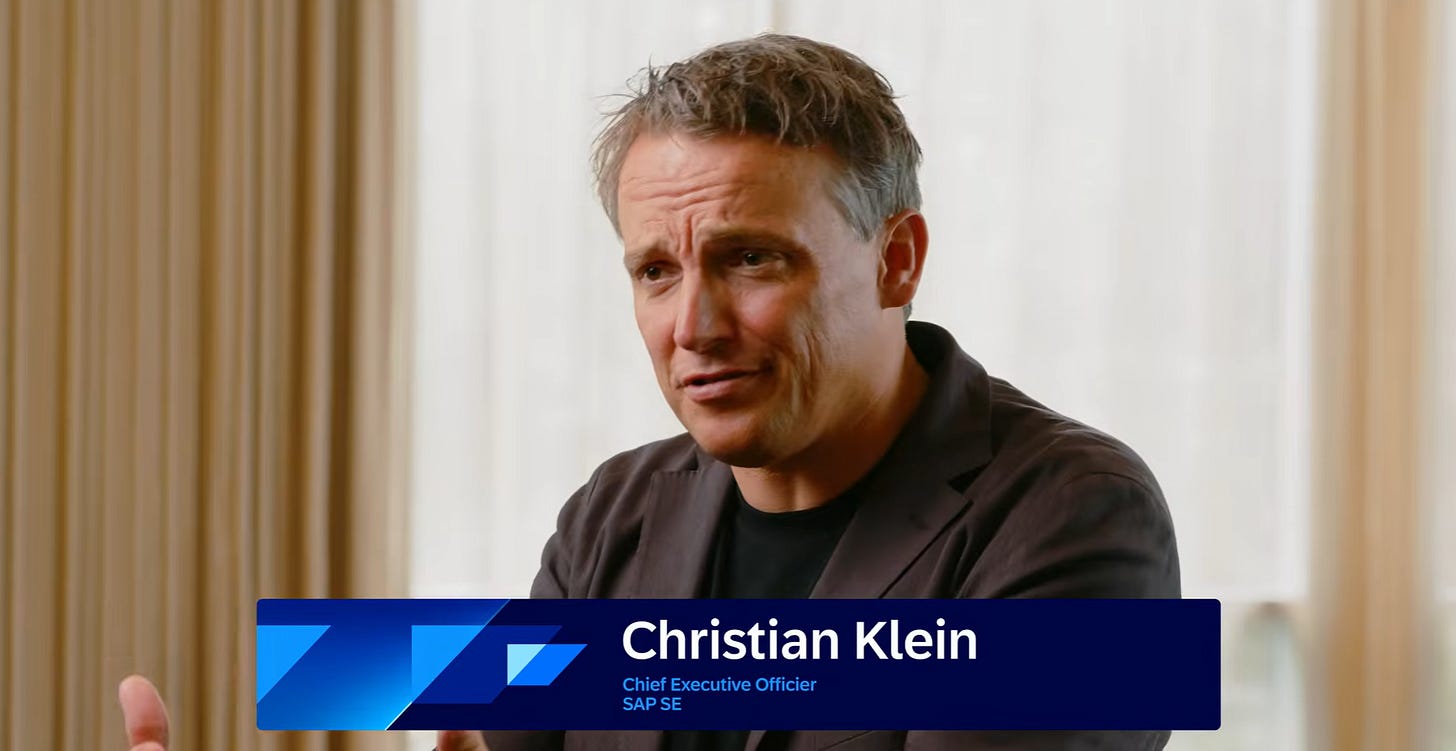
SAP has unveiled a comprehensive enterprise AI architecture, a move industry analysts are calling one of the most significant in years. Dubbed "The Autonomous Enterprise," this initiative, spearheaded by CEO Christian Klein, signals a profound shift, positioning SAP at the forefront of artificial intelligence integration within the business software landscape. The announcement, made at a recent major industry event, details a unified AI platform designed for building, contextualizing, and governing intelligent agents, an autonomous suite to execute core business operations, and a reimagined user experience.
"The Autonomous Enterprise includes a unified AI platform for building, contextualizing and governing agents, an autonomous suite that executes core business operations and a new user experience that redefines how people work with enterprise software," stated Christian Klein, CEO of SAP SE, in a pivotal address. This ambitious declaration underscores SAP’s strategic pivot following over three years of development focused on AI integration, including its Joule AI assistant and various data layering initiatives. While the "Autonomous Enterprise" moniker may invite debate, the underlying technological framework represents a substantial leap forward, promising to reshape how businesses leverage their critical enterprise resource planning (ERP) systems.

SAP’s Strategic Evolution: From ERP Giant to AI Powerhouse
For decades, SAP has been synonymous with robust Enterprise Resource Planning (ERP) systems, managing the intricate operations of businesses across virtually every sector. Unlike solutions focused on specific functional areas, SAP’s ERP is designed to be a holistic system, encompassing financial management, human capital, supply chain logistics, manufacturing processes, procurement, and vendor relationships. With over 25 industry-specific editions, SAP systems provide deep visibility, allowing companies to trace a product’s lifecycle from sale back to its constituent parts, suppliers, assembly processes, and contractual agreements. This "end-to-end" capability, built through organic development and strategic acquisitions, empowers diverse industries—from pharmaceuticals and automotive to consumer goods, airlines, healthcare, and telecommunications—to manage complex value chains, revenue streams, costs, and profitability.
The core promise of this enhanced AI architecture is to move beyond mere data reporting to proactive, intelligent analysis. Traditionally, a question like "Why is our profit margin for product group A declining in South America?" would necessitate extensive manual analysis by a team of data scientists and business analysts. This process would involve sifting through sales data, supplier pricing, logistics costs, and regional market dynamics. Now, with SAP’s "Autonomous Enterprise AI" stack, users can pose such complex queries to Joule, which, after potential clarifying questions, can autonomously conduct the analysis. The AI’s capability to dissect intricate factors—such as fluctuating sales commissions, soaring shipping expenses, or volatile raw material costs—and pinpoint the primary contributors, such as a specific set of suppliers, represents a significant advancement in operational intelligence.
The Pillars of the Autonomous Enterprise: AI Platform, Autonomous Suite, and New UX
SAP’s announcement centers on three interconnected pillars:
- Unified AI Platform: This platform serves as the foundational layer for creating, managing, and deploying AI-driven agents. It emphasizes contextualization, ensuring agents understand the specific business data and processes they are interacting with, and robust governance, crucial for enterprise-grade AI deployment.
- Autonomous Suite: This comprises a suite of pre-built AI agents designed to automate and optimize core business operations. These agents are intended to act with a degree of independence, identifying and resolving issues, and streamlining workflows across various SAP modules.
- Redefined User Experience: The new user interface aims to make interacting with complex enterprise software more intuitive and natural, leveraging AI to guide users, provide insights, and simplify task execution.
A Deeper Dive into SAP’s Agent Strategy
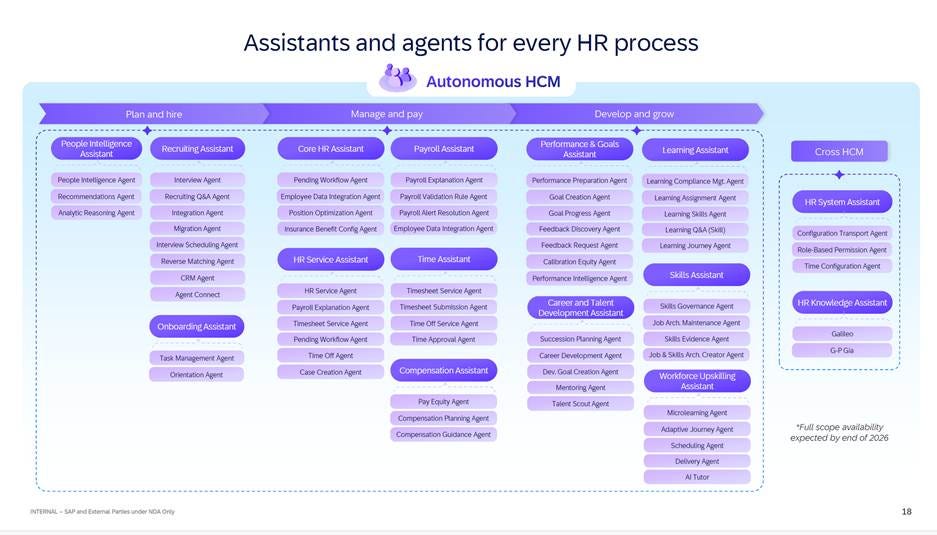
The concept of "autonomous" driving business processes is central to SAP’s vision. While the term might evoke an image of systems operating entirely without human intervention, SAP’s approach appears to be a staged progression, moving from intelligent automation to more sophisticated agentic capabilities. The company announced over 224 agents designed to enhance operational efficiency.
In the Human Capital Management (HCM) domain, SAP has detailed numerous agents focused on specific HR processes. These agents, while varying in complexity and scope, are designed to automate tasks, identify anomalies, and proactively manage employee-related functions. For instance, in areas like payroll, a notoriously complex and error-prone process, SAP’s AI agents can automate calculations, detect discrepancies, and generate alerts. Similarly, in employee development, agents can identify skill gaps, recommend personalized training materials, and target employees for upskilling initiatives.
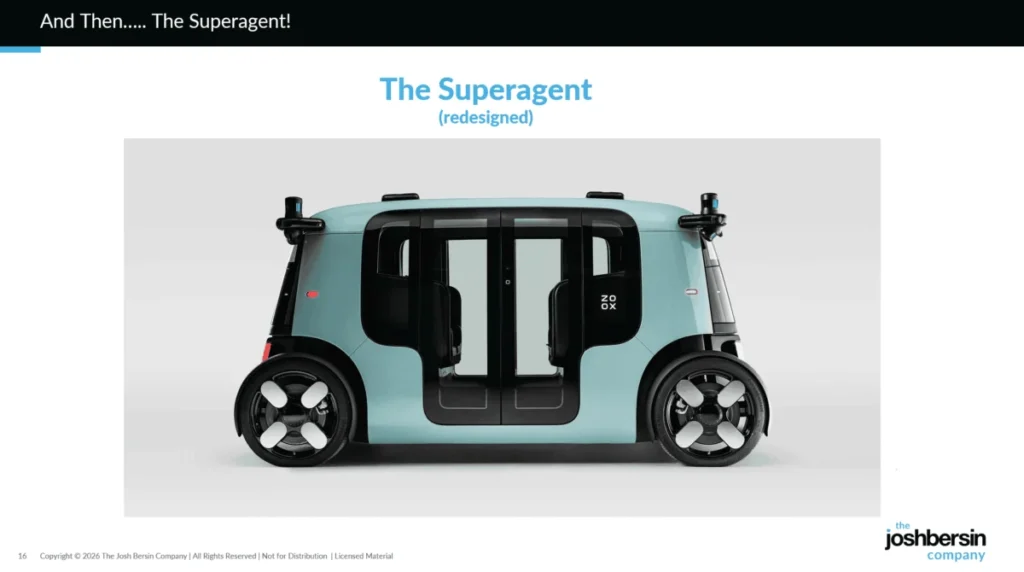
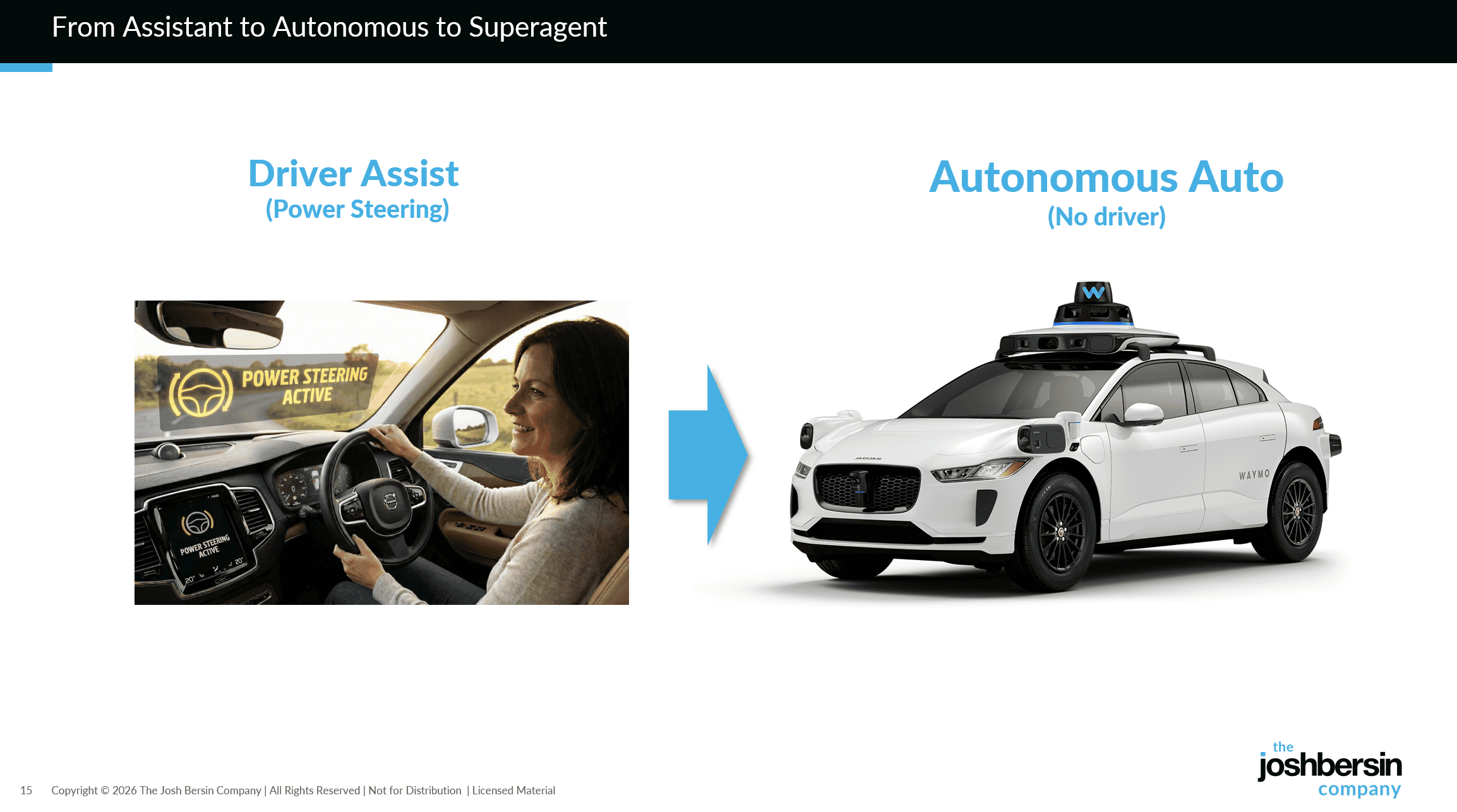
However, the critical question for businesses and analysts remains whether these agents primarily serve to automate existing, often cumbersome, processes or if they fundamentally redesign how HR and other business functions operate. SAP’s current emphasis appears to be on optimizing the existing SAP landscape through automation, akin to a sophisticated driver-assist system that enhances the current driving experience. This contrasts with a more radical redesign of the vehicle itself to optimize the passenger experience, such as the difference between a self-driving car that retains traditional controls and a purpose-built autonomous vehicle. SAP’s "Autonomous Enterprise" is currently positioned as a highly advanced driver-assist, making existing processes more efficient and autonomous, rather than a complete reimagining of business workflows.
Technological Underpinnings: The AI Architecture
Beneath the surface of "The Autonomous Enterprise" lies a sophisticated AI architecture. A key component is the "blue AI layer," which integrates a data fabric and numerous AI models. This layer is designed to ingest and process vast amounts of business data, providing the context necessary for intelligent decision-making.
A particularly noteworthy innovation is SAP’s proprietary tabular data model, SAP-RPT-1.5. This model is specifically optimized for analyzing, evaluating, and modeling tabular data, which forms the bedrock of most business software. Unlike general-purpose Large Language Models (LLMs) that can struggle with structured datasets, SAP-RPT-1.5 is engineered to handle massive tables, enabling users to find, analyze, model, and perform "what-if" scenarios on complex, real-time business data. This is a significant development for data professionals and business analysts seeking deeper insights from their operational data. A public playground for this technology has been made available, allowing users to experiment with its capabilities.
At the heart of the system is the SAP Knowledge Graph. This semantic layer maps the intricate web of entities, structures, and rules within SAP systems, translating natural language queries into specific functional requests. When a user asks a question, the Knowledge Graph interprets the intent and retrieves the relevant data, information, or policy, facilitating a more intuitive interaction with the system. This is comparable to the contextual engines developed by competitors like Workday (Sana layer) and ServiceNow (Context Engine), signifying a growing industry consensus on the importance of semantic understanding in enterprise AI.
The Joule copilot interface serves as the primary user-facing element and also as a development tool for agents. The newly introduced Joule Studio is presented as an enterprise-grade development environment, distinct from more simplistic "vibe coding" systems. It provides tools for designing, building, testing, integrating, and managing a wide array of agents, from simple automations to complex workflows. This robust development environment allows IT teams and SAP developers to create highly customized agents that can potentially "redesign SAP" by building personalized experiences, such as advanced onboarding systems that account for numerous employee options, role pathways, and developmental plans.
The Rise of "Superagents" and the Future of Business Processes
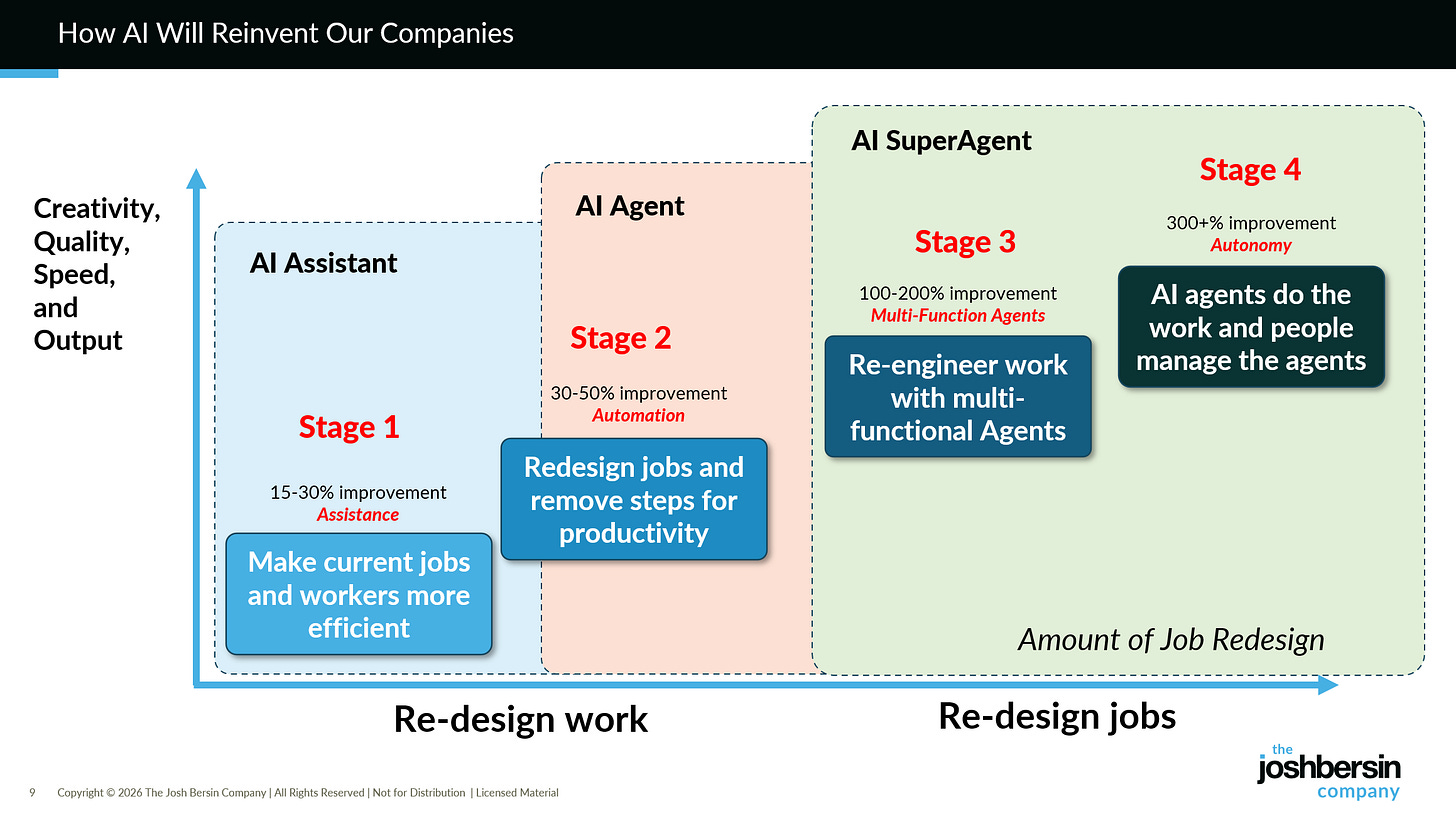
SAP’s strategy aligns with a broader industry trend towards more powerful AI agents, often termed "Superagents." These agents are envisioned to go beyond simple automation, capable of redesigning processes and driving significant business value. While SAP’s current focus is on automating existing workflows, the potential for Superagents to fundamentally transform operations is substantial. The company’s four-stage model for AI agent use cases highlights that Stages 3 and 4, which involve process redesign and advanced agentic capabilities, offer significantly higher ROI than automation alone.
SAP has shipped 224 agents and 51 assistants across four major business areas, indicating a broad scope for AI integration. The company’s approach to agent development, particularly through Joule Studio, offers developers a powerful platform to leverage SAP’s unique data objects and modules. This allows for the creation of sophisticated agents that can interoperate with non-SAP systems through SAP’s data layer and agent management system, mirroring the platform strategies of competitors like ServiceNow and Workday.

"Company Memory" and AI Governance: Essential Components
A forward-looking aspect of SAP’s announcement is the concept of building massive context windows to store an entire "company memory." This entails capturing an extensive dataset of operational knowledge—including customers, products, processes, rules, documents, and communications—into an AI model. This "company corpus" can then be used for continuous analysis, modeling, and improvement. Such a "company model" could offer unprecedented insights into performance gaps and their root causes. For example, it could reveal operational best practices, such as how different sales teams engage senior leadership, and highlight areas for improvement across thousands of business activities.
Crucially, SAP, like its peers Workday and ServiceNow, recognizes the paramount importance of AI governance. The potential for AI agents to inadvertently cause data loss, unauthorized data sharing, or breaches of confidential information necessitates robust control mechanisms. SAP’s AI Agent Hub provides a management system for agents, supporting both SAP and non-SAP agents. This hub offers tools for controlling agent consumption, verifying agent functionality, managing data connections, and coordinating agent interactions. The challenge of agent-to-agent communication and dependency management is a critical area, particularly in complex domains like HR, where agents involved in training, development, and performance management must seamlessly interact.
SAP’s AI Identity: A Paradigm Shift
In an era where concerns about disruptive startups leveraging advanced AI models like Claude Code are prevalent, SAP CEO Christian Klein’s assertion that SAP is now an AI company at its core is a bold declaration. This stance mirrors the sentiment of other established enterprise software leaders who argue that the wholesale replacement of existing, deeply integrated systems by startups is not an imminent threat. Instead, SAP, Workday, and Oracle are focusing on re-engineering their decades of research and development to transform their core ERP and HCM systems into AI-native applications.
The objective is not to discard vast investments in existing software but to leverage AI to drive innovation across domains, enhance customer and employee experiences, and build more intelligent systems. By embedding execution into intelligent agents that operate across the entire suite, SAP aims to make its software less visible, shifting user interaction from static workflows to dynamic, AI-driven decision-making, recommendation, and action. This strategic pivot promises to unlock cross-domain process innovation and create smarter, more responsive business environments.
The implications for SAP’s financial model are also significant, with a potential shift towards consumption-based pricing and outcome-driven metrics, moving beyond traditional seat licenses. This strategy is poised to reinvent and reinvigorate SAP’s growth trajectory, capitalizing on its extensive industry knowledge and existing customer base. While competitors may be building new platforms from scratch, the deep integration and accumulated business intelligence within SAP systems provide a formidable foundation for this AI-driven evolution. The company’s commitment to embedding AI throughout its product portfolio signals a new era for enterprise software, one where intelligence is not an add-on but an intrinsic component of every business process.