The Data Centre Congress, a pivotal event held annually from June 1st to 4th in Cannes, serves as the preeminent gathering for stakeholders in the rapidly evolving data center sector. Akin to MIPIM’s role in traditional real estate, this congress unites investors, operators, engineers, power providers, and other key figures to network, share insights, and collectively address the significant challenges and future trajectory of data center development. The 2026 edition, held against a backdrop of unprecedented demand driven by artificial intelligence and digital transformation, underscored the sector’s resilience and its undeniable position as a cornerstone of the 21st-century built environment.
A Sector Reimagined: From Necessary Evil to Critical Infrastructure
Historically, data centers occupied a peculiar niche within the built environment. Often perceived as functional necessities rather than architecturally significant structures, they were characterized by their utilitarian design, minimal aesthetic appeal, and limited direct employment opportunities. This perception, however, has undergone a profound transformation. While events like UKREiiF and MIPIM have recently begun to dedicate more attention to data centers, the Data Centre Congress has long recognized this sector’s unique trajectory. It is now widely acknowledged as arguably the most significant building typology of the 21st century, fundamental to supporting our increasingly hyper-connected lifestyles and the burgeoning digital economy.
The industry’s culture and pace are now synonymous with a dynamic energy, characterized by a refreshing diversity and a growing emphasis on employee wellbeing. This stands in stark contrast to some of the more entrenched norms within traditional construction, suggesting a paradigm shift in how critical infrastructure is conceived, designed, and operated.
Navigating the Perfect Storm: AI, Power, and the Talent Gap
Despite its immense growth, the data center sector faces a formidable array of challenges. The insatiable demand generated by the momentum of artificial intelligence, coupled with existing limitations in grid power capacity, presents a significant hurdle. Attracting and retaining skilled talent remains a critical concern, as does navigating complex planning legislation. Innovations in chip technology, evolving notions of data sovereignty, and the imperative for sustainable solutions all weigh heavily on the industry. While substantial investment continues to flow into the sector, ongoing dialogue and collaboration between government and commerce are essential to foster an environment conducive to meeting the sector’s multifaceted demands.
The market, currently valued at over $300 billion, is projected to reach an astonishing $699.13 billion by 2034, highlighting the scale of the opportunity and the urgency of addressing these challenges. A notable moment of apprehension occurred in Q1 of the previous year when Microsoft announced a pause on data center plans across the US and Europe, totaling 2GW, citing concerns over AI overexpansion and tariff uncertainties. However, what initially seemed like a significant disruption has since faded into a distant memory, overshadowed by the sector’s relentless forward momentum.
Expert Perspectives: Key Themes and Solutions
Discussions at the Data Centre Congress and insights from industry leaders reveal the core themes and emerging solutions shaping the sector:
The AI Imperative and Evolving Power Demands
Rennie Dalrymple, Partner and Head of Data Centres at Ridge, emphasizes the strong hype and fundraising activity surrounding AI-ready data centers. However, he cautions against overlooking the foundational importance of public cloud hosting, which will continue to be the bedrock of the sector. "If people have phones, there will be cloud services!" he asserts, highlighting its enduring relevance.
Neo-cloud centers, designed for multiple tenants with higher compute workloads, are poised to become significant in the UK. Dalrymple explains the substantial increase in power requirements: "Traditional cloud data centers have an average load (per rack) of 5kW – 15kW, but AI racks can increase significantly too – standard AI compute 40kW – 60kW, with high density in the 120kW range."
This surge in demand creates pressure on developers to commit to aggressive timelines, a risk that cascades down the supply chain and is exacerbated by a lack of depth in specialized roles and engineering skills. Furthermore, planning processes remain a significant bottleneck. "Planning is still far too complicated and slow," Dalrymple notes. While some data centers now qualify as Nationally Significant Infrastructure Projects, the alternative Development Consent Order (DCO) process, though offering a streamlined route, is equally complex and stakeholder-intensive compared to traditional planning routes.
Despite these hurdles, Dalrymple expresses optimism: "The data centre market is an incredibly exciting place to be, as the saying goes ‘necessity is the mother of invention,’ and the urgency brought by AI is a force for investment and innovation that will enable a sustainable future for a world that is increasingly data-driven."
The Triple Threat: People, Power, and Chips
David Gallagher, Head of Mission Critical at chapmanbdsp, identifies the "imbalance of supply and demand" as the overarching theme in the data center market, impacting people, power, and chips. The constantly expanding sector outstrips the availability of engineering talent, particularly MEP engineers with mission-critical experience, a skillset that is niche, has a steep learning curve, and is in global demand.
The industry’s culture is evolving from historically conservative and risk-averse to one that must now drive innovation and anticipate market shifts driven by AI, sustainability, and power network constraints. Gallagher identifies power availability and fiber connectivity as the most significant constraints on data center development. Regions possessing both robust power and sufficient connectivity are rare, underscoring the critical need for MEP engineers to be involved in the early stages of site selection.
Addressing the substantial carbon footprint of AI, engineers are challenged to design systems that minimize environmental impact without compromising performance. The significant heat and energy demands of data centers necessitate urgent changes, including planning for future adaptability (e.g., transitioning to higher-density cooling), utilizing alternative energy sources, and implementing more efficient electrical infrastructure.
Cultivating Talent and Fostering Collaboration
Andy Davis, Director of DataX Connect and DataeXec, attributes growth to cloud adoption, digital transformation, AI workloads, and the increasing demand for data sovereignty and low-latency infrastructure. This sustained investment is evident in both established and emerging markets.
The talent deficit is a defining challenge, with demand for experienced professionals across design, construction, commissioning, operations, and project management consistently exceeding supply. This is particularly acute as the industry expands into new geographic regions with developing local talent pools. Davis highlights the necessity for organizations to look beyond traditional data center professionals and source transferable skills from adjacent industries like power generation, industrial manufacturing, telecommunications, pharmaceuticals, and large-scale infrastructure projects. Investing in training, development, and long-term career pathways is crucial for building the next generation of talent.
Retention is equally vital. In an intensely competitive market, organizations that foster strong cultures, provide development opportunities, and offer meaningful career progression will gain a competitive edge. Davis stresses the sector’s responsibility to demonstrate its value to local communities through employment, investment, sustainability initiatives, and economic growth.
The pace of AI development places a significant responsibility on the companies building and operating the underlying infrastructure. Their role extends beyond rapid capacity delivery to ensuring growth is achieved safely and sustainably. Davis advocates for closer collaboration between developers, operators, utilities, governments, and local communities to ensure infrastructure growth delivers long-term benefits without compromising reliability or sustainability.
Integration and Openness to Learning
Eddie Tribe, Managing Director at SES Technology, acknowledges that data centers, like all new sectors, present fresh challenges. For years, they operated discreetly, powering our computing needs. However, as societies increasingly demand more online activity for business and recreation, data centers have been exposed as the anonymous engines of our daily lives. Tribe sees this visibility as positive, as many of the sector’s challenges can be partially resolved through integration with other areas of infrastructure and the built environment. Lessons learned from more mature sectors regarding people, power, planning restraints, and sustainability are readily transferable, and the data center community is "definitely open to this and these are conversations worth having."
Architectural Integration and Civic Responsibility
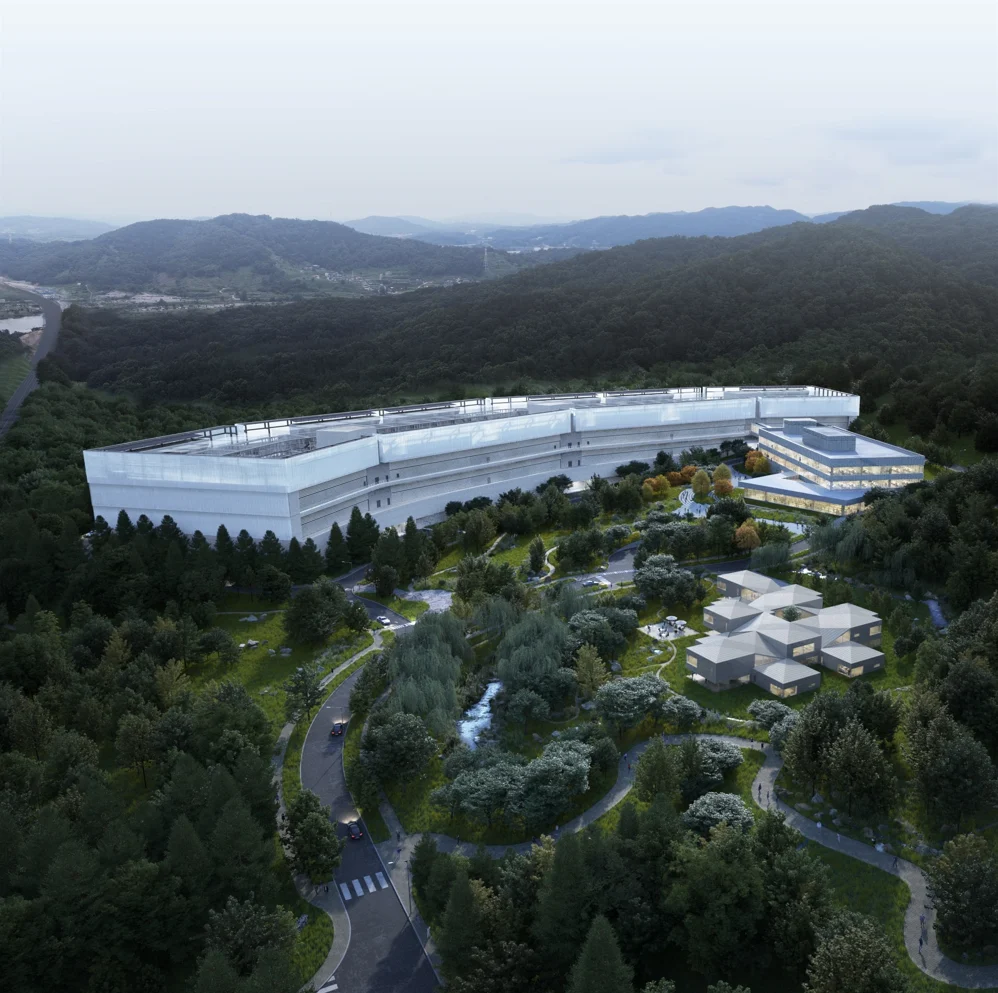
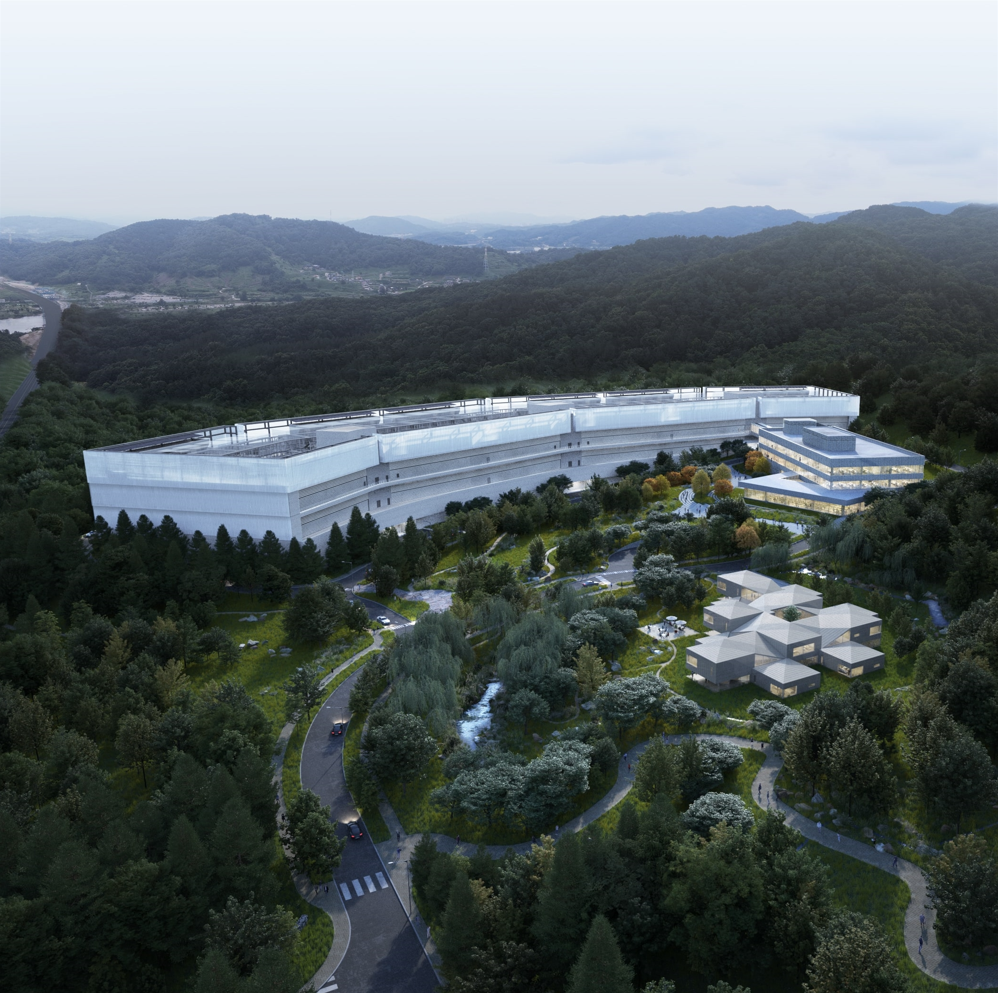
Jonathon Stockdale, Director at studioNWA, believes architects play a crucial role in shaping how critical infrastructure like data centers integrates into their surrounding context as they become more visible in urban landscapes. Data centers are inherently challenging to integrate due to their high security, technical complexity, and operational drivers. Their form is dictated by critical factors such as power, cooling, resilience, access control, logistics, fire strategy, plant replacement, and stringent performance requirements, making them fundamentally different from typically accessible commercial or civic developments.
However, Stockdale argues against treating them as anonymous industrial boxes. "As demand for digital infrastructure grows, and as data centers move closer to established urban areas, the way they meet the public realm becomes increasingly important." Their significant visual and physical presence demands a considered architectural approach to break down mass, create rhythm, improve legibility, and foster a sense of belonging within their environment.
He advocates for a balance between "technical honesty, planning sensitivity, and civic responsibility." A successful data center façade must respond to security, ventilation, and durability while also considering proportion and depth to enhance the experience of those passing by daily. Data centers can offer opportunities to contribute positively to their surroundings by supporting the renewal of underutilized industrial land, improving pedestrian routes, introducing landscaping, strengthening biodiversity, and creating better site edges that previously turned their back on the community. Ultimately, the challenge lies not in disguising what a data center is, but in designing it with care, intelligence, and context.
Broader Implications and Future Outlook
The Data Centre Congress highlighted a sector at a critical juncture. The rapid advancements in AI are not merely driving demand for more processing power but are fundamentally reshaping the requirements for data center design, power consumption, and cooling systems. The industry’s ability to innovate and adapt to these evolving demands will be paramount.
The growing emphasis on sustainability is no longer a secondary consideration but a core tenet of responsible development. The significant energy consumption and carbon footprint associated with data centers necessitate a concerted effort to embrace renewable energy sources, improve energy efficiency, and explore circular economy principles.
Furthermore, the talent shortage poses a significant long-term risk to the sector’s continued growth. Proactive investment in education, training, and career development is essential to ensure a pipeline of skilled professionals capable of meeting the industry’s increasingly complex needs. The collaborative spirit observed at the Data Centre Congress, where industry leaders, government representatives, and academic institutions engage in open dialogue, offers a promising pathway to address these multifaceted challenges and ensure the continued, responsible evolution of digital infrastructure. The sector’s trajectory, while ambitious, is firmly set on a path of innovation, sustainability, and strategic integration within the global built environment.