The global economy faces a profound challenge stemming from an often-overlooked aspect of workplace well-being: psychological safety. The World Health Organization (WHO) reports a staggering 12 billion workdays are lost annually due to the pervasive issues of depression and anxiety, translating into an approximate $1 trillion drain on the global economy each year. This monumental financial cost, however, represents only a fraction of the total impact. Beyond the spreadsheets, the absence of psychological safety corrodes the very fabric of an organization, stifling innovation, eroding trust, and ultimately halting growth. When employees do not feel secure enough to voice concerns, propose novel ideas, or acknowledge errors, the collective potential of the workforce remains untapped, leading to stagnation and a toxic environment.
This critical issue has propelled "psychological safety" from a niche academic concept into a strategic imperative for businesses worldwide. It is the bedrock upon which high-performing, resilient, and human-centric company cultures are built. This article delves into the profound meaning of psychological safety, dissects its undeniable business benefits, explores global approaches to its implementation, and outlines actionable strategies for fostering an environment where every individual feels empowered to contribute authentically.
Understanding Psychological Safety: More Than Just Being "Nice"
At its core, psychological safety describes a climate in which people feel safe to take interpersonal risks. Pioneered by Harvard Business School professor Amy Edmondson, it is defined as a shared belief held by members of a team that the team is safe for interpersonal risk-taking. This means employees can speak up, ask questions, admit mistakes, challenge the status quo, and share nascent ideas without fear of humiliation, punishment, or professional detriment. It is not about being universally agreeable or avoiding conflict; rather, it is about creating an environment where respectful disagreement and open discourse are encouraged, leading to better decision-making and problem-solving.
In a psychologically safe workplace, the inherent human fear of appearing ignorant, incompetent, negative, or disruptive is significantly reduced. This reduction in fear unlocks critical behaviors:
- Speaking Up: Employees are more likely to offer suggestions for improvement or flag potential issues.
- Learning from Mistakes: Errors are viewed as opportunities for collective learning rather than individual blame.
- Experimentation: Teams feel comfortable trying new approaches, even if they might fail.
- Seeking Help: Individuals are not ashamed to admit when they don’t know something or need assistance.
- Diverse Perspectives: All voices, including those from underrepresented groups, are heard and valued.
A compelling study linked to the Harvard T.H. Chan School of Public Health underscored this importance, revealing that workplaces with higher levels of psychological safety experienced significantly lower rates of job burnout among employees, even amidst periods of intense stress and resource constraints. This finding highlights psychological safety not as a luxury, but as a fundamental buffer against the demands of modern work, directly fueling performance, bolstering employee retention, and deepening organizational trust. The most successful organizations today recognize this truth and are actively integrating psychological safety into their operational DNA, leading to tangible competitive advantages.
The Historical Arc and Economic Ramifications
The concept of workplace safety traditionally focused on physical hazards, evolving from early industrial regulations to comprehensive occupational health and safety standards. However, the understanding that hazards extend beyond the physical realm began to gain traction in the late 20th and early 21st centuries. The rise of knowledge work, coupled with increasing awareness of mental health, set the stage for psychological safety to emerge as a distinct and critical dimension of workplace well-being.
The COVID-19 pandemic acted as a significant accelerant, thrusting mental health and the need for supportive work environments into the global spotlight. Remote work, increased uncertainty, and blurring lines between personal and professional lives amplified stress and anxiety, making the presence or absence of psychological safety acutely felt. Organizations that had already invested in these cultures navigated the crisis with greater resilience, while others struggled with unprecedented levels of burnout and attrition.
Economically, the cost of neglecting psychological safety is immense. Beyond the $1 trillion in lost productivity cited by the WHO, organizations incur costs from high employee turnover (replacing an employee can cost 50-200% of their annual salary), decreased innovation (missed market opportunities), and potential legal liabilities related to harassment or discrimination in unsafe environments. Conversely, companies with high psychological safety report up to 50% lower employee turnover, 76% higher engagement, and 29% higher innovation, according to various industry reports. Investing in psychological safety is not merely a moral obligation; it is a shrewd business strategy with substantial returns on investment.

Strategic Pillars for Cultivating Psychological Safety
Building a culture of psychological safety requires deliberate, consistent effort from leadership at all levels. It transcends superficial initiatives and demands a fundamental shift in how organizations operate and interact. Here are eleven proven strategies for HR leaders and managers to foster a workplace where individuals feel genuinely safe to contribute their best:
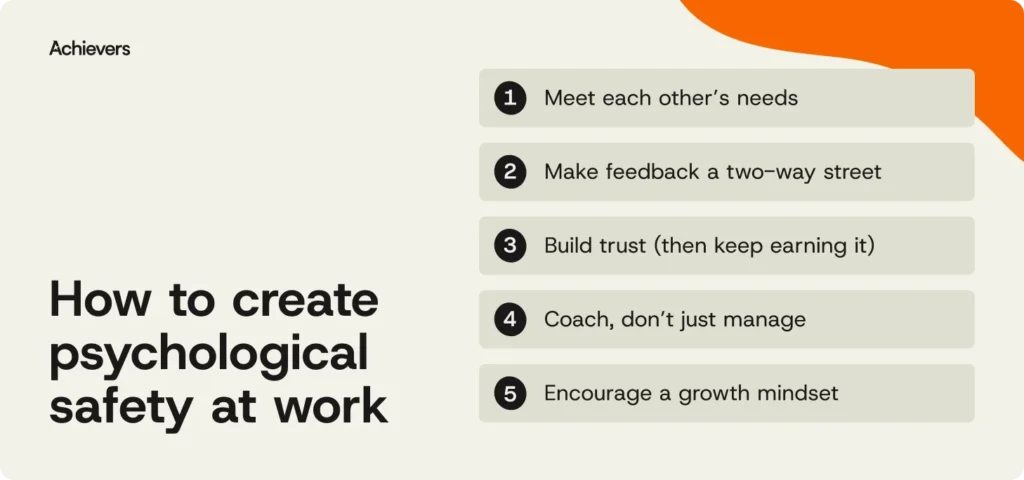
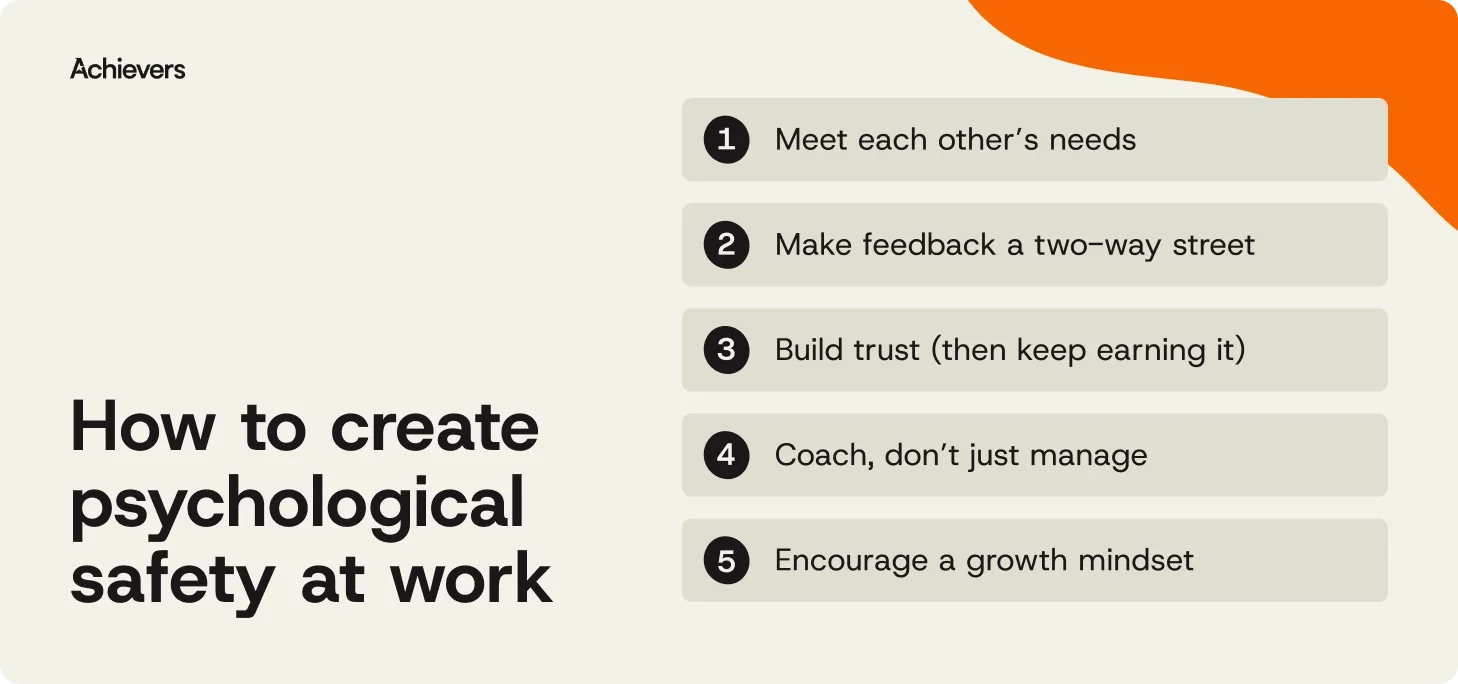
1. Prioritizing Individual Needs Through Proactive Engagement:
Effective leadership starts with understanding the diverse needs of the team, rather than making assumptions. Managers often inadvertently create barriers by imposing solutions without consulting those directly impacted. A continuous dialogue, where managers actively solicit input on communication preferences, meeting structures, feedback styles, and workload management, is crucial. This engagement demonstrates respect and a commitment to individual well-being, acknowledging that needs are dynamic and require ongoing assessment. Recognizing hard work, providing tailored growth opportunities, and ensuring every voice is heard are foundational elements that contribute to a secure and motivating environment. This approach moves beyond a one-size-fits-all mentality, embracing the unique requirements of each team member.
2. Establishing Robust Two-Way Feedback Mechanisms:
Feedback is a potent tool for growth, but its efficacy is contingent on it being a reciprocal process that leads to tangible action. When employees are invited to share their perspectives but witness no subsequent change, disengagement quickly sets in. Statistics reveal that a significant portion of employees (62%) desire to engage in challenging conversations at work but are hesitant due to a lack of psychological safety. Building trust in the feedback loop necessitates active listening, thoughtful responses, and, most importantly, collaborative solution-building. Implementing pulse surveys – brief, frequent questionnaires – can provide timely insights, circumventing recency bias and offering a comprehensive view of employee sentiment. When employees observe their input directly influencing organizational improvements, their willingness to share future insights increases exponentially, leading to measurable results and continuous organizational evolution.
3. Cultivating and Consistently Earning Trust:
Trust is the bedrock of high-performing teams, directly correlating with increased engagement, motivation, and reduced absenteeism. A notable disconnect exists: while 86% of executives claim to trust their teams, only 60% of employees reciprocate that sentiment. Bridging this gap requires more than good intentions; it demands consistent, transparent actions. Honesty, empathy, follow-through on commitments, and empowering employees with autonomy over their work are critical. Shifting from a top-down directive approach to one that genuinely empowers individuals fosters a sense of ownership and responsibility. When employees feel trusted, their performance and engagement naturally elevate, creating a virtuous cycle of mutual respect and productivity.
4. Transitioning from Management to Coaching:
The traditional management paradigm, often focused on direction and control, can inadvertently stifle psychological safety. A coaching approach, conversely, prioritizes building trust, enhancing confidence, and facilitating individual growth. This involves leaders showing up as active listeners, asking probing questions, and helping employees connect their daily tasks to their broader career aspirations. Encouraging leaders to adopt a mentorship mindset over micromanagement signals support and investment in employee development. When managers dedicate time to coaching, employees feel seen, understood, and are more likely to commit to the organization long-term, benefiting both the individual and the overall HR strategy.
5. Fostering a Culture of Growth and Learning:
A growth mindset, the belief that abilities can be developed through dedication and hard work, is crucial for psychological safety. It reframes challenges as opportunities for learning rather than potential career setbacks. When employees feel secure enough to disclose missteps or present unfinished work, they are more inclined to learn from experience, collaborate on solutions, and push creative boundaries. This is particularly salient given that 37% of departing employees cite a lack of growth opportunities as their primary reason for leaving. Organizations must intentionally cultivate an environment where experimentation is encouraged, not penalized, and where learning is celebrated with the same fervor as successful outcomes. This momentum fuels stronger teams, smarter decisions, and a significant reduction in employee turnover.
6. Actively Creating Space for Bold Ideas:
Innovation is rarely a solitary endeavor; it flourishes in environments where individuals feel safe enough to voice unconventional or even "out-there" ideas. To genuinely foster creativity, leaders must actively welcome fresh thinking, encourage respectful debate, and embrace the occasional wild proposal. This deliberate encouragement of bold thinking signals trust in employees’ intellectual capabilities and directly contributes to superior business outcomes. When employees are confident that their ideas will not lead to negative repercussions, they are significantly more likely to contribute groundbreaking solutions that can transform the organization.
7. Integrating Frequent and Meaningful Appreciation:
Consistent and authentic recognition is a powerful driver of morale, trust, and psychological safety. Research indicates that 53% of employees who receive regular praise from their manager report feeling safe, valued, and able to be their authentic selves at work. This underscores the necessity of embedding recognition into the daily workflow. Leveraging intuitive recognition platforms can facilitate real-time acknowledgment of achievements, big or small. Whether it’s a public shoutout for a major accomplishment or a quiet thank-you for diligent effort, frequent appreciation reinforces positive behaviors, strengthens interpersonal connections, and profoundly reminds employees that their contributions are genuinely valued and impactful.
8. Proactively Addressing and Neutralizing Negativity:
Unchecked negativity can swiftly erode workplace culture, productivity, and retention. Despite its pervasive impact, a recent study found that only 56% of people leaders felt adequately equipped to support an employee experiencing a mental health issue. Leaders must approach negative behaviors with curiosity rather than judgment, recognizing that such conduct often stems from deeper underlying issues like personal stress, communication breakdowns, or a feeling of being unheard. Tackling these root causes with empathy and decisive action demonstrates a profound care for both the individual and the collective team. Allowing negativity to fester through silence is a failure of leadership and actively undermines psychological safety.
9. Leading with Authentic Empathy:
Empathy, while frequently discussed, often lacks genuine implementation. A significant 52% of employees believe their company’s empathy efforts are insincere. True empathy involves actively listening to understand, not merely to formulate a response. Simple yet powerful actions like summarizing what has been heard, maintaining open body language, and demonstrating genuine interest go a long way in making others feel respected and heard. Furthermore, expressing gratitude reinforces the empathetic connection, as appreciation and empathy are inextricably linked. When empathy is genuinely present, trust blossoms, collaboration strengthens, and the overall enjoyment of working together dramatically increases.
10. Fostering Participative Decision-Making:
Psychological safety consistently ranks as a top workplace priority for employees, just behind compensation and flexibility, with 84% emphasizing its importance. This highlights a fundamental desire for inclusion rather than subjugation. Involving teams in decisions that directly affect them—soliciting input, collectively reviewing feedback, and maintaining transparency about the decision-making process—builds profound trust, boosts engagement, and fortifies team dynamics. This collaborative approach also mitigates the common "why wasn’t I told?" scenario. When employees feel heard and informed, their commitment to organizational goals deepens, and their engagement in collective efforts intensifies.
11. Empowering Managers as Frontline Culture Architects:
The successful cultivation of psychological safety hinges significantly on managers, yet only 27% feel adequately prepared to navigate difficult conversations. This represents a critical gap, especially considering that 89% of business leaders acknowledge the importance of psychological safety. The solution lies in equipping managers with comprehensive training and tools in effective communication, empathetic leadership, and conflict resolution. Providing access to pulse surveys and anonymous feedback mechanisms enables managers to proactively identify issues and respond with sensitivity and care. When managers are confident in leading challenging dialogues, teams feel secure in speaking up. When every idea, question, or concern is met with curiosity rather than judgment, trust is forged, and performance naturally elevates, leading to a virtuous cycle of better leadership, a more positive culture, and superior organizational outcomes.
Measuring and Sustaining Psychological Safety
The adage "you can’t fix what you don’t measure" holds true for psychological safety. However, measurement must be approached with sensitivity, focusing on human experience rather than purely quantitative metrics. Organizations can assess and monitor psychological safety through several key strategies:
- Dedicated Psychological Safety Surveys: Utilizing validated instruments, such as adaptations of Amy Edmondson’s psychological safety scale, can provide quantitative insights into employees’ perceptions of safety.
- Pulse and Engagement Surveys: Regular, anonymized surveys that include questions related to open communication, risk-taking, and comfort in admitting mistakes offer ongoing insights.
- Anonymous Feedback Channels: Suggestion boxes, digital platforms for anonymous feedback, and ombudsman services can provide a safe space for employees to voice concerns without fear.
- Focus Groups and One-on-One Interviews: Facilitated discussions, particularly when conducted by neutral third parties, can uncover deeper qualitative insights and specific areas for improvement.
- Exit Interviews: Analyzing themes from exit interviews can reveal if a lack of psychological safety contributed to employees’ decisions to leave.
- Observation of Team Dynamics: Leaders can observe meeting participation, the nature of conflict resolution, and the willingness of team members to challenge ideas constructively.
- Performance Metrics: While not direct measures, indicators like innovation rates, error reporting frequency (an increase can indicate safety to report), employee retention, and absenteeism can indirectly reflect the state of psychological safety.
Crucially, the act of measuring must be followed by transparent communication of results and visible actions taken in response. When in doubt, the guiding principle should be to listen more, judge less, and maintain an open door—and an open mind.
Broader Impact and the Future of Work
The commitment to psychological safety extends beyond individual organizations, carrying significant implications for national economies and societal well-being. Governments and regulatory bodies are increasingly recognizing mental health as a critical component of occupational health and safety. Countries like the UK, Canada, and Australia have begun to integrate mental well-being frameworks into their workplace safety guidelines, signaling a broader shift towards holistic employee protection. This trend is likely to accelerate, making psychological safety a compliance issue in addition to a competitive advantage.
Ultimately, the best workplaces transcend mere compliance; they embody psychological safety as an intrinsic part of their culture. When employees feel secure, valued, and heard, they are not only more engaged and productive but also more likely to remain with the organization, fostering stability and institutional knowledge. Creating such an environment is not accidental; it is the product of sustained effort, consistent feedback loops, daily recognition, and the strategic deployment of tools that facilitate these vital interactions, such as comprehensive employee experience platforms.
The future of work demands workplaces where individuals thrive, innovate, and connect authentically. Prioritizing psychological safety is not just about mitigating risk; it’s about unlocking human potential and building organizations that are resilient, adaptable, and genuinely great places to work. The call to action is clear: organizations must commit to making psychological safety a non-negotiable cornerstone of their operational strategy.