The artificial intelligence industry is experiencing a period of intense scrutiny and anticipation, particularly with the ongoing discussions surrounding potential public offerings from AI powerhouses OpenAI and Anthropic. The competitive dynamic between these two companies, often highlighted by their respective leadership, is a central narrative in today’s rapidly evolving AI sector. As details emerge regarding their potential market debuts, the question of how these giants will vie for dominance becomes increasingly pressing. While the enterprise AI market is already a crowded arena featuring established players like Google, Amazon, Nvidia, and Oracle, alongside the aforementioned AI labs, a compelling argument can be made that Microsoft is emerging as the most significant beneficiary of this technological revolution. This analysis will delve into the intricate dynamics of the enterprise AI market to illuminate this thesis.
The enterprise market for artificial intelligence can be broadly segmented into three critical pillars: the foundational models themselves, the application layer or "surface" that users interact with, and the overarching ecosystem that supports and integrates these components.

The Foundation: Evolving AI Models and Specialized Applications
The first pillar centers on the AI models themselves and the crucial challenge of aligning them with specific application needs. The current landscape suggests a departure from the notion of a singular, all-encompassing AI model. Instead, businesses are increasingly recognizing the need for specialized models optimized for distinct tasks. For instance, coding and analytical applications might leverage Anthropic’s Claude, while OpenAI’s models could be favored for narrative and document generation. Google’s Gemini may find its niche in data analysis and scientific research, and Grok could be positioned for robotics and motion control applications. The precise role of models like Nvidia’s world model remains an area of active development.
This product-market fit is still in its nascent stages. AI research laboratories are continuously refining their algorithms and training data to cater to a diverse range of enterprise demands. It is now evident that a one-size-fits-all approach to AI models is not viable. Model training extends far beyond mere computational power; it crucially involves the meticulous collection, labeling, and refinement of data. A model not optimized for a specific domain, such as protein folding or advanced genetics for a pharmaceutical company, will fall short of expectations. Businesses seeking domain-specific intelligence require platforms rigorously trained in those particular fields.
Anthropic has recently set a notable pace in code generation, a fundamental capability underpinning many AI-driven tasks. However, the strategic focus of major AI players remains a subject of keen interest. Will OpenAI commit significant resources to healthcare-specific AI? Will Google pivot towards biological applications? Which models will emerge as leaders in optimizing for the physical world, powering applications in robotics, manufacturing, and transportation? Nvidia and potentially Grok are contenders in this space.
Ultimately, business buyers will likely require a portfolio of AI models, rather than a single solution. Claims of an AI that can "do everything" are therefore met with skepticism in the enterprise context. As seen with specialized platforms like AI Galileo, which has achieved remarkable intelligence by focusing exclusively on HR, labor market dynamics, and skills management, deep specialization can yield significant advantages. This focused approach allows the AI to serve as a sophisticated consultant for human capital challenges, demonstrating the power of domain-specific AI.
The Surface: Crafting the User Experience and AI Harness
The second critical pillar is the "surface," or the application experience surrounding the AI. This encompasses the user interface, development tools, integration capabilities, and overall ease of use. These are not merely models; they are sophisticated applications designed to make AI accessible and functional. Factors such as the AI’s memory capacity, personalization features, user experience, and its ability to seamlessly interact with external data and systems are paramount. This layer of software surrounding the AI model is often referred to as the "AI Harness."
In today’s technology landscape, user experience holds unprecedented importance. The hypothetical scenario of a billion people adopting a highly intelligent and user-friendly Siri underscores this point. The underlying model is only one component of the overall user experience. Microsoft’s historical dominance in the PC market, for instance, was not solely due to its operating system but also its relentless focus on the application experience of productivity suites like Excel, PowerPoint, and Outlook. Despite earlier market entries by competitors like Lotus 1-2-3, Microsoft’s "fit and finish" ultimately prevailed, evidenced by its 450 million paying users.
Similarly, for business developers and IT professionals, the seamless integration of AI into existing workflows is a critical consideration. This requires more than just a powerful model; it necessitates robust tools for data integration, workflow automation, and application development. The ability of an AI solution to connect with enterprise resource planning (ERP) systems like SAP and Oracle, human capital management (HCM) platforms like Workday, customer relationship management (CRM) systems like Salesforce, and financial software like QuickBooks is essential for a complete and effective solution.
The failure of early AI integrations, such as the author’s experience with Claude’s integration with HubSpot, highlights the challenges associated with the "surface" layer. Despite promotional efforts, the integration struggled to retrieve basic client data, timing out and failing to complete the request. This malfunction was attributed to a poor "context layer," rather than a deficiency in the underlying model itself. This underscores the fact that OpenAI and Anthropic, while developing advanced models, will likely depend on third-party vendors such as ServiceNow, Microsoft, or Accenture to build robust and functional "surfaces" or "harnesses." A subpar integration by a third party can negatively impact the perception and adoption of the core AI platform.
The Ecosystem: Building a Network of Support and Innovation
The third pillar is the ecosystem. For businesses, an AI platform must offer a comprehensive suite of applications, integrations, tools, and third-party support. As demonstrated by the development of AI Galileo, customer demand for connectivity to existing systems is a constant. Businesses require AI solutions that can integrate with their policy databases, leadership models, and compliance training, among other internal systems. This necessity drives the development of solutions that extend beyond the core platform.
In the competitive enterprise space, where significant AI profits are anticipated, vendors need to cultivate thriving ecosystems of partners who can generate revenue by building upon their platforms. Human resources and IT leaders consistently express a dual need: readily available, packaged AI tools for immediate employee use, and, more importantly, a robust platform for developing, acquiring, and managing "agentic" applications. These agentic applications are intended to complement and eventually replace existing enterprise systems, estimated to be worth trillions of dollars. A crucial aspect of this demand is the desire to avoid vendor lock-in in a nascent and rapidly innovating market.
Therefore, in this evolving era, the focus shifts from the AI "engine" to the AI "surface." The term "AI surfaces" is increasingly used to denote the application experience, distinguishing it from the underlying large language model (LLM). The combination of the surface and the model determines the overall experience. For corporate applications, the surface encompasses the tools, speed, user experience, historical data availability, and the effectiveness of the semantic connectivity layer. A well-connected AI should provide valuable insights from integrated systems, not merely random data points.
Microsoft’s Strategic Ascendancy in the AI Race
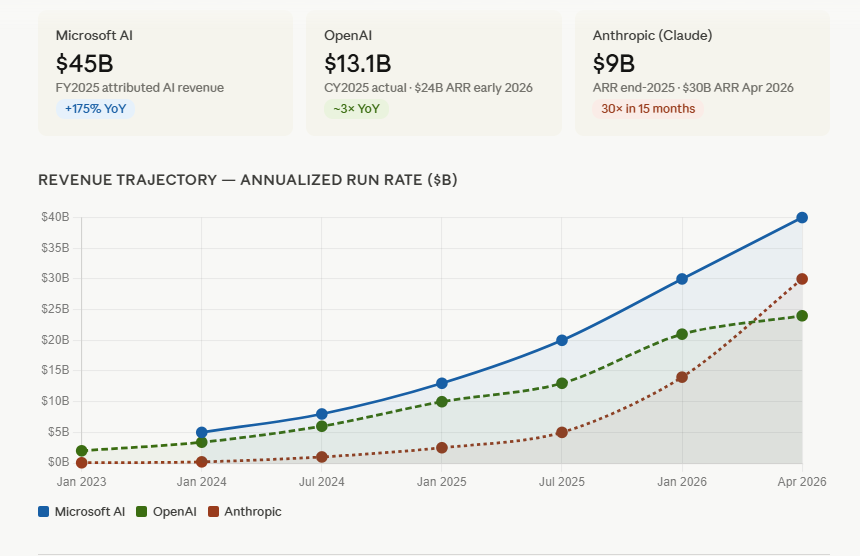
The prevailing narrative often centers on the direct competition between OpenAI and Anthropic. However, a closer examination of revenue generation and market penetration reveals a different dynamic, suggesting Microsoft is strategically positioned to capture significant market share. While both OpenAI and Anthropic are reportedly targeting substantial revenue figures, the primary sources of their current income differ. Reports indicate that approximately 70% of OpenAI’s revenue stems from consumer subscriptions, while a similar proportion of Anthropic’s revenue is derived from selling AI compute power to other providers.
Hypothetically, OpenAI’s projected $30 billion in revenue could be achieved through a substantial consumer base. If an estimated 500-600 million users each pay $20 per month, this figure is plausible. For Anthropic, a $30 billion revenue projection might involve securing around 300-500 large enterprise clients, each generating approximately $500 million in revenue.
The crucial question then becomes: who is generating revenue from the "surface" layer, the crucial interface for enterprise adoption? Current data points strongly towards Microsoft.
The Power of Copilot: An Evolving AI Surface
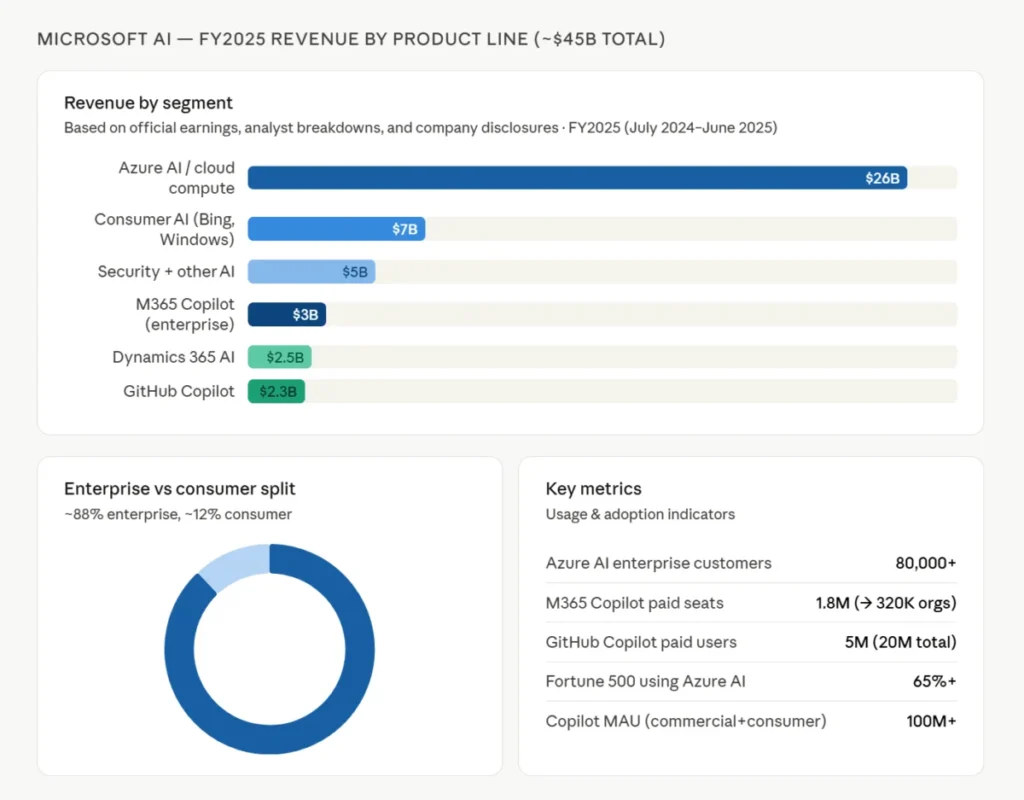
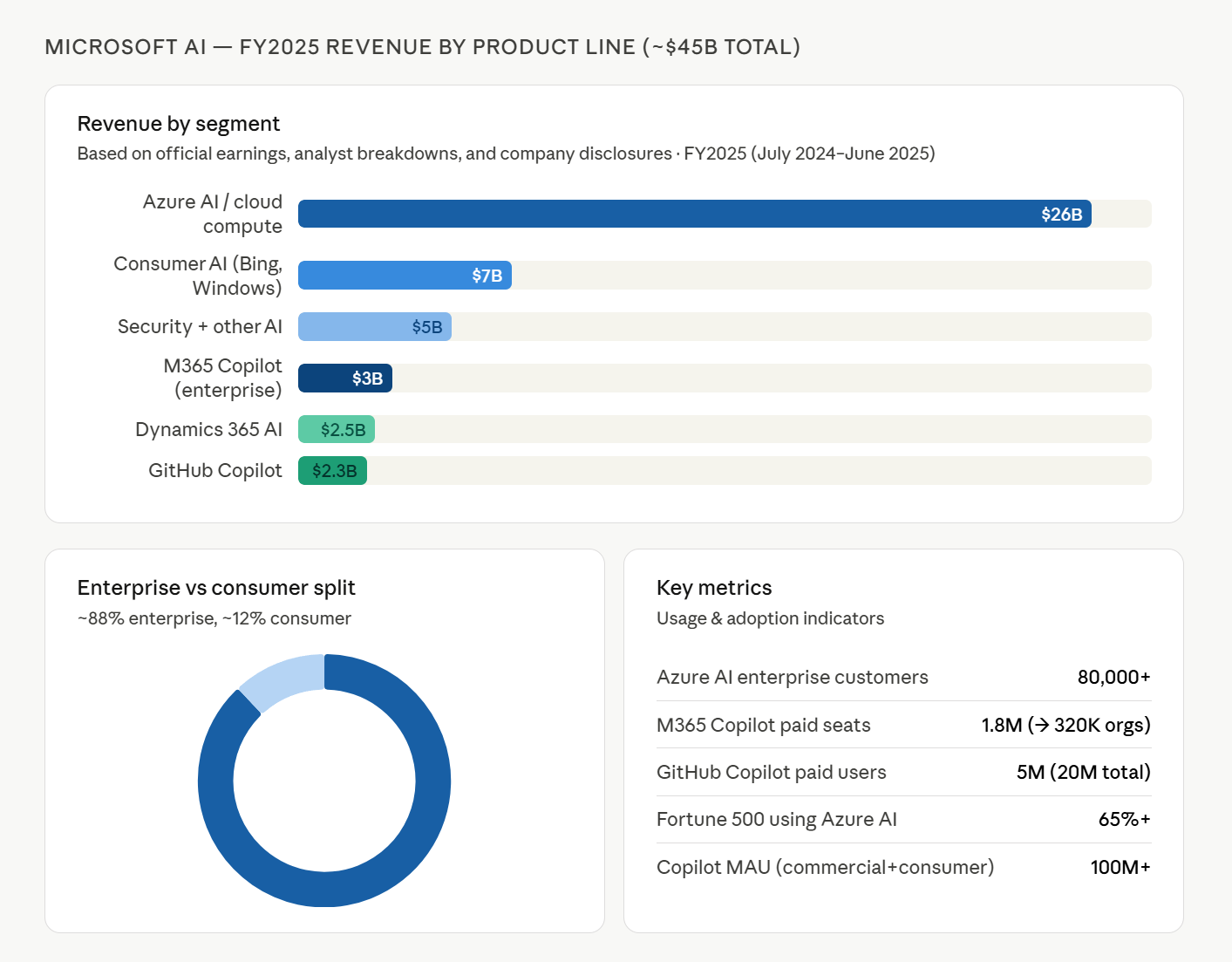
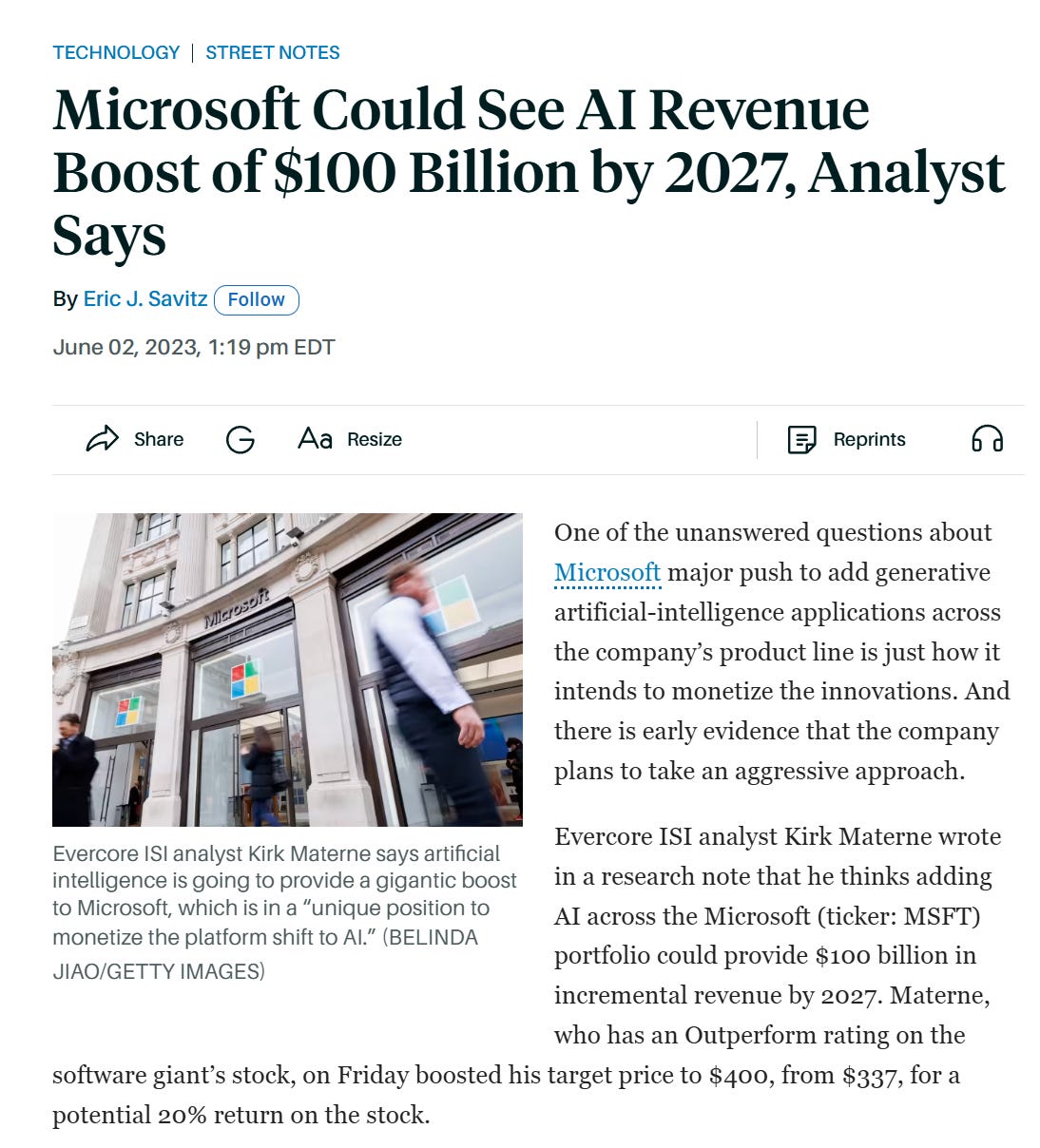
Microsoft’s strategy with Copilot has been instrumental in its ascent. The company claims over 15 million licensed users of Copilot, generating an estimated $4.5-5 billion in annual revenue, assuming an average price of $25 per month. When factoring in fees for Azure API services, Microsoft’s AI revenue, which is growing at a remarkable 39%, could exceed $25 billion. Projections from Microsoft itself suggest over $100 billion in new AI revenue within the next three years, with some analysts predicting even faster growth.
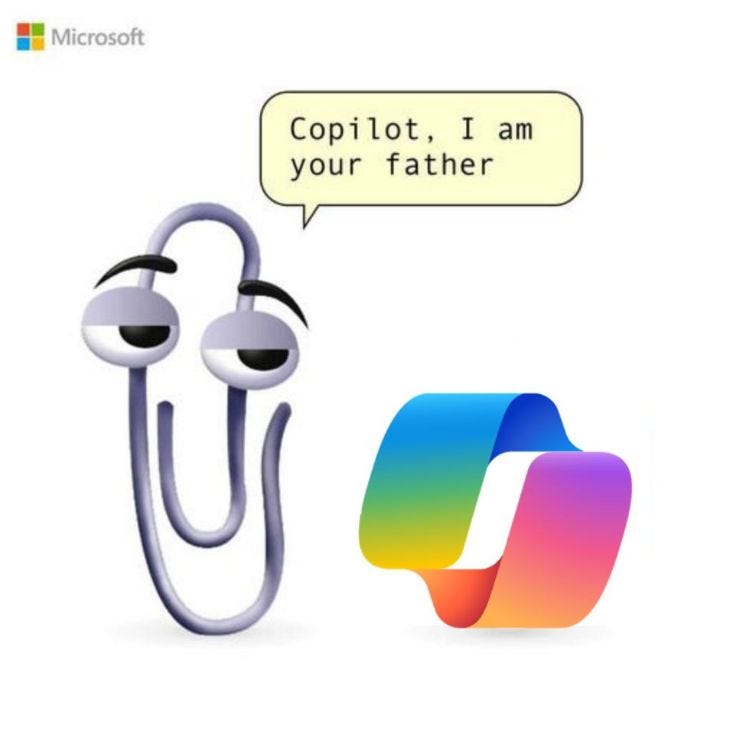
The evolution of Microsoft Copilot is key to understanding its competitive advantage. Initially conceived as a licensing of ChatGPT for Bing, Copilot quickly transformed into a broader vision, initially resembling an enhanced version of the familiar "Clippy" assistant. However, Microsoft’s product teams rapidly developed numerous "surfaces" built upon ChatGPT, integrating Copilot into M365 applications, Dynamics, Excel, GitHub, and other core products. The launch of Copilot Studio, Agent 365, and Work IQ further expanded its capabilities. Simultaneously, the company bolstered its infrastructure with M365 Graph Connectors for data integration, fine-tuning capabilities, and IT management tools. This rapid product development, while impressive, initially appeared somewhat disjointed.
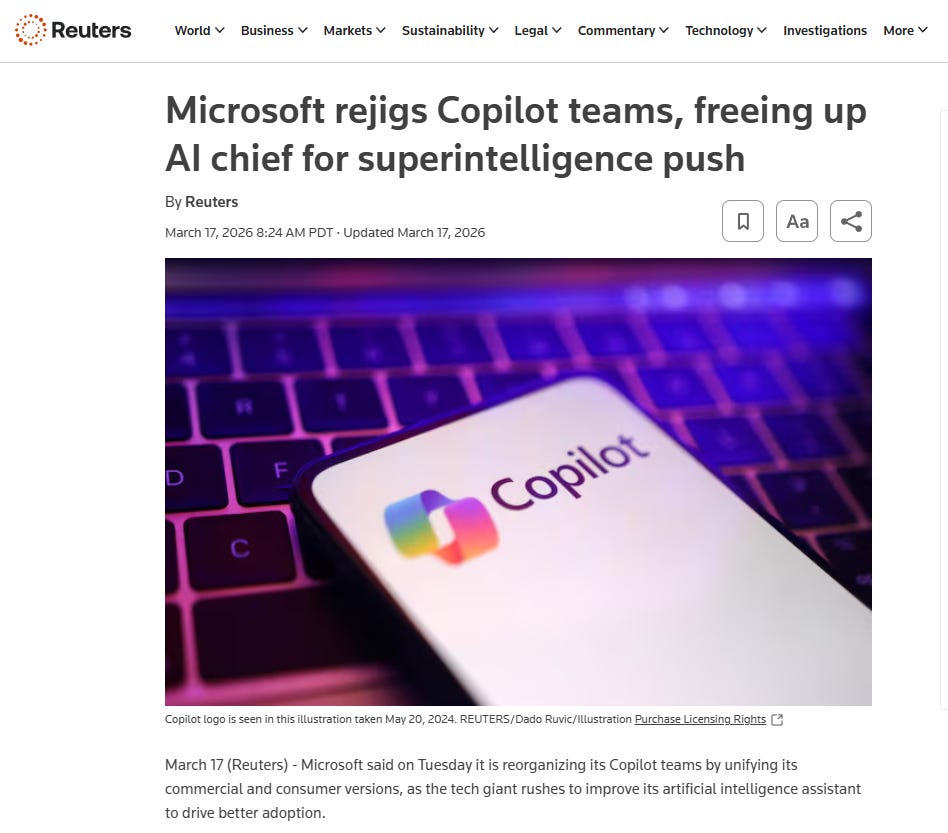
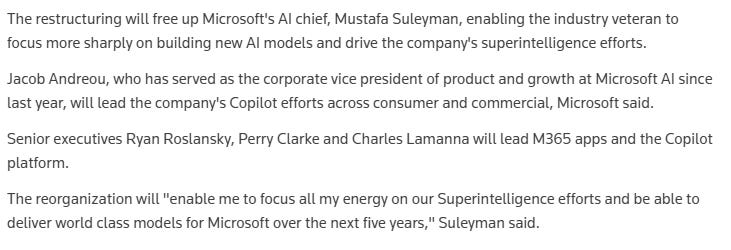
Recognizing the potential for customer confusion, Microsoft CEO Satya Nadella recently reorganized the Copilot product teams into a unified organization. This strategic move, led by industry veterans like Jacob Andreou (ex-Snap), aims to streamline development and enhance user experience. The leadership team now includes Ryan Roslansky (LinkedIn), Perry Clarke (Copilot Core), and Charles Lamanna (Agents and Apps), who are tasked with aligning these teams and focusing on overall agent enablement and corporate user value, rather than isolated app functionality. This consolidation allows Microsoft to operate with a more integrated strategy, akin to Nvidia’s approach of aligning engineering layers around a single vision.
This strategic realignment effectively:
- Unifies the AI Experience: Moving from disparate "Copilots" to a singular, integrated platform simplifies the user journey and IT management.
- Leverages Existing Ecosystem: Copilot can now more seamlessly integrate with Microsoft’s vast suite of enterprise products and services.
- Opens Up to Third-Party Innovation: By establishing a robust platform, Microsoft encourages partners to build complementary solutions, further enriching the ecosystem.
- Focuses on Enterprise Needs: The reorganized structure prioritizes the development of agentic capabilities and business-specific applications.
The Advantages of Microsoft’s Integrated Approach
Microsoft’s strategic positioning in the enterprise AI market is built on several key advantages:
- Integrated Enterprise Toolset: The corporate market demands an integrated solution that combines desktop applications, development tools, IT management capabilities for AI agents, and seamless connectivity to legacy systems. While competitors like ServiceNow and Okta play in this space, Microsoft’s comprehensive approach, bolstered by its WorkIQ strategy and the expansive Agent365 and Copilot Studio initiatives, provides a significant advantage.
- Developer Ecosystem Enablement: The vast application development world is poised for a more integrated set of tools. ERP, financial, productivity, and analytics vendors are increasingly looking to integrate their offerings with "Copilot-land" through APIs. While navigating the various integration points (Teams, Graph, WorkIQ, Fabric) can be complex, the path forward is becoming clearer.
- Familiar User Interface and Desktop Integration: End-users, IT departments, and PC buyers can readily envision how these AI applications will coalesce within the familiar Microsoft desktop environment. The ongoing refinement of the Copilot user experience, with a focus on intuitive design, is expected to further accelerate adoption.
- Accelerated Partner Network Growth: With the release of WorkIQ APIs, corporate cloud vendors, who are concerned about displacement by AI agents, are actively seeking opportunities to integrate with the Microsoft ecosystem. This expansive partner network will drive further innovation and adoption.
Microsoft’s Value-Add: Beyond the Core Model
Microsoft’s contribution extends beyond merely integrating existing AI models. Its platform offers significant value-add through several key features:
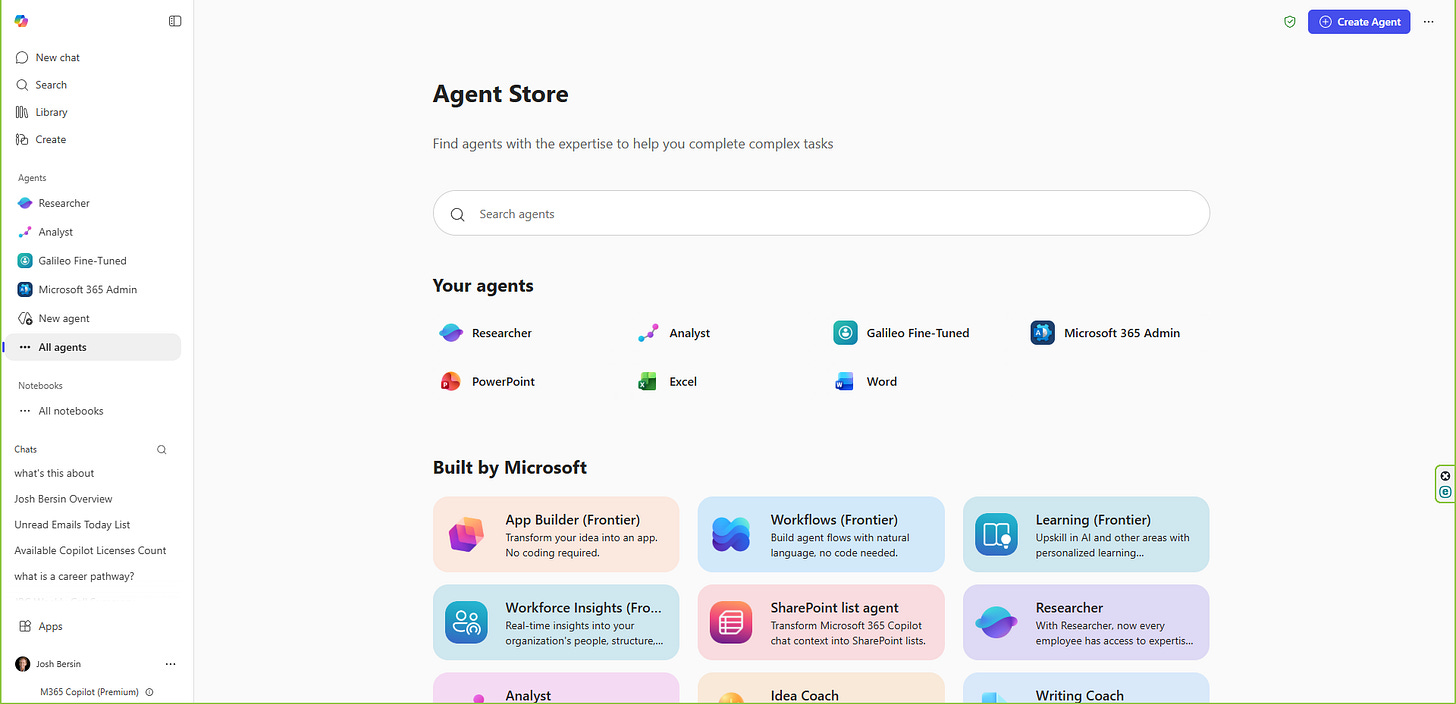
- Deep Research Capabilities: Features like the "Researcher" button, which leverages the Microsoft Graph, enable in-depth analysis of calendar data and other organizational information. This provides personalized advice, council, and contextual assistance, becoming increasingly valuable as it integrates memory and broader context.
- Intelligent Routing and Optimization: New Microsoft Agents are designed to compare queries across different AI models, helping users optimize for cost and performance. Over time, these agents will be capable of decomposing complex AI tasks and distributing them among specialized agents.
- Agentic Interface for Core Applications: The new Copilot allows for interactive engagement with complex documents, enabling users to ask questions, modify tables, run reports, and create graphs directly within applications like Word, Excel, and PowerPoint. This extends the "in-app" Copilot experience across the entire Microsoft suite.
- Intelligent Context Layer in WorkIQ: The upcoming WorkIQ API will empower companies to import and build custom "context" into Copilot, transforming it into a truly agentic solution for HR, finance, sales, and other business functions. This layer allows for the intelligent utilization of corporate data and business rules within the AI framework.
As explored in recent analyses and podcasts, this development of semantic layers and agentic capabilities opens the door for deep integration with corporate applications. Companies can now leverage these APIs to build extensive plugins that intelligently interact with and "agentify" their existing business processes within the Copilot framework. For instance, AI Galileo is now integrated via the Graph connector and as a fine-tuned model, providing employees with access to comprehensive leadership, management, and HR insights. This expanded API functionality enhances Galileo’s utility as a world-class management and HR advisor.
In conclusion, while the public perception of the AI race is often focused on the direct competition between OpenAI and Anthropic, Microsoft’s strategic approach to building an integrated "surface" and ecosystem around foundational AI models positions it as a formidable contender. By leveraging its existing enterprise relationships, robust developer tools, and a rapidly evolving Copilot platform, Microsoft is well-equipped to capture significant market share and redefine the enterprise AI landscape. The focus on user experience, seamless integration, and a thriving partner ecosystem, rather than solely on the underlying models, appears to be the winning strategy in the complex world of enterprise artificial intelligence.