Today’s corporate gifting trends have evolved dramatically, moving beyond the traditional box of chocolates and a generic thank-you card. In 2026, corporate gifting has transformed into a sophisticated strategy designed to foster meaningful employee connections, reinforce company culture, and cultivate deep-seated loyalty among both employees and clients. This shift signifies a move from purely transactional gestures to experiential offerings, emphasizing the creation of memorable moments that resonate long after the gift is received. When executed thoughtfully, corporate gifting serves as a powerful reflection of a company’s core values and acts as a catalyst for enhanced engagement and improved performance. Research from the 2026 Engagement and Retention Report by Achievers underscores this transformation, revealing that 34% of surveyed employees reported an increase in their productivity when provided with access to an effective rewards marketplace. This data highlights that while the intrinsic pleasure of receiving a gift remains, its modern application now delivers tangible, measurable results.
Why Corporate Gifting Matters in 2026: A Strategic Imperative
In the contemporary business landscape of 2026, corporate gifting has transcended its rudimentary origins as mere branded merchandise. It has emerged as a strategic lever for driving employee engagement, fostering retention, and solidifying organizational culture. The underlying principle is rooted in behavioral science, specifically the power of recognition. When employees feel genuinely seen and appreciated, their commitment to the organization deepens, leading to increased performance, advocacy, and a reduced likelihood of seeking opportunities elsewhere. Thoughtful gifting amplifies these moments of recognition, transforming simple expressions of gratitude into tangible, memorable experiences that cultivate a profound sense of belonging. In an era where "quiet quitting" has become a prevalent concern, a well-timed and relevant gift can communicate value and appreciation far more effectively than words alone.
Beyond internal stakeholders, corporate gifting also plays a crucial role in nurturing client relationships. The widespread adoption of hybrid work models has elevated trust to a new level of currency in business interactions. Gifting helps to bridge the physical distances inherent in remote and hybrid environments, creating personalized touchpoints that strengthen professional bonds beyond virtual meetings. The relevance of a gift signals a deeper understanding and appreciation of the client’s needs and preferences, communicating a powerful message: "We value you." This proactive approach to relationship building can foster loyalty more effectively than traditional business reviews or sales pitches.
Furthermore, a company’s gifting strategy is increasingly becoming an integral part of its brand positioning. In 2026, the narrative woven by corporate gifts must authentically reflect the organization’s values and brand identity. The selection of inclusive, locally relevant, and ethically sourced gifts demonstrates a commitment to people over superficial optics. When a company’s gifting strategy is seamlessly integrated with its broader recognition culture, these gestures move beyond mere promotional items to become powerful statements of purpose and care.
Emerging Corporate Gifting Trends for 2026
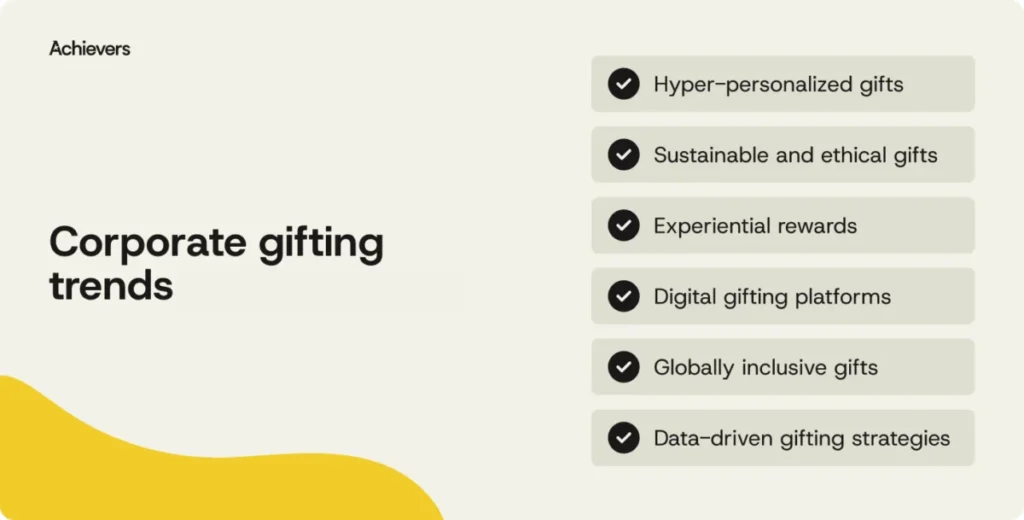
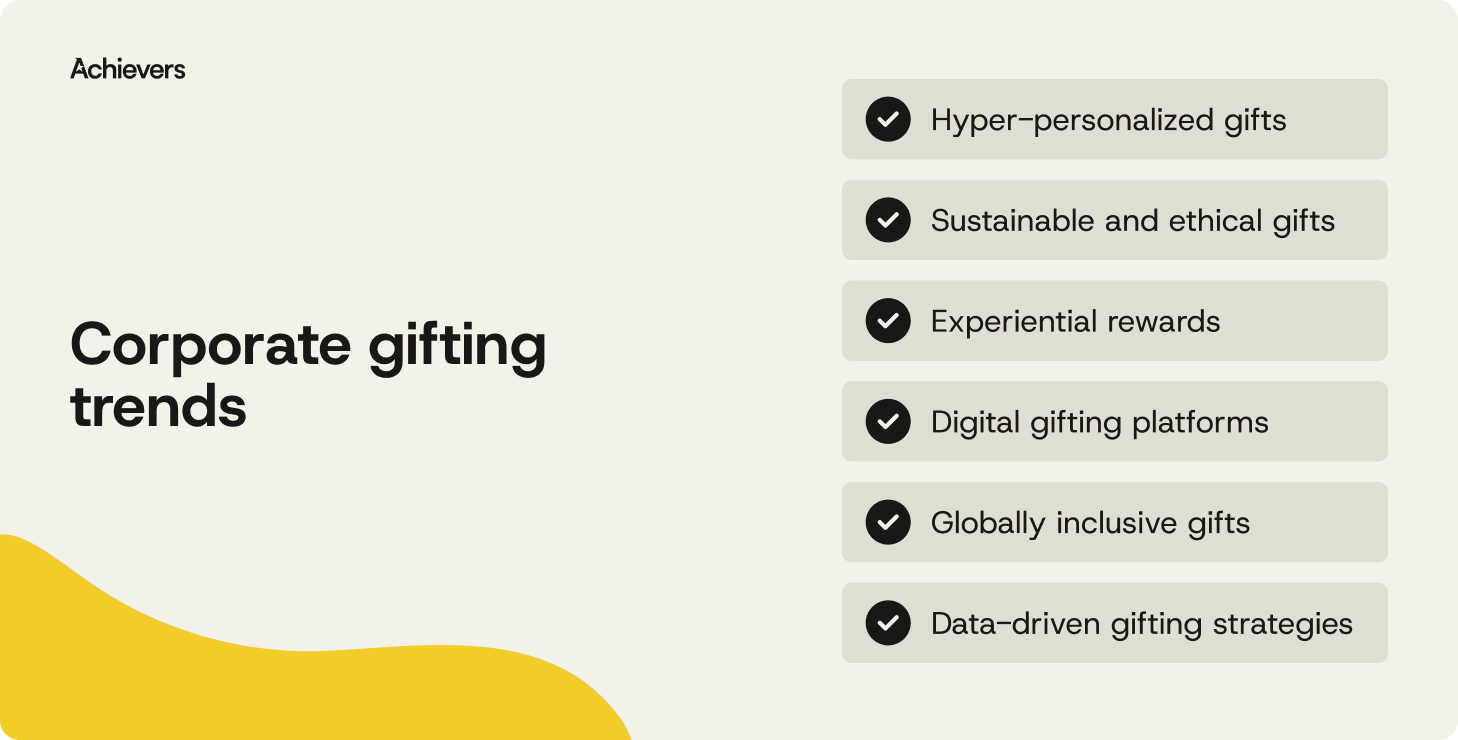
The landscape of corporate gifting in 2026 is characterized by a focus on creating meaningful experiences rather than distributing generic items. Key trends include:
Hyper-Personalization: AI-Driven Insights for Tailored Gifts
The modern workforce expects gifts that feel uniquely personal, not perfunctory. Artificial intelligence is now playing a pivotal role in analyzing individual employee preferences, past behaviors, and even cultural nuances. This data-driven approach ensures that expressions of gratitude are not merely copy-paste exercises but are carefully curated to resonate with each recipient, making the "thank you" feel genuinely earned and appreciated.
Sustainable and Ethical Gifting: Eco-Friendly, Locally Sourced, and Socially Responsible Options
Organizations are increasingly prioritizing gifts that align with their corporate social responsibility initiatives and ethical commitments. This includes a strong preference for locally sourced goods, fair-trade products, and experiences that minimize environmental impact. The growing awareness of climate change and ethical consumption means that "we care" is best demonstrated through actions that reflect a commitment to planetary and social well-being, such as avoiding gifts with significant carbon footprints.
Experiential Rewards: Travel, Wellness, and Virtual Experiences Over Physical Items
The emphasis has shifted from tangible goods to memorable experiences. This includes offerings such as wellness retreats, immersive travel opportunities, and engaging virtual classes. Experiential rewards often leave a more profound and lasting impact than physical items, as they create lasting memories and personal growth opportunities. The adage that "no one ever tried to re-gift a weekend in Bali" highlights the enduring appeal of unique experiences.
Digital Gifting Platforms: Seamless Integrations with HR Tech and Recognition Tools
The integration of digital gifting platforms with existing HR technology and employee recognition programs is streamlining the gifting process. These platforms facilitate seamless delivery of gifts, often within the flow of daily work, making appreciation a more consistent and integrated part of the employee experience. The efficiency offered by these automated systems is crucial for businesses operating in the fast-paced environment of 2026.

Global Inclusivity: Gifts That Resonate Across Cultures and Geographies
As workforces become increasingly globalized, it is essential that gifting programs are culturally sensitive and inclusive. The most effective strategies offer a diverse range of localized choices that respect varying cultural norms and personal preferences. A gift that is highly appreciated in one region may not be suitable or even understood in another, making a flexible and globally-aware approach paramount.
Data-Driven Gifting Strategies: Using Analytics to Measure ROI and Impact
Organizations are leveraging data analytics to gain insights into gifting program performance. By tracking redemption trends, engagement spikes, and overall return on investment (ROI), companies can continuously refine their strategies to ensure maximum impact and effectiveness. This data-informed approach allows for optimization of gift selection, delivery methods, and budget allocation.
Building a Strategic Corporate Gifting Program
A robust corporate gifting strategy is built upon the foundation of creating meaningful moments that reinforce relationships and cultivate a positive organizational culture. Key steps to implementing such a strategy include:
- Align Gifts with Company Values: Ensure that the gifts chosen reflect and reinforce the company’s core values, whether they relate to sustainability, innovation, employee well-being, or community engagement.
- Prioritize Employee Choice: Empower employees by offering a range of options, allowing them to select gifts that best suit their individual preferences and needs. This personalization significantly increases the perceived value and impact of the reward.
- Automate the Gifting Experience: Leverage technology to automate the gifting process, from selection and approval to delivery and tracking. This streamlines operations, ensures consistency, and frees up HR teams to focus on strategic engagement initiatives.
- Measure Impact Beyond Redemption Rates: Move beyond simple redemption metrics to assess the broader impact of gifting on employee engagement, recognition participation, sense of belonging, and overall retention.
Best Corporate Gifting Ideas for Motivating Employees
Effective corporate gifting ideas not only express appreciation but also serve as powerful motivators. When rewards are flexible, personal, and tied to meaningful moments, their impact is amplified.
Points-Based Rewards with Flexible Redemption
A popular and highly effective approach involves awarding employees points that can be redeemed for a wide array of items and experiences. This allows individuals to choose what matters most to them, whether it’s the latest technology, travel opportunities, contributions to charitable causes, or everyday essentials. This model offers scalability, supports global teams with localized options, and maintains personalization without adding administrative complexity.
Experiential Rewards That Create Memories
Experiences often hold greater long-term value than physical possessions. Offering rewards such as wellness activities, local adventures, or professional development workshops creates lasting emotional impact and provides employees with engaging stories to share, reinforcing the positive association with their employer.
Non-Monetary Rewards That Support Growth and Wellbeing
Investing in an employee’s future and well-being through non-monetary rewards can be profoundly impactful. This includes offering additional paid time off, access to professional development programs, or personalized coaching. Such rewards signal a company’s commitment to an employee’s long-term growth and overall quality of life, fostering a deeper sense of trust and care.
Milestone and Moment-Based Gifts That Celebrate Every Occasion
Consistent and personalized gifting tied to significant milestones is crucial. This includes celebrating work anniversaries, birthdays, promotions, onboarding achievements, and even significant personal life events. Pairing these moments with personalized celebration cards, peer-to-peer recognition messages, and flexible reward options like points or commemorative keepsakes ensures that employees feel valued and acknowledged throughout their tenure.
The Tangible ROI of Corporate Gifting
The question of whether beautifully presented corporate gifts translate into measurable business outcomes is answered affirmatively by data. Corporate gifting, when strategically implemented, delivers a clear return on investment across several key areas.
The "big three" metrics to focus on are employee engagement, retention, and client feedback. A rising trend in employee engagement, coupled with stable or increasing retention rates, strongly indicates that a gifting strategy is effectively driving connection and loyalty. Beyond mere participation, thoughtful gifts significantly boost the frequency of recognition and reinforce a pervasive culture of appreciation. When employees feel genuinely valued, they are more inclined to recognize their peers, creating a positive ripple effect that strengthens the company culture from within.
According to the Achievers Workforce Institute’s 2026 Engagement and Retention Report, effective rewards programs, which encompass gifting, can deliver substantial benefits:
- A 2.5x increase in employee engagement: Employees who feel recognized are significantly more engaged.
- A 2.1x increase in employee retention: Feeling valued is a primary driver for employees to remain with an organization.
- A 4.1x increase in employee advocacy: Engaged and appreciated employees are more likely to become brand ambassadors.
Furthermore, the report indicates that 75% of employees state that the removal of rewards would negatively impact their decision to stay with a company. This underscores the critical role of rewards, including thoughtful gifting, as cultural signals that convey a powerful message: "You matter."
Implementing a Successful Corporate Gifting Strategy
To effectively implement a corporate gifting strategy that drives meaningful impact, organizations should consider the following steps:
- Connect Gifts to Recognition Moments: Integrate gifting into existing recognition frameworks. Instead of isolated gestures, tie gifts to significant moments like onboarding, work anniversaries, promotions, personal milestones, and company-wide appreciation events. This contextualization enhances the gift’s meaning and memorability.
- Empower Employee Choice: Offer a curated selection of rewards, including gift cards, merchandise, and experiences. This inclusivity ensures that employees can choose what resonates most with them, thereby increasing satisfaction and perceived value.
- Automate for Scalability and Efficiency: Implement automated gifting solutions to manage recipient lists, approvals, fulfillment, and communication. Automation not only ensures a consistent employee experience but also allows HR and Total Rewards teams to focus on strategic engagement rather than logistical burdens.
- Measure Impact Holistically: Go beyond redemption rates to analyze the broader impact on engagement, recognition participation, sense of belonging, retention, and overall program adoption. This comprehensive view provides a more accurate assessment of the strategy’s effectiveness.
Enhancing Corporate Gifting Practices for Maximum Impact
To continually improve corporate gifting initiatives, organizations can focus on several key areas:
Personalize Gifts Without Creating Extra Work
Leverage technology to offer personalized gift options based on employee interests, location, or life stage. Curated gift collections allow for a personalized experience without increasing administrative overhead, ensuring that even automated programs feel uniquely tailored.
Prioritize Choice Over One-Size-Fits-All Rewards
Recognize that employee preferences vary widely. Offering a diverse range of choices, such as gift cards, merchandise, experiences, or charitable donations, significantly increases the likelihood that employees will find value in the reward they receive, leading to greater satisfaction.
Align Gifts with Company Values
Authenticity is key. Ensure that gift selections align with and visibly demonstrate the company’s commitment to its stated values, whether that be sustainability, employee well-being, community involvement, or workplace inclusion. This alignment reinforces the company’s brand and fosters deeper employee connection.
Create Inclusive Gifting Experiences for Global Teams
For organizations with international workforces, designing inclusive gifting experiences is paramount. This involves offering locally relevant rewards and flexible options that respect diverse cultural norms, traditions, and preferences. Such an approach ensures a consistent and positive experience for all employees, regardless of their location.
Corporate Gifting: A Strategic Lever, Not Just an Expense
In 2026, corporate gifting has transcended its perception as mere company swag. It has evolved into a powerful tool for shaping workplace culture, strengthening interpersonal and professional relationships, and creating resonant moments that matter. When gifts are thoughtfully aligned with a company’s values and integrated into a comprehensive recognition strategy, they become more than just perks; they transform into tangible signals of belonging, appreciation, and mutual respect.
At Achievers, we recognize that recognition and rewards, including strategic corporate gifting, are potent drivers of employee engagement and retention. Our platform is designed to seamlessly integrate gifting into the daily workflow, enabling personalized experiences for global teams and providing real-time insights for measuring impact. With access to over 3 million locally relevant rewards across nearly 190 countries, a zero-markup policy, and seamless integrations with existing HR systems, Achievers empowers organizations to effectively translate appreciation into actionable results and a thriving organizational culture.