A diversity statement, defined as a concise public commitment to inclusion and equity, has transformed from a mere corporate boilerplate into a critical indicator for prospective candidates, reflecting an organization’s genuine dedication to fostering a diverse workforce. These statements, prominently displayed on career pages, dedicated Diversity, Equity, and Inclusion (DEI) sections, or integrated within job descriptions, serve as a vital touchpoint for individuals evaluating potential employers. In 2026, the landscape surrounding diversity statements has undergone significant shifts, moving from an emphasis on broad public promises to a more rigorous focus on measurable results, legal compliance, and strategic communication. This evolution underscores a broader re-evaluation of DEI initiatives within the corporate sphere, driven by both internal strategic imperatives and external regulatory pressures.
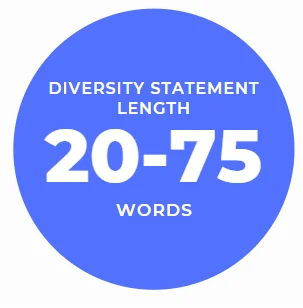
The current understanding of an effective diversity statement emphasizes specificity, data-backed claims, and a clear alignment with an organization’s overarching mission. Vague platitudes and generic buzzwords have given way to statements that explicitly name real groups, articulate concrete actions, and, where possible, substantiate commitments with verifiable data. This shift is not merely cosmetic; it reflects a growing demand for transparency and accountability in corporate diversity efforts, with candidates increasingly scrutinizing these declarations for signs of authentic engagement rather than performative gestures. The best statements are succinct, typically ranging from 20 to 75 words for their primary iteration, ensuring clarity and immediate impact.
The Evolving Landscape of DEI in 2026: A Shift Towards Results and Rebranding
The year 2026 marks a pivotal period in the trajectory of corporate DEI initiatives, largely influenced by a series of federal executive orders issued in early 2025. These orders, aimed at curtailing agency-level DEI programs, triggered a ripple effect across the private sector, prompting many organizations to re-evaluate their public-facing DEI strategies. The overarching theme emerging from this period is a pronounced pivot towards measuring the success of inclusion efforts through tangible results, rather than relying solely on public declarations. Companies are now diligently ensuring their internal practices and external communications can withstand rigorous legal reviews, prioritizing robust data collection and strict compliance frameworks.
According to research conducted by Gravity Research, a significant number of corporations, specifically 40, made public adjustments to their DEI strategies following the 2025 inauguration. This immediate reaction highlights the sensitivity of the corporate world to shifts in regulatory and political climates. Despite these public changes, a striking 80% of these corporations reaffirmed their commitments to core principles such as inclusion, belonging, or accessibility, albeit often with revised terminology or framing. This dichotomy suggests a strategic recalibration rather than an abandonment of diversity principles, indicating that many organizations recognize the intrinsic value of these efforts for their workforce and business performance.
A notable tactical rebranding effort observed among S&P 500 companies involves a significant reduction in the use of the acronym "DEI" in their official filings and public communications. Departments previously labeled as "DEI" are increasingly being renamed to more neutral, business-centric titles such as "People & Culture" or "Employee Experience." A comprehensive review of 1,000 corporate filings revealed a deliberate move to replace potentially polarized labels with language designed to protect internal programs from heightened legal or political scrutiny. This strategic linguistic shift aims to depoliticize diversity efforts, embedding them more deeply within broader human resources and talent management functions, thereby emphasizing their role in overall organizational health and performance rather than as standalone initiatives. This pragmatic approach allows companies to continue fostering inclusive environments while navigating a complex external environment.
Crafting Effective Diversity Statements: Beyond Generic Promises
In light of these developments, the methodology for writing effective diversity statements has become more sophisticated. The insights derived from analyzing numerous corporate statements, often through advanced textual analysis software like Ongig’s Text Analyzer, reveal several critical components that distinguish leading examples. This software, for instance, can assess statements for elements such as masculine versus feminine language, the presence of offensive terms, the balance of positive and negative words, and overall readability. These analytical tools provide concrete metrics to refine and optimize statements for maximum impact and authenticity.
Key elements of impactful diversity statements include:
- Mission Alignment: The most compelling statements are deeply integrated with the company’s core mission, demonstrating that diversity and inclusion are not peripheral initiatives but fundamental to achieving organizational goals. Google’s statement, "To build products that help billions of people reach their goals, we’re bringing together talented people from everywhere and empowering them to do their best work," directly links diversity to product innovation and global reach. Similarly, Amazon’s mission to be "the earth’s most customer-centric company" explicitly ties into its diversity and inclusion work, recognizing that diverse teams better serve a diverse customer base.
- Specificity and Tangible Examples: Generic language has diminished in efficacy. Top-tier statements often name real groups, highlight specific underrepresented communities, or reference existing employee resource groups (ERGs). Stanley Black & Decker’s approach, for instance, emphasizes building a culture where "inclusiveness is a reflex," supported by visible ERGs and internal programs that underscore their commitment. This level of detail builds trust and demonstrates genuine action.
- Conciseness and Readability: For main diversity statements appearing on career pages or job descriptions, brevity is paramount. The optimal length typically ranges from 20 to 75 words. This ensures that busy candidates can quickly grasp the company’s stance. Furthermore, readability is a critical factor. Experts recommend writing at an 8th-grade reading level or lower, as demonstrated by companies like Oath. Research from the Public Relations Society of America (PRSA) indicates that sentences of eight words or less can achieve 100% comprehension, with retention significantly declining as sentence length increases. Therefore, crafting statements with short, impactful sentences (around eight words) enhances comprehension and retention, making the message more accessible and effective.
- Positive and Inclusive Language: The choice of words significantly influences the emotional response of readers. Effective diversity statements are "chock full of positive words," deliberately chosen to evoke feelings of belonging, opportunity, and respect. Terms like "embrace," "empower," "celebrate," "thrive," and "opportunity" create an inviting and affirming tone, signaling a truly inclusive environment.
- Compelling Headlines: A strong headline is crucial for attracting attention and conveying the essence of the statement immediately. Beyond a generic "Diversity Statement," headlines such as T-Mobile’s (implicitly compelling, as referenced in the original context) or Pfizer’s "Merit-Based Diversity, Equity, and Inclusion: Who We Are" help an organization stand out and set the tone for the content that follows. These headlines often encapsulate the core message and reinforce the company’s brand values.
Corporate Strategies in Action: Leading Examples and Their Nuances
Leading corporations have implemented these best practices, crafting diversity statements that resonate with authenticity and strategic intent.
- Pfizer: Their statement, "Everyone has something to offer. Diverse teams are more collaborative, more accepting of different perspectives, and more representative of the world we all share. Our culture of diversity, equity and inclusion is based on merit — one where hard work, talent, and contributions drive success, and barriers to opportunity are removed," effectively combines a clear commitment to diversity with a focus on meritocracy, signaling an equitable environment where individual contributions are valued.
- Google: Under the headline "We’re building a Google for all of us to build helpful products for everyone," Google’s approach emphasizes the connection between diversity and innovation. Melonie Parker, VP, Googler Engagement, states, "To build products that help billions of people reach their goals, we’re bringing together talented people from everywhere and empowering them to do their best work." This explicitly ties diversity to business outcomes and product development.
- Salesforce: With the headline "Let’s create an equal workplace and world for all," Salesforce highlights equality as a core value, stating, "At Salesforce, equality is one of our longstanding core values that helps us to innovate and drive business success. We are committed to building a workplace where every employee feels seen, supported, can thrive, and is empowered to perform the best work of their careers." This statement is robust, linking equality to innovation and individual employee success.
- HubSpot: Their "We’re all in on Belonging" headline immediately conveys a focus beyond just diversity. They elaborate, "Belonging fuels trust, sparks creativity, and amplifies ambition, transforming individual brilliance into collective genius. When our employees feel seen, valued, and respected, HubSpot succeeds — and our customers Grow Better." This statement articulates a clear benefit of belonging, connecting it to creativity, ambition, and ultimately, customer success.
- Netflix: Under "Stories That Reflect Our World" and "Inclusion Unlocks Innovation," Netflix emphasizes the internal-external connection: "Netflix’s greatest impact is in storytelling. We create and connect stories to people all around the globe — removing the barriers of language, device, ability, or connectivity. Better representation on-screen starts with representation in the office. Our work has to be internal first, so it can impact what we do externally." This powerful statement clearly links internal diversity to external product quality and impact, demonstrating a strategic and authentic commitment.
- United Way of the National Capital Area: Their equity statement, under the headline "United Way Of The National Capital Area Equity Statement," explicitly states, "Social justice serves as a core principle for United Way of the National Capital Area (United Way NCA). We infuse equity in all our business operations and community impact initiatives." This statement is particularly strong in its commitment to dismantling systemic racism and addressing intersectional identities, showcasing a deep, mission-driven approach to social impact.
These examples illustrate that while the core message of diversity and inclusion remains, the delivery and strategic framing are critical. Companies are increasingly adopting nuanced language that reflects their unique mission and operational context, moving away from generic declarations.
The Pitfalls of Automation: Why AI-Generated Statements Fall Short
In an era where artificial intelligence (AI) tools are increasingly used for content generation, a cautionary note emerges regarding AI-generated diversity statements. While AI can be effective for refining and editing text, relying on it for drafting these critical statements often results in generic, uninspired prose that lacks authenticity. Psychology and Marketing research has shown that when audiences perceive diversity representation as artificially generated rather than genuinely intentional, it triggers a lower sense of belonging and a negative reaction toward the brand.
The essence of a compelling diversity statement lies in its human touch. This includes explicitly naming employee resource groups, identifying specific underrepresented communities that the organization supports, stating measurable metrics or commitments, and crafting a headline that is uniquely identifiable with the company. These specific, tangible details are what differentiate a sincere commitment from a boilerplate statement, fostering trust and a genuine sense of belonging among current and prospective employees. Therefore, while AI can assist in optimizing clarity and conciseness, the foundational content must originate from an authentic organizational voice.
Future Outlook and Broader Implications
The shifts observed in 2026 underscore a maturation of DEI efforts within the corporate sector. The move towards results-oriented strategies, coupled with a strategic rebranding of related departments and initiatives, reflects a sophisticated response to evolving legal, political, and social landscapes. While the term "DEI" might be less frequently used in public filings, the underlying commitment to fostering inclusive workplaces and diverse talent pools remains a strategic imperative for many organizations. This is driven by the recognized benefits of diversity, including enhanced innovation, improved decision-making, stronger financial performance, and greater employee engagement.
The long-term implications of these changes suggest a future where diversity and inclusion are more deeply embedded within core business functions rather than operating as separate, siloed programs. The emphasis on data, compliance, and measurable impact will likely lead to more robust and sustainable diversity initiatives, albeit ones that are perhaps communicated with greater precision and less potentially polarizing terminology. For candidates, this means a continued need to scrutinize corporate statements, looking beyond surface-level claims for evidence of genuine, systemic commitment to equity and belonging. The landscape demands that organizations not only articulate their values but also demonstrate them through verifiable actions and transparent reporting.
For companies seeking to optimize their diversity statements and broader DEI communications, tools like Ongig’s Text Analyzer offer valuable assistance. By analyzing job descriptions and related content, such software helps organizations ensure their messaging is inclusive, effective, and aligned with best practices, ultimately boosting the quality and diversity of candidate applications.
Frequently Asked Questions on Diversity Statements
1. What is a diversity statement?
A diversity statement is a concise public declaration of an organization’s commitment to inclusion and equity. It is typically found on career pages, dedicated DEI sections, or at the conclusion of job descriptions. Its significance lies in its role as a key informational resource for candidates, influencing their decision-making process regarding potential employers. An effective statement is characterized by its specificity and honesty, being intrinsically linked to the company’s mission rather than merely a collection of generic phrases.
2. What should a diversity statement include?
The most impactful diversity statements incorporate several crucial elements. These include a clear articulation of the company’s mission in relation to diversity, an unequivocal commitment to fostering an inclusive environment, and often, the mention of specific underrepresented groups the organization aims to support. The language used should be positive and inclusive, complemented by unique information or benefits offered to diverse candidates. Vague promises should be avoided; instead, concrete specifics are essential for building trust and demonstrating genuine commitment.
3. How long should a diversity statement be?
For the primary diversity statement, such as that featured on a careers page or within a job description, most companies opt for a length between 20 and 75 words. This brevity ensures the message is easily digestible and impactful. However, if an organization dedicates an entire web page to its diversity initiatives, the content can be expanded significantly beyond 75 words to provide comprehensive supporting details and examples of its main commitment.
4. What is a DEI statement?
A DEI statement is functionally identical to a diversity statement. The acronym "DEI" stands for Diversity, Equity, and Inclusion. Many companies have transitioned to using "DEI" to encompass a broader commitment that includes not only the representation of diverse groups but also the creation of fair processes (equity) and environments where everyone feels valued and respected (inclusion). Despite the updated terminology, the core content and fundamental purpose of the statement remain consistent.
This article was written to provide comprehensive guidance on crafting effective diversity statements, drawing on current industry trends and best practices. Ongig’s Text Analyzer assists organizations in enhancing their candidate attraction, including boosting diversity.