

The contemporary business environment is characterized by unprecedented volatility, driven by the rapid advancement of artificial intelligence and a complex geopolitical landscape. These forces are fundamentally reshaping the very definition of effective leadership. As organizations grapple with these seismic shifts, a critical examination of what constitutes successful leadership today, compared to historical paradigms, becomes imperative. This analysis draws upon decades of research and contemporary insights, particularly from the emerging field of "Supermanager" studies, to illuminate the new imperatives for leaders.
The Decoupling of Employee and Organization: Leading a "Voluntary Army"
One of the most profound transformations in leadership over the past half-century is what experts term the "decoupling" of the employee from the traditional organizational structure. This phenomenon signifies a departure from the industrial-age model, where a clear boss-subordinate hierarchy dictated directives, and employees largely complied. This ingrained dynamic, deeply embedded in corporate cultures and human resource practices, is rapidly becoming obsolete.
Today, leaders are increasingly managing what can be described as a "voluntary army." This metaphor encapsulates a workforce comprised not only of full-time employees but also contingent workers, freelancers, and, critically, AI-powered "Superworkers." These individuals are no longer bound by a passive employment contract; they actively "opt in" to their roles daily, driven by a complex interplay of personal needs, career aspirations, and evolving professional priorities. The traditional levers of authority—command and control—have proven insufficient in this new paradigm. Instead, leadership success hinges on cultivating something far more nuanced and inherently fragile: trust.
Building trust in this environment requires a multifaceted approach. It necessitates clear articulation of the organizational mission, empowering individuals to contribute their unique skills and perspectives, and fostering an environment where novel ideas are actively solicited and valued. In an era of hyper-specialization, where individual expertise can often surpass that of senior management, leaders must embrace the wisdom of their teams. The notion that a single engineer or a highly skilled professional could possess the insights to revolutionize a business underscores the critical need for leaders to engage, listen, and empower every member of their workforce.
This decoupling, a process that has been gradually unfolding over five decades, is now accelerating dramatically due to the pervasive influence of AI. The potential for individuals, augmented by AI, to drive significant business innovation means that passive leadership is no longer tenable. Leaders must cultivate an environment of active collaboration and shared ownership.
The Imperative of Iteration Over Perfection in the Age of AI
A second critical shift in leadership is the transition from an emphasis on "doing it perfectly" to "doing it now." The rapid integration of AI technologies across industries presents leaders with tools that are both powerful and inherently unpredictable. The pressure to adopt AI is immense, with many fearing that failure to do so will lead to organizational obsolescence. This often triggers a natural inclination to meticulously research, strategize, and aim for a flawless implementation—a quest that, in the current climate, is proving to be a strategic misstep.

Industry leaders, from technology giants like IBM and Microsoft to financial institutions such as Standard Chartered and Mastercard, are observing a consistent pattern: the pursuit of a "perfect" AI solution often leads to paralysis and missed opportunities. In the bygone industrial age, launching a product or system with version 1.0 perfection was the norm. However, the AI era demands a fundamentally different approach. Leaders must cultivate a tolerance for imperfection and embrace iterative development.
Microsoft’s widespread deployment of Copilot agents in HR, even as new use cases are continually discovered, exemplifies this agile methodology. Similarly, IBM’s swift transition from Workday to SuccessFactors within an 18-month timeframe, despite acknowledging the initial imperfections, highlights a pragmatic understanding of the need for rapid adaptation. The prevailing sentiment is that "waiting until it’s done" is a luxury that modern organizations can no longer afford.
Effective leadership in the AI age requires understanding that the path from inception to successful implementation is rarely a straight line. It is a dynamic process characterized by iterations, calculated risks, learning from mistakes, and continuous improvement. The leader’s role is to maintain strategic focus on the overarching problem or customer need while providing the team with the autonomy to experiment, learn, and adapt. This fosters a culture of resilience and innovation, where setbacks are viewed not as failures but as essential steps in the learning journey.
Re-centering Leadership on Trust, Ethics, and Inclusion
The third significant evolution in leadership is a renewed emphasis on core values, ethics, and morality. The current societal discourse, often amplified by the spread of misinformation and the proliferation of "alternative facts"—increasingly facilitated by AI-generated content—makes discerning truth more challenging than ever. In this environment, leaders bear a profound responsibility to counteract these trends.
The rationale is deeply rooted in human psychology. Most individuals possess an inherent ethical compass and a desire to align with organizations that reflect their values. When leaders compromise their integrity, bend rules, or engage in unfair practices, the consequences extend far beyond legal repercussions. Such actions can profoundly damage employee morale, erode organizational culture, and stifle the very human spirit that drives innovation and dedication. As research in organizational psychology suggests, the unquenchable power of the human spirit is, in fact, one of the most potent, yet often overlooked, drivers of business success.
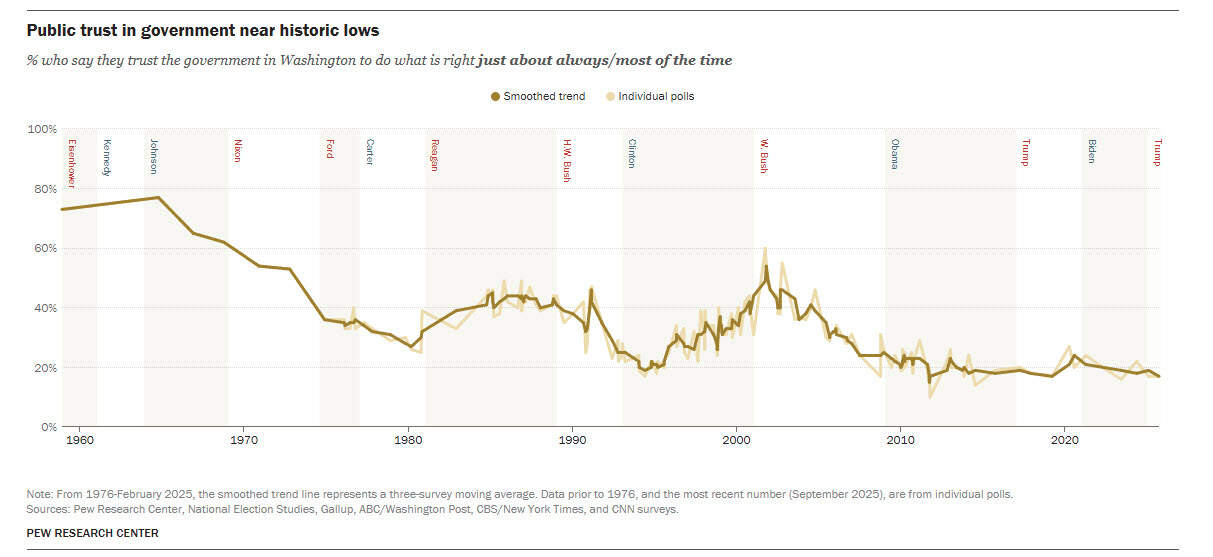
This ethical imperative is amplified by a dramatic decline in public trust in institutions. In the United States, for instance, trust in government has plummeted from approximately 80% in the 1960s to a mere 17% in contemporary surveys. This pervasive distrust creates a vacuum that leaders are uniquely positioned to fill. By demonstrating unwavering commitment to transparency, fairness, and ethical conduct, leaders can rebuild confidence and foster a sense of shared purpose.
Achieving this requires a conscious effort to listen to employees, remain steadfast in the face of challenging ethical dilemmas, and champion common sense principles. In an era where diversity, equity, and inclusion (DEI) initiatives are sometimes politicized, leaders must nevertheless embrace these values. Speaking truth to power, taking principled stances on critical issues, and actively listening to diverse perspectives are not merely desirable traits; they are essential components of effective leadership in the 21st century. These are the values that will ultimately define the most enduring and successful organizations.
The Broader Impact of Plummeting Institutional Trust
The erosion of trust in governmental and other large institutions presents both a challenge and an opportunity for business leaders. This societal trend means that employees and the public are increasingly looking to corporations and their leaders for guidance, stability, and ethical grounding. Organizations that can successfully navigate this landscape by demonstrating genuine commitment to their values, fostering an inclusive environment, and operating with transparency will likely gain a significant competitive advantage. Conversely, those that fail to address this trust deficit risk alienating stakeholders and undermining their long-term sustainability. The implications are far-reaching, impacting everything from employee retention and customer loyalty to brand reputation and investor confidence.
The Critical Role of Leadership Development
In conclusion, the contemporary business landscape demands a fundamental reassessment of leadership models. The ability of an organization to adapt and thrive is inextricably linked to the quality of its leadership. Leaders who can effectively drive change, inspire energy, and uphold core values are no longer just valuable assets; they are the lynchpins of organizational resilience and success.
The research highlights the emergence of the "Supermanager," a leadership archetype adept at navigating these complex dynamics. These leaders are characterized by their ability to foster trust, embrace iterative processes, and champion ethical conduct. Developing such leaders is paramount, and organizations must invest in robust leadership development programs that equip individuals with the skills and mindset necessary to thrive in this evolving environment.
Initiatives such as the development of AI-powered leadership academies, like Galileo, which leverage extensive research and real-world case studies, are crucial in this regard. These platforms offer personalized learning journeys and provide training on leading effectively in the age of AI. Furthermore, annual research conferences, such as Irresistible 2026, serve as vital forums for disseminating new findings and fostering dialogue on the future of leadership.
The journey of leadership is a continuous one, marked by adaptation and evolution. By embracing these new imperatives—cultivating trust in a "voluntary army," prioritizing iteration over perfection, and re-centering on ethics and inclusion—leaders can equip themselves and their organizations to navigate the complexities of the current era and build a more resilient and purposeful future. The investment in developing these new leadership capabilities is not merely a strategic choice; it is an existential necessity.







