The annual performance review, once a cornerstone of employee evaluation, is undergoing a profound transformation. No longer merely a backward-looking assessment of past performance, it has evolved into a dynamic, ongoing dialogue instrumental in shaping employee growth, fostering engagement, and driving organizational success. This shift reflects a broader evolution in performance management strategies, emphasizing continuous feedback and development over infrequent, formal appraisals. As businesses navigate an increasingly complex and fast-paced work environment, understanding the modern performance review is paramount for cultivating a thriving and productive workforce.
At its core, the contemporary performance review is a foundational, ongoing conversation designed to guide employees toward professional growth and sustained success. Beyond evaluating completed tasks and projects, it serves to clarify expectations, ensure alignment between individual aspirations and overarching organizational objectives, and proactively identify opportunities for skill enhancement and career advancement. When implemented consistently, these reviews cultivate a culture of trust, significantly boost employee engagement, and provide individuals with the clarity and support necessary to achieve their highest potential.
Quantum Workplace defines this evolving process as a collaborative endeavor that translates feedback into tangible forward momentum. This approach moves away from a top-down evaluation model towards a partnership between employees and their managers, where open communication and mutual understanding are key drivers of performance.
The Modern Performance Review: A Foundation for Growth and Alignment
The fundamental purpose of a performance review today is to establish a clear, continuous dialogue that empowers employees to understand their current performance trajectory, recognize areas of development, and articulate the support they require to excel. Simultaneously, these feedback loops provide organizations with invaluable insights into their workforce, enabling them to make informed decisions and cultivate engaged, high-performing teams.

Leading organizations are increasingly adopting continuous review cycles, moving beyond the limitations of annual check-ins. This agile approach allows for the collection of real-time feedback, fostering enhanced alignment, boosting productivity, and building organizational trust. This paradigm shift transforms performance reviews from a punitive exercise into a strategic partnership that drives both individual and collective achievement. Ultimately, the purpose of a performance review is to elevate performance and foster growth through consistent, meaningful interactions that deepen an employee’s connection to the organization.
Four Pillars of Modern Performance Review Methodologies
While the spectrum of performance review types is broad, they can generally be categorized into two primary approaches: multi-rater feedback and single-input evaluations. The most effective performance management strategies are those that are tailored to an organization’s unique culture, providing meaningful and actionable insights to both employees and managers. When reviews are engaging, relevant, and lead to clear actions, they become powerful catalysts for growth, alignment, and enhanced team performance.
Performance reviews can be strategically organized around the following four key types:
1. Continuous Performance Reviews: Embracing Agility and Ongoing Dialogue
Continuous performance reviews leverage multiple perspectives to create a holistic and balanced understanding of an employee’s contributions. This approach allows for the collection of feedback on an ongoing basis, often integrated with formal review cycles (annual, mid-year, or quarterly) to reinforce and contextualize evaluations. By embracing continuous feedback, organizations cultivate a more dynamic and supportive work environment, capturing a richer picture of performance through development-focused conversations.
Key Components of Continuous Feedback Systems:

-
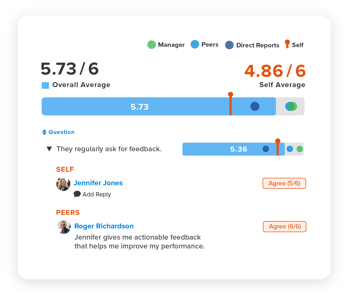
360-Degree Feedback: This comprehensive approach integrates input from various stakeholders – managers, peers, direct reports, and even external partners – providing a well-rounded view of an individual’s performance and impact. In today’s increasingly collaborative and matrixed workplaces, 360-degree feedback is essential for gaining a nuanced understanding of how employees operate within diverse team structures. When built on a foundation of trust and focused on clear, actionable insights, 360s become powerful tools for professional development.
- Benefits of 360 Feedback for Teams:
- Enhanced Self-Awareness: Employees gain a deeper understanding of their strengths and areas for improvement as perceived by those they interact with daily.
- Improved Communication: Encourages open dialogue and feedback exchange across different levels and departments.
- Identification of Development Opportunities: Pinpoints specific skills or behaviors that require attention for professional growth.
- Stronger Team Cohesion: Fosters a culture of mutual support and accountability when feedback is constructive and well-received.
- Objective Performance Insights: Provides a more balanced perspective than manager-only evaluations, reducing potential bias.
- Benefits of 360 Feedback for Teams:
-
Peer Feedback: Recognizing that managers cannot observe every interaction, peer feedback is critical for surfacing insights that only colleagues can provide. This collaborative approach leverages the collective knowledge and experience of a team, offering valuable perspectives on an individual’s contributions and working style.
- Why Peer Feedback Matters:
- Real-time Observations: Peers often witness day-to-day behaviors and contributions that managers might miss.
- Cross-functional Understanding: Provides insights into how an individual collaborates with different teams and departments.
- Identification of Team Dynamics: Helps reveal how an individual contributes to overall team morale and effectiveness.
- Reinforcement of Positive Behaviors: Highlights and encourages effective collaboration and support among team members.
- Early Detection of Issues: Can flag potential performance or interpersonal issues before they escalate.
- Why Peer Feedback Matters:
-
Team Performance Feedback: Team-based reviews enable managers to assess collective progress, provide targeted coaching within specific contexts, and identify development opportunities that benefit both individual members and the group as a whole. This approach recognizes that success is often a collaborative effort.
- How Team Reviews Contribute to Success:
- Collective Goal Achievement: Tracks progress towards shared objectives and identifies factors hindering or accelerating team performance.
- Resource Allocation and Optimization: Helps determine if the team has the necessary resources and support to achieve its goals.
- Identification of Interdependencies: Highlights how individual contributions impact the team’s overall output.
- Development of Team Skills: Pinpoints areas where the team as a unit can benefit from training or skill enhancement.
- Fostering a Shared Sense of Purpose: Reinforces the importance of collaboration and mutual reliance.
- How Team Reviews Contribute to Success:
-
Upward Feedback: This powerful mechanism empowers employees to provide feedback to their managers, articulating what is working well and what could be improved. When approached with mutual openness, upward feedback cultivates a robust feedback loop, fostering trust and driving continuous improvement from leadership down. It ensures employees feel heard and valued, while providing leaders with actionable insights for their own growth.
2. Structured or Formal Performance Reviews: Establishing Frameworks for Accountability
Structured or formal performance reviews are scheduled evaluations that adhere to a defined process, consistent criteria, and documented expectations across the entire organization. Typically conducted at regular intervals – annually, semi-annually, or quarterly – these reviews provide a transparent and objective framework for assessing progress, recognizing achievements, and identifying developmental needs. They are indispensable for robust people management strategies, ensuring fairness, transparency, and enabling informed decisions regarding promotions, compensation, and succession planning. Furthermore, they strengthen the connection between individual performance and organizational objectives, providing employees with a clear understanding of success and pathways for advancement.
Key Forms of Formal Performance Reviews:
-
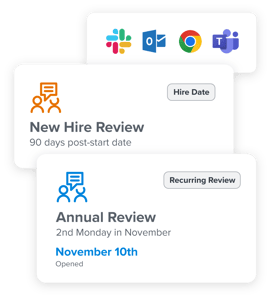
Annual Performance Review: This comprehensive, once-a-year evaluation offers a holistic assessment of an employee’s overall contributions, highlighting their strengths and outlining areas for future development.
- Annual Reviews Reinforce People Management by:
- Formalizing Performance Discussions: Providing a dedicated time for in-depth conversations about achievements and challenges.
- Setting Baselines for Future Growth: Establishing a benchmark against which future progress can be measured.
- Informing Compensation and Promotion Decisions: Providing objective data to support talent management strategies.
- Reinforcing Company Values and Expectations: Ensuring employees understand how their work aligns with organizational priorities.
- Identifying Long-Term Development Needs: Uncovering skills and competencies required for future roles within the company.
- Annual Reviews Reinforce People Management by:
-
Mid-Year or Quarterly Reviews: These scheduled check-ins offer an opportunity to assess progress against established goals and performance expectations. They serve as critical touchpoints for realigning objectives, providing timely coaching, and monitoring the effectiveness of ongoing strategies and resource allocation.
- Mid-Year and Quarterly Reviews Facilitate:
- Proactive Performance Management: Allowing for course correction before issues become significant.
- Goal Adjustment: Ensuring goals remain relevant and achievable in a dynamic environment.
- Targeted Coaching and Support: Providing timely interventions to address performance gaps.
- Employee Motivation and Engagement: Demonstrating ongoing commitment to employee development and success.
- Agile Strategy Implementation: Allowing for adjustments to organizational strategies based on real-time performance data.
- Mid-Year and Quarterly Reviews Facilitate:
-
Continuous Performance Review (as a formal component): While often associated with ongoing feedback, a structured continuous performance review involves regular, real-time feedback and coaching integrated into formal review cycles. This blend ensures that informal conversations are documented and contribute to a comprehensive understanding of performance.
- Continuous Reviews Support Strong Teams Because They:
- Promote Real-time Recognition: Acknowledge achievements and positive contributions as they happen.
- Facilitate Timely Intervention: Address performance issues promptly, preventing escalation.
- Enhance Manager-Employee Relationships: Foster trust and open communication through regular interaction.
- Provide Ongoing Development Opportunities: Integrate learning and skill-building into the daily workflow.
- Increase Employee Accountability: Keep employees informed of their progress and expectations.
- Continuous Reviews Support Strong Teams Because They:
-
Self-Assessment: This crucial component strengthens mutual accountability and alignment between employees and managers. It provides managers with valuable insights into how employees perceive their own contributions, challenges, and future aspirations, enabling more effective coaching and support.
- Self-Assessments Facilitate Performance and Connection By:
- Encouraging Employee Reflection: Prompting individuals to consider their achievements, challenges, and goals.
- Providing a Foundation for Dialogue: Offering a starting point for constructive conversations between employees and managers.
- Highlighting Employee Perspectives: Revealing an employee’s self-perception and priorities.
- Promoting Ownership of Development: Empowering employees to take an active role in their career growth.
- Improving Manager Coaching: Giving managers a clearer understanding of where to focus their guidance and support.
- Self-Assessments Facilitate Performance and Connection By:
3. Role/Project-Based Performance Reviews: Contextualizing Contributions
Role- or project-based performance reviews evaluate an employee’s contributions within the specific context of their responsibilities, deliverables, and objectives. These reviews can be single-rater, typically led by a manager, or multi-rater, incorporating feedback from peers, project leads, cross-functional collaborators, and even clients, depending on the organizational culture and needs. This approach ensures alignment with broader organizational goals, identifies execution gaps or resource deficiencies, and strengthens cross-functional collaboration by illuminating how individual and team efforts contribute to overarching outcomes.
Examples of Role/Project-Based Reviews:
-
Task-Based or KPI-Focused Review: This type of review focuses on the successful completion of defined performance metrics, project milestones, and task-level expectations that directly contribute to broader team or company objectives.
- Task-Based and KPI-Focused Reviews Help:
- Measure Objective Performance: Quantify achievements against specific, measurable, achievable, relevant, and time-bound (SMART) goals.
- Identify Performance Bottlenecks: Pinpoint specific tasks or areas where an employee or team may be struggling.
- Align Individual Work with Strategic Goals: Ensure that day-to-day activities directly support overarching organizational priorities.
- Provide Clear Expectations: Define what constitutes successful performance for specific roles and projects.
- Drive Accountability for Results: Hold individuals and teams responsible for delivering on agreed-upon outcomes.
- Task-Based and KPI-Focused Reviews Help:
-
Sales Performance Review: This specialized review assesses an employee’s effectiveness based on sales targets, pipeline management, client engagement, and revenue-generating activities.
- Sales Performance Reviews Support Revenue Growth Because They:
- Track Sales Effectiveness: Monitor key performance indicators (KPIs) such as conversion rates, deal size, and sales cycle length.
- Identify Top Performers: Recognize and reward individuals who consistently exceed sales targets.
- Pinpoint Areas for Sales Training: Highlight skill gaps in areas like prospecting, negotiation, or closing.
- Optimize Sales Strategies: Provide data to refine sales approaches and improve market penetration.
- Foster a Competitive and Motivated Sales Team: Drive a culture of high performance and continuous improvement.
- Sales Performance Reviews Support Revenue Growth Because They:
-
Customer Service Review: This review measures performance based on service quality, customer interactions, response times, and customer satisfaction metrics, ensuring a positive customer experience.
- Customer Service Reviews Help:
- Enhance Customer Satisfaction: Identify areas for improvement in customer interactions and issue resolution.
- Improve Service Quality: Ensure consistent delivery of high-quality support.
- Boost Customer Retention: Recognize that excellent service is a key driver of customer loyalty.
- Identify Training Needs for Service Teams: Pinpoint specific skills or knowledge gaps that impact customer interactions.
- Align Service Delivery with Brand Values: Ensure that customer interactions reflect the organization’s commitment to its customers.
- Customer Service Reviews Help:
-
Product Development Review: This evaluation assesses an employee’s effectiveness in driving product initiatives, from initial roadmap planning and cross-functional collaboration to execution and post-launch performance.
- Product Development Reviews Contribute to Organizational Success By:
- Ensuring Product-Market Fit: Evaluating how effectively product development aligns with market needs.
- Optimizing Development Cycles: Identifying efficiencies and potential delays in the product lifecycle.
- Fostering Cross-Functional Collaboration: Assessing the effectiveness of teamwork between engineering, design, marketing, and sales.
- Driving Innovation: Recognizing and rewarding creative problem-solving and new product ideas.
- Improving Product Quality and Performance: Ensuring that launched products meet or exceed user expectations.
- Product Development Reviews Contribute to Organizational Success By:
4. Probationary/New Hire Reviews: Onboarding for Success
Probationary or new-hire performance reviews provide structured feedback during the initial stages of employment, assessing how well a new employee is integrating into their role, team, and the company culture. These reviews offer HR and managers insights into the effectiveness of onboarding processes, identify areas where additional support or clarification may be needed, and gauge the new hire’s adaptation to established expectations. When executed effectively, these reviews ensure new employees feel welcomed, confident, and culturally aligned, enabling them to become productive contributors within a reasonable timeframe.
Key Reviews for New Hires:
-
Interview Process Feedback: This review assesses how accurately the interview process represented the role, expectations, team dynamics, and overall work culture once the employee is on the job.
- Interview Process Feedback Helps HR and Managers Improve Hiring By:
- Identifying Misalignments: Pinpointing discrepancies between the recruitment narrative and the actual work experience.
- Refining Job Descriptions: Ensuring clarity and accuracy in outlining responsibilities and requirements.
- Improving Interviewer Training: Providing feedback on interview techniques and candidate assessment.
- Enhancing Candidate Experience: Ensuring a positive and informative recruitment process.
- Reducing Early Turnover: Addressing potential issues that might lead to dissatisfaction and departure.
- Interview Process Feedback Helps HR and Managers Improve Hiring By:
-
30-60-90 Day Feedback: This structured checkpoint system over the first three months assesses progress, learning, milestone achievement, cultural integration, and overall performance.
- 30-60-90-Day Feedback Supports the New Hire Experience By:
- Providing Clear Milestones: Setting achievable goals for the initial period of employment.
- Facilitating Early Integration: Helping new hires understand expectations and company norms.
- Offering Timely Support: Identifying and addressing challenges as they arise.
- Building Confidence: Demonstrating progress and acknowledging early successes.
- Gathering Feedback on Onboarding: Allowing new hires to share their experiences and suggestions.
- 30-60-90-Day Feedback Supports the New Hire Experience By:
-
Manager Onboarding Feedback: This review allows new hires to evaluate the effectiveness of their manager’s support, including guidance, clarity, communication, and training provided during the onboarding period.
- Manager Onboarding Feedback Improves Onboarding Outcomes By:
- Ensuring Managerial Support: Holding managers accountable for providing adequate guidance.
- Identifying Gaps in Communication: Highlighting instances where clarity or communication could be improved.
- Assessing Training Effectiveness: Evaluating the quality and relevance of training provided.
- Promoting a Positive Manager-Employee Relationship: Fostering an open and supportive environment from the outset.
- Driving Manager Development: Providing managers with insights to enhance their onboarding and coaching skills.
- Manager Onboarding Feedback Improves Onboarding Outcomes By:
-
Cultural Alignment Review: This review examines how effectively a new hire is integrating into the team’s values, communication norms, and organizational behaviors.
- Cultural Alignment Reviews Support Employees in Onboarding Because They:
- Facilitate Integration into Team Dynamics: Help new hires understand unspoken rules and team etiquette.
- Promote Adherence to Company Values: Ensure new employees understand and embrace the organization’s core principles.
- Enhance Communication Effectiveness: Help new hires adapt to preferred communication channels and styles.
- Reduce Social Friction: Minimize misunderstandings and conflicts arising from cultural differences.
- Foster a Sense of Belonging: Help new employees feel like a valued part of the organization.
- Cultural Alignment Reviews Support Employees in Onboarding Because They:
Who Participates in the Performance Review Process?
The performance review process typically involves key stakeholders: Human Resources (HR), managers, and employees. Each plays a distinct role in ensuring reviews are fair, consistent, and impactful. HR often designs and oversees the performance management framework, providing guidance and resources. Managers are responsible for conducting regular feedback sessions, setting expectations, and facilitating employee development. Employees are active participants, engaging in self-assessments, seeking feedback, and driving their own growth.
When all team members actively engage in their designated roles, the performance review transforms into a structured, transparent process that fosters connection, drives continuous improvement, and ultimately leads to stronger organizational performance.
Streamlining Performance Reviews with Quantum Workplace
Performance conversations need not be arduous. Quantum Workplace offers solutions to ensure managers and employees are aligned and engaged throughout the performance review cycle. Their performance review software provides reliable context, empowering teams to conduct more objective and engaging discussions.
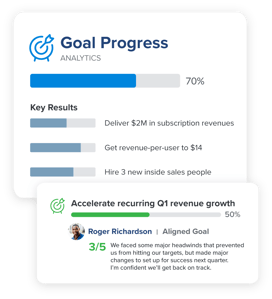
Quantum Workplace’s platform offers several key advantages for organizations seeking to enhance their performance review processes:
- Customizable Review Frameworks: Organizations can tailor review modules to align with their unique culture and the specific needs of different teams or departments, ensuring relevance and flexibility.
- Managerial Enablement: The platform integrates performance management into existing workflows, making it easier for managers to coach effectively. It supports the establishment of formal conversation cycles, promoting consistent and frequent touchpoints.
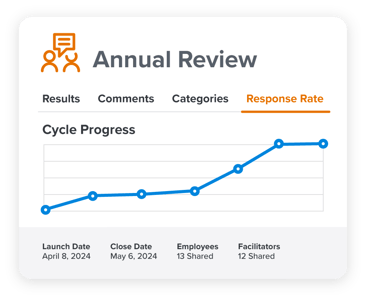
- Response Rate Tracking: Real-time monitoring of review completion rates helps maintain accountability and provides visibility into the progress of review cycles across the organization.
- Goal Integration: Performance goals can be seamlessly embedded within performance evaluations, facilitating objective, growth-oriented conversations between managers and employees.
- Multi-Rater Feedback Support: The system incorporates feedback from various sources, providing a comprehensive view of performance and orienting conversations around development.
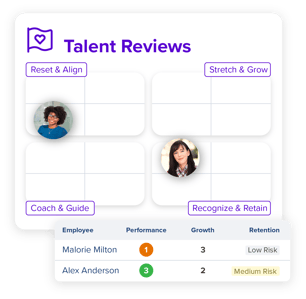
- Talent Analytics and Visualization: A talent dashboard offers a holistic view of organizational talent, enabling informed decisions regarding talent retention and development strategies.
By leveraging Quantum Workplace’s performance review software, organizations can create a more effective, efficient, and engaging performance review process, ultimately leading to improved performance and a more satisfied workforce.