In an increasingly competitive global talent market, the traditional, often dry, "help wanted" advertisement has undergone a radical transformation. Companies are now deploying sophisticated, multi-faceted strategies, leveraging creative job titles, compelling imagery, catchy phrases, and even "unusual" perks to capture the attention of prospective candidates and differentiate themselves in a crowded digital space. This shift reflects a deeper understanding that recruitment is not merely about listing requirements but about storytelling, branding, and fostering an immediate connection with potential hires. The goal is to move beyond passive applications to actively engage talent, making them "take a second look" and envision themselves as part of a dynamic organizational culture.
The Genesis of Creative Recruitment: A Historical Context
The evolution of job postings mirrors broader changes in media and workforce dynamics. From the sparse classified sections of newspapers, recruitment transitioned to early online job boards like Monster and CareerBuilder in the late 1990s. While these platforms offered greater reach, the format remained largely functional. The advent of social media platforms, coupled with the "Great Resignation" and subsequent "Great Rehiring" phenomena of the early 2020s, served as a significant catalyst. This period saw a power shift towards candidates, who, armed with more information and options, began scrutinizing not just job descriptions but also company culture, values, and employer branding. According to a 2023 LinkedIn report, companies with strong employer brands see 28% lower turnover and attract 50% more qualified applicants. This heightened competition compelled organizations to rethink their outreach, moving from transactional listings to immersive, persuasive campaigns designed to resonate deeply with a new generation of job seekers. The focus shifted from what a company demands to what it offers – not just in terms of salary, but in purpose, culture, and personal growth.
Strategic Pillars of Modern Talent Attraction
Modern, effective job postings typically integrate several key elements:
- Engaging Headlines and Titles: Moving beyond generic role names to intriguing, brand-aligned titles.
- Visual Storytelling: Utilizing high-quality images, videos, and infographics to convey culture and environment.
- Compelling Narrative: Crafting descriptions with catchy slogans and phrases that speak to aspirations and values.
- Unique Value Proposition: Highlighting distinctive perks, benefits, and growth opportunities.
- Interactive Elements: Employing QR codes, virtual experiences, or gamification to foster engagement.
- Inclusive Language: Ensuring that creative approaches do not inadvertently marginalize or exclude diverse talent pools.
Case Studies in Creativity and Impact
Several companies have excelled in this new recruitment paradigm, setting benchmarks for how to attract top talent.
Bethesda Game Studios: Crafting Worlds Beyond Work
The acclaimed developer behind Fallout, Starfield, and The Elder Scrolls understands the intrinsic motivation of its target audience: creators. Their job posting, centered on the powerful statement, "Let’s Build Worlds," immediately strikes a chord with creative professionals. This evocative tagline is reinforced by a visual montage of breathtaking imagery from their iconic titles, offering tangible evidence of the "worlds" candidates would help construct. This approach transcends mere job duties, inviting individuals to join a legacy synonymous with epic narratives, legendary characters, and unforgettable digital landscapes. Bethesda demonstrates that a potent, legacy-building career proposition, succinctly articulated, can be immensely effective.
Bud Light & Twitter: The Rise of Novel Job Titles
In 2020, Bud Light Seltzer made headlines by seeking a "Chief Meme Officer," a role that perfectly blended pop culture relevance with marketing savvy. The accompanying slogan, "Great Seltzer. Bad Memes," humorously acknowledged the brand’s self-awareness while signaling a desire for authentic, engaging content creation. Similarly, Twitter’s past search for a "Tweeter in Chief" for its official account garnered significant media attention. These catchy, non-traditional titles serve multiple purposes: they generate buzz, reflect the brand’s personality, and signal a departure from corporate rigidity, appealing to candidates seeking roles that allow for creative expression and impact.
IKEA & Waste Creative: Immersive Virtual Recruitment
Leveraging the growing popularity of gaming platforms, IKEA launched its "The Co-Worker" campaign on Roblox in 2024, creating a virtual store and recruiting actual "co-workers" for it. This innovative initiative offered a unique opportunity for candidates to engage with a thriving online community of over 70 million active users. The ad featured IKEA’s signature optimistic color scheme and iconic employee ID, blurring the lines between virtual and real-world employment. The campaign’s success, attracting over 170,000 applicants, underscored the potential of metaverse-adjacent recruitment. Similarly, during the COVID-19 lockdown, Waste Creative invited internship candidates to a virtual office within Nintendo’s Animal Crossing game. Upon arrival, players discovered a "creative brief," transforming a typical application into an interactive treasure hunt. Both examples highlight how immersive experiences can captivate niche audiences and showcase a company’s innovative spirit.
Fiverr & HireVue: Humor and Authenticity in Employer Branding
Fiverr’s recruitment video, "Another Generic Recruitment Video," cleverly pokes fun at industry clichés, immediately setting itself apart. It concludes with a powerful, aspirational message: "If you’re good at what you do, you can work anywhere. If you’re the best at what you do, come work at Fiverr." This blend of humor and ambition appeals to top-tier talent seeking an environment where excellence is not just recognized but celebrated. HireVue takes a similar approach, beginning its job postings by emphasizing its diverse, fun, and welcoming culture, then detailing its hiring process with an added touch of humor. This human-centric approach, often capped with images of employees enjoying their work, reinforces the idea of a vibrant, supportive workplace where individuals are valued beyond their job functions.
IBM & Microsoft: Data-Driven and Intellectually Engaging
IBM has utilized visually appealing infographics to present job requirements, location details, and cultural insights for its talent acquisition roles. This method transforms dense information into easily digestible content, appealing to candidates who appreciate clarity and modern communication. Microsoft, on the other hand, strategically targets "problem solvers" directly in its job headings. For certain roles, it even includes a simple math problem as an initial screening step, filtering out less serious applicants and appealing to those who relish intellectual challenges. This direct approach not only identifies candidates with specific skill sets but also communicates a culture that values analytical thinking and proactive engagement.
Impossible Foods & LEGO: Mission-Driven and Values-Aligned
Impossible Foods launched a massive recruiting effort for "Impossible Investigators" with slogans like "All Science, No Bull" and "Scientists. Step Up. Save Our Planet. Join Impossible." These phrases empower candidates by linking their work directly to a significant global mission: eliminating animal agriculture. Similarly, LEGO’s campaigns invite talent to "imagine making work fun for everyone, building joy into children’s lives, and bringing smiles to the world." By moving beyond standard qualifications to recognize traits like a serious capacity for fun and a commitment to doing "the right thing," LEGO appeals to individuals seeking purpose-driven careers that align with their personal values, leveraging the power of imagination inherent in its brand.
Marriott & McDonald’s: Human Connection and Visual Appeal
Marriott’s Instagram job ads for hotel associates feature inviting "office view" images and headlines like "Warm, out-going, authentic, passionate, and inspiring? Raise your hand if that’s you." This simple, engaging direct address, combined with aspirational visuals, creates an immediate emotional appeal. McDonald’s, in its Laredo hiring ad, uses an employee’s genuine smile and vibrant nail polish to insinuate a workplace that offers enjoyable career opportunities "without judgment." These visual cues, though subtle, convey a powerful message about workplace happiness, inclusivity, and a positive environment, demonstrating that even large, established brands can connect on a personal level.
Oscar Mayer & Molly’s Rise and Shine: Quirky Perks and Brand Alignment
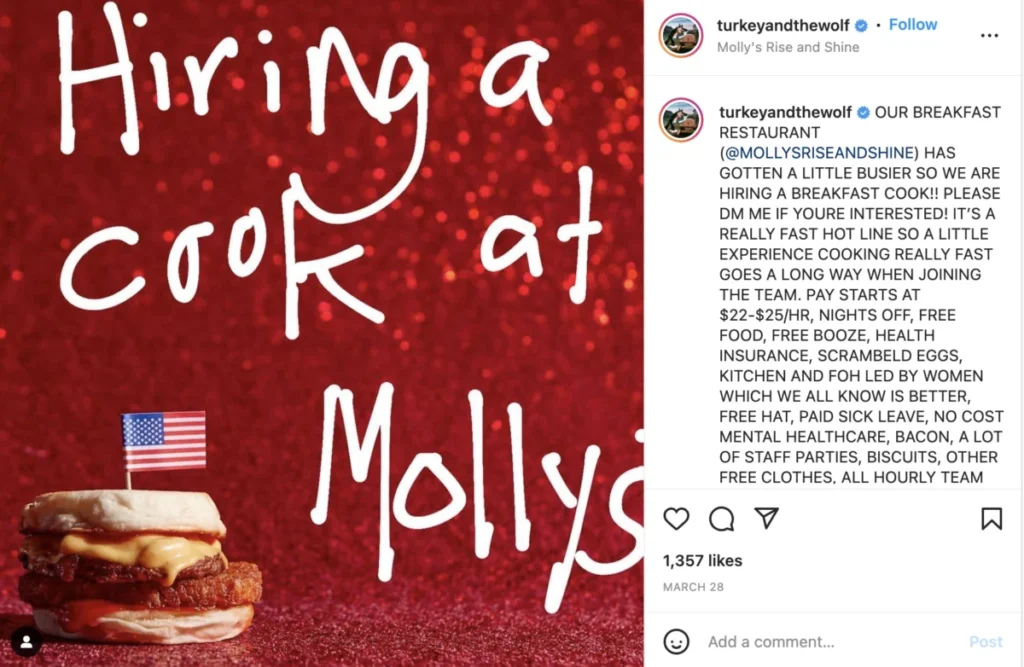
Oscar Mayer’s evergreen "Wienermobile driver" position is a prime example of a unique, brand-aligned role that consistently captures attention. The dedicated webpage and bright, simple callouts associated with this role highlight the fun and distinctive nature of the brand. Molly’s Rise and Shine takes this a step further by listing genuinely "unusual perks," which immediately differentiates them from competitors. Such tactics attract candidates who are not just looking for a job but an experience, signaling a company culture that embraces individuality and offers more than just standard benefits.
The Anatomy of an Effective Creative Job Post
Crafting a job posting that truly stands out requires a strategic approach to several core elements:
Beyond the Headline: Crafting Compelling Narratives
The headline is the hook, but the description is the story. Engaging headlines, as seen with "Join our team of innovators and change Makers" or "Want to love Mondays? Join our fun team," pique initial interest. The body must then deliver a clear yet captivating narrative, avoiding jargon and embracing a conversational tone. This means articulating the role’s responsibilities not as a list of tasks but as opportunities to contribute meaningfully, highlighting core values and work culture. For instance, the Dallas Restaurants and Bar ad’s humor, specifically targeting experienced bartenders, shows how a well-placed joke can build rapport and attract the right audience.
The Visual and Interactive Edge
In a visually driven world, multimedia is no longer optional. Short videos, office tours, employee testimonials, and high-quality images enhance appeal. Color theory plays a significant role; the careful selection of hues for fonts, backgrounds, and graphics can influence mood and drive engagement, as demonstrated by Nike’s energetic ads and LEGO’s vibrant layouts. Interactive elements, such as QR codes embedded in creative designs, invite candidates to take immediate action, transforming passive viewing into active participation.
Value Proposition and Culture Fit
Beyond salary, candidates seek a holistic employee value proposition. This includes transparently discussing work-life balance, growth opportunities, and unique perks (like those at Molly’s Rise and Shine). Crucially, companies must showcase their culture. This involves talking about team members, shared values, and community involvement. Instead of rigid "X years of experience" requirements, which can deter diverse applicants, a more inclusive approach uses "creative scorecards." For example, replacing "five years of HTML proficiency" with "We are seeking an HTML expert who can generate art that speaks to the soul of our visual-obsessed audience" transforms a dry requirement into an inspiring call to action, focusing on impact rather than just tenure. HireVue’s emphasis on people, diversity, and culture, coupled with an engaging description of their hiring process, exemplifies this approach.
Strategic Reach: SEO and Social Media
Even the most creative posting is ineffective if it doesn’t reach the target audience. Optimizing for search engines (SEO) by including relevant keywords ensures visibility on job boards and professional platforms. A robust social media recruitment strategy is vital, sharing engaging, shareable posts across platforms where potential candidates spend their time.
Implications for the Modern Workforce
The proliferation of creative job postings has profound implications for talent acquisition and the broader workforce:
Strengthening Employer Brand: These innovative approaches are powerful tools for employer branding. They communicate a company’s identity, values, and work environment, shaping public perception and making the organization an attractive place to work. A strong employer brand can significantly reduce recruitment costs and improve the quality of hires.
Attracting Diverse Talent: While creativity is key, it must be paired with inclusivity. The language used in job postings greatly influences who feels welcome to apply. Tools like Ongig Text Analyzer, mentioned in the original context, are critical for removing gender-coded or exclusionary words, ensuring that creative efforts do not inadvertently marginalize qualified candidates. Data suggests that inclusive language can increase applications by up to 29% and reduce cost per application by up to 41%.
Measuring Success Beyond Applications: The success of creative job postings isn’t solely measured by the volume of applications but by the quality of hire, retention rates, and the diversity of the candidate pool. Companies are increasingly tracking these metrics to refine their recruitment strategies.
The Future of Recruitment: Looking ahead, the trend towards hyper-personalized, immersive recruitment experiences is likely to intensify. Artificial intelligence may play a greater role in matching candidates with opportunities based on cultural fit and personal values, while virtual reality and augmented reality could offer even more interactive "day in the life" experiences.
In conclusion, the era of the bland job description is over. In a dynamic labor market, companies must embrace creativity, authenticity, and strategic communication to connect with top talent. By crafting engaging narratives, leveraging multimedia, highlighting unique value propositions, and ensuring inclusive outreach, organizations can not only fill open roles but also build a powerful employer brand that resonates deeply with the modern workforce. Successful recruitment is no longer just about finding candidates; it’s about inspiring them.