The relentless pursuit of success in leadership and entrepreneurship often leads to a critical question: is the very act of building something extraordinary inadvertently hindering your potential by demanding unsustainable sacrifices? This fundamental inquiry lies at the heart of a recent examination of "success without burnout," a theme meticulously dissected through the lens of the popular "Corporate Competitor" series. Drawing inspiration from the intensive analysis sessions within sports teams – the "film room" where crucial strategies and growth are forged away from the spotlight – this series delves into the core principles that underpin enduring and winning organizations.
With an archive boasting over 250 episodes of "Corporate Competitor," the creators have stepped back to identify recurring patterns and profound lessons that resonate across diverse industries and leadership journeys. The current focus on achieving success without succumbing to burnout is particularly timely, addressing a pervasive challenge in today’s high-pressure professional landscape. The accompanying video, a compilation of insights from distinguished leaders, underscores that the most impactful lessons are often found in the unglamorous, behind-the-scenes work – the very essence of a film room.
This in-depth exploration features contributions from a spectrum of accomplished individuals, including former NBA star Shane Battier, veteran executive Alan Mulally (formerly of Ford and Boeing), Cisco’s Sophie Stevens, SailPoint’s Mark McClain, and Nutrabolt’s Doss Cunningham. Their collective wisdom grapples with the paradox of ambitious achievement: what if the primary impediment to a leader’s growth isn’t the complexity of their business, but the cumulative toll of the sacrifices made to build it?
The Perils of Unbalanced Ascent
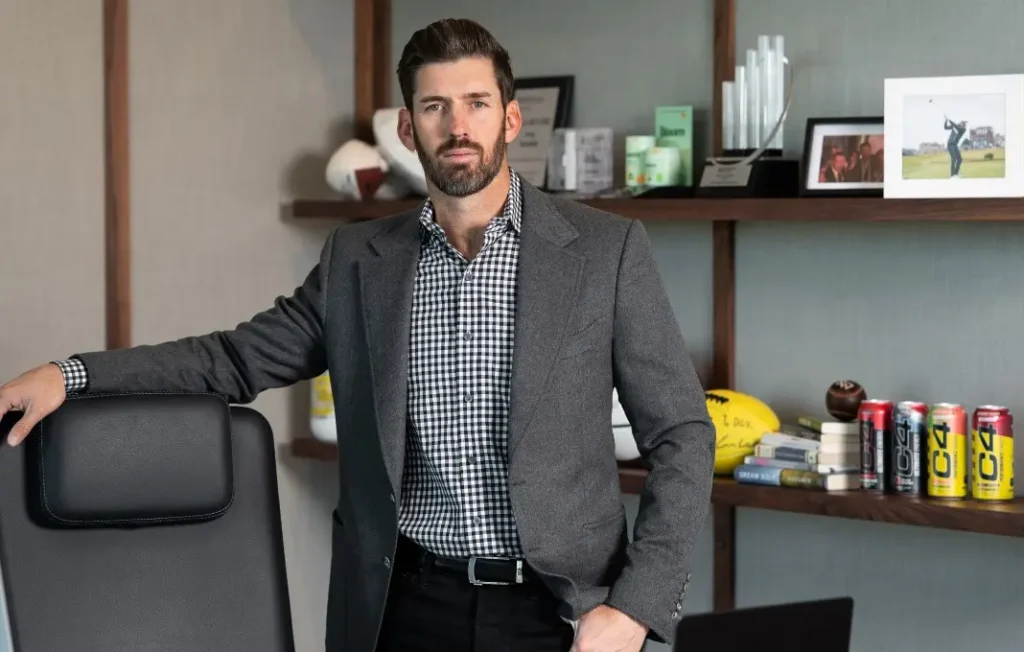
Nutrabolt CEO Doss Cunningham eloquently illustrates the potential pitfalls of an unbalanced approach to leadership. He employs the metaphor of scaling a colossal mountain. While navigating its treacherous terrain and even reaching its summit represent significant accomplishments, Cunningham questions the ultimate value of such a climb if the journey leaves essential aspects of life in ruins. "I see so many entrepreneurs go on this path," he shared during a podcast interview. "They find themselves at the top of the mountain having achieved so much…but then everything else is kind of left behind." This sentiment highlights a common narrative in the entrepreneurial world, where the singular focus on business success can lead to the neglect of personal well-being, family relationships, and individual fulfillment.
The ramifications of such a single-minded focus can be profound. Data from various studies consistently point to elevated stress levels and higher rates of burnout among entrepreneurs and senior leaders. A 2023 report by the Global Entrepreneurship Monitor indicated that a significant percentage of entrepreneurs experience symptoms of chronic stress, often directly linked to the demands of their ventures. This often translates into diminished personal health, strained relationships, and a reduced capacity for sustained creativity and strategic thinking – the very attributes essential for long-term leadership effectiveness.
The Principle of Intentional Investment
SailPoint CEO Mark McClain distills the concept of balance into a fundamental principle: the return on investment in life mirrors the investment made. His philosophy, as articulated on the podcast, emphasizes the critical need for intentionality in nurturing all facets of one’s existence. "If you are awesome at business, but you don’t intentionally spend time on the many other dimensions of your life, you will likely have a really great business and not a great life," McClain stated. This perspective underscores that a fulfilling life is not an accidental byproduct of professional success, but rather a deliberate construction that requires consistent effort and attention.
McClain’s viewpoint is supported by psychological research suggesting that individuals who cultivate a strong sense of purpose and connection outside of their work tend to exhibit greater resilience, higher levels of life satisfaction, and a reduced likelihood of burnout. The principle of investing time and energy in personal relationships, health, hobbies, and community engagement acts as a crucial buffer against the stresses of professional life, fostering a more robust and sustainable leadership capacity.
The Underrated Value of the "98 Percent"
Two-time NBA champion Shane Battier, renowned for his tenacious defense and instrumental role in championship victories, draws a parallel to his athletic career. Battier emphasizes that while spectacular plays and scoring "highlights" capture public attention, it is the relentless effort and dedication in the moments between these flashes of brilliance that truly define greatness. "Everyone likes highlights, but it’s all that you do in between that matters most," he explained. For Battier, his career was a testament to sustained effort, recognizing that true success is cultivated in the unseen hours of training, preparation, and dedication. "If you want to be great," Battier advised, "You got to own the 98 percent."
This concept of "owning the 98 percent" resonates deeply with the film room analogy. In sports, as in business, the critical work often occurs away from the cameras and the adulation. This includes rigorous analysis of performance, strategic planning, skill development, and the cultivation of team cohesion. Battier’s perspective suggests that leaders who can effectively manage and find fulfillment in these less visible, yet foundational, aspects of their lives are better positioned for enduring success and personal well-being. The 2% of spotlight moments are insufficient to sustain long-term performance without the foundation of the 98% of diligent, often uncelebrated, effort.
Reclaiming Essential Moments and Seeking Perspective
The insights from the "Corporate Competitor" series extend beyond individual effort to encompass the importance of prioritizing key life moments and leveraging external support. Doss Cunningham, reiterating his earlier point, highlights the irreplaceable nature of time spent with family. He poses a poignant question, reflecting on the moments that truly matter in retrospect: "When are you going to spend more time at home? Like [when your child asks], When are you going to be able to come to my baseball game?" These seemingly small moments, when viewed through the lens of a lifetime, often hold far greater significance than the daily triumphs of business. The pressure to consistently be "on" for work can lead to missed opportunities for connection and support within families, impacting not only the leader but also their loved ones.
Alan Mulally, the former CEO of Ford and Boeing, offers a crucial perspective on navigating the challenges of leadership, particularly when the demands become overwhelming and the focus too narrowly fixed on one area. Mulally advocates for seeking out and actively engaging with others for support and varied viewpoints. "Everybody can help each other," he stated, "talk to each other about what’s working and what’s not." This principle of collaborative problem-solving and mutual support is vital for maintaining perspective and preventing the isolation that can exacerbate burnout. In a corporate environment, this translates to fostering a culture where open communication and a willingness to seek and offer assistance are encouraged, creating a more resilient and adaptable leadership team.
The Broader Impact and Implications
The lessons drawn from the "film room" of "Corporate Competitor" carry significant implications for both individual leaders and the organizations they helm. The prevailing narrative of relentless hustle and sacrifice as the sole pathway to success is being challenged by a more holistic and sustainable model. As leaders increasingly recognize that personal well-being is not a trade-off for professional achievement but rather a prerequisite for it, the potential for more resilient, innovative, and ethical leadership emerges.
The analysis suggests a shift in organizational culture. Companies that foster environments where work-life integration is valued, where leaders are encouraged to prioritize their health and family, and where open dialogue about challenges is facilitated, are likely to see higher employee engagement, reduced turnover, and ultimately, more sustainable business growth. The data on employee burnout and its impact on productivity and innovation is substantial; reports from organizations like Deloitte consistently highlight the negative correlation between burnout and organizational performance. By addressing the root causes of burnout, including unrealistic expectations and a lack of support, companies can unlock greater potential.
Furthermore, the emphasis on the "unseen" work – the 98 percent that Battier champions – points to the importance of recognizing and valuing contributions that may not always be in the spotlight. This extends beyond individual leaders to encompass the entire workforce, fostering a culture of appreciation for all forms of effort and dedication.
In essence, the "film room" approach to leadership development is not merely about refining business strategies; it is about cultivating well-rounded, resilient individuals who can achieve extraordinary things without sacrificing their fundamental humanity. The wisdom gleaned from these diverse leaders serves as a compelling call to action for a more balanced, intentional, and ultimately, more profoundly successful approach to leadership in the 21st century. The pursuit of greatness, it appears, is not solely defined by the summit reached, but by the sustainable and fulfilling journey taken to get there.