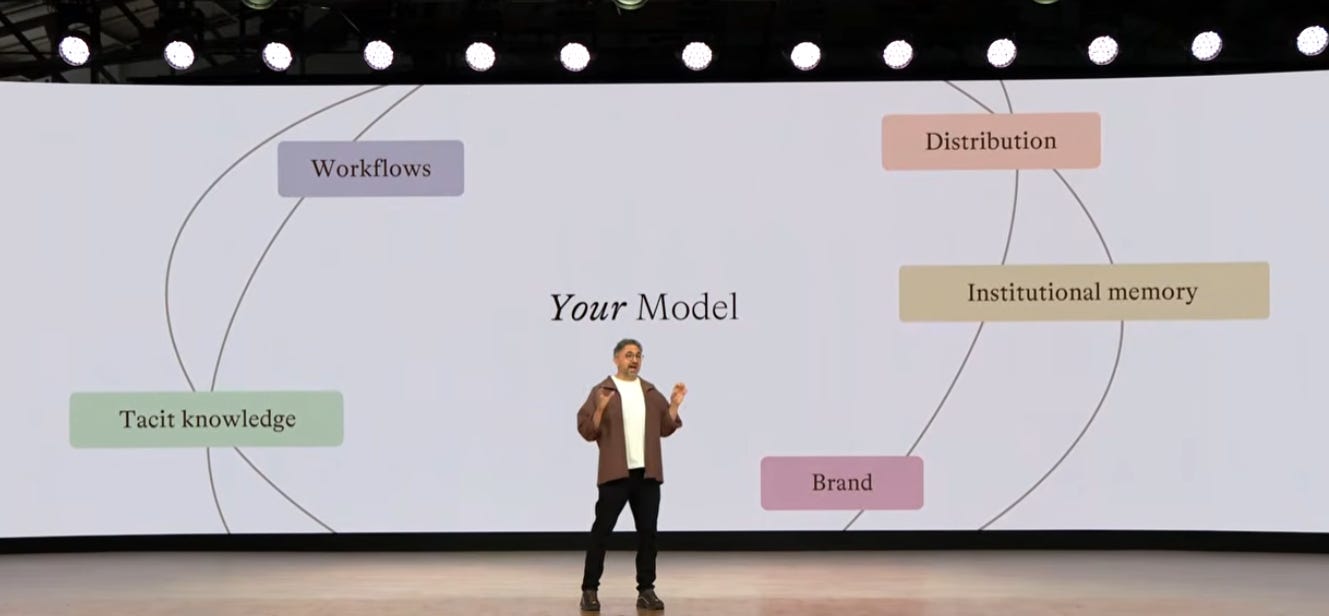
The landscape of enterprise artificial intelligence is undergoing a profound transformation, moving beyond traditional software applications to intelligent agents that learn, adapt, and effectively embody a company’s unique operational DNA. This shift, exemplified by Microsoft’s advancements with Copilot, signifies a pivotal moment where AI is no longer merely a tool but an integrated extension of the organization itself. The core innovation lies in AI agents and superagents, as described in the HR 2030 architecture, which are fundamentally different from conventional systems. They are designed to absorb, internalize, and operationalize a company’s tacit knowledge, historical experiences, policies, and cultural nuances, thereby becoming indispensable extensions of the enterprise.
This evolution was powerfully demonstrated through the integration of Galileo intelligence into Microsoft Copilot. This strategic partnership saw the system ingest and retrain itself on a company’s proprietary intellectual property. Early testing by the Microsoft HR team revealed astoundingly more useful, detailed, and trustworthy outputs, attributed to the AI’s ability to cite knowledgeable sources for every inquiry. The result was a Copilot that functioned as a world-class HR business partner and management consultant, deeply understanding the specific context of its corporate environment.
Microsoft is now productizing this capability, enabling organizations to "fine-tune" their Copilots. This allows IT or HR departments to embed company-specific policies, hiring guides, pay practices, onboarding procedures, and a myriad of other internal directives directly into the AI system. This process "institutionalizes" this knowledge, making it an intrinsic part of the AI’s operational framework.
A Key Advancement: Frontier Tuning and Reinforcement Learning
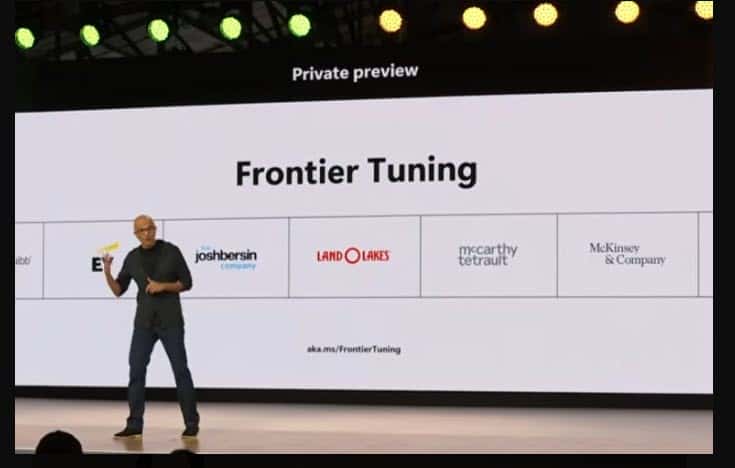
A critical differentiator in this advancement is Microsoft’s "Frontier Tuning" system, which goes beyond traditional Retrieval Augmented Generation (RAG) implementations. Unlike RAG, which primarily retrieves information, Frontier Tuning enables the AI system to learn on its own. Microsoft refers to this as the "Reinforcement Learning Environment," a mechanism that allows the AI agent to continuously improve based on real-world feedback from users. This autonomous learning capability is crucial for AI systems operating within dynamic enterprise environments.
This groundbreaking work was showcased at the Build 2024 conference in San Francisco, where demonstrations highlighted the profound power of this approach. Beyond embedding third-party intelligence like Galileo, organizations can now seamlessly integrate their own bespoke corporate practices. Satya Nadella, Microsoft’s CEO, underscored this vision in his keynote address to the CEO council, emphasizing that the true value of an AI model lies in its uniqueness and customization to a specific company, rather than its broad dissemination. For the enterprise AI sector, this translates to making it significantly easier for IT and HR departments to tune, optimize, and personalize these powerful systems.
The "Harness" for AI Models: A Flexible Ecosystem
Microsoft Copilot’s new "harness" architecture offers a flexible platform capable of hosting various AI models, including those from OpenAI, Anthropic, Microsoft’s own developed models, and importantly, custom fine-tuned models. This architecture allows for specialized AI deployments. For instance, R&D teams could leverage their own fine-tuned models, trained on confidential internal data, to enhance their daily operations without compromising intellectual property.
Reinforced Learning Empowers Self-Improving Agents
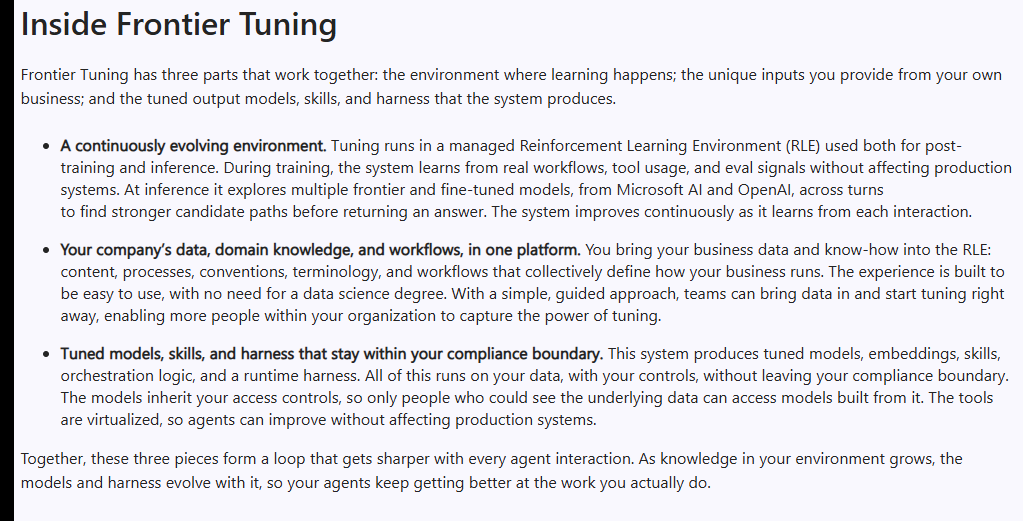
The autonomous nature of the Frontier Tuned model, utilizing "autonomous reinforced learning," is a significant leap forward. This technology allows the AI to continuously enhance its capabilities over time, mirroring human learning processes. The "Agent Lightning" project overview provides further insight into this research. By enabling this reinforcement learning agent, administrators can solicit feedback on the utility of AI actions, allowing the model to self-train and adapt to evolving needs.
A practical example of this was demonstrated with Microsoft’s internal crisis management agent. While effective for many scenarios, geopolitical events like the war in Ukraine and subsequent conflicts introduced new challenges, such as employees facing communication blackouts and requiring relocation. The reinforcement learning feature enabled this agent to autonomously update its understanding and incorporate new policies to address these emergent situations.
While other methods exist for "training" Microsoft Copilot, such as the Microsoft Graph Connector, which allows access to data across SharePoint, PowerPoint, Word, Outlook, and Work IQ, these are not as deeply integrated. The reinforcement learning capabilities, crucial for autonomous improvement, are specifically tied to the Frontier Tuning approach.
Microsoft’s Strategic Push with In-House AI Models
Beyond the fine-tuning capabilities, Microsoft has made significant strides in developing its own suite of AI models. Under the leadership of Mustafa Suleyman, the company announced the release of seven new models, meticulously optimized for specific business use cases. Historically, contractual agreements with OpenAI had limited Microsoft’s ability to develop its own cutting-edge models. However, this has now changed, positioning Microsoft to compete directly with leading models like Anthropic’s Claude and OpenAI’s GPT series.
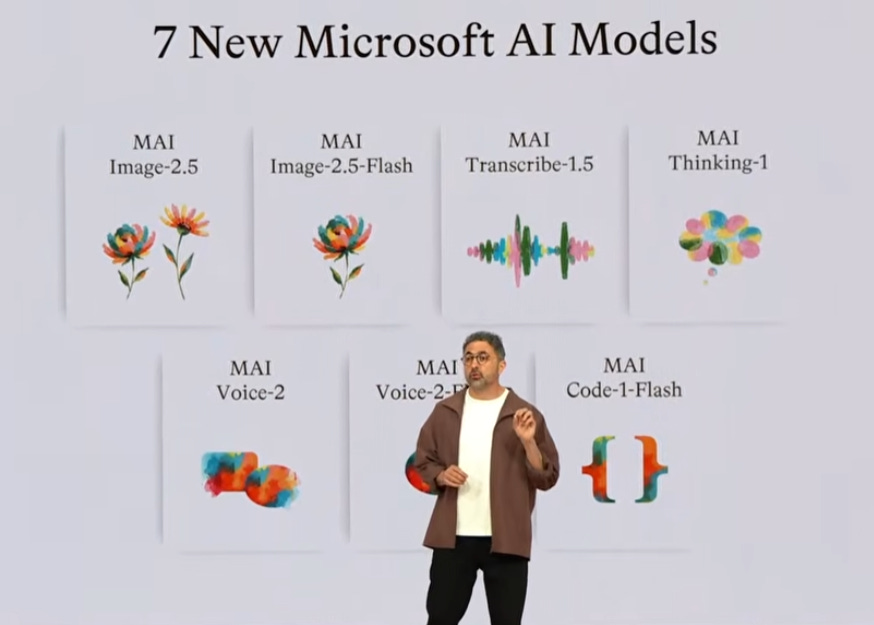
This strategic shift provides Microsoft with a cost-effective and clean set of AI models for its enterprise offerings. The development of these proprietary models is driven, in part, by a desire to reduce reliance on third-party providers. As Suleyman stated, the company aims to "reduce and ultimately eliminate" the substantial costs associated with using external models like those from Anthropic.
The advantage of these new Microsoft models lies in their efficiency and clean licensing, avoiding the potential IP concerns associated with models trained on broad internet data. For businesses, this offers a more secure and predictable AI foundation. A critical distinction highlighted is the approach to data usage. Unlike some third-party models where user data, if not explicitly excluded, can be used for training and potentially shared with other customers, Microsoft’s proprietary models are designed with enhanced data privacy in mind. This is particularly significant for intellectual property-conscious organizations.
Industry Applications and Partnerships
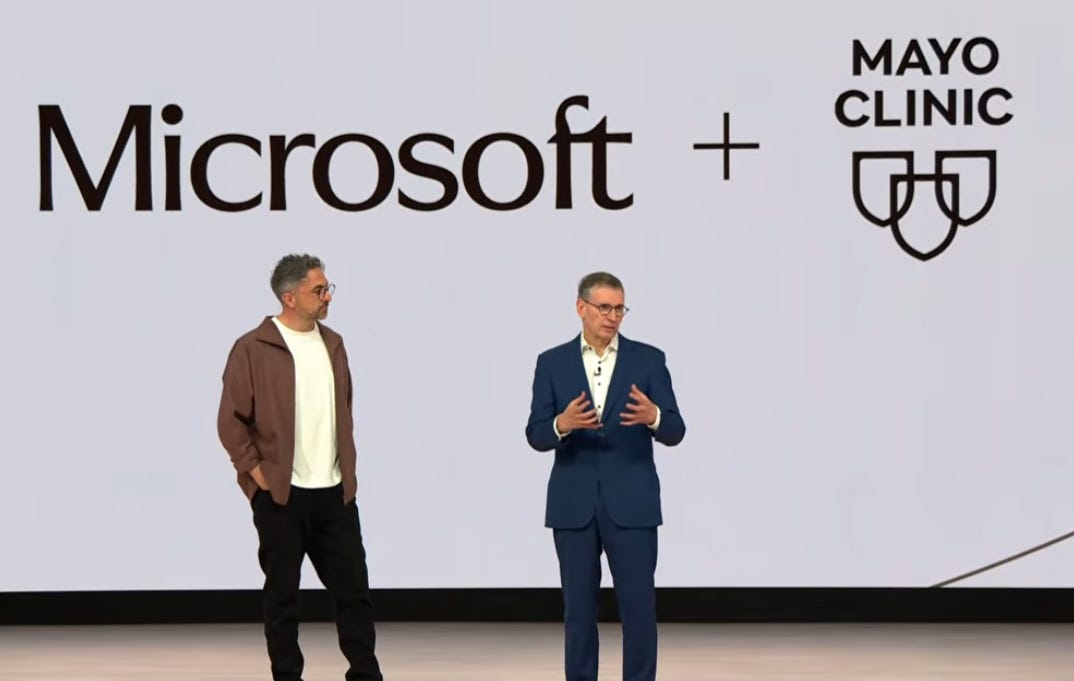
The impact of this technological evolution is already being felt across various sectors. Mayo Clinic, for instance, is collaborating with Microsoft to develop a "New Frontier Model for Healthcare." This specialized model is designed to assist clinicians by integrating deep knowledge of effective clinical practices. This mirrors the approach taken in human capital management, where best practices are observed, studied, and documented.
In a compelling case study, Land-O-Lakes utilized Microsoft’s MAI-Thinking-1 reasoning model to automate tasks within its butter formulation process. By fine-tuning a copy of the model with thousands of internal documents, Teams messages, and Outlook emails, the company achieved remarkable results. According to Microsoft senior product manager Tanaya Yadav, the customized MAI-Thinking-1 proved to be more accurate and ten times more cost-efficient than OpenAI’s GPT-4.5.
For those interested in the technical underpinnings, a detailed demonstration of Microsoft’s Fine-Tuned Copilot for HR Onboarding is available, offering a glimpse into its practical applications. The company is actively engaging with partners to develop solutions leveraging this technology, particularly for Microsoft-centric enterprises seeking employee self-service and related AI functionalities.
The strategic direction championed by Microsoft, with its focus on enterprise-grade, customizable AI, appears robust. The company’s established market presence and leadership in the enterprise software space suggest that this approach to AI holds significant long-term potential.
Broader Implications for the Enterprise AI Market
The advancements in enterprise AI, particularly in the realm of customizable and self-improving agents, signal a departure from one-size-fits-all solutions. The ability to "institutionalize" proprietary knowledge and policies within AI systems offers a competitive advantage, ensuring that AI operations align precisely with an organization’s strategic objectives and operational ethos.
The emphasis on secure, proprietary models also addresses growing concerns around data privacy and intellectual property leakage. As businesses increasingly rely on AI for critical functions, the assurance that their sensitive data remains within their control is paramount.
The "harness" architecture further democratizes AI development, allowing organizations to select and integrate the most suitable models for their specific needs, fostering a more agile and adaptable AI ecosystem. This flexibility, combined with the power of autonomous learning, positions enterprise AI as a dynamic force capable of driving continuous innovation and efficiency.
The future of enterprise AI appears to be one where intelligent agents are not just tools but deeply integrated partners, learning and evolving alongside the organizations they serve, thereby redefining the very nature of how businesses operate.
Additional Information
For further exploration of these topics, several resources are available:
- Podcast: Addressing the High Cost of AI, Frontier Fine-Tuning, Edge Computing, Microsoft, and Nvidia.
- Galileo Platform: All research and podcasts are accessible via the Galileo platform.
- Related Articles:
- The Reinvention of Workday: From System of Record to Platform of Agents
- Could Microsoft Win The War For Enterprise AI?
- The AI vs. Labor Economy, Why Benefits Are Being Cut, The Role of Legacy Systems
- The Context Layer (Semantic Layer) In Enterprise AI (And Where Business Rules Go)
- The Superagent for HR: Galileo Mars Release