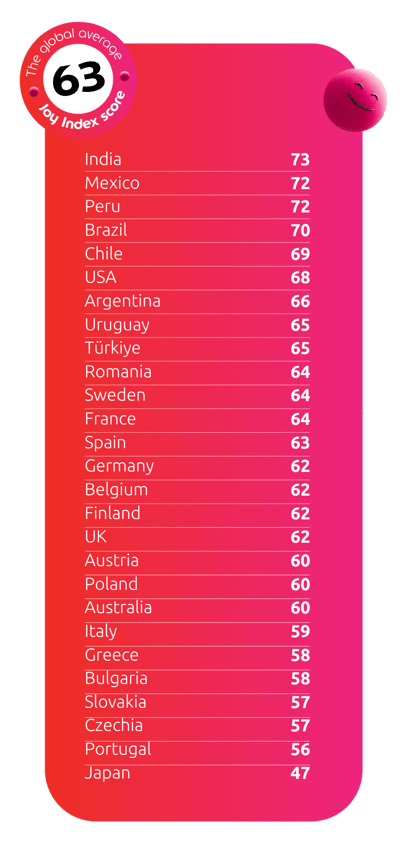
The concept of "workplace joy" might sound like an abstract ideal, but new research suggests it has a profound and measurable connection to critical business metrics such as employee retention, productivity, and engagement. Edenred’s comprehensive Global Workplace Joy Index Report, which surveyed 26,000 individuals across 27 international markets, aims to demystify this sentiment by exploring its global manifestations, influencing factors, and ultimate impact on organizational success.
Complementing the global findings, Reward Gateway | Edenred has also published a U.S.-focused report. This in-depth analysis, drawing on the responses of 1,000 U.S. employees and 1,000 HR leaders, delves into the specific experiences of American workers, the return on investment (ROI) of fostering joy in the workplace, discrepancies between employee and HR perceptions, and the role of benefits and recognition in shaping the overall employee experience.
The Imperative of Workplace Joy in a Shifting Economic Landscape
The timing of this research is particularly significant. In an era marked by economic uncertainty, job market volatility, and a discernible shift in organizational priorities from employee experience to business needs—evidenced by return-to-work initiatives, layoffs, and pressure for increased output with fewer resources—the concept of workplace joy emerges as a vital humanizing element.
"Bringing something human and uplifting—like joy—into your cultural conversation is a great way to engage with employees and candidates and differentiate in the market," the report suggests, drawing an analogy to the energetic and engaging style of sports broadcasts like "Knicks in Five" to illustrate the potential for injecting similar vibrancy into daily work. This sentiment underscores the growing recognition that fostering a positive emotional climate at work is not merely a perk but a strategic imperative.
The research highlights several key findings that underscore this imperative:
Joy as a Predictor of Employee Retention
A striking correlation emerges between an employee’s level of joy at work and their intention to remain with their current employer. In the United States, the report found that a remarkable 96% of employees experiencing high levels of workplace joy anticipate staying with their organization for at least the next 12 months. This stands in stark contrast to the 58% of employees reporting low levels of joy who hold similar intentions. This substantial 38-percentage-point difference positions workplace joy as a crucial factor in strategic retention planning and employee lifecycle management.
This data provides tangible evidence for HR professionals and business leaders to integrate discussions around fostering joy into their retention strategies. Understanding the drivers of joy can lead to targeted interventions that not only boost morale but also directly contribute to a more stable and experienced workforce, thereby reducing the significant costs associated with employee turnover.
The Direct Link Between Joy and Perceived Productivity
Beyond retention, workplace joy is intrinsically linked to an employee’s sense of productivity. The report indicates that 75% of high-joy workers report feeling more productive than they did a year prior. Conversely, only 28% of low-joy workers share this sentiment. This significant disparity suggests that an environment that cultivates positive emotions can unlock greater individual and collective output.
The implications for businesses are profound. By investing in initiatives that enhance employee joy, organizations may not only improve morale but also see a direct uplift in operational efficiency and performance. The report encourages a deeper exploration into the factors that influence an employee’s desire to stay and the daily drivers of their productivity, suggesting that these elements are often intertwined with their overall emotional experience at work.
The Foundational Role of Benefits in Employee Experience
The research firmly establishes that employee benefits are far more than a supplementary offering; they are a cornerstone of the employee experience and a significant contributor to workplace joy. In the U.S., a substantial 74% of workers deem benefits to be as important as, or more important than, their salary. This figure rises even higher, to 85%, among hybrid workers, underscoring the heightened value placed on comprehensive benefits packages in flexible work environments.
When asked about organizational actions that could foster joy, employees overwhelmingly prioritized "good benefits" at the top of their list. Furthermore, the data reveals a clear quantitative difference: employees experiencing high levels of joy report receiving an average of five benefits, compared to an average of three benefits for those experiencing low joy. This suggests that a robust and well-communicated benefits program is not only a retention tool but a powerful driver of positive employee sentiment and overall job satisfaction.
The report highlights the need for organizations to critically assess their benefits offerings, ensuring they are competitive, relevant to the needs of their diverse workforce, and effectively communicated. The strategic provision of benefits can be a key differentiator in attracting and retaining talent, while also directly contributing to the emotional well-being and happiness of employees.
The Power of Recognition: An Underutilized Tool
Recognition and appreciation are consistently cited as integral components of a joyful work experience. However, the report reveals a significant gap in the consistent delivery of such acknowledgments. In the U.S., a concerning 18% of workers report receiving no formal or informal recognition from their manager in a typical month.
The findings further illuminate the impactful, yet often overlooked, benefit of even minimal recognition. Employees who receive just one additional instance of manager recognition per month demonstrate higher engagement levels and are more likely to report feeling productive. This underscores the principle that small, consistent acts of appreciation can have a disproportionately positive effect on employee morale, motivation, and perceived value.
This data serves as a clarion call for organizations to reinforce the importance of managerial recognition. Implementing structured recognition programs, providing managers with training on effective appreciation techniques, and fostering a culture where acknowledging contributions is commonplace can yield significant returns in employee engagement and productivity, without necessarily incurring substantial financial costs.
Bridging the Perceptual Divide: HR vs. Employee Views on Joy
A notable discrepancy exists between how HR leaders and employees perceive the level of workplace joy. U.S. HR leaders rated workplace joy at an average of 8.1 out of 10. In contrast, employees themselves reported their own joy levels at a lower average of 7.0 out of 10. This 1.1-point gap is significant and emphasizes the critical need for organizations to move beyond assumptions and actively solicit direct feedback from their workforce.
This divergence highlights a potential blind spot for many organizations. While HR leaders may believe they are effectively fostering a positive environment, employees may be experiencing it differently. This underscores the importance of continuous dialogue, anonymous feedback mechanisms, and inclusive listening strategies to gain an accurate understanding of the employee sentiment and to identify areas where perceptions and realities do not align.

Broader Implications and the Path Forward
The U.S. report from Edenred and Reward Gateway offers compelling evidence for HR and benefits leaders, providing a data-driven foundation for discussions surrounding employee experience, benefits strategy, and recognition programs. The central thesis is not about finding a singular formula for workplace joy, but rather about emphasizing the critical importance of paying attention to how employees feel. Understanding the nuanced differences in experience across various employee groups is paramount for leaders to ask more insightful questions and to focus their efforts where they will have the greatest impact.
The research suggests a strategic imperative for organizations to:
- Prioritize Employee Sentiment: Actively measure and understand employee feelings about their work environment, moving beyond traditional engagement surveys to capture the nuances of joy and well-being.
- Invest in Meaningful Benefits: Ensure benefits packages are comprehensive, competitive, and tailored to the diverse needs of the workforce, recognizing their significant contribution to job satisfaction and retention.
- Cultivate a Culture of Recognition: Empower managers and employees to regularly acknowledge contributions, understanding that consistent and sincere appreciation is a powerful driver of motivation and productivity.
- Bridge the Perceptual Gap: Implement robust feedback mechanisms to ensure that organizational initiatives align with the actual experiences and perceptions of employees, fostering transparency and trust.
By embracing the insights from the Global Workplace Joy Index Report, organizations can move towards creating workplaces where employees not only perform their duties but thrive, leading to sustainable success and a more positive and productive future for all. The report serves as a vital resource for leaders seeking to understand and enhance the fundamental human element of work, ultimately driving tangible business outcomes through the cultivation of genuine workplace joy.