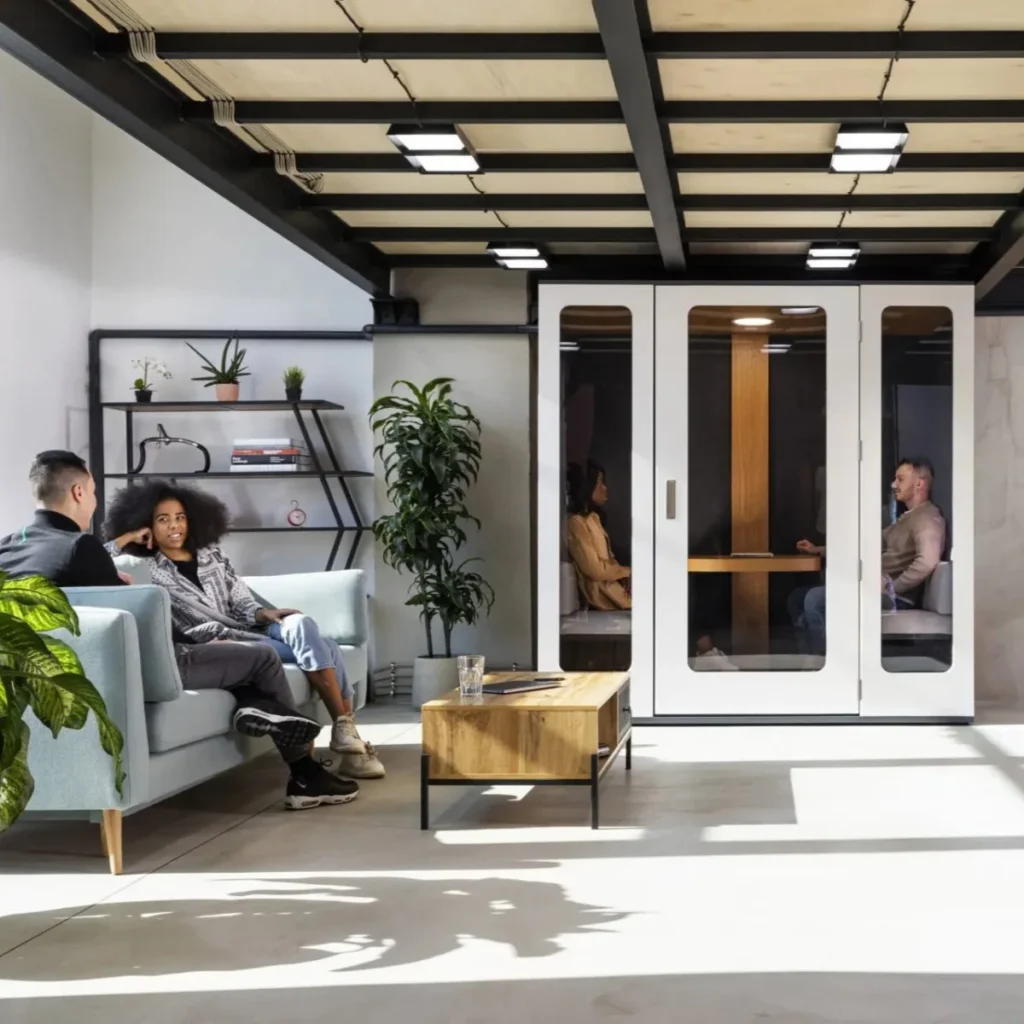
The modern office, once a monolithic expanse of desks and meeting rooms, is undergoing a profound transformation. As the dust settles on the widespread adoption of hybrid work models, a new equilibrium is emerging. Companies are witnessing a discernible shift in employee attendance, with a significant increase in those opting for a consistent presence in the office for a substantial portion of the week. This revitalized office occupancy, however, presents a fresh set of challenges and opportunities, particularly concerning the optimal utilization of existing space. The rise of acoustic office pods, exemplified by innovative designs from companies like MEAVO, is emerging as a pivotal solution, offering a flexible and efficient way to meet the diverse spatial demands of a hybrid workforce.
The Resurgence of the Office: Data Points to Increased In-Person Collaboration
Recent industry reports paint a clear picture of a workplace reawakening. JLL’s Global Occupancy Planning Benchmark Report 2026, a comprehensive study tracking workplace trends, revealed a substantial uptick in office attendance. The data indicates that 55% of employees are now commuting to the office three to four days per week, a notable 19 percentage point increase within a single year. Furthermore, a majority of organizations, specifically 62%, have implemented fixed office days, signaling a move towards more predictable in-office schedules. Global office utilization has climbed to 56%, a figure that steadily inches closer to pre-pandemic benchmarks.
This trend is corroborated by CBRE’s 2026 Global Workplace and Occupancy Insights, which reports average peak office utilization reaching an impressive 80%. These figures are more than just statistics; they represent a conscious choice by employees to engage in in-person collaboration, fostering a more dynamic and productive office environment. This renewed engagement, while positive, necessitates a strategic re-evaluation of how office spaces are allocated and utilized to accommodate the collective presence of teams.
Reimagining Space Allocation: From Large Meeting Rooms to Micro-Environments
The traditional office layout, often characterized by large, multi-purpose meeting rooms, is proving to be increasingly inefficient for the nuanced demands of hybrid work. While these rooms remain essential for significant team gatherings, workshops, and client presentations, they are frequently overbooked or underutilized for activities that require far less space. The prevalent use of video conferencing, even for internal communications, means that solo calls, quick one-to-one check-ins, and periods of focused individual work now constitute a significant portion of in-office activity.
Consequently, these smaller, more personal interactions often find themselves vying for space in larger meeting rooms, leading to inefficiencies and a bottleneck in booking availability. The challenge, therefore, is not necessarily about acquiring more square footage, but about optimizing the existing footprint to provide a spectrum of spaces that cater to every type of work activity.
The Acoustic Pod Solution: Tailored Spaces for Every Conversation
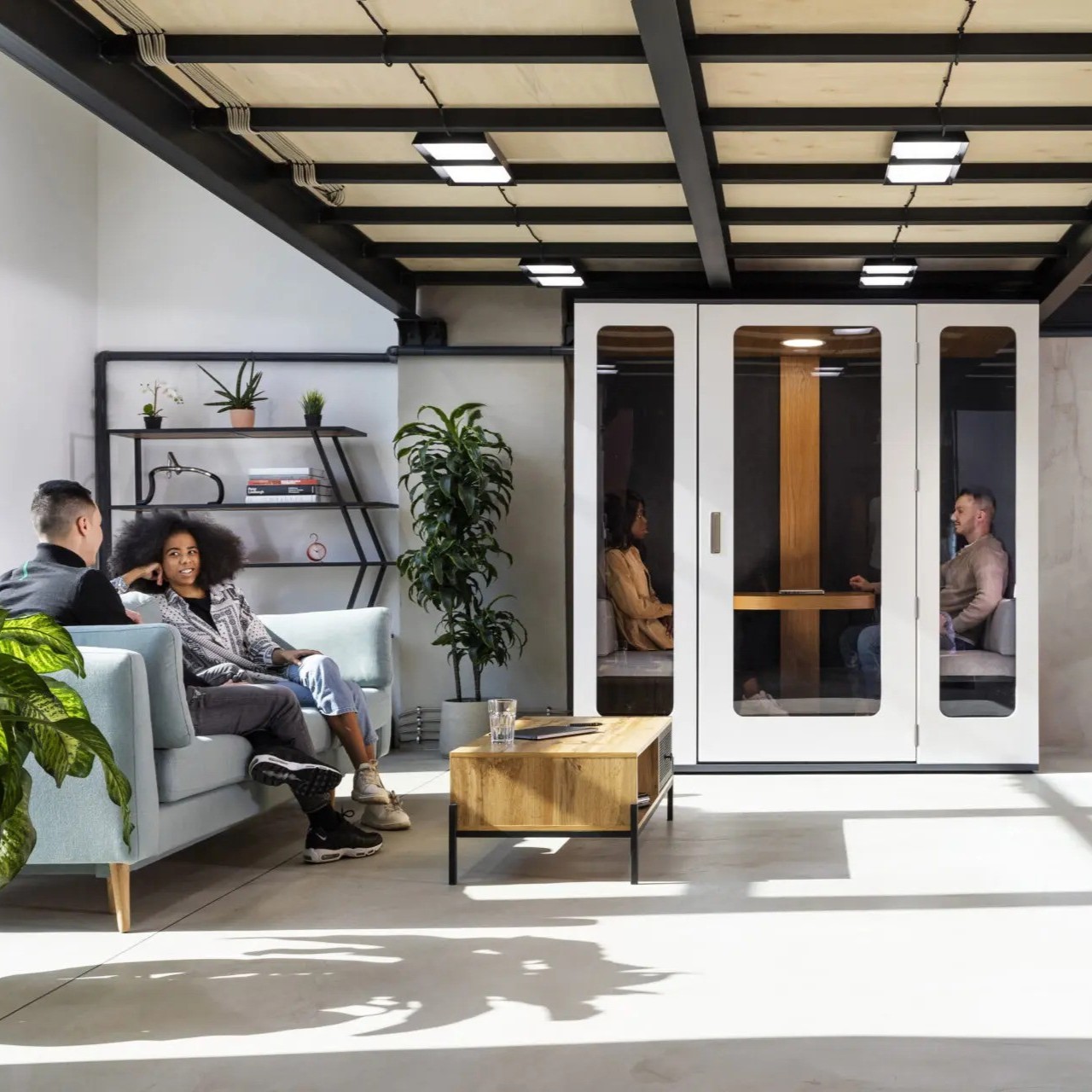
Acoustic office pods, such as those designed by MEAVO, offer a compelling and adaptable solution to this spatial dilemma. These modular units are engineered to provide acoustically private and comfortable environments, effectively creating "homes" for every type of interaction within the open-plan office. By strategically placing these pods, organizations can liberate larger meeting rooms for their intended purpose, while simultaneously offering employees dedicated spaces for their individual and small-group needs.
The core benefit of acoustic pods lies in their ability to address the growing demand for quiet, private settings within a bustling office. The inherent nature of hybrid work, with its reliance on virtual communication, means that employees frequently need to step away from the general noise and distractions of an open floor plan. Pods provide this crucial sanctuary, allowing for clear and confidential conversations without disturbing colleagues or being overheard. This not only enhances individual productivity but also contributes to a more harmonious and respectful workplace atmosphere.
A Diverse Range of Pods for Evolving Needs
The modern acoustic pod market offers a variety of formats, allowing companies to curate a mix that precisely aligns with their unique operational dynamics and employee workflows.
-
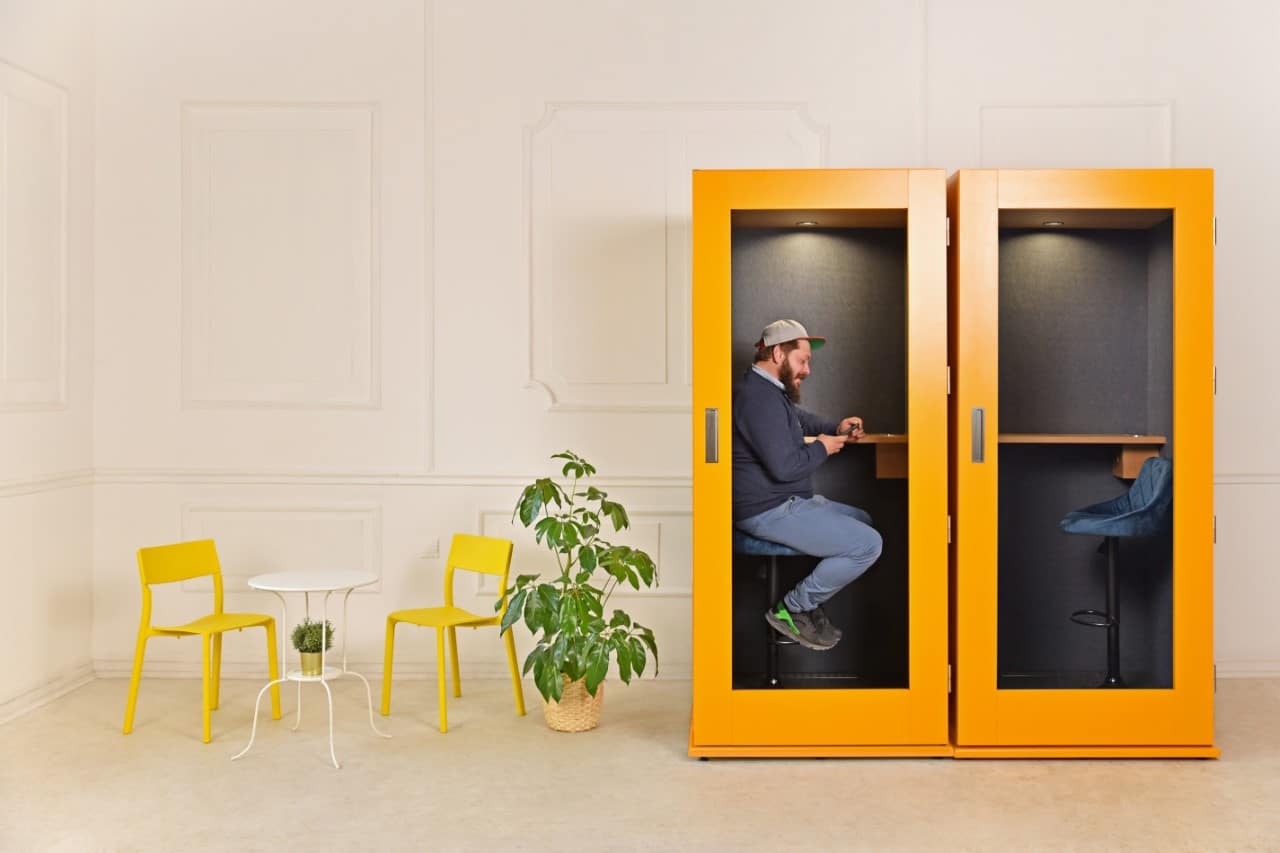
Single-Person Phone Booths: These compact units are specifically designed for individual calls, video conferences, and moments of deep focus. Their primary function is to offer a private, acoustically sealed environment where users can conduct their business without interruption or causing disruption. These are ideal for frequent, short-duration interactions.
-
Meeting Pods for Small Groups (Up to Four People): These pods are engineered to facilitate small team huddles, informal planning sessions, and hybrid meetings involving a few individuals. Equipped with comfortable seating, a table, and often integrated technology for video conferencing, they provide a dedicated space for collaborative discussions that do not require the formality or scale of a traditional meeting room.
The strategic deployment of these pods can transform an office floor. For instance, a busy area might feature several phone booths, while quieter zones could house individual focus pods. Meeting pods can be strategically positioned near team neighborhoods, ensuring that collaborative spaces are readily accessible when needed. This flexible toolkit allows for a highly customized approach to space planning, ensuring that each unit serves a specific and valuable purpose.
Maximizing Value: The Economic and Practical Advantages of Pods
Office space represents a significant financial investment for any organization, encompassing rent, business rates, service charges, energy consumption, and fit-out costs. Lambert Smith Hampton’s Total Office Cost Survey provides a benchmark, indicating that a single workstation can occupy approximately 100 square feet. In stark contrast, a single-person phone booth typically occupies little more than a square meter, representing a fraction of that footprint.
This spatial efficiency translates directly into economic benefits. By migrating calls and small meetings into pods, larger meeting rooms are freed up, effectively increasing meeting capacity without necessitating additional floor space. This is a critical consideration for organizations planning for growth or reviewing their lease agreements, as it enables them to accommodate more personnel and activities within their existing premises.
Beyond cost savings, acoustic pods offer unparalleled flexibility. Unlike fixed, built-in rooms, pods are freestanding units that can be installed quickly, often without disruptive construction or alterations. Their modular nature allows them to be easily repositioned as teams evolve or organizational structures change. Furthermore, in the event of a relocation, these pods can be disassembled and transported to a new office, preserving the investment and providing ongoing value across different workspaces. This adaptability aligns with the dynamic nature of modern business, offering a sustainable and forward-thinking approach to space utilization.
The financial implications are substantial. The cost of creating meeting capacity through pods and booths is significantly lower than constructing new rooms or expanding leased space. This avoidance of construction expenses, additional rent, and associated charges directly impacts the bottom line. Moreover, the portability of pods means that the initial investment continues to yield returns over multiple office moves, making them a more cost-effective long-term solution compared to traditional built environments. For many businesses, acoustic pods are not just a spatial upgrade but a strategic financial decision.
Strategic Implementation: A Phased Approach to Workplace Optimization
Successfully integrating acoustic pods into an office environment requires a thoughtful and data-driven approach. Organizations looking to leverage these solutions should begin by thoroughly understanding their current office utilization patterns.
Understanding Your Workplace Dynamics
-
Analyze Meeting Room Usage: A crucial first step involves meticulously examining how existing meeting rooms are booked and utilized over a defined period. This analysis should focus on the typical number of attendees for each booking and the frequency with which rooms are used for solo calls or small, informal conversations. This data will highlight the mismatch between available space and actual needs.
-
Plan for Peak Demand: The hybrid office model often sees a concentration of employee attendance on specific days, typically mid-week. Workplace design and space allocation should be planned around these peak attendance days, rather than relying solely on weekly averages, to ensure sufficient resources are available when most needed.
-
Initiate with a Pilot Program: A practical approach to adoption involves starting with a pilot program. Introducing a curated selection of phone booths and meeting pods in high-traffic areas allows for real-world testing and user feedback. This phase provides invaluable insights into how these spaces are being used and what adjustments might be necessary.
-
Iterate and Refine: Based on the feedback and usage data gathered during the pilot, organizations can refine their pod mix and placement strategy. This iterative process ensures that the final implementation is tailored to the specific needs of the workforce. Furthermore, insights gained can inform the redesign of freed-up traditional meeting rooms, transforming them into dedicated collaboration zones or social hubs.
The quality of the chosen pods is paramount to their success. Features such as verified acoustic performance, efficient and quiet ventilation systems, and adequate lighting are essential to ensuring that these spaces are not only functional but also genuinely pleasant and inviting for employees to use. A well-designed pod becomes an extension of the office that employees actively seek out.
The Future of the Office: Flexibility as the New Standard
Acoustic office pods represent a pragmatic and elegant solution to one of the most pressing design challenges of the hybrid workplace: how to provide the appropriate setting for every type of work activity. By offering dedicated, private spaces for calls, focused work, and small team interactions, these pods effectively unburden larger meeting rooms, allowing them to serve their intended purpose of fostering collaboration and strategic discussions.
The introduction of these modular spaces contributes to a calmer, more organized open-plan environment and ensures that every square foot of office real estate delivers maximum value. As offices continue to evolve towards becoming more purposeful and dynamic hubs for connection and collaboration, the flexibility and adaptability offered by acoustic pods are becoming indispensable. They are not merely furniture but integral components of a modern workplace strategy, designed to support a more efficient, productive, and employee-centric future for the office. The ability to seamlessly integrate these versatile solutions positions organizations to not only navigate the current landscape of hybrid work but to thrive in its evolving iterations.