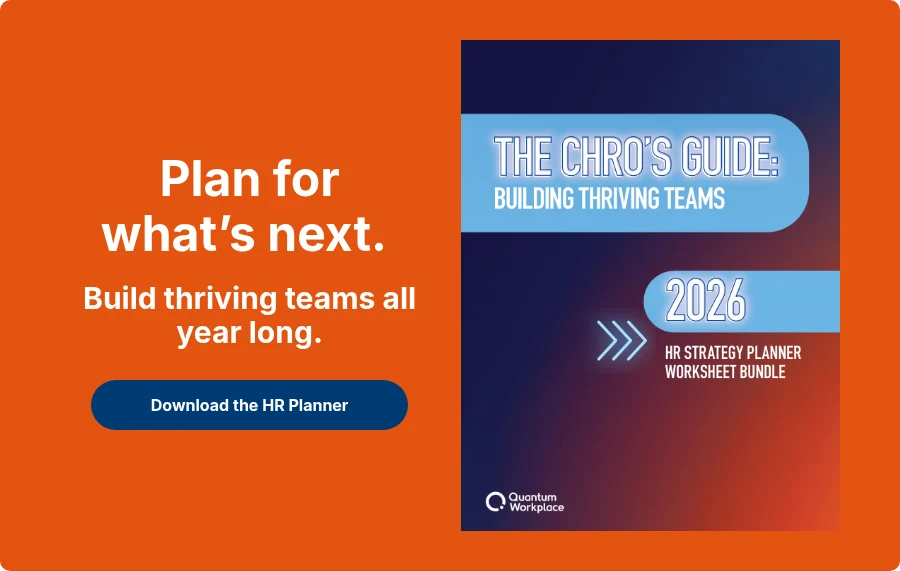
Talent remains the paramount driver of business outcomes, a fundamental truth that persists even as technological tools and strategic approaches undergo continuous evolution. Organizations that achieve sustained success are not merely those possessing the greatest resources, but rather those whose teams consistently deliver high performance and exhibit strong retention. Consequently, fostering team health has transitioned from a peripheral HR function to a core business imperative. The prevailing challenge lies in the fragmented nature of most people-centric investments. Disparate systems often measure engagement, manage performance, and facilitate development independently, with limited interoperability. The significant opportunity, therefore, resides in unifying these investments around a singular, overarching objective: enabling every team to thrive.
This article delves into the concept of thriving teams, outlining the essential conditions that foster their development and exploring how organizations, particularly through the strategic role of HR leaders, can cultivate these environments. It examines the underlying principles and practical applications, drawing insights from organizations like Quantum Workplace, which has dedicated over two decades to researching workplace dynamics and culture.
Defining Thriving Teams: The Nexus of Performance and Connection
At its core, the concept of a thriving team hinges on the simultaneous presence of high performance and strong connection. Performance quantifies what a team achieves, representing its tangible output and goal attainment. Connection, conversely, encompasses the depth of an individual’s tie to their work, their colleagues, and the overarching mission of the organization. When both these dimensions are robustly present, a team achieves a state of thriving. Conversely, deficiencies in either performance or connection can lead to detrimental outcomes such as straining, struggling, or drifting.
Consider a team that excels in delivering results but lacks a sense of camaraderie or purpose. While productive, its members may experience burnout due to the absence of a meaningful connection to their work or the organization’s objectives. Conversely, a team characterized by strong interpersonal relationships and a shared belief in the mission might falter if accountability is lax, leading to inconsistent results despite positive team dynamics. The recognition of this interconnectedness is crucial; engagement and performance are not mutually exclusive but rather synergistic forces that, when harmonized, create a potent recipe for retaining top talent and driving sustainable business growth.
Quantum Workplace’s research categorizes team dynamics along these two dimensions, illustrating four distinct team types:
- Straining Teams: Characterized by high performance but low connection. These teams push their members to their limits, often leading to burnout.
- Struggling Teams: Exhibit low performance and low connection. These teams stagnate, failing to achieve desired results and lacking positive interpersonal dynamics.
- Drifting Teams: Demonstrate low performance but high connection. While team members may feel good day-to-day, a lack of clear direction and accountability results in diminished output.
- Thriving Teams: Achieve high performance and high connection, fostering an environment of sustained productivity and strong employee commitment.
The distinction between these team types underscores the critical need for a holistic approach to talent management that addresses both individual contributions and collective well-being.
The Four Pillars of Thriving Teams
Building upon decades of workplace research, Quantum Workplace has identified four essential conditions that are consistently present in thriving teams: Alignment, Empowerment, Growth, and Value. These conditions are not independent but rather mutually reinforcing, creating a robust foundation for team success.
1. Aligned: Clarity of Purpose and Direction
Aligned teams possess a clear understanding of the organization’s overarching strategy and priorities. Crucially, they can articulate how their individual goals and daily tasks directly contribute to this larger strategic vision. This clarity of purpose fosters focus, while alignment provides a definitive sense of direction, ensuring that all efforts are channeled towards common objectives.
Signals a team isn’t aligned:
- Employees express confusion about how their work contributes to company goals.
- There is a lack of clear priorities, leading to wasted effort on non-essential tasks.
- Frequent shifts in direction without clear communication create uncertainty.
- Discrepancies exist between stated company goals and the daily activities of teams.
- Individual performance metrics are not demonstrably linked to broader organizational objectives.
2. Empowered: Autonomy, Voice, and Trust
Empowered teams are equipped with the necessary resources, information, and training to execute their responsibilities effectively. A critical component of empowerment is a management style that actively listens to and values employee feedback and ideas. This sense of voice extends beyond the immediate manager relationship, encompassing broader organizational structures that allow employees to share their experiences and witness leaders acting upon their input. Empowerment, therefore, represents a delicate balance of trust and accountability, where individuals are given the latitude to perform while being held responsible for their outcomes.
Signals a team isn’t empowered:
- Employees feel their feedback is not heard or acted upon by management.
- Lack of necessary tools, resources, or training hinders productivity.
- Decision-making authority is overly centralized, limiting autonomy.
- Employees are hesitant to voice concerns or propose new ideas due to fear of reprisal.
- There is a perceived disconnect between leadership communication and operational realities.
3. Growing: Skill Development and Future Readiness
Growing teams are characterized by a commitment to developing the skills necessary for current demands while simultaneously preparing for future organizational needs. This growth is not a singular event but an ongoing process, nurtured by managers who actively invest in the professional development of their team members. This proactive approach to skill enhancement ensures that individuals remain relevant and that the organization can adapt to evolving market landscapes.
Signals a team isn’t growing:
- Employees express a lack of opportunities for skill development or career advancement.
- There is a perceived stagnation in the skills possessed by team members.
- The organization struggles to adapt to new technologies or methodologies due to skill gaps.
- Managers do not actively engage in career development discussions with their teams.
- Lack of investment in training programs or professional development resources.
4. Valued: Recognition, Fairness, and Appreciation
Valued teams feel recognized for their contributions through equitable compensation and meaningful appreciation. Top performance is celebrated, and rewards are directly linked to tangible results, reinforcing the connection between effort and recognition. Employees who feel valued are more likely to exhibit higher levels of performance and commitment, while those who feel undervalued are at a greater risk of attrition. This sense of being seen and appreciated is fundamental to fostering loyalty and driving sustained engagement.
Signals a team doesn’t feel valued:
- Employees perceive pay and benefits as unfair or below market rates.
- Contributions and achievements are not consistently recognized or celebrated.
- There is a lack of clear criteria for rewards and promotions, leading to perceptions of favoritism.
- Employees feel their efforts are taken for granted.
- High turnover rates, particularly among high-performing individuals.
The Strategic Role of HR Leaders in Cultivating Thriving Teams
Thriving teams do not emerge spontaneously; they are meticulously cultivated by effective leadership. HR leaders play a pivotal role in enabling and empowering these leaders to foster such environments. Every organization requires high-performing, adaptable, and growth-oriented teams to thrive. These teams, in turn, depend on leaders who can instill clarity, build trust, and translate insights into actionable strategies. The HR function’s responsibility is to facilitate this by equipping managers with the requisite data, tools, and confidence to lead effectively.
This endeavor also extends to senior leadership, who must provide people leaders with genuine opportunities to contribute their own feedback and feel invested in strategic initiatives before being tasked with cascading them to their teams. A manager who comprehends and believes in a strategy is far better positioned to articulate its value and objectives to their team than one who receives it secondhand.
In practical terms, the HR leader’s role in fostering thriving teams can be distilled into three key areas:
- Strategic Alignment: Ensuring that organizational goals are clearly communicated and understood at all levels, and that individual and team objectives are directly linked to these broader priorities. This involves facilitating the development of clear strategic roadmaps and ensuring that communication channels are open and effective.
- Empowerment and Enablement: Providing managers with the autonomy and resources necessary to lead their teams effectively. This includes fostering a culture of trust, encouraging open feedback, and ensuring that managers have access to the data and tools they need to make informed decisions.
- Continuous Improvement: Establishing mechanisms for ongoing feedback, development, and recognition. This involves implementing regular performance reviews, providing opportunities for skill enhancement, and creating a culture where contributions are consistently acknowledged and rewarded.
Cultivating these conditions is not a one-time initiative but a continuous process. When leaders consistently connect purpose with priorities, insights with action, and feedback with meaningful dialogue, thriving ceases to be a temporary effort and becomes the natural way of working for the team.
Leveraging Technology to Foster Thriving Teams: The Quantum Workplace Approach
Building thriving teams necessitates not only the right conditions but also the appropriate tools to sustain those conditions on a day-to-day basis. Quantum Workplace offers a suite of integrated solutions designed to embed the four core conditions of thriving teams into daily operational practices.
Aligned: Integrating Goals, Feedback, and Performance Management
Quantum Workplace’s solutions facilitate alignment by connecting strategy to daily work. Goals software allows for the cascading of individual, team, and company objectives, ensuring employees can visualize their contribution to the larger organizational picture. An AI-powered Goal Assistant aids in crafting clear, trackable goals, while a live progress feed keeps objectives visible and integrated into ongoing conversations.
1-on-1s are designed to maintain this alignment through structured check-ins that cover goal progress and development discussions. HR-approved templates guide managers, and agenda builders allow both parties to shape the conversation. The ability to integrate goals and feedback directly into these meetings provides managers with crucial context, moving beyond guesswork.
Performance Reviews and Feedback tools ensure that larger conversations accurately reflect year-round performance by pulling in goal progress and feedback. This provides a more comprehensive and objective assessment. Feedback mechanisms support upward, downward, peer, and 360-degree input, directly tied to specific goals, ensuring that comments are relevant and actionable.
Empowered: Driving Engagement Through Listening and Action
Empowerment is fostered through a robust employee listening strategy that extends beyond a single annual survey. Quantum Workplace’s approach integrates engagement surveys, pulse surveys, and lifecycle surveys (e.g., onboarding, exit) to provide multiple channels for employee input throughout the year.
The Team Report & Walkthrough feature guides managers to key metrics and focus areas, simplifying data interpretation. AI-powered discussion starters and action idea generators help managers initiate conversations and develop plans effectively. Action planning dashboards offer visibility for both managers and HR, ensuring that plans remain on track. Bulk nudges help maintain accountability without increasing HR’s manual workload.
Growing: Cultivating Development and Succession Planning
Growth is made tangible through structured development pathways. Career Vision and Career Coach tools leverage AI to help employees build personalized development plans, suggesting actionable steps that integrate into their current roles. The Job Explorer feature provides visibility into potential future roles, demystifying career paths.
Development conversations are facilitated, allowing employees to articulate their aspirations. Performance data, when integrated, highlights areas where the organization should focus investment and provide opportunities. Talent Reviews, presented in a 9-box grid, enable leaders to assess performance and potential across the organization, moving beyond anecdotal evidence. These reviews support ongoing commentary and successor nominations, which can be directly incorporated into succession plans.
Succession Planning tools enable the creation of a ready bench of successors for critical roles. Plans can be built and assigned to appropriate leaders, with scoped access for functional owners. By linking succession plans to performance data, talent reviews, and development goals, organizations can proactively identify and address successor skill gaps, mitigating the risk of disruption when critical positions become vacant.
Valued: Enhancing Recognition and Feedback
Feeling valued is cultivated through specific and frequent recognition. Quantum Workplace’s Recognition & Rewards platform allows employees to celebrate colleagues directly within collaboration tools like Slack or Microsoft Teams. An AI writing assistant helps craft thoughtful and specific shoutouts, while automated milestone tracking ensures that important dates like birthdays and anniversaries are acknowledged. A global rewards catalog offers employees desirable redemption options.
Feedback and 1-on-1s complement recognition by providing substance and direction. Feedback tools support various feedback types, with AI assistance for constructive and specific comments. Integrating feedback directly into 1-on-1s ensures that recognition and coaching occur within a cohesive framework, rather than as disparate processes.
By integrating these four conditions into a cohesive and actionable framework, Quantum Workplace’s solutions empower leaders to transform the cultivation of thriving teams from a theoretical concept into a consistent, daily practice. This strategic approach not only enhances employee experience but also drives tangible business results through sustained high performance and commitment.