Leaders are the architects of our teams, the navigators of our organizations, the pillars of our communities, and the guiding forces of our world. In an era defined by rapid change and complex challenges, the demand for capable leadership has never been more critical. While society often readily identifies a deficient leader, discerning the hallmarks of an exceptional one requires a more nuanced understanding. Through decades of rigorous research and extensive engagement with leaders across thousands of global organizations, the Center for Creative Leadership (CCL) has identified a core set of fundamental qualities and skills that consistently distinguish outstanding leaders. This article delves into these essential leadership traits, providing background context, supporting data, and an analysis of their profound implications.
The Pillars of Exemplary Leadership: Twelve Essential Traits
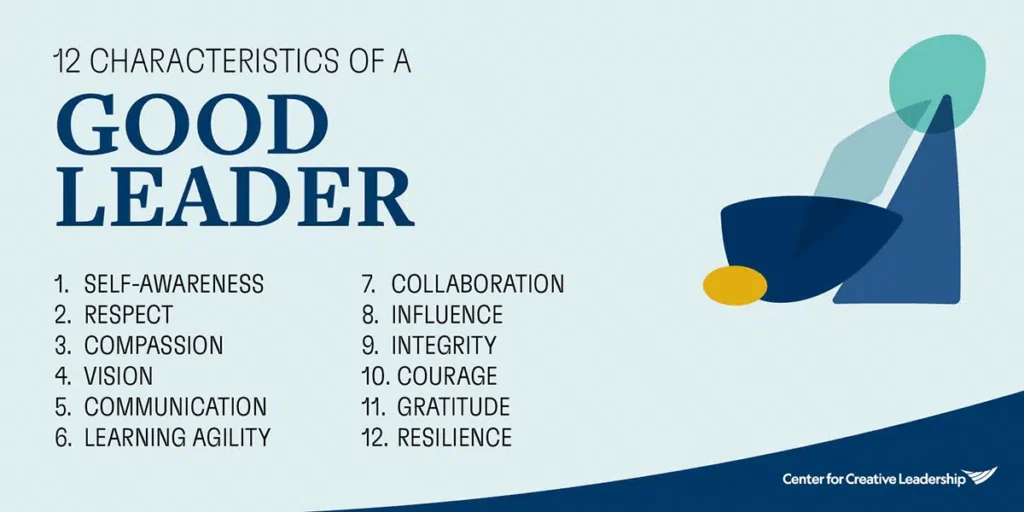
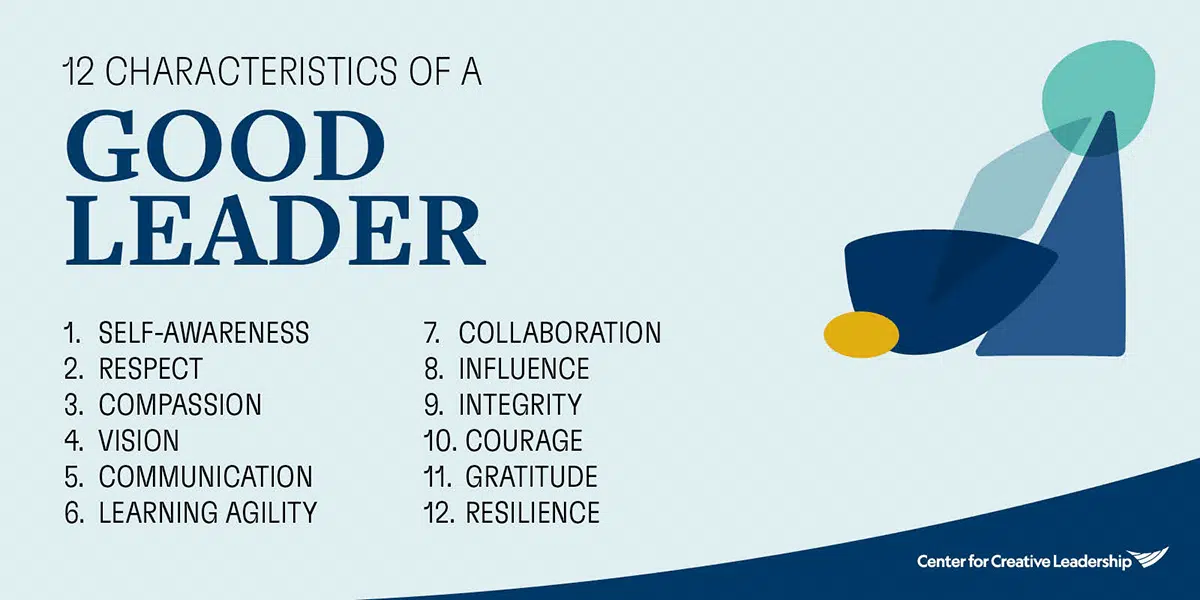
The landscape of leadership is not static; it evolves with the changing dynamics of the global marketplace and societal expectations. However, certain foundational attributes remain constant in their ability to foster growth, inspire trust, and drive progress. CCL’s extensive research has distilled these into twelve key characteristics:
-
Self-Awareness: This is the bedrock of effective leadership. It encompasses a deep understanding of one’s own personality, behaviors, emotional responses, and inherent biases. Leaders who possess strong self-awareness are better equipped to recognize their strengths and limitations, enabling them to adapt their approach and lead more authentically. Research from the CCL indicates that individuals with higher self-awareness are more likely to receive positive feedback on their leadership effectiveness and demonstrate greater emotional intelligence. Understanding how one is perceived by others is crucial for calibrating leadership style and impact.
-
Respect: Demonstrating consistent respect is paramount for fostering a positive and productive environment. It serves to de-escalate conflict, build robust trust, and significantly enhance a leader’s overall effectiveness. Creating a culture of respect goes beyond merely avoiding disrespect; it involves actively valuing diverse perspectives and cultivating a sense of belonging within the workplace. Studies by the CCL have linked respectful leadership practices to higher employee engagement and reduced turnover rates.
-
Compassion: True compassionate leadership extends beyond mere empathy or active listening. It necessitates translating understanding into meaningful action. When individuals share concerns or insights, they expect their leaders to act upon that information. This proactive response is the essence of compassionate leadership, which research shows is instrumental in building trust, fostering collaboration, and reducing attrition within organizations.
-
Vision: A compelling vision for the future is a hallmark of inspirational leadership. The ability to articulate this vision and galvanize others towards its achievement is critical. The CCL emphasizes the importance of purpose in leadership, ensuring that daily tasks and individual values are intrinsically linked to the organization’s overarching direction. This connection imbues work with meaning, boosting employee engagement, inspiring confidence, and driving strategic priorities forward. Effective communication of this vision, making it understandable, memorable, and shareable, is key.
-
Communication: Effective communication is a multifaceted skill, encompassing the clear transmission of information, compelling storytelling, active solicitation of input, and proficient use of active listening techniques. Leading communicators can engage diverse audiences across various backgrounds, roles, and geographical locations, both verbally and in writing. The CCL’s research consistently underscores the inextricable link between leadership effectiveness and communication quality, asserting that the success of business strategies is directly impacted by the caliber of inter-leader communication.
-
Learning Agility: This trait signifies the capacity to navigate unfamiliar situations and problem-solve effectively when faced with the unknown. Individuals who are quick learners and excel in novel circumstances often exhibit high learning agility. However, this is a skill that can be cultivated through deliberate practice and a commitment to continuous development. The CCL posits that great leaders are, in essence, great learners, constantly adapting and acquiring new knowledge.
-
Collaboration: Effective collaboration involves working seamlessly with colleagues from diverse social identities, locations, roles, and experiences. In an increasingly complex and interconnected world, successful leaders are adept at "boundary spanning," bridging divides and dismantling organizational silos. Leaders who champion collaboration, whether within their immediate teams or across departments, foster greater connection, spark innovation, build stronger trust, enhance team performance, and elevate workforce engagement and motivation.

-
Influence: The ability to persuade others through thoughtful engagement is a crucial trait for inspiring and effective leaders. While the term "influence" may sometimes carry negative connotations, it is essential for leaders to guide and motivate their teams to achieve collective goals. Unlike manipulation, authentic influence is built on transparency, emotional intelligence, and trust. The CCL’s research highlights that leaders who effectively influence others are better positioned to drive organizational success.
-
Integrity: Integrity—defined as consistency, honesty, morality, and trustworthiness—is a fundamental leadership attribute for both individuals and organizations. It is particularly vital for senior executives who chart an organization’s course and confront complex decision-making challenges. The CCL has identified leader integrity as a potential blind spot within organizations, underscoring the need to consistently reinforce the importance of honesty and ethical conduct at all leadership levels.
-
Courage: Courage empowers both team members and leaders to undertake bold actions that propel progress. Voicing new ideas, providing constructive feedback, or raising concerns requires a degree of bravery. Leaders who foster psychological safety within their teams create an environment where individuals feel empowered to speak openly and share candid feedback without fear of repréhension. This cultivates a culture of courage and truth-telling, essential for organizational health and innovation.
-
Gratitude: The uplifting emotion of gratitude, experienced upon receiving something of value, contributes to enhanced self-esteem, reduced stress, and improved well-being. In the professional sphere, sincere gratitude can transform a leader’s effectiveness. Despite its profound impact, expressions of gratitude are often infrequent in workplaces. However, leaders who consistently demonstrate appreciation foster a more positive and motivated work environment, as evidenced by employee willingness to exert greater effort for appreciative bosses.
-
Resilience: Resilience is not merely the capacity to recover from setbacks; it is the ability to adapt constructively to challenges. Resilient leaders project a positive outlook, bolstering their teams’ emotional strength and courage to pursue shared visions. They focus on their own well-being and prioritize the well-being of their employees, thereby enhancing performance for themselves and their teams. This adaptive approach is crucial in navigating the inevitable disruptions of the modern business landscape.
The Evolution of Leadership: A Historical Perspective
The concept of leadership has undergone significant evolution throughout history. Early leadership theories often focused on innate traits, suggesting that great leaders were born with exceptional qualities. The "Great Man" theory, prevalent in the 19th century, posited that history was shaped by the actions of heroic individuals possessing inherent leadership abilities.
However, the 20th century witnessed a paradigm shift. Behavioral theories emerged, emphasizing that leadership was a learned skill, characterized by observable actions and behaviors. This led to the development of various leadership styles, such as autocratic, democratic, and laissez-faire approaches.
The latter half of the 20th century and the dawn of the 21st century brought about more complex models, including transformational leadership, which focuses on inspiring followers to achieve extraordinary outcomes, and servant leadership, which prioritizes the needs of others. The Center for Creative Leadership’s research aligns with this contemporary understanding, emphasizing that leadership is not an inherent gift but a developed capacity, honed through experience, learning, and intentional practice.
Data-Driven Insights into Leadership Effectiveness
The impact of effective leadership is not merely anecdotal; it is quantifiable. Research consistently demonstrates a strong correlation between strong leadership and positive organizational outcomes. For instance, studies by consulting firms like McKinsey & Company have shown that companies with highly engaged workforces, often a direct result of effective leadership, outperform their peers in profitability and productivity. A 2020 report by Deloitte found that organizations with strong leadership development programs are 2.4 times more likely to meet or exceed financial targets.
Furthermore, the cost of poor leadership can be substantial. Employee disengagement, high turnover rates, decreased productivity, and damaged organizational reputation are all potential consequences of ineffective leadership. The cost of replacing an employee can range from tens of thousands of dollars to 1.5-2 times the employee’s annual salary, a figure that escalates rapidly in organizations plagued by poor leadership.
Three Core Truths About Effective Leadership
The Center for Creative Leadership’s nearly six decades of research have solidified three fundamental beliefs about the nature of good leaders and effective leadership:
Leaders Are Made, Not Born
This foundational principle asserts that leadership skills are not predetermined but are cultivated through a combination of experience, continuous learning, deliberate effort, and adaptability. Individuals can strengthen the twelve essential leadership characteristics outlined previously through a commitment to self-improvement. Organizations play a pivotal role in this development by providing robust training opportunities, supporting learning from challenges, and offering access to coaching and mentoring programs. The ongoing investment in leadership development is not just beneficial; it is a strategic imperative for long-term organizational success.
Leadership is a Social Process
Effective leadership is less about the singular brilliance of one individual and more about the collective power of a group working harmoniously towards shared objectives. While possessing many exemplary leadership traits is important, failing to recognize leadership as a social endeavor can limit an individual’s impact. At CCL, leadership is defined as a social process, yielding outcomes of direction, alignment, and commitment (DAC) within a group. This collaborative framework ensures that goals are not only set but also understood, embraced, and pursued with unified purpose.
Good Leadership is a Continuous Journey
Leadership is not a static destination but an ongoing journey of growth and adaptation. The core leadership skills required are applicable across all organizational levels, industries, and contexts. Different situations, teams, and projects present unique challenges that necessitate a dynamic application of leadership qualities. Continuous learning and personal development are therefore essential for sustained effectiveness. Leaders who embrace this mindset become agile learners, capable of navigating diverse environments and maintaining a long and impactful career.
Cultivating and Nurturing Leadership Potential
Organizations can significantly enhance leadership capabilities and foster deeper employee engagement through a variety of on-the-job learning experiences, mentoring initiatives, and formal development programs. The Center for Creative Leadership has a distinguished history of designing award-winning leadership development engagements for clients worldwide.
However, individuals need not wait for organizational initiatives to begin strengthening their leadership qualities. Proactive development is key. Downloading resources such as action guides and visual summaries can serve as constant reminders of essential leadership characteristics. Furthermore, understanding how to effectively advocate for investment in personal leadership development can be a crucial step. The journey to becoming a better leader is supported by continuous learning and a commitment to growth.
Embracing the Future of Leadership
The imperative for strong, adaptable, and ethical leadership has never been greater. As the global landscape continues to evolve, so too must our understanding and practice of leadership. By focusing on cultivating self-awareness, fostering respect and compassion, articulating a clear vision, communicating effectively, embracing learning agility, championing collaboration, wielding influence ethically, demonstrating integrity, exhibiting courage, practicing gratitude, and building resilience, individuals and organizations can navigate the complexities of the modern world. The Center for Creative Leadership remains dedicated to supporting this vital endeavor, empowering leaders to shape a more positive and productive future.
For those seeking to deepen their understanding and actively develop these indispensable leadership qualities, continuous engagement with resources and a commitment to personal growth are paramount. Subscribing to leadership insights and tips ensures a steady stream of research-based articles, webinars, and guides, delivered directly to foster ongoing learning and development. The journey of leadership is a perpetual one, marked by learning, adaptation, and an unwavering commitment to positive impact.