The landscape of talent acquisition is constantly evolving, yet a persistent issue continues to plague the recruitment process: the proliferation of ineffective and often cringeworthy job postings. These poorly crafted advertisements, ranging from the overtly unprofessional to the subtly misleading, are not merely an inconvenience; they actively deter qualified candidates, damage employer branding, and contribute to significant inefficiencies in hiring cycles. The phenomenon, widely observed by industry professionals and candidates alike, highlights a critical disconnect between a company’s aspirational culture and its initial communication with potential hires.
The Anatomy of a Cringeworthy Posting: Common Pitfalls and Their Consequences
Job postings serve as a company’s first impression, a digital handshake with prospective employees. When this initial interaction is marred by clichés, vague language, or outright misrepresentations, the repercussions can be severe. Recruiters and HR professionals consistently identify several recurring themes that render job advertisements ineffective and, in many cases, outright embarrassing.
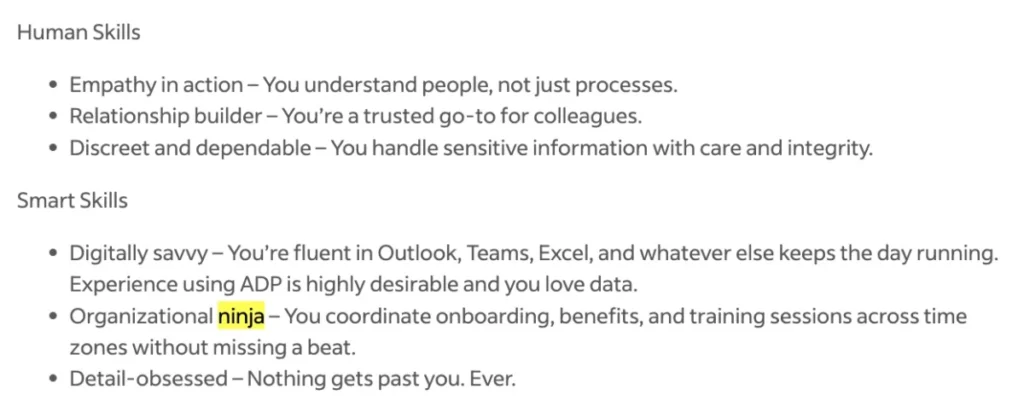
1. The "Rockstar, Ninja, Unicorn" Syndrome
Once perceived as edgy or dynamic, terms like "coding ninja," "marketing rockstar," or "HR unicorn" have long overstayed their welcome. These buzzwords, prevalent in the early 2010s, now signal a lack of seriousness and clarity regarding the actual role and required skills. A 2023 industry survey indicated that over 60% of job seekers find such jargon off-putting, perceiving it as a tactic to mask ill-defined responsibilities or an immature company culture. Far from making a job sound exciting, this language alienates serious professionals who seek clear expectations and a professional environment. It suggests that the hiring organization itself is unsure of its needs, hoping for a magical individual to solve undefined problems, rather than a skilled professional to fulfill specific duties.
2. The "Must Thrive in a Fast-Paced Environment" Cliché
This ubiquitous phrase, often devoid of specific context, has become a red flag for many candidates. While some roles genuinely require agility, the term "fast-paced" is frequently interpreted as a euphemism for tight deadlines, excessive workloads, poor planning, or a culture prone to burnout. Without elaboration, it communicates vagueness and a potential disregard for work-life balance. Progressive companies are moving towards specifying the actual challenges and pace, for instance, "managing multiple projects with concurrent deadlines" or "adapting quickly to evolving market demands," offering transparency without resorting to an overused, ambiguous phrase. Data from talent platforms consistently shows that job descriptions detailing specific challenges and support systems attract a higher caliber of applicants than those relying on generic "fast-paced" descriptors.
3. "Work Hard, Play Hard": A Relic of Outdated Culture
The "work hard, play hard" mantra, often accompanied by mentions of ping-pong tables or office happy hours, is increasingly viewed as a relic of a bygone era. For many candidates, particularly those prioritizing well-being and clear boundaries, this phrase signals a culture that glorifies overwork and blurs the lines between professional and personal life. It can imply an expectation of long hours balanced by superficial perks, rather than genuine support for employee well-being. Modern talent seeks genuine work-life integration, flexibility, and a culture that values output and efficiency over presenteeism or forced camaraderie. Companies that genuinely support their employees emphasize flexible schedules, mental health resources, and a respectful work environment over superficial "play" elements.
4. Gendered and Biased Language
The subtle inclusion of gender-coded or biased language remains a significant hurdle to diverse hiring. Words like "aggressive," "dominant," or "competitive" are often subconsciously associated with masculine traits, while "supportive," "nurturing," or "collaborative" can be coded as feminine. While none of these words are inherently negative, their disproportionate use can unintentionally deter qualified candidates from specific demographic groups. Research from Harvard Business School highlights that vague job ads lead to a 25% reduction in applications from qualified women compared to men, a disparity that significantly narrows when requirements are made explicit. The implication is clear: imprecise language creates an exclusionary environment, inadvertently narrowing the talent pool. Tools leveraging artificial intelligence and natural language processing are increasingly vital in identifying and rectifying such biases, ensuring broader appeal and promoting genuine inclusivity.
5. Unrealistic and Inaccurate Experience Requirements
Perhaps more humorous than cringeworthy, but equally damaging, is the demand for "10+ years of experience in a tool that’s only been around for 5." This common error stems from template reuse and insufficient validation of requirements, eroding a company’s credibility. It signals a lack of understanding of the market, the technology, or even the role itself. Such oversights not only deter suitable candidates but also suggest internal disorganization and a potential for unrealistic expectations once hired. A thorough review of technical requirements, aligned with current market realities and actual job needs, is essential to avoid such blunders.
6. The Vague Promise of "Flexible Workplace"
In the post-pandemic era, "flexibility" has become a highly sought-after perk, yet its vague articulation in job postings can breed mistrust. Simply stating "flexible workplace" or "hybrid model" without concrete details is insufficient. Candidates require specifics: the expected number of in-office days, the extent of remote work, geographical limitations, and whether synchronous or asynchronous hours are the norm. A 2024 survey revealed that clarity on work arrangements is a top priority for 70% of job seekers, with ambiguous statements leading to reduced application rates. Companies that explicitly define their flexibility model, detailing expectations and benefits, foster trust and set realistic expectations, thereby attracting candidates who are genuinely aligned with the working arrangement.
7. Keyword Stuffing: Prioritizing Algorithms Over Humans
While keywords are crucial for search engine optimization (SEO) and applicant tracking system (ATS) visibility, their excessive and unnatural insertion into job descriptions creates a jarring and artificial reading experience. An overtly keyword-stuffed job ad often reads like an AI-generated text, lacking the human touch and genuine appeal. Astute job seekers, increasingly wary of automated processes, are likely to skip such postings, perceiving them as a quick-fix attempt to fill a vacancy rather than a thoughtful search for talent. The modern approach prioritizes a candidate-first perspective, focusing on career advancement opportunities, learning potential, and genuine company culture, rather than merely ticking off industry buzzwords. A JD should resonate with human aspirations, not just algorithm requirements.
8. The Exclusionary "Culture Fit" Narrative
The pursuit of a "culture fit" has paradoxically become a deterrent. While companies aim to build cohesive teams, explicitly seeking individuals who "fit our vibe" or align perfectly with existing culture can inadvertently signal an aversion to diversity and uniqueness. This phrasing can be particularly off-putting for neurodivergent talent or individuals from underrepresented backgrounds, who may interpret it as an instant deal-breaker, fearing they won’t belong if they deviate from the norm. A more progressive and inclusive approach focuses on "culture add." This concept encourages hiring individuals who bring fresh perspectives, innovative ideas, and diverse experiences, thereby enriching the existing organizational culture rather than merely conforming to it. Embracing "culture add" fosters an environment of psychological safety and continuous improvement.
9. Tricky and Expansive Salary Ranges
Pay transparency has rapidly become a gold standard in quality job descriptions, driven by increasing legislative mandates and candidate expectations. However, simply including a salary range is not enough; the quality of that range matters. Extremely broad ranges (e.g., $60,000 – $100,000) can be as detrimental as omitting pay details altogether. Such expansive spreads are often perceived as unprofessional, deceptive, or filled with loopholes that could lead to underpaying talent. Top-tier candidates, especially, may view these as red flags, signaling a lack of clarity, fairness, or even a strategic attempt to undervalue their skills. Industry best practices suggest keeping salary spreads within a 15-20% margin, or explicitly explaining the rationale for a wider range, such as varying tiers based on experience or specific qualifications. Transparency builds trust and attracts candidates who are genuinely aligned with the compensation structure.
10. The Opaque "Bottomless Interview" Process
Candidate experience (CX) is paramount in today’s competitive talent market. A significant number of companies lose top talent due to overly complex, lengthy, or opaque hiring processes. Poor candidate experiences can manifest as biased questions, an excessive number of interview rounds, punishing assessments (e.g., extensive unpaid project work), or simply a lack of communication regarding the process itself. According to Forbes, approximately 50% of companies risk losing star talent due to broken interview stages. A quality job description should proactively address this by including a section outlining the hiring roadmap. This includes the number of interview stages, expected timelines, and average response times. Such transparency manages expectations, reduces candidate anxiety, and empowers applicants to prepare effectively, fostering a sense of respect and professionalism.
The Broader Implications: Damage to Brand and Bottom Line
The cumulative effect of these cringeworthy practices extends far beyond individual applications. Poorly written job descriptions erode employer branding, diminish a company’s reputation as a desirable workplace, and can significantly impact diversity and inclusion initiatives. Research from institutions like the University of Florida indicates that excessive jargon in workplace messaging diminishes clarity and trust, particularly among early-career professionals. The perceived lack of professionalism, clarity, or authenticity directly influences a candidate’s decision to apply, accept an offer, or even recommend the company to peers. In a talent-scarce market, where candidates often have multiple options, a negative first impression from a job posting can be a costly misstep, leading to longer time-to-hire, increased recruitment costs, and a weaker talent pipeline.
Strategies for De-Cringing and Elevating Job Postings
Rectifying these issues requires a conscious and consistent effort, integrating best practices into the core of the talent acquisition strategy.
1. Embrace Real, Specific Language: Abandon corporate jargon and clichés. Describe the role, responsibilities, and culture in clear, concise, and human language. If deadlines are tight, state it clearly and explain the support systems in place. If collaboration is key, illustrate what that looks like in practice. Outcome-based job descriptions, defining success metrics for the first 90 days, can provide purpose and a clear commitment pathway for new hires.
2. Implement Bias Review Mechanisms: Utilize advanced software (such as specialized AI-driven text analyzers) or establish a rigorous peer review process to identify and eliminate gender-coded words, unconscious biases, and exclusionary language. This proactive approach ensures broader appeal and promotes a more diverse applicant pool.
3. Prioritize Regular Updates: Job descriptions are not static documents. The job market, technological landscape, and candidate expectations evolve rapidly. Organizations should review and update their job postings quarterly, especially for high-volume or critical roles, to ensure relevance, accuracy, and competitiveness. Copy-pasting old templates is a recipe for irrelevance.
4. Conduct User Testing with Real People: Before publishing, share draft job descriptions with individuals outside the hiring department—perhaps current employees in similar roles, or even a small group of external candidates—and solicit their feedback. Ask critical questions: "Would you apply to this?" "Is anything unclear or off-putting?" "Does it accurately reflect the role and company?" Fresh perspectives are invaluable in catching potential "cringe."
5. Focus on the Candidate Experience from the Outset: Structure the job description to prioritize the applicant’s perspective. Lead with "what’s in it for them" – career growth, learning opportunities, impact – before delving into company values or mission. Clearly articulate the salary range, benefits, and the hiring process roadmap.
6. Champion Skill-Based Hiring: In an era of talent gaps, traditional academic qualifications may unnecessarily restrict the talent pool. Collaborate with HR to differentiate between "must-have" skills and "nice-to-have" credentials. Rewording job descriptions to emphasize specific competencies, rather than rigid academic backgrounds, can open doors to a wider, more diverse, and highly capable candidate base.
The Future of Talent Attraction: Clear, Inclusive, and Authentic
A truly effective job description is a strategic asset. It is clear, inclusive, and specific, setting realistic expectations without resorting to puffery or platitudes. It respects the candidate’s time and intelligence, reflecting an authentic brand identity rather than a generic ATS default. As the competition for top talent intensifies, the ability to craft compelling, honest, and professional job postings will be a distinguishing factor for organizations aiming to attract and retain the best. The next time a job posting is drafted, the litmus test should be simple: read it aloud. If it elicits a cringe, it’s time for a fundamental rewrite. The investment in well-crafted job descriptions is an investment in a stronger, more diverse, and ultimately more successful workforce.