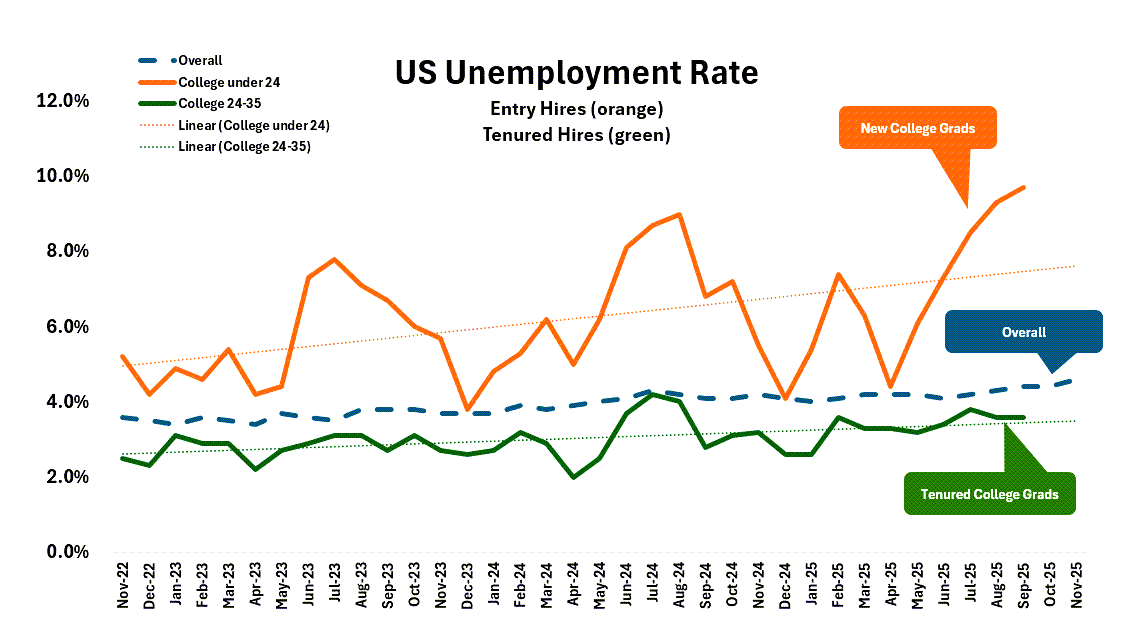
For much of the past year, prevailing analyses of the U.S. job market suggested a relatively minor impact from Artificial Intelligence (AI), with broader economic factors like cost-cutting and general uncertainty being the primary drivers of any employment slowdown. However, as the nation transitions into 2026, a nuanced shift is becoming increasingly apparent, particularly when examining unemployment data through the lens of age and experience. The overall U.S. unemployment rate has risen to 4.6%, a notable increase from 4.2% a year ago and a significant 24.7% jump from the 3.7% recorded in November 2023. This upward trend, especially when contrasted with the 3.6% unemployment rate observed in November 2022, signals a cooling economy that is moving beyond the post-pandemic "revenge spending" surge of 2021-2022, further exacerbated by factors such as U.S. tariffs, persistent inflation, and elevated interest rates.
Divergent Unemployment Trends Emerge
A deeper dive into the unemployment figures reveals a striking divergence between two key demographics: recent college graduates (aged 24 and younger) and more established professionals (aged 25-35). While tenured college graduates, characterized by their accumulated skills, judgment, and decision-making maturity, have maintained a steady unemployment rate below the overall average, the situation for new graduates presents a more concerning picture. The unemployment rate for this younger cohort has been trending upward, reaching nearly 10% – a level not seen since July 2021, the peak of the pandemic recovery. Historical data indicates that such high unemployment rates for young college graduates are rare, with the last comparable period occurring in 2011, a time of recovery from the 2008 Great Recession. This trend is further corroborated by analyses from institutions like the St. Louis Federal Reserve, which have also highlighted recent college graduates as bearing a significant portion of the impact from current labor market shifts.
AI’s Influence on Degree Requirements and Job Availability
Compounding this trend is the evolving nature of job requirements. Data indicates a growing demand for roles that do not necessitate a college degree, now comprising approximately 82% of the workforce, an increase from 79% five years prior. Conversely, the number of job postings requiring a college degree appears to be diminishing. This suggests that AI is not only potentially slowing the hiring of new college graduates but may also be contributing to a reduction in the overall number of jobs that traditionally demand higher education. This shift has profound implications for the value proposition of a college degree and the career pathways available to emerging talent.
The Societal and Technological Interplay of AI
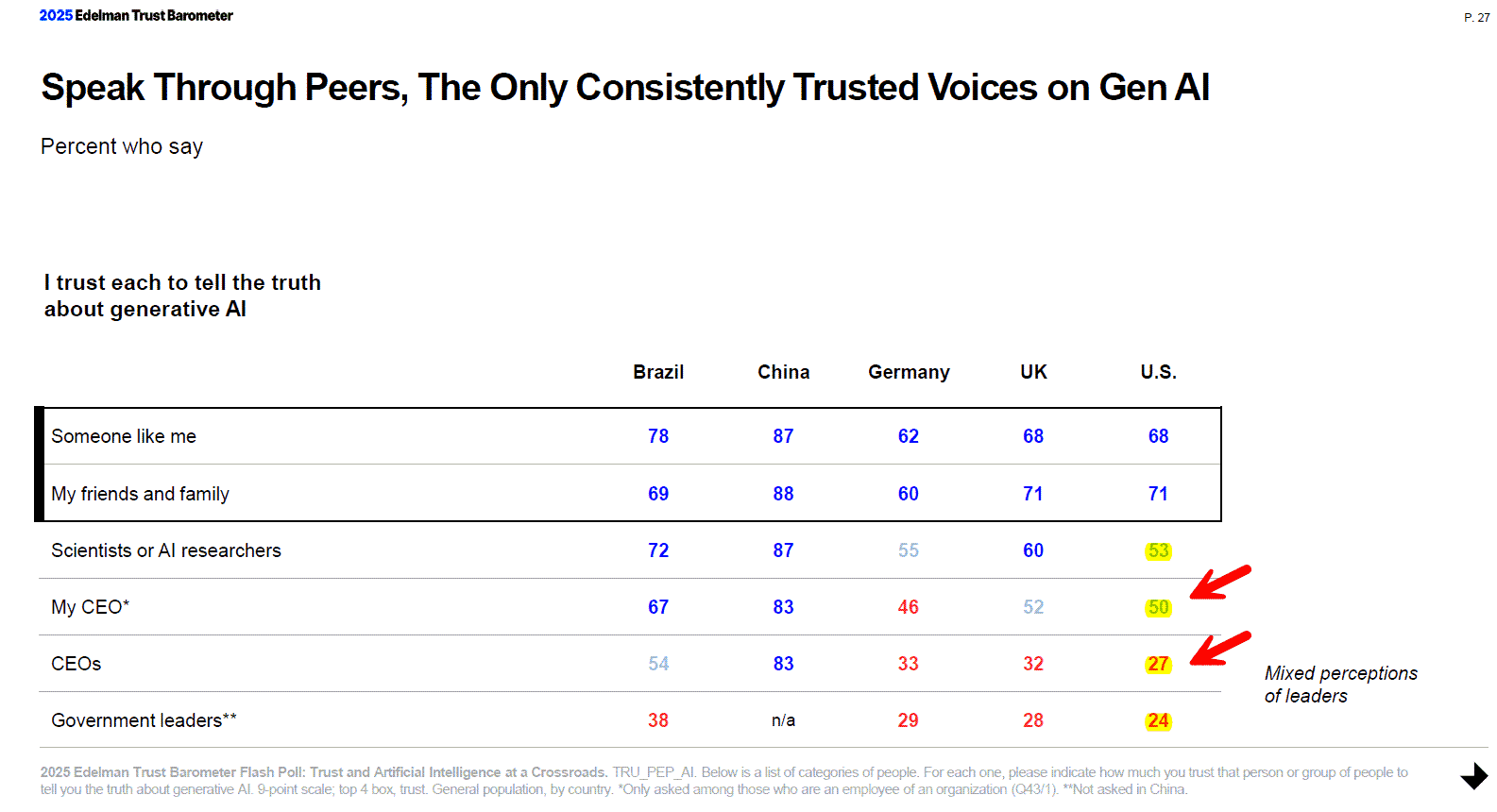
The growing impact of AI on the job market is not solely a technological phenomenon; it is increasingly recognized as a "socio-technological innovation," as articulated in recent discussions on the future of work. The integration of AI into the workplace brings with it significant societal and sociological considerations, particularly concerning employee trust and perception. A notable recent poll on "Trust in AI" revealed that while a significant portion of the workforce believes in the potential value of AI, there is a considerable gap in their trust of the AI platforms themselves. This disparity can lead to employee apprehension, resistance to change, and a general sense of economic insecurity, as individuals worry about their job stability, career progression, and future earning potential. This AI-induced anxiety, if left unaddressed, could inadvertently lower overall economic productivity, as a workforce hesitant to embrace new technologies may hold back or resist necessary adaptations.
Navigating the AI Era: Adaptation and Opportunity
The path forward, experts suggest, involves open and honest dialogue about AI’s role and impact. While the precise extent of AI’s influence on employment remains a subject of ongoing research and debate, and many current AI platforms may be overstating their immediate value, it is undeniable that AI is becoming increasingly pervasive. From conversational interfaces and personalized communication to AI-driven interviews and performance reviews, these technologies are reshaping the professional landscape. The anticipated emergence of "digital twins," advanced robotics, and more sophisticated AI applications in 2026 will further accelerate this transformation.
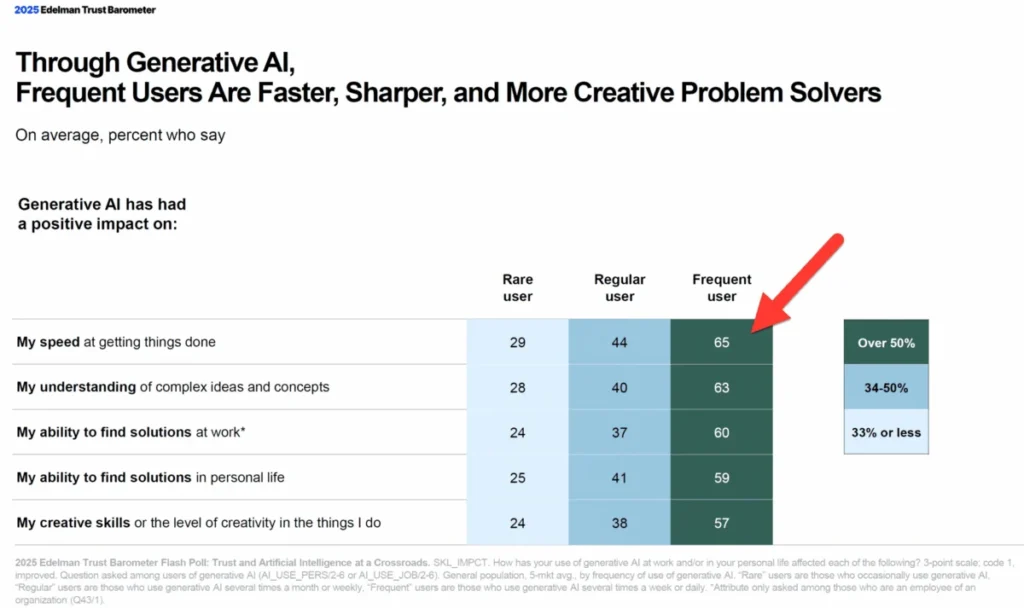
For individuals, the key to navigating this evolving environment lies in adaptability and a commitment to continuous learning. The notion that AI is purely a "job killer" is being challenged by the perspective that it is, in fact, a significant "job-leveler." For younger workers, who have grown up in an era of rapid technological advancement, AI presents an unprecedented opportunity to quickly acquire knowledge and skills that were once the exclusive domain of seasoned experts. The ability to leverage AI for research, analysis, and problem-solving can accelerate the transition from entry-level roles to a state of expertise. Similarly, for more experienced professionals, relying solely on past achievements is no longer sufficient. Embracing new technologies and continuously updating one’s skill set is crucial for remaining relevant and competitive. Research consistently indicates that frequent users of AI report a greater ability to find solutions at work and complete tasks more efficiently, underscoring the practical benefits of AI adoption.
Employer Strategies in the Age of AI
Employers and hiring managers are also facing critical decisions regarding their workforce strategies. A potential pitfall lies in what can be termed the "tenure trap." While experienced employees possess invaluable institutional knowledge, they may perceive AI primarily as a tool to expedite existing processes rather than as a catalyst for fundamental workflow redesign. Conversely, younger, often less tenured employees, may be more inclined to question established methods and explore innovative applications of AI, potentially leading to significant organizational reinvention.

For HR leaders and recruiters, the emphasis should be on identifying and cultivating "Superworkers" – individuals who demonstrate a capacity for rapid learning and a proactive approach to integrating new technologies. These individuals, often younger and more adaptable, may offer a faster route to increased productivity and innovation. Furthermore, the cost-effectiveness of hiring and developing these fast-learning AI pioneers is a significant consideration.
CEOs and senior executives are tasked with fostering an environment of transparency and support. The consensus among extensive research is that AI functions as a "scaling technology" rather than a direct "job elimination" tool. An honest and supportive approach to AI integration is more likely to encourage employee adaptation and ensure the company’s sustained competitive edge. The successful navigation of these shifts requires a strategic understanding of AI’s dual nature: its potential to disrupt existing norms and its capacity to unlock new levels of human potential and organizational efficiency.
Broader Implications for the Economy and Workforce Development
The current employment trends underscore a broader economic recalibration. The post-pandemic economic boom, fueled by pent-up consumer demand, has inevitably given way to a more measured growth phase. The confluence of global economic pressures, including trade policies, inflationary concerns, and monetary policy adjustments, creates a complex operating environment. In this context, the disproportionate impact on recent graduates raises questions about the long-term return on investment for higher education and the need for more agile and responsive workforce development programs.
The increasing demand for non-degree-requiring jobs suggests a potential widening of the skills gap if educational institutions and training providers do not adapt their offerings. The skills that were once sufficient for career success may rapidly become obsolete, necessitating a continuous learning mindset across all career stages. The rise of AI further amplifies this need, as it not only automates certain tasks but also creates new demands for specialized skills in areas such as AI development, data science, and AI ethics.
The future of work is intrinsically linked to how effectively individuals and organizations can harness the power of AI. This involves not only technological adoption but also a fundamental rethinking of organizational structures, learning paradigms, and the very definition of a valuable employee. The challenges are significant, but so too are the opportunities for those who embrace the ongoing transformation. As the U.S. economy navigates these evolving dynamics, the ability to adapt, innovate, and foster a culture of continuous learning will be paramount to success.
Looking Ahead: The Imperatives for 2026
As organizations and individuals prepare for 2026, several key imperatives emerge. For enterprises, a clear and honest communication strategy regarding AI integration is essential to mitigate employee anxiety and foster trust. Investment in reskilling and upskilling programs will be crucial to equip the workforce with the competencies needed to thrive in an AI-augmented environment. The focus should shift from merely automating existing tasks to reimagining work processes and creating new value propositions.
For individuals, the message is clear: embrace lifelong learning. The ability to leverage AI tools, understand their capabilities and limitations, and adapt to new technological paradigms will be a defining characteristic of successful professionals. This includes actively seeking out learning opportunities, both formal and informal, to stay abreast of the rapid advancements in AI and its applications across various industries.
The collaboration between educational institutions, businesses, and policymakers will be critical in shaping a future workforce that is both resilient and innovative. This requires a proactive approach to curriculum development, a focus on transferable skills, and a commitment to ensuring equitable access to training and development opportunities. The transition into the AI era presents a profound opportunity to redefine the nature of work and unlock unprecedented levels of human potential, provided that the challenges are addressed with foresight, adaptability, and a shared vision for a prosperous and inclusive future.