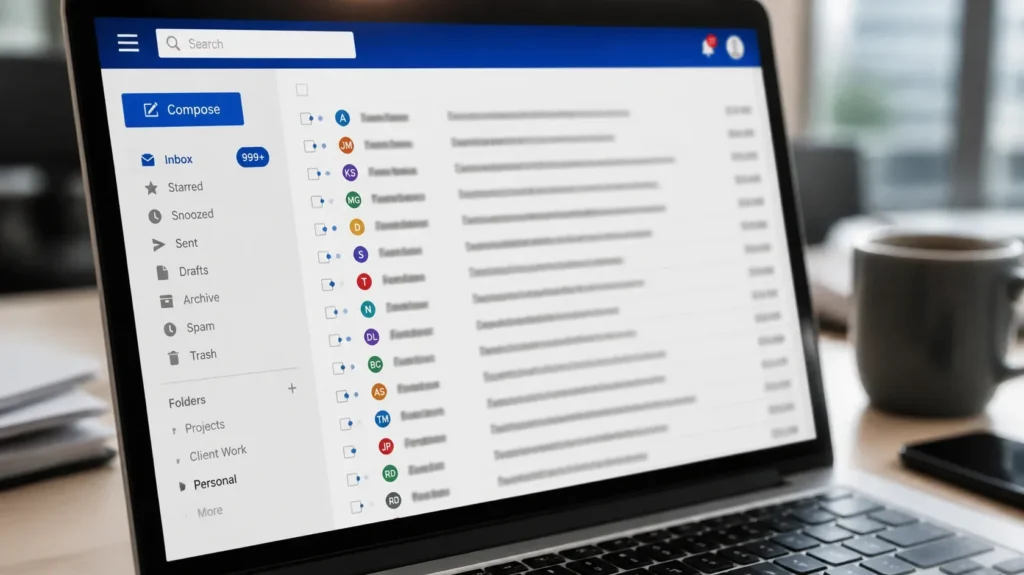
The modern workplace is awash in digital communication, yet a significant portion of crucial internal messages are going unheard. A recent analysis of over two billion corporate emails sent to nearly eleven million employees worldwide by email platform PoliteMail has revealed a startling trend: roughly one-third of corporate emails are being ignored, exacerbating communication breakdowns for managers and hindering project momentum. This pervasive issue, compounded by an ever-increasing volume of messages and the proliferation of new communication tools, is creating a bottleneck in the flow of information and impacting overall organizational efficiency.
The data from PoliteMail paints a grim picture of email engagement. Beyond the substantial number of unopened messages, even those that are opened are often met with fleeting attention. ContactMonkey data indicates that a staggering 40% of internal emails are viewed for a mere one to three seconds, a duration insufficient for comprehension, let alone action. Only about one-third of internal emails manage to capture more than nine seconds of an employee’s attention. This superficial engagement is further underscored by the fact that a mere 10% of employees actually click on links embedded within internal corporate emails, according to PoliteMail’s findings. This suggests that even when a message is opened, its intended call to action or accompanying information is frequently overlooked.
The Deluge of Daily Digital Demands
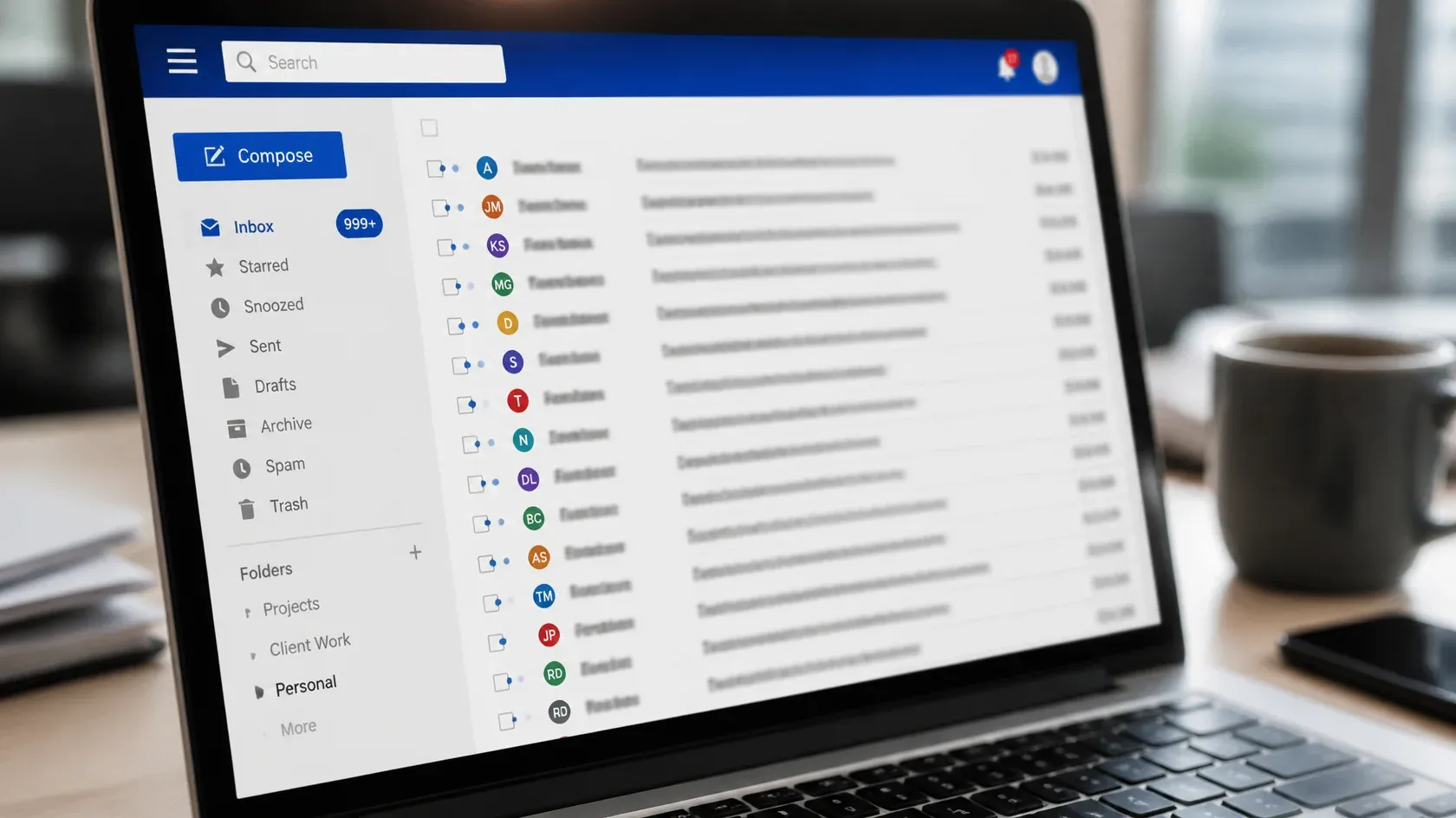
The sheer volume of daily messages bombarding white-collar professionals is a significant contributing factor to this communication crisis. Microsoft’s 2025 data indicates that the average white-collar worker receives an overwhelming 117 emails and a total of 153 messages each day. This constant influx is not a static problem; the landscape of workplace communication is continuously expanding. A report by Speakwise highlights that over two-thirds of companies annually adopt new communication tools, adding to the existing channels that employees must monitor. This relentless stream of notifications across various platforms – email, instant messaging, project management software, and more – creates a cognitive burden, making it increasingly difficult for individuals to prioritize and respond effectively.
Experts from Korn Ferry have identified this escalating volume and fragmentation of communication channels as key drivers behind the current challenges. They argue that employees are struggling to differentiate between truly urgent requests and those that can be addressed at a later time. This leads to a bifurcated response: some workers feel utterly overwhelmed and paralyzed by the sheer volume, leading to inaction, while others resort to a personalized prioritization system, often based on their own immediate preferences or perceived importance, which may not align with organizational needs. This creates a disconnect between sender expectations and receiver actions, fostering frustration on both sides.
Generational Divides in Digital Engagement
The challenges of email engagement are not uniformly distributed across the workforce. A report by document platform Sign.com has shed light on generational differences in how employees interact with digital communications, particularly those requiring action. The study found that Gen Z workers are significantly more likely than their Gen X counterparts to avoid emails that necessitate a response or specific action. Specifically, 82% more Gen Z workers reported avoiding actionable emails compared to Gen X.
Digging deeper into the data, 40% of Gen Z respondents admitted to recently ignoring an administrative request in their inbox. This contrasts sharply with the 22% of Gen X and Baby Boomer respondents who reported similar behavior. The trend extends to other forms of digital documentation as well. The Sign.com report also revealed that 58% of Gen Z individuals had ignored documents altogether, compared to 38% of older workers. This suggests a potential need for tailored communication strategies that acknowledge the varying digital habits and preferences of different generational cohorts within an organization. The implications are significant for companies looking to ensure that critical information and tasks reach all employees effectively, regardless of their age.
The Erosion of Attention Spans and the Rise of ‘Email Fatigue’
The phenomenon of "email fatigue" is a widely discussed topic in organizational psychology and communication studies. It refers to the mental exhaustion and reduced effectiveness that employees experience due to the constant barrage of emails. The brief attention spans observed in the PoliteMail and ContactMonkey data are symptomatic of this fatigue. When employees are constantly scanning inboxes filled with hundreds of messages, their brains develop coping mechanisms to quickly triage and dismiss what appears non-essential. This can inadvertently lead to important messages being categorized as "non-essential" due to poor subject lines, lengthy introductions, or a lack of immediate clarity.

The rapid adoption of new communication tools, while intended to improve connectivity, can paradoxically contribute to this fatigue. Each new platform requires learning its interface, understanding its notification system, and integrating it into an already crowded digital workflow. This constant context-switching can be mentally draining and further diminish the capacity for sustained attention to any single communication channel. The result is a workforce that is digitally connected but often mentally disengaged from the messages it receives.
The Imperative for Consistent Communication Standards
In light of these challenges, experts at Korn Ferry emphasize the critical need for organizations to establish clear and consistent communication rules. This is not merely about setting response time expectations; it’s about creating a framework that guides employees on how to communicate and which channels to use for specific purposes. For instance, implementing guidelines that dictate direct messages should receive a response within an hour, while emails might have a 24-hour turnaround time, can provide much-needed clarity and predictability.
Beyond response times, the content and structure of messages themselves play a pivotal role. The analysis suggests that clear subject lines are paramount. A subject line that immediately conveys the topic and urgency of the email can significantly increase the likelihood of it being opened and prioritized. Similarly, concise messages with specific requests placed near the beginning of the email can help employees quickly grasp the core need and determine the necessary action. When these best practices are not followed, and messages continue to go unanswered, managers are often forced to reassess their communication strategy. This might involve considering whether a different channel, such as a quick instant message or a face-to-face conversation, would be more effective in eliciting a timely and appropriate response.
The Broader Impact on Organizational Agility and Innovation
The implications of widespread email neglect extend far beyond mere inconvenience. In an era where organizational agility and rapid adaptation are crucial for success, communication bottlenecks can have significant strategic consequences. Projects can stall, deadlines can be missed, and critical decisions can be delayed when information does not flow efficiently. This can lead to a decline in productivity, increased operational costs due to rework or missed opportunities, and a general sense of inefficiency within the organization.

Furthermore, a culture where messages are frequently ignored can erode trust between colleagues and between management and employees. When individuals feel their communications are not being heard or valued, it can lead to disengagement and a decrease in morale. This can also stifle innovation, as new ideas or crucial feedback may be lost in the digital noise. The ability to foster a culture of effective communication, where information is shared and acted upon promptly and efficiently, is therefore not just a matter of operational best practice but a fundamental requirement for sustained organizational health and competitive advantage.
Addressing the Digital Communication Deficit: A Multi-Faceted Approach
To combat the pervasive issue of ignored corporate emails and fragmented communication, organizations need to adopt a multi-faceted approach that addresses both the volume and the nature of digital interactions. This involves a combination of strategic planning, technological adoption, and cultural shifts.
1. Communication Channel Optimization:
Organizations should conduct a thorough audit of their existing communication tools. This involves identifying redundancies, understanding the purpose and user adoption of each platform, and potentially consolidating where feasible. Defining clear use cases for each tool can help reduce confusion and ensure messages are sent through the most appropriate channel. For example, using an instant messaging tool for urgent, short queries and reserving email for more formal, detailed communications or documentation.
2. Training and Education on Effective Communication:
Investing in training programs that educate employees on best practices for digital communication is essential. This should cover:
- Crafting Clear and Concise Messages: Emphasizing the importance of direct subject lines, concise language, and placing key information at the beginning of messages.
- Active Listening and Responsiveness: Training on how to effectively process and respond to incoming communications, including techniques for managing information overload.
- Understanding Communication Etiquette: Educating on the appropriate use of different channels, response time expectations, and the impact of tone in written communication.
- Generational Communication Styles: Providing insights into how different generations prefer to communicate and receive information, fostering empathy and adaptable strategies.
3. Implementing Smart Notification and Prioritization Systems:
Leveraging technology to help employees manage their inboxes more effectively is crucial. This could involve:
- AI-Powered Email Prioritization: Tools that can automatically flag important emails based on sender, keywords, or project relevance.
- Digestible Notification Summaries: Instead of individual alerts for every message, systems that provide daily or hourly summaries of important communications.
- Focus Modes and Do-Not-Disturb Features: Encouraging the use of tools that allow employees to block out distractions and focus on deep work, with defined periods for checking and responding to messages.
4. Fostering a Culture of Accountability and Feedback:
Creating an environment where effective communication is valued and expected is paramount. This involves:
- Managerial Role Modeling: Leaders must demonstrate best practices in their own communication and hold their teams accountable for responsiveness.
- Regular Feedback Loops: Implementing mechanisms for employees to provide feedback on communication effectiveness and for managers to offer constructive guidance.
- Performance Metrics: While sensitive, exploring how communication effectiveness can be subtly integrated into performance evaluations, focusing on responsiveness and clarity rather than simply volume.
5. Rethinking Information Dissemination:
For critical announcements or complex information, relying solely on email may be insufficient. Organizations should consider a blended approach that includes:
- All-Hands Meetings and Town Halls: For significant updates and strategic announcements, direct engagement can ensure higher comprehension and engagement.
- Internal Knowledge Bases and Wikis: Centralized repositories for important policies, procedures, and project documentation can reduce reliance on individual emails for information retrieval.
- Short Video Updates: For complex topics, a brief video explanation can often be more engaging and easier to digest than a lengthy email.
The silent inbox is a symptom of a broader challenge in the digital age of work. By understanding the root causes – overwhelming volume, fragmented channels, and evolving employee behaviors – organizations can move beyond simply sending more messages to sending messages that are more likely to be seen, understood, and acted upon. This strategic shift is essential for navigating the complexities of the modern workplace and ensuring that communication truly serves as a catalyst for productivity and success.