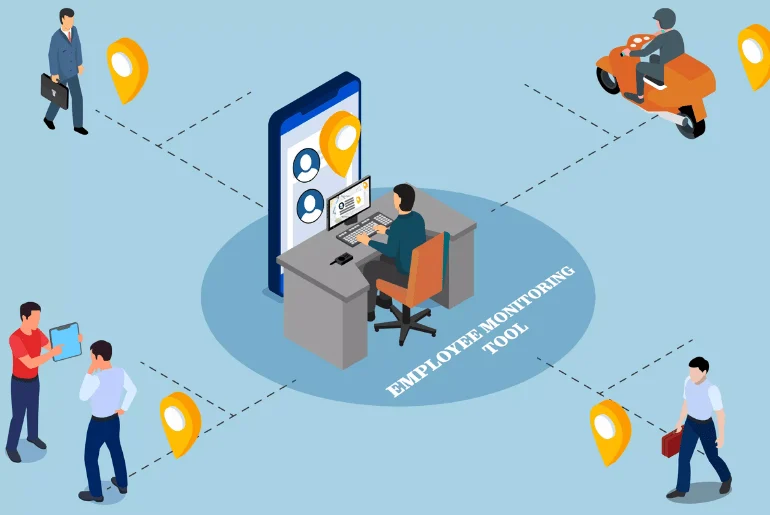
The escalating adoption of employee monitoring software across Canadian workplaces is sparking profound scrutiny, as workers in diverse sectors voice significant concerns over surging stress levels, a palpable decline in trust, and detrimental impacts on their mental well-being. These productivity tracking tools, which meticulously log screen activity, keyboard strokes, mouse movements, and time spent on various work applications, are increasingly becoming a potent source of anxiety for employees, even as employers consistently defend their implementation as essential measures for workflow optimization, security, and accountability. This growing tension highlights a fundamental disconnect between organizational efficiency goals and the human experience of work in an increasingly digitalized environment.
The Post-Pandemic Surge: A New Era of Workplace Surveillance
The landscape of workplace monitoring has undergone a dramatic transformation, particularly in the wake of the COVID-19 pandemic. The rapid shift to remote and hybrid work models compelled many organizations to seek new ways to manage and assess employee productivity and engagement outside traditional office settings. While rudimentary forms of workplace surveillance, such as time clocks and call monitoring, have long existed, advancements in technology have ushered in a new generation of sophisticated software capable of granular tracking. These tools can capture data points ranging from active application usage and website visits to email activity, instant message logs, and even biometric data in some instances.
Prior to the pandemic, employee monitoring was largely confined to specific industries or roles, such as call centers or highly regulated financial sectors. However, research indicates a significant surge in its adoption since 2020. A 2021 study by ExpressVPN, for example, revealed that 78% of employers globally had introduced monitoring software, with 63% doing so for the first time during the pandemic. While specific Canadian figures can be elusive due to the proprietary nature of such deployments, anecdotal evidence and reports from labor organizations suggest a similar trend north of the border. Employers often cite increased efficiency, enhanced security against data breaches, compliance with regulatory requirements, and the ability to better understand work patterns as primary motivations. Yet, for employees, this pervasive digital oversight frequently translates into a feeling of constant surveillance, eroding autonomy and fostering an environment of mistrust.
TD Bank’s WorkiQ Implementation: A Catalyst for Concern
The debate gained renewed and fervent attention recently when TD Bank, one of Canada’s largest financial institutions, informed employees within one of its critical financial crime and risk management teams that it would commence using WorkiQ. This particular software is designed to meticulously track time spent on web browsers, internal communication platforms like Microsoft Teams or Slack, and meeting applications such as Zoom or Webex. The announcement, though initially affecting a specific team, rapidly reverberated throughout the organization, prompting widespread unease among employees far beyond the directly impacted group. Many expressed apprehension that similar intensive monitoring protocols could soon be extended across other departments and divisions, creating a ripple effect of anxiety across the bank’s extensive workforce.
The choice of WorkiQ, a tool known for its detailed activity logging capabilities, underscored the depth of tracking employers are now able to deploy. For TD Bank, the stated rationale likely revolves around ensuring compliance with stringent financial regulations, mitigating risk, and optimizing the efficiency of a team crucial to preventing financial crime. However, from the employee perspective, the introduction of such software without robust consultation or clear justification beyond generic "workflow optimization" immediately raises red flags regarding privacy, fairness, and the underlying message it sends about employee trust. The specific nature of financial crime and risk management roles often involves complex, analytical tasks that may not always translate into continuous digital activity, further complicating the measurement of genuine productivity through screen time alone.
Beyond the Screen: The Limitations of Digital Metrics
A central tenet of the concerns articulated by employees, both at TD Bank and in other monitored workplaces, revolves around the fundamental question of whether screen activity accurately reflects the true nature and value of their work. Many routine yet critical responsibilities—such as meticulously reviewing lengthy documents, performing in-depth analysis of complex information, brainstorming solutions, mentoring junior colleagues, or engaging in vital collaborative discussions—often occur without a continuous stream of keyboard strokes or mouse clicks. These tasks require periods of deep concentration, contemplation, and interpersonal interaction that are largely invisible to screen-monitoring software.
Workers worry intensely that an over-reliance on purely digital activity metrics for performance evaluation could lead to profoundly unfair assessments. This has tangible, adverse implications for their careers, potentially affecting performance bonuses, annual appraisals, opportunities for promotion, and even, in the worst-case scenario, job security. The fear is that managers, armed with seemingly objective data, might misinterpret periods of low digital activity as idleness, rather than recognizing them as crucial moments of strategic thinking, problem-solving, or essential non-digital collaboration. This creates an environment where employees feel compelled to "perform" for the algorithm, potentially prioritizing easily measurable tasks over more impactful but less trackable contributions.
Cross-Sectoral Objections: From Banking to Telecom
The issue of intrusive workplace surveillance is by no means confined to Canada’s banking sector. Employees within the country’s vast telecom industry have also vocally raised objections to the increasing deployment of similar tools that measure screen time and user activity. For these workers, particularly those in customer service, technical support, or network operations roles, the pressure to maintain constant digital engagement is particularly acute. Some telecom workers report that the software has become noticeably more demanding since the onset of the pandemic, offering minimal flexibility for short personal breaks, essential stretches, or engaging in tasks that do not neatly align with predefined "productivity" metrics.
The implications extend beyond mere performance metrics. Concerns have also been articulated regarding the physical and mental strain imposed by the relentless pressure to remain digitally active and visibly productive. The expectation of continuous keyboard or mouse activity can discourage employees from stepping away from their screens for even brief periods, contributing to musculoskeletal issues, eye strain, and a general sense of being tethered to their workstations. Mentally, this constant vigilance can lead to heightened stress, anxiety, and burnout, as individuals feel perpetually watched and judged, undermining their sense of autonomy and well-being. The nature of some telecom roles often involves dealing with demanding customers or critical technical issues, where the added stress of surveillance can exacerbate an already challenging work environment.
The Human Cost: Undermining Trust and Elevating Stress
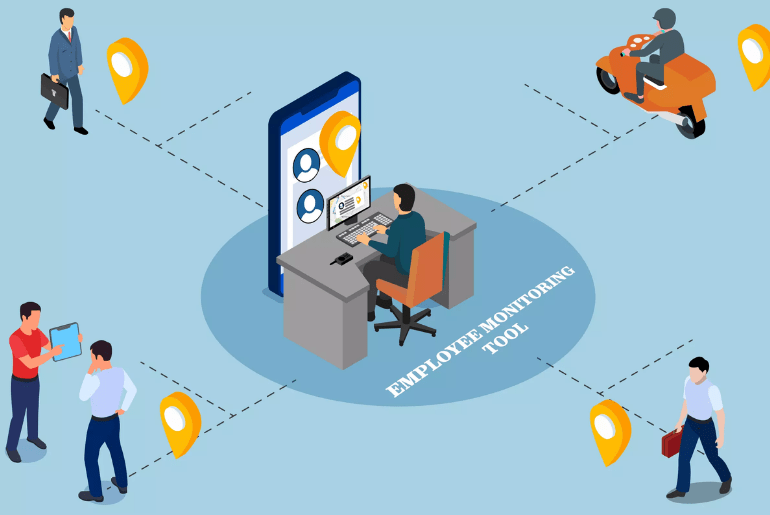
Experts in organizational psychology, human resources, and labor relations consistently warn that such pervasive monitoring systems frequently erode the foundational trust between employers and employees. Trust, a cornerstone of a healthy and productive workplace culture, is diminished when employees perceive that their employer views them with suspicion rather than as valued, self-directed professionals. This erosion of trust can manifest in reduced morale, decreased loyalty, and an increased likelihood of employee turnover.
Furthermore, a growing body of research suggests a counterintuitive outcome: electronic performance monitoring does not necessarily lead to improved productivity. In many cases, the opposite holds true. Studies from institutions like the MIT Sloan School of Management and others have indicated that when employees are subjected to intense surveillance, they may experience increased stress, reduced job satisfaction, and a tendency to focus exclusively on tasks that are easily measurable by the software. This hyper-focus on quantifiable metrics can inadvertently stifle creativity, discourage collaborative efforts, and lead to the neglect of other valuable, yet less trackable, contributions that are vital for organizational success, such as strategic thinking, mentorship, and informal knowledge sharing. Employees may also resort to "performative" activities, such as aimlessly moving their mouse or opening multiple tabs, simply to appear busy, rather than genuinely engaging with their work.
Legal and Ethical Frameworks in Canada: A Patchwork Approach
The legal landscape surrounding employee monitoring in Canada is complex and somewhat fragmented, primarily relying on a combination of federal and provincial privacy legislation, common law principles, and, for unionized workplaces, collective bargaining agreements. Federally, the Personal Information Protection and Electronic Documents Act (PIPEDA) governs how private-sector organizations collect, use, and disclose personal information in the course of commercial activities, including some aspects of employee data. However, PIPEDA does not apply to employees of federally regulated organizations (like banks and telecom companies) who are subject to similar provincial privacy laws or to employees in provinces that have their own substantially similar private-sector privacy legislation (e.g., Quebec, Alberta, British Columbia).
Provincially, laws like Ontario’s Employment Standards Act, 2000, were amended in 2022 to require employers with 25 or more employees to have a written electronic monitoring policy in place. This policy must inform employees if and how they are being monitored. While a step towards transparency, these policies do not inherently prohibit monitoring or establish clear limits on its extent, focusing more on disclosure. The "reasonable expectation of privacy" is a key common law principle often invoked in these discussions, but its application in the workplace context can be ambiguous. Courts generally acknowledge that employees have a reduced expectation of privacy in the workplace, especially when using employer-provided equipment. However, this expectation is not entirely extinguished.
The ethical dimensions are equally challenging. While employers have a legitimate interest in managing their workforce and protecting their assets, this must be balanced against an employee’s right to dignity, privacy, and a healthy work environment. The ethical dilemma intensifies when monitoring moves beyond aggregate data for workflow analysis to individual performance tracking that can feel punitive or invasive.
The Call for Transparency and Safeguards
As organizations continue their rapid adoption of sophisticated digital monitoring technologies, the ongoing debate over how to effectively balance operational efficiency with fundamental employee privacy, trust, and overall well-being is poised to intensify significantly. Labour representatives, union leaders, and advocacy groups across Canada are increasingly vocal in their demands for greater transparency from employers regarding monitoring practices. They are also advocating for the implementation of robust safeguards to ensure that surveillance tools are not misused and do not adversely affect workers’ physical and mental health.
These calls include demands for clear, understandable policies that outline precisely what data is collected, how it is used, who has access to it, and for how long it is retained. There is also a strong push for employee consultation before new monitoring systems are introduced, allowing workers to voice their concerns and contribute to the development of fair and equitable policies. Furthermore, labor bodies are urging regulators and policymakers to consider updating existing legislation to explicitly address the unique challenges posed by modern digital surveillance, potentially establishing clearer limits on the type and extent of monitoring permitted, and mandating impact assessments on employee well-being. The goal is to move beyond mere disclosure to actively ensure that monitoring practices are proportionate, necessary, and do not create misleading or unfair measures of performance that could jeopardize an employee’s livelihood or career progression.
Toward a Balanced Future: Innovation with Empathy
The trajectory of workplace monitoring in Canada suggests that these technologies are here to stay. However, the current trajectory, characterized by growing employee disquiet, necessitates a fundamental re-evaluation of how these tools are designed, implemented, and managed. The future of work, particularly in hybrid and remote settings, demands innovative solutions that prioritize both organizational effectiveness and employee welfare.
This requires a multi-faceted approach. Employers must move beyond a purely punitive or suspicious mindset and consider the long-term impact of surveillance on culture, morale, and retention. Investing in trust-building measures, fostering open communication, and focusing on outcomes rather than mere activity could yield far greater returns than intrusive monitoring. This might involve setting clear objectives and allowing employees the autonomy to achieve them, rather than micromanaging digital presence. HR departments play a crucial role in developing ethical guidelines, training managers, and ensuring that any monitoring data is used fairly and contextually.
Legislators and policymakers, for their part, face the challenge of crafting regulations that are agile enough to keep pace with technological advancements while providing meaningful protections for workers. This could include establishing a "right to disconnect" from work, which some jurisdictions are exploring, or setting clearer thresholds for what constitutes "reasonable" monitoring. Ultimately, the goal should be to foster workplaces where technology serves to empower and enable employees, rather than making them feel perpetually scrutinized and distrusted. The ongoing debate in Canada is a critical step in defining the boundaries of digital oversight and shaping a more equitable and human-centric future of work.